

Bamboo isn’t just “tropical looking.” It’s one of the smartest materials you can use in décor—especially in a warm, humid climate like ours. Let’s break it down properly.
1. Sustainable & Fast-Growing
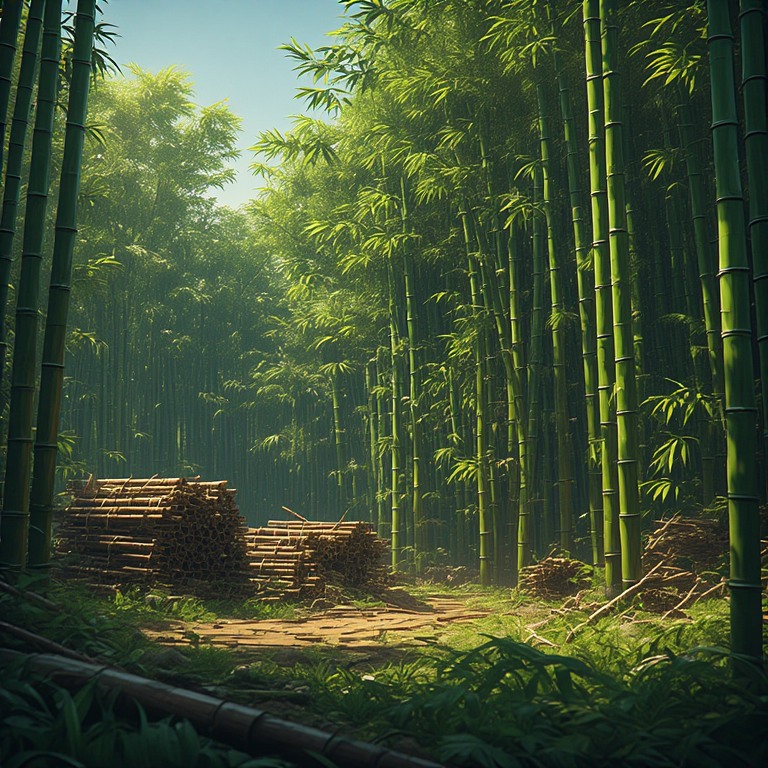
Bamboo stands out as a remarkably sustainable and fast-growing material, making it an ideal choice for eco-conscious building and decorating. Some species can grow up to three feet per day, allowing bamboo to regenerate within just three to five years—far quicker than traditional hardwoods that can take decades to mature. This rapid growth not only facilitates a renewable supply but also means that bamboo can regenerate without the need for replanting, making it an efficient resource. Additionally, bamboo absorbs more carbon dioxide than many tree species, further enhancing its environmental benefits. For those looking to create spaces with intention and long-term sustainability in mind, bamboo represents a forward-thinking choice.
2. Strength & Durability
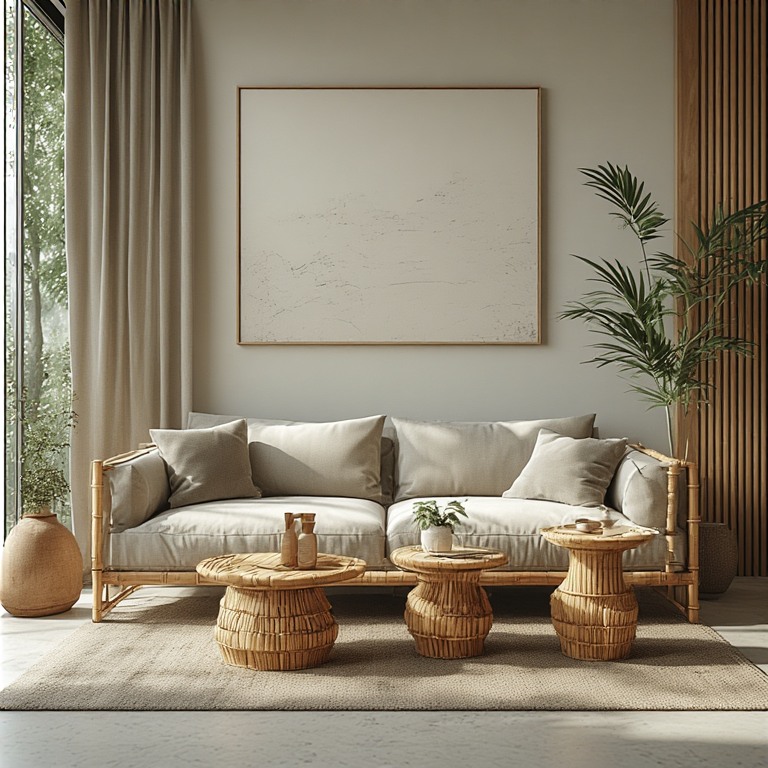
Bamboo is renowned for its remarkable strength and durability, boasting an impressive strength-to-weight ratio that rivals even that of steel. When properly treated, bamboo can be harder than many traditional hardwoods, making it a desirable choice for various applications. Its lightweight nature adds to its appeal, providing stability without the visual bulk often associated with heavier materials. In interior décor, this translates to long-lasting furniture, durable flooring, and wall cladding that enhances the aesthetic without overwhelming the space. Particularly suited for tropical homes and open-plan layouts, bamboo offers strength and resilience while maintaining a light, airy feel that complements modern design preferences.
3. Perfect for Humid Climates
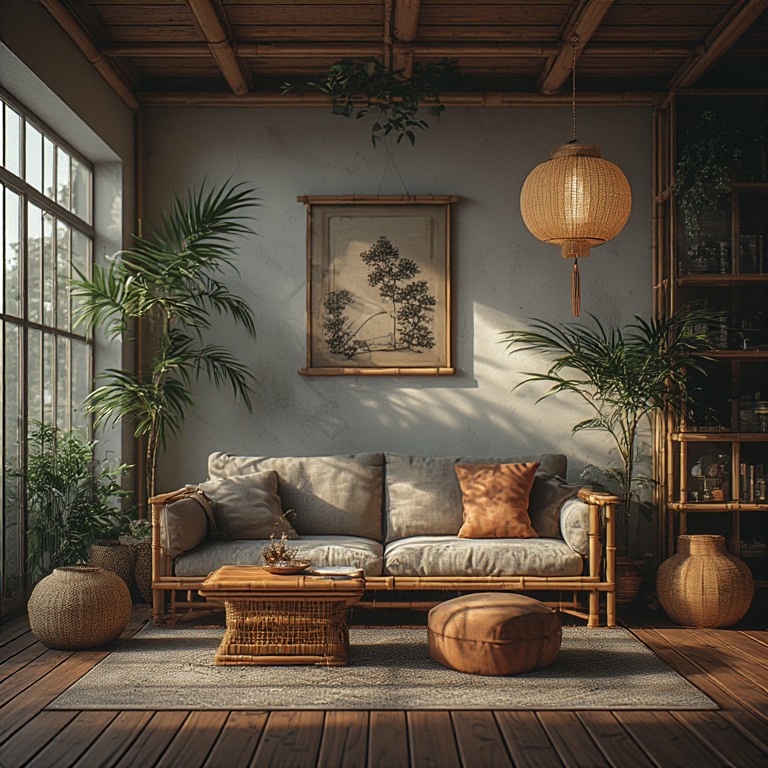
Bamboo is an ideal choice for humid climates, such as Trinidad, where humidity can be a significant factor in material selection. Properly treated bamboo resists warping more effectively than many traditional woods, making it a reliable option for outdoor and indoor applications. Its natural breathability allows for better airflow, which is essential in humid environments. Additionally, bamboo beautifully complements architectural features such as louvers, jalousie windows, verandas, and shaded patios, enhancing the overall aesthetic of your space. By incorporating bamboo, you can create a retreat-like atmosphere that promotes relaxation and rejuvenation, perfectly suited for enjoying the lush, tropical surroundings.
4. Natural Warmth Without Heaviness
Bamboo offers natural warmth without the heaviness often associated with traditional dark hardwoods. Its warm sandy tones and soft texture create an inviting ambiance, while the organic rhythm in the grain adds a unique aesthetic appeal. Unlike darker woods that can visually shrink a space, bamboo enhances openness and lightness, making it an ideal choice for various interior designs. It beautifully complements light porcelain floors, sand tones, and matte quartz, allowing for a harmonious blend of colors and materials. Additionally, its soothing presence pairs well with soft green landscaping outside, cultivating a serene atmosphere that feels effortlessly calming and inviting.
5. Versatility in Design
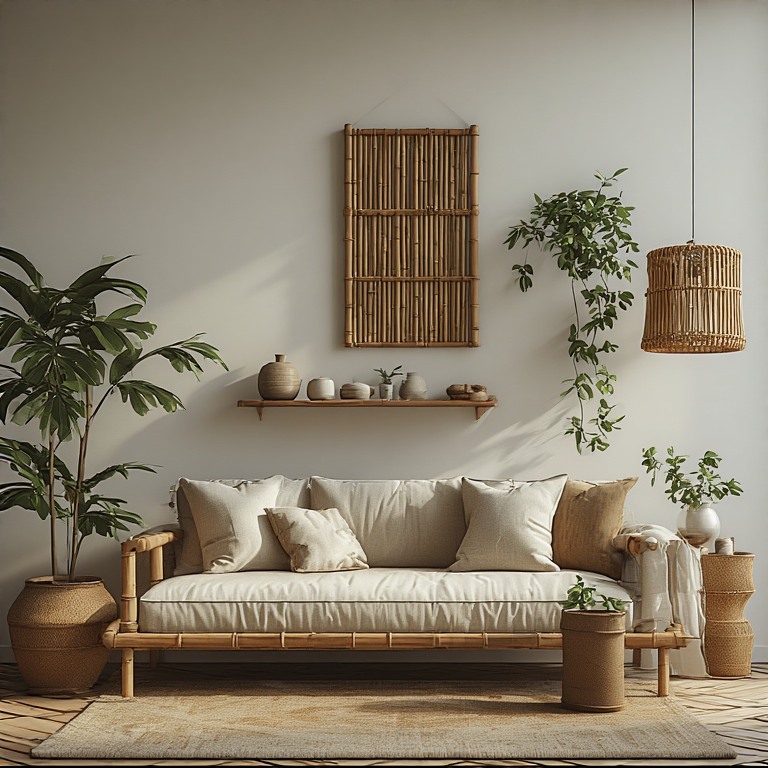
Bamboo is an incredibly versatile material that lends itself to various design applications, making it an ideal choice for modern interiors. It can be utilized in furniture, ceiling panels, feature walls, room dividers, cabinet fronts, and decorative screens. Its natural aesthetic and durability enhance the visual appeal of any space. In open-plan homes, bamboo screens serve a functional purpose by subtly defining areas without obstructing airflow or light, creating a sense of separation while maintaining an open feel. This unique combination of style and practicality makes bamboo a favored option for those looking to achieve both elegance and functionality in their living environments.
6. Psychological Effect
Bamboo, as a natural material, has a profound psychological effect on our well-being, playing a vital role in creating spaces that promote calmness and tranquility. Its unique texture and visual softness not only enhance the aesthetic appeal of a room but also foster a biophilic connection, bridging the gap between nature and the home environment. In a home designed for stillness, retreat, and restorative living, bamboo reinforces this intention, serving as a subtle reminder of nature’s serenity. You don’t merely “see” bamboo; you feel its presence in your surroundings, creating an atmosphere that soothes the nervous system and nurtures a sense of peace.
7. Cost-Effective (Long-Term)
Bamboo is an increasingly popular choice for construction and design due to its cost-effectiveness in the long term. While high-quality treated bamboo may have a higher initial price point, it offers significant savings over time, as it requires less maintenance compared to many traditional woods. This durability means that bamboo ages gracefully, maintaining its aesthetic appeal for years to come. Unlike materials that follow fleeting trends, bamboo stands the test of time, making it a smart investment for projects intended to last decades. Its unique blend of strength, beauty, and sustainability ensures that it remains a timeless choice for builders and designers alike.
A Practical Note (Important)
Bamboo is a versatile and popular material, but it’s crucial to recognize that not all bamboo is created equal. When considering its use, particularly indoors, proper treatment against insects is essential to ensure durability and longevity. Untreated raw bamboo can pose significant problems, inviting pests and leading to deterioration over time. Therefore, it’s advisable to opt for engineered bamboo, especially for applications like flooring and cabinetry, as it has undergone processes that enhance its strength and resilience. Investing in well-treated bamboo is key; while cheaper options may initially seem appealing, they often result in greater issues down the line.
Latest Articles
-
10 Ideas designed for a Caribbean Tropical Home
These ideas are designed for a Caribbean tropical home, where the emphasis is on natural materials, breezy spaces, vibrant foliage, and seasonal changes that fit the local climate rather than four distinct temperate seasons. 1. Tropical Spring Refresh To create a refreshing ambiance in a Caribbean tropical home, the concept of a “Tropical Spring Refresh”…
-
How to Make Your Own Bubble Diagram
A bubble diagram in architecture is a quick, loose way of planning how spaces relate to each other before you start drawing walls, doors, or exact dimensions. Think of it as the logic underneath the floor plan. Instead of drawing a bedroom as a precise 12′ × 14′ rectangle, you draw a bubble labelled Bedroom.…
-
Remedies for Slopes, Corners & Sharp Angles
In the realms of architecture and feng shui, a significant overlap exists in their fundamental principles, despite the different terminologies used. Feng shui emphasizes the concept of “chi,” which refers to the vital energy that flows through spaces, affecting the well-being of individuals. Architects, on the other hand, focus on aspects such as circulation, sight…
-
Orientation & Chi Flow
This is one of those subjects where it’s helpful to separate traditional feng shui principles from what we know from architecture, psychology, and environmental design. Whether or not you believe chi is a literal energy, many feng shui recommendations overlap with good building design—they create spaces that feel calmer, brighter, and easier to live in.…
-
Color & Elemental Balance: How Colour Influences the Feel of a Room
Colour is one of the most powerful tools in interior design. It shapes the mood of a room, influences how spacious or intimate it feels, and helps create harmony between the different design elements. In Feng Shui, colours are traditionally associated with the Five Elements—Earth, Water, Wood, Fire and Metal. By thoughtfully combining these colours,…
-
How to Balance the Earth, Water & Air Elements When Designing a Room
A balanced room feels comfortable, peaceful and functional. Whether you’re inspired by Feng Shui, biophilic design, or simply want a harmonious home, combining the Earth, Water, and Air elements can help create spaces that feel grounded, refreshing and relaxing. Rather than treating these elements as mystical forces, you can think of them as design principles…