

A balanced room feels comfortable, peaceful and functional. Whether you’re inspired by Feng Shui, biophilic design, or simply want a harmonious home, combining the Earth, Water, and Air elements can help create spaces that feel grounded, refreshing and relaxing.
Rather than treating these elements as mystical forces, you can think of them as design principles that influence how a room looks, feels and functions.
🌍 Earth Element – Stability and Comfort
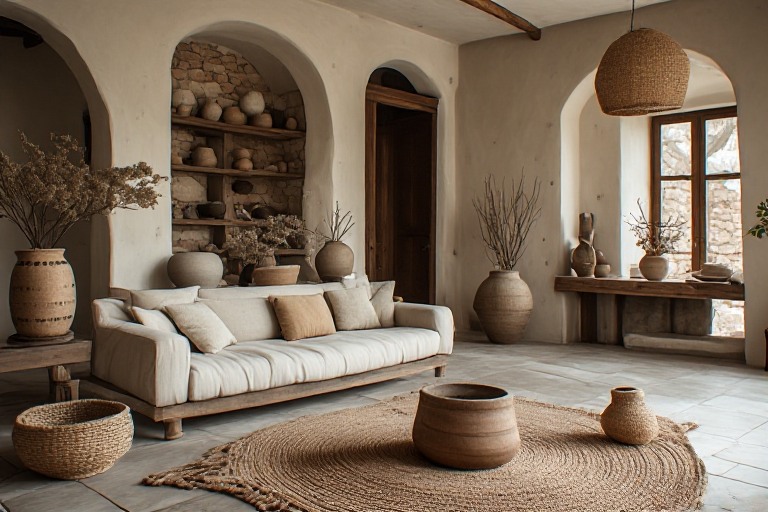
The Earth element represents: Stability, Security, Warmth, Nourishment and Reliability. Earth makes a room feel solid and welcoming.
How to Add Earth
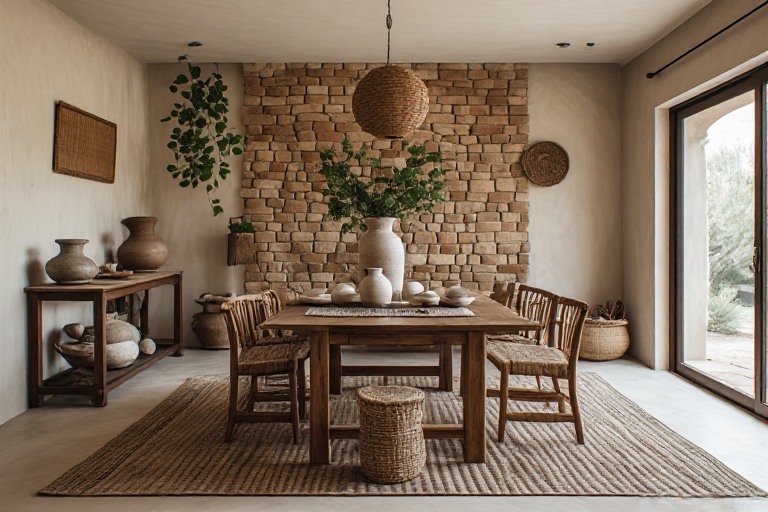
- Materials: Natural stone, Clay tiles, Terracotta, Brick, Concrete, and Ceramic.
- Colours: Beige. Sand, Taupe, Warm grey, Brown, Cream, and Soft ochreFurniture
- Choose furniture made from: Solid wood, Stone, Natural woven fibres, Leather, and Rattan.
- Accessories: Pottery, Clay vases, Woven baskets, Stone sculptures, and Textured rugs.
Too much Earth can make a room feel heavy or dull, so balance it with lighter materials and colours.
💧 Water Element – Calm and Flow
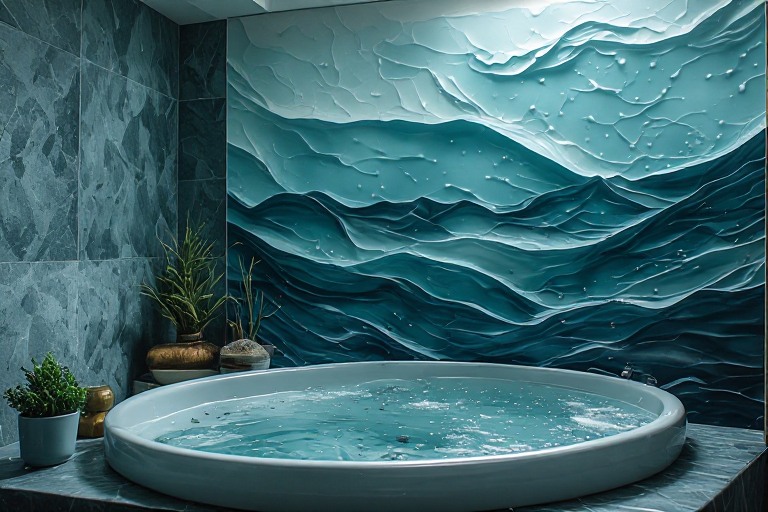
Water symbolizes: Peac, Reflection, Adaptability, Abundance, and Relaxation. Water introduces movement and softness.
How to Add Water
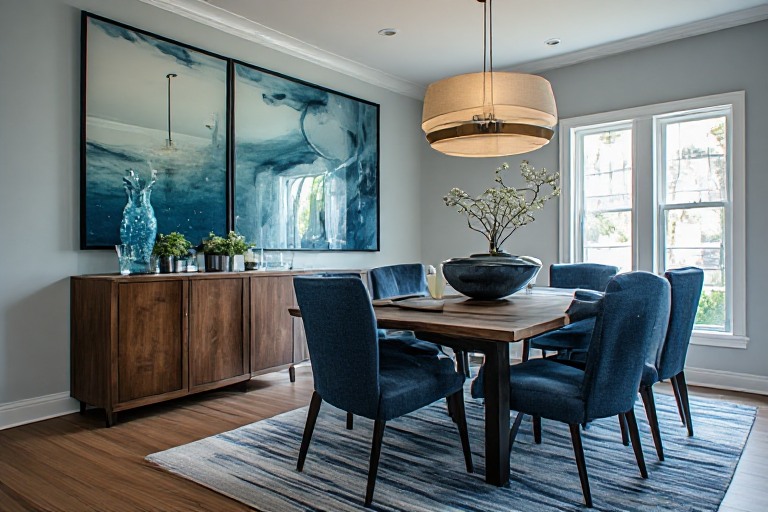
- Colours: blue, navy, aqua, teal, charcoal, black (sparingly).
- Materials: glass, mirrors, and reflective surfaces.
- Features: Indoor fountains, Aquariums (if well maintained), Decorative bowls of water, and Water-themed artwork
- Shapes: Water is often represented by: curved lines, gentle waves, and rounded forms.
Too much Water may make a room feel cold or overly reflective, so pair it with warm, natural materials.
🌬 Air Element – Freshness and Openness
Air represents: freedom, creativity, communication, clarity, vitality. Air gives a room a sense of lightness.
How to Add Air
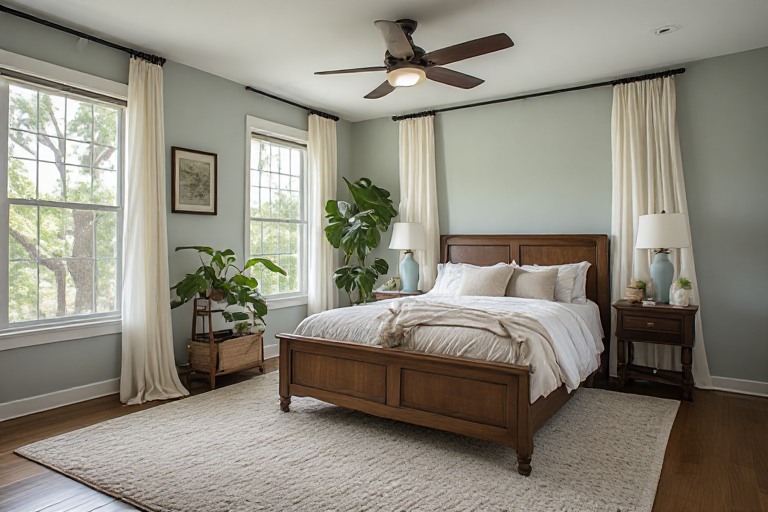
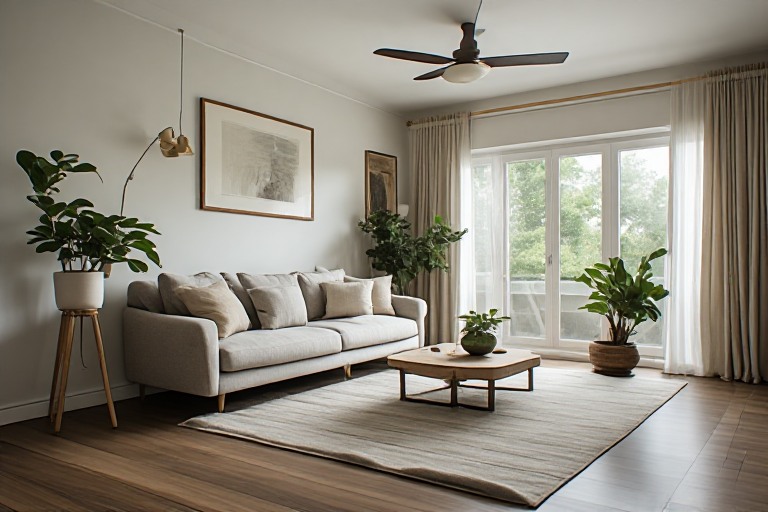
- Ventilation: Large windows, Louvered windows, Cross ventilation, and Ceiling fans.
- Fabrics: Linen, Cotton, and Sheer curtains.
- Space: Avoid overcrowding the room. Leave open walking paths.
- Lighting: Maximize natural daylight.
- Plants: Plants help connect the indoors with nature and can enhance the feeling of freshness.
Combining the Three Elements
Living Room
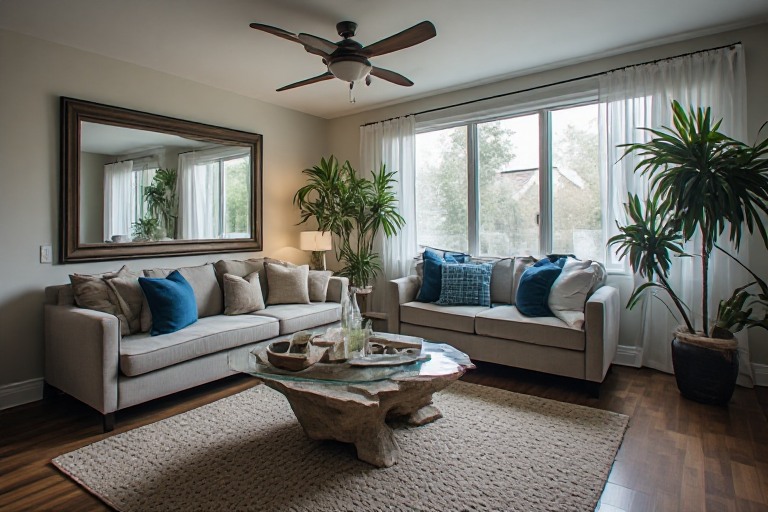
A balanced living room might include:
- Earth: Timber flooring, Stone coffee table and Neutral rug.
- Water: Large mirror, Blue accent cushions, and Glass coffee table.
- Air: Large windows, Ceiling fan, Indoor palms, and Sheer curtains.
The result is a room that feels warm, open and inviting.
Bedroom
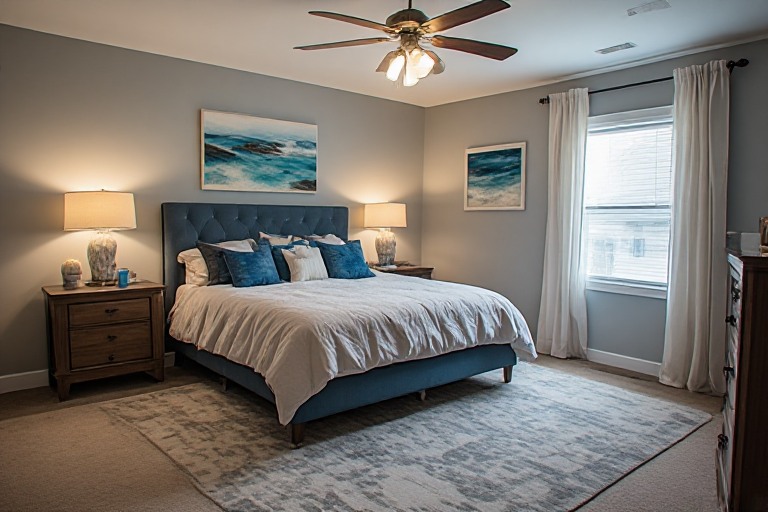
- Earth: Upholstered headboard, timber furniture, and soft neutral bedding.
- Water: Blue throw pillows; urved bedside lamps, and gentle artwork featuring water.
- Air: Open windows ceiling fan, light curtains, and minimal clutter.
The bedroom becomes restful and peaceful.
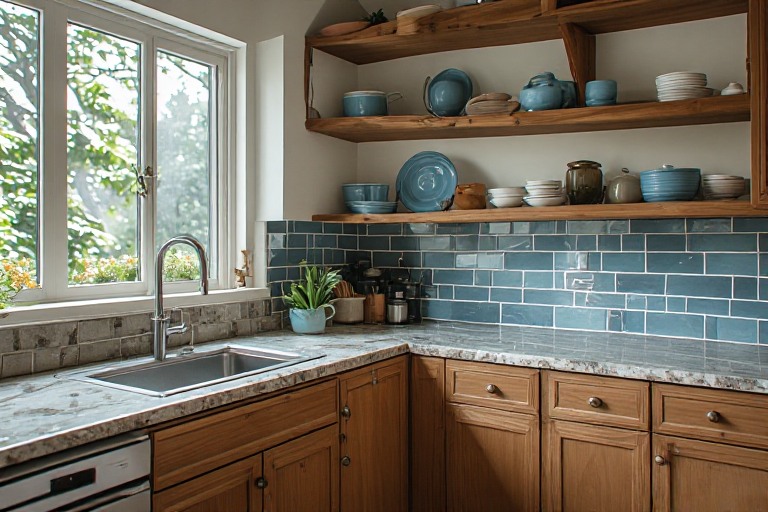
Kitchen
- Earth: Stone countertops, wooden cabinets, and ceramic backsplash.
- Water: stainless steel sink, glass splashback, blue accessories
- Air: Good ventilation, bright natural light, open shelving (used sparingly).
Bathroom
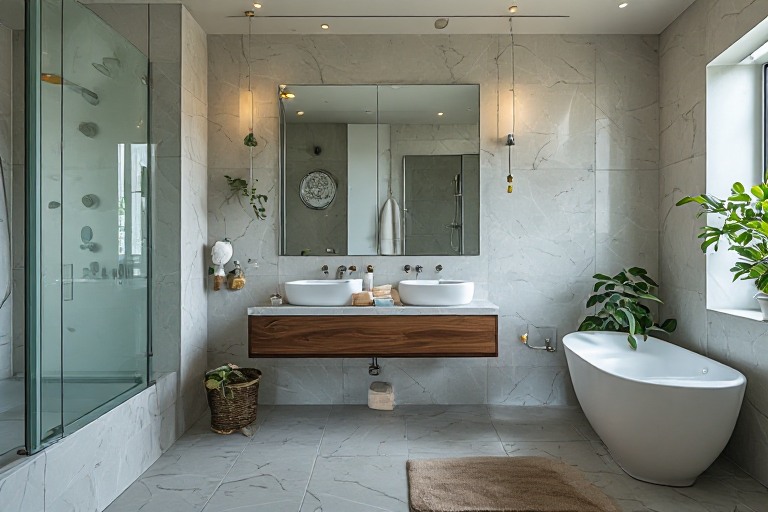
- Earth: Stone tiles, Timber vanity, and Ceramic basin.
- Water: Shower, Freestanding bath, and Glass shower enclosure.
- Air: Large window, Exhaust fan, and Indoor humidity-loving plants.
Home Office
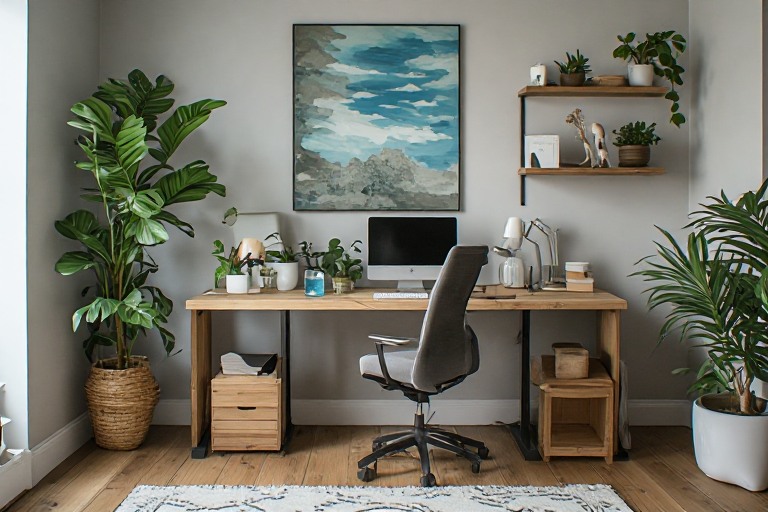
- Earth: Wooden desk, Neutral wall colours
- Water: Blue artwork, Glass accessories
- Air: Window beside the desk, Fresh airflow, and Minimal clutter
The Ideal Balance
Many interior designers recommend thinking in proportions rather than exact rules. One simple guideline is:
- 50% Earth for stability through natural materials and warm colours.
- 30% Air for openness, light and good ventilation.
- 20% Water for calmness through reflective surfaces, cool tones or subtle water-inspired elements.
These aren’t strict Feng Shui rules but a practical way to create balance without overwhelming the space.
Quick Checklist
✔ Natural materials such as wood or stone
✔ Plenty of daylight
✔ Fresh airflow
✔ Comfortable furniture
✔ Healthy indoor plants
✔ Soft natural colours
✔ One or two reflective elements
✔ Minimal clutter
✔ Balanced textures
✔ Comfortable walking space
Conclusion
Balancing the Earth, Water and Air elements is less about following rigid formulas and more about creating a home that feels comfortable, healthy and connected to nature.
- Earth provides a sense of stability through natural materials and warm colours.
- Water introduces calmness and gentle visual flow with cool tones and reflective surfaces.
- Air keeps the space feeling bright, fresh and open through good ventilation, natural light and uncluttered layouts.
When these elements are thoughtfully combined, each room can become a place that feels grounded yet light, peaceful yet practical—an environment that supports both everyday living and personal well-being.
Related Articles
-
10 Ideas designed for a Caribbean Tropical Home
These ideas are designed for a Caribbean tropical home, where the emphasis is on natural materials, breezy spaces, vibrant foliage, and seasonal changes that fit the local climate rather than four distinct temperate seasons. 1. Tropical Spring Refresh To create a refreshing ambiance in a Caribbean tropical home, the concept of a “Tropical Spring Refresh”…
-
How to Make Your Own Bubble Diagram
A bubble diagram in architecture is a quick, loose way of planning how spaces relate to each other before you start drawing walls, doors, or exact dimensions. Think of it as the logic underneath the floor plan. Instead of drawing a bedroom as a precise 12′ × 14′ rectangle, you draw a bubble labelled Bedroom.…
-
Remedies for Slopes, Corners & Sharp Angles
In the realms of architecture and feng shui, a significant overlap exists in their fundamental principles, despite the different terminologies used. Feng shui emphasizes the concept of “chi,” which refers to the vital energy that flows through spaces, affecting the well-being of individuals. Architects, on the other hand, focus on aspects such as circulation, sight…
-
Orientation & Chi Flow
This is one of those subjects where it’s helpful to separate traditional feng shui principles from what we know from architecture, psychology, and environmental design. Whether or not you believe chi is a literal energy, many feng shui recommendations overlap with good building design—they create spaces that feel calmer, brighter, and easier to live in.…
-
Color & Elemental Balance: How Colour Influences the Feel of a Room
Colour is one of the most powerful tools in interior design. It shapes the mood of a room, influences how spacious or intimate it feels, and helps create harmony between the different design elements. In Feng Shui, colours are traditionally associated with the Five Elements—Earth, Water, Wood, Fire and Metal. By thoughtfully combining these colours,…
-
How to Balance the Earth, Water & Air Elements When Designing a Room
A balanced room feels comfortable, peaceful and functional. Whether you’re inspired by Feng Shui, biophilic design, or simply want a harmonious home, combining the Earth, Water, and Air elements can help create spaces that feel grounded, refreshing and relaxing. Rather than treating these elements as mystical forces, you can think of them as design principles…
-
10 Ideas designed for a Caribbean Tropical Home

These ideas are designed for a Caribbean tropical home, where the emphasis is on natural materials, breezy spaces, vibrant foliage, and seasonal changes that fit the local climate rather than four distinct temperate seasons. 1. Tropical Spring Refresh To create a refreshing ambiance in a Caribbean tropical home, the concept of a “Tropical Spring Refresh”…
-
How to Make Your Own Bubble Diagram

A bubble diagram in architecture is a quick, loose way of planning how spaces relate to each other before you start drawing walls, doors, or exact dimensions. Think of it as the logic underneath the floor plan. Instead of drawing a bedroom as a precise 12′ × 14′ rectangle, you draw a bubble labelled Bedroom.…
-
Remedies for Slopes, Corners & Sharp Angles
In the realms of architecture and feng shui, a significant overlap exists in their fundamental principles, despite the different terminologies used. Feng shui emphasizes the concept of “chi,” which refers to the vital energy that flows through spaces, affecting the well-being of individuals. Architects, on the other hand, focus on aspects such as circulation, sight…