

This is one of those subjects where it’s helpful to separate traditional feng shui principles from what we know from architecture, psychology, and environmental design. Whether or not you believe chi is a literal energy, many feng shui recommendations overlap with good building design—they create spaces that feel calmer, brighter, and easier to live in.
Determining the Orientation of a House
The orientation is usually determined by the facing direction of the house, not necessarily the direction of the front door.
There are two important concepts:
- Facing side – the most open, active side of the house (road, driveway, largest windows, view).
- Sitting side – the opposite side, which provides support.
For many homes:
- Front of house = Facing direction
- Rear of house = Sitting direction
But if the back opens to a spectacular view while the front is just a small entrance, the “facing” side may actually be the back.
How to measure it
Stand a few feet outside the facing side.
Using a compass (or your phone): Face directly away from the house, let the compass stabilize. Then record the bearing.
Examples:
- 0° = North
- 90° = East
- 180° = South
- 270° = West
For example: my front door faces west, it is also most active side of the home, then my house is likely a West-facing house.
Observe Natural Energy Flow
Before worrying about compass directions, observe the house itself.
Ask yourself:
- Does light enter easily?
- Does fresh air move naturally?
- Do people naturally gather in certain rooms?
- Are there dark corners?
- Does clutter accumulate in one area?
- Do you feel relaxed or tense in certain rooms?
These observations are surprisingly useful.
The Flow of Chi
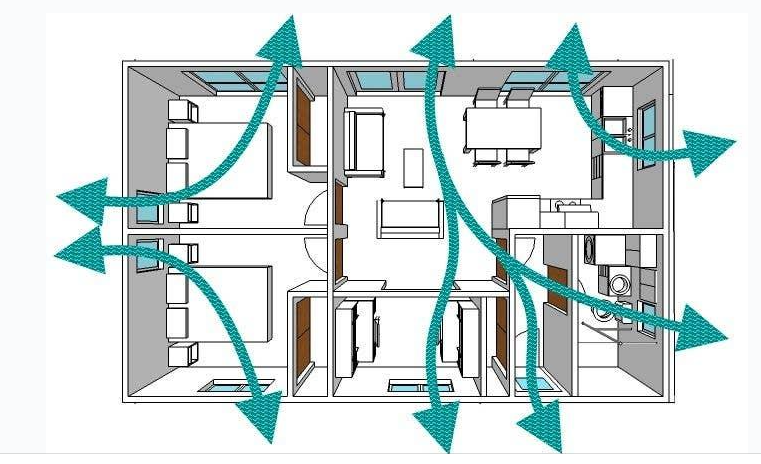
The flow of chi can be likened to the movement of water in a well-designed space. When chi flows smoothly, it enters through the front door and gracefully navigates through the living room, dining room, and hallway, ultimately reaching the bedrooms, creating a harmonious and inviting atmosphere. This good flow fosters a sense of well-being and tranquility within the home. Conversely, poor flow occurs when chi rushes straight down the hallway and exits through the back door, dissipating energy without nourishing the space. Alternatively, if chi encounters a large wall right after entering the front door, it is abruptly halted, preventing the natural circulation that is essential for a balanced environment.
Front Door
In feng shui, the front door holds significant importance, often referred to as the “mouth of chi.” It serves as the primary entry point for energy into a home, making it essential for this space to exude positive qualities. A good front door is clean, bright, and inviting, ensuring that it is easy to find and fully opens to welcome good energy. To create a harmonious entrance, it is vital to avoid common pitfalls that can obstruct the flow of chi. Broken lights can create negative energy, while overgrown plants may hinder accessibility.
Additionally, clutter and shoes scattered about can disrupt the inviting nature of the entrance, ultimately affecting the overall energy of the home. By maintaining a well-kept and welcoming front door, one can enhance the flow of positive energy and foster a more balanced living environment.
Entryway
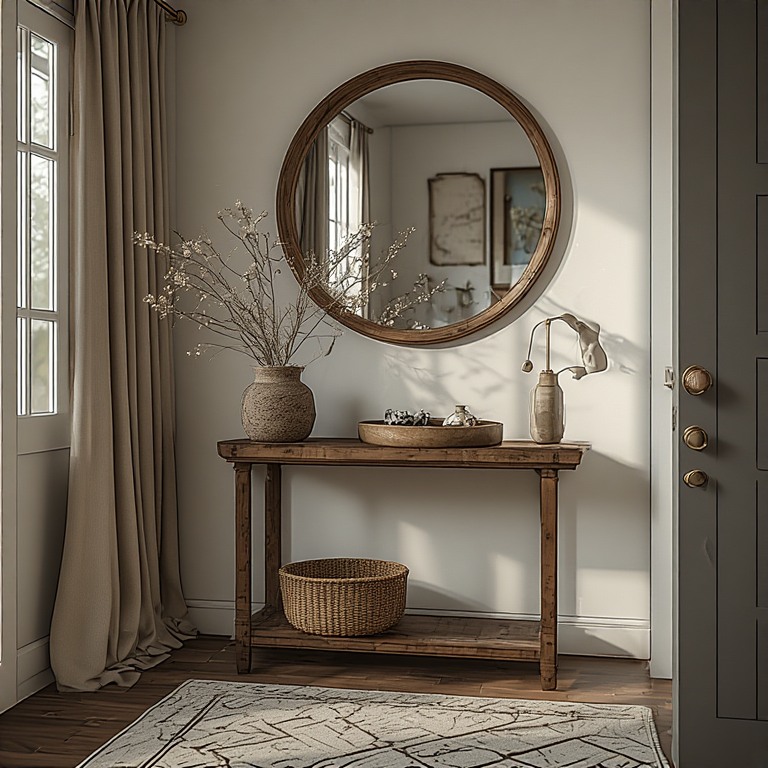
In feng shui, the entryway of a home plays a crucial role in influencing the flow of energy, or “chi,” throughout the space. It is essential that the entry allows for energy to collect and gather before it moves further into the house. To create a welcoming and harmonious entrance, incorporating elements such as a small table, artwork, and a plant can be beneficial. These items not only add aesthetic appeal but also help to cultivate a positive atmosphere. Additionally, good lighting enhances this energy flow.
Conversely, certain features should be avoided to maintain a balanced environment; for instance, having a toilet directly visible upon entering can create an unwelcoming vibe. Similarly, seeing the back door immediately can lead to a sense of energy escaping too quickly. Another aspect to be cautious of is placing a huge mirror directly opposite the door, as this can reflect energy back out, disrupting the flow. By carefully considering these elements, one can create an entryway that fosters positive energy and sets a tranquil tone for the rest of the home.
Hallways
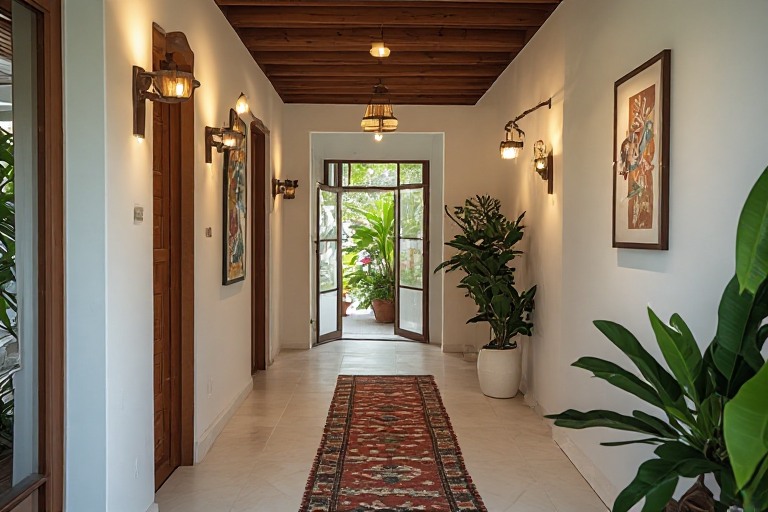
In the practice of feng shui, hallways are considered vital pathways that should gently guide movement throughout a space. However, very long hallways can often create a tunnel-like feeling, which may disrupt the flow of energy and diminish the inviting atmosphere of a home. To soften the starkness of these elongated corridors and enhance their aesthetic appeal, there are several effective strategies one can employ. Incorporating artwork along the walls can add visual interest and personal expression, while thoughtful lighting can create a warm and welcoming ambiance.
Additionally, placing runner rugs can introduce texture and comfort underfoot, and positioning plants at the ends of hallways can breathe life into the space, promoting a sense of vitality and connection to nature. By thoughtfully implementing these elements, one can transform a long hallway into a harmonious transition zone that encourages positive energy flow and enhances the overall experience of the home.
Living Room
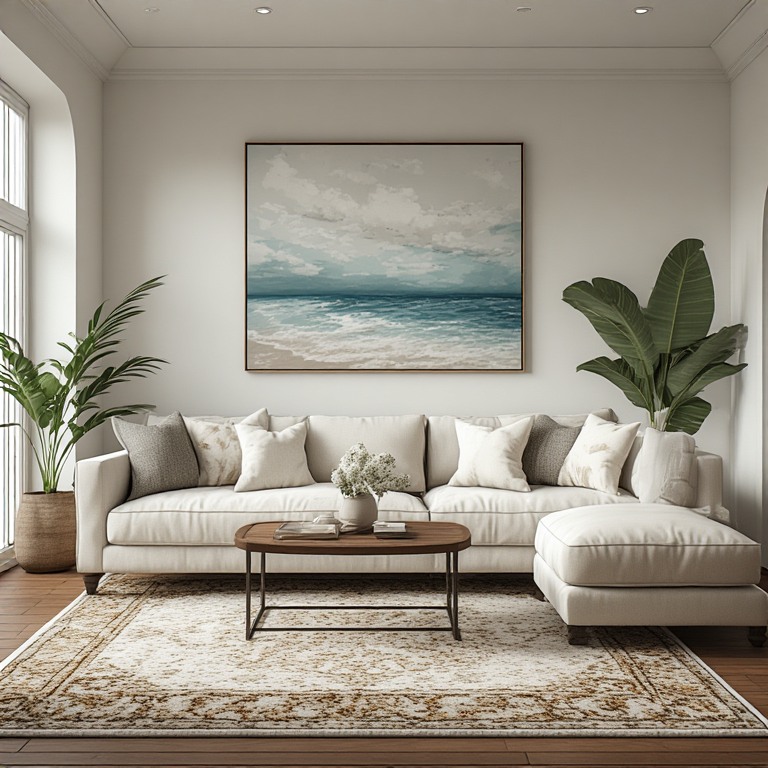
According to the principles of feng shui, the living room should exude a sense of warmth and welcome, serving as a harmonious gathering space. To achieve this inviting atmosphere, ensure ample daylight floods the room, bringing in natural light that uplifts the spirit and enhances the overall ambiance.
Comfortable seating is another key element, allowing friends and family to relax and engage in meaningful conversations. Furniture should be thoughtfully arranged to facilitate interaction, creating an environment that encourages connection. Additionally, positioning a solid wall behind the main sofa, rather than a window, fosters a sense of security and stability, further enhancing the living room’s inviting character.
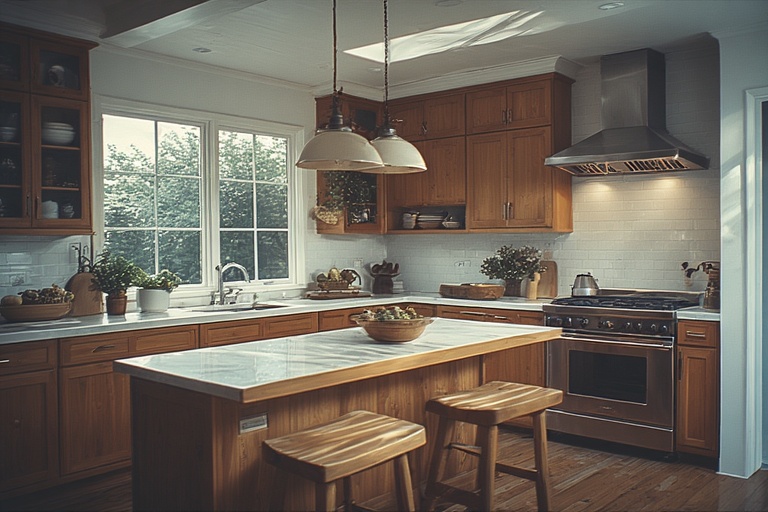
Kitchen
Traditionally, the kitchen has been viewed as a symbol of nourishment and prosperity, a space where families gather to create meals and memories. A well-designed kitchen embodies qualities that enhance its functionality and ambiance. Bright lighting, cleanliness, good ventilation, and working appliances contribute to a welcoming environment that inspires culinary creativity.
Additionally, ample storage solutions ensure that the kitchen remains organized and efficient. Many practitioners emphasize the importance of the cook’s ability to see the entrance while preparing food, as this not only promotes a sense of safety but also fosters a connection with the household. If the stove faces away from the door, incorporating a reflective surface can serve as a practical solution, allowing the cook to maintain awareness of their surroundings while they work. This thoughtful approach to kitchen design not only enhances the cooking experience but also reinforces the kitchen’s role as a central hub of nourishment and prosperity in the home.
Bedrooms
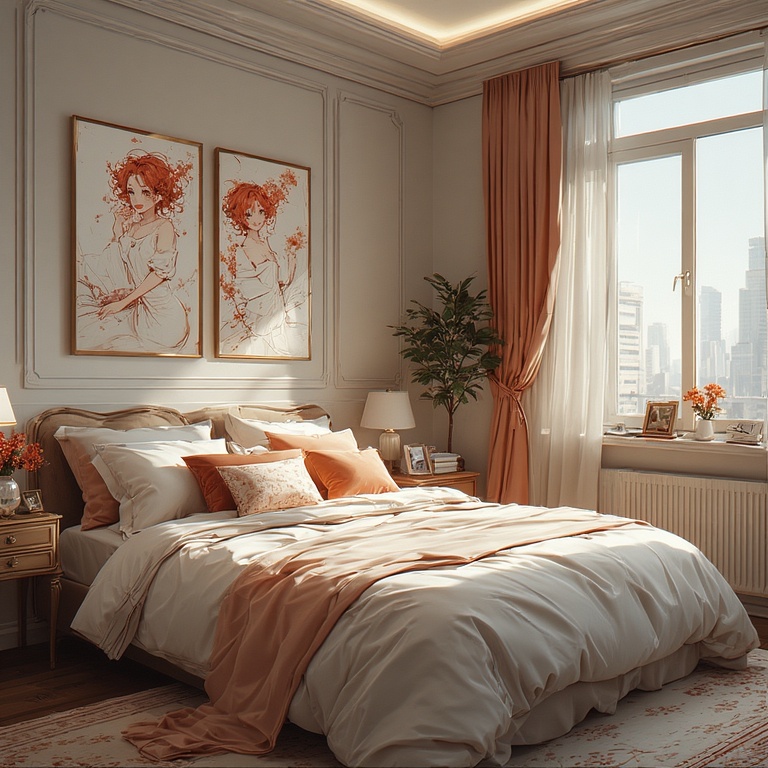
Bedrooms serve as sanctuaries for restoring energy and promoting restful sleep, making their design crucial for overall well-being. To create an optimal environment, position the bed against a solid wall to provide stability and security, while ensuring that you can view the door without being directly in line with it. This arrangement fosters a sense of safety and control. Additionally, minimizing electronics in the bedroom can help reduce distractions and promote tranquility. Soft lighting and calm colors contribute to a soothing atmosphere, enhancing relaxation.
Conversely, it is advisable to avoid mirrors that reflect the bed, as this is often considered a negative feng shui practice. Furthermore, excessive clutter under the bed can disrupt the flow of energy, leading to restlessness. By adhering to these principles, you can cultivate a serene and restorative space that nurtures your body and mind.
Air and Light
Air and light play a crucial role in creating harmonious living spaces, reflecting one of the strongest practical overlaps between feng shui principles and building science. Good chi, or positive energy, is often associated with effective cross-ventilation, which allows fresh air to flow freely throughout a space. This not only enhances the overall atmosphere but also promotes healthy indoor air quality.
Additionally, the presence of natural daylight is essential in fostering an uplifting environment. Comfortable temperatures contribute to a sense of well-being, while pleasant views can elevate mood and inspire creativity. Together, these elements create a balanced and inviting atmosphere that supports both physical and emotional health.
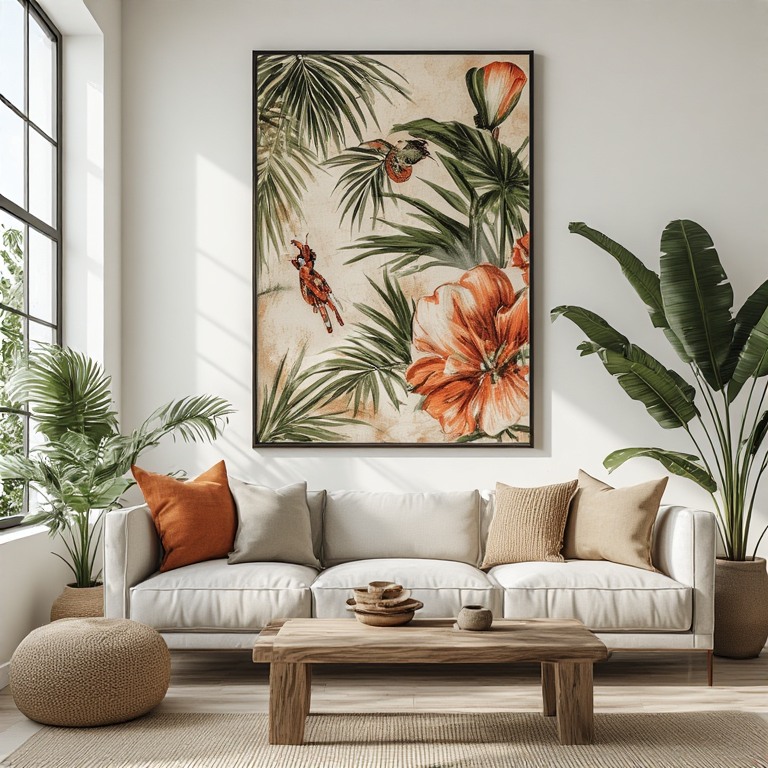
Plants
Healthy plants have a remarkable ability to transform any space, infusing it with a sense of vibrancy and life. When selecting plants, consider the available light in the environment to ensure they thrive. By choosing the right species that can flourish in the specific conditions of your space, you create a harmonious and inviting atmosphere. Conversely, it’s crucial to maintain the health of these plants, as dying or neglected foliage can significantly detract from the overall ambiance. A well-cared-for plant not only enhances the aesthetic appeal of a room but also contributes to a positive mood, making the environment feel more alive and welcoming.
Decluttering
One of the simplest yet most effective ways to enhance the overall feel of a home is by reducing unnecessary clutter. Clutter can create a sense of chaos and disorder, making spaces feel cramped and overwhelming. By clearing surfaces and organizing storage, homeowners can significantly improve the aesthetic and functional appeal of their living areas.
When items are neatly stored away and surfaces are kept clear, movement throughout the home becomes easier and more fluid. This organization not only allows for greater ease of navigation but also fosters a calming atmosphere. Ultimately, a decluttered space promotes tranquility and a sense of well-being, making home life more enjoyable.
Conclusion
There is no need to be over-particular on every traditonal rule of feng shui. Rather, combine the best of both approaches:
- Ensure excellent cross-ventilation.
- Maximize natural light without overheating the house.
- Keep the entrance clean and welcoming.
- Reduce clutter so movement through the home feels easy.
- Use natural materials and plants where appropriate.
- Create comfortable places for conversation, rest, and quiet reflection.
That combination tends to produce homes that people consistently describe as peaceful and inviting, regardless of their beliefs about chi.