

In the realms of architecture and feng shui, a significant overlap exists in their fundamental principles, despite the different terminologies used. Feng shui emphasizes the concept of “chi,” which refers to the vital energy that flows through spaces, affecting the well-being of individuals. Architects, on the other hand, focus on aspects such as circulation, sight lines, balance, safety, and human comfort. Both disciplines aim to create environments that enhance the human experience, promoting harmony and functionality. By understanding the similarities in their approaches, we can appreciate how both architecture and feng shui contribute to the creation of spaces that nurture and support those who inhabit them.
When addressing challenges posed by slopes, corners, and sharp angles, architects and feng shui practitioners alike seek remedies that promote harmony.
Sloping Land
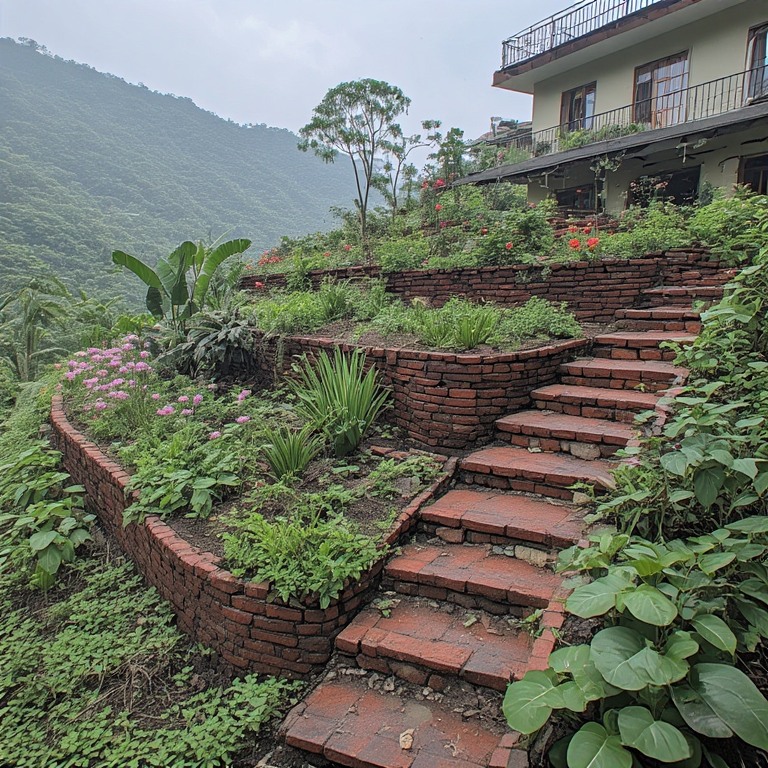
In feng shui, having a mountain behind the house is considered ideal, as it serves as a protective backing, often symbolized by the “Black Tortoise.” This architectural feature offers shelter from the wind, enhances privacy, and fosters a sense of security, while the house itself gracefully descends into a valley, which is generally viewed positively due to its good drainage and openness. However, if the slope is too steep, it may lead to a rush of energy away from the home. Remedies such as retaining walls, terraces, and strategically placed trees can slow this energy, creating a more anchored and balanced environment.
Sharp Corners
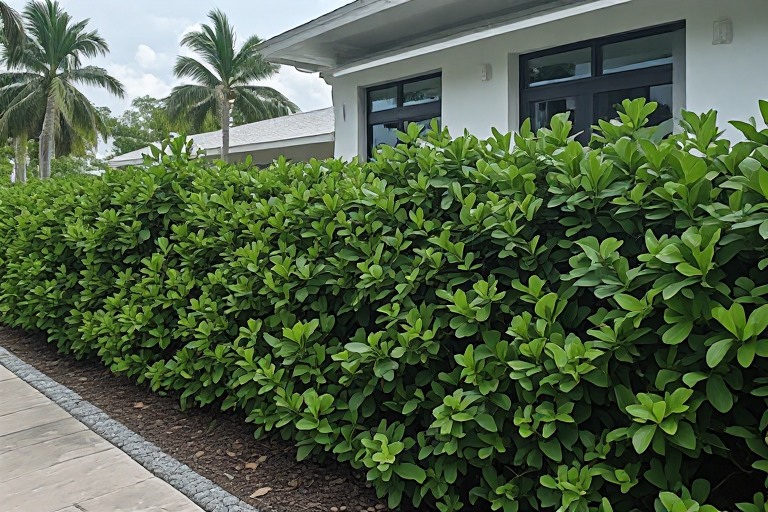
In feng shui, sharp corners are referred to as “poison arrows,” a term that highlights their psychological impact rather than any mystical danger. These pointed forms instinctively draw human attention, causing the eye to gravitate toward them immediately upon entering a room. In contrast, rounded transitions create a more soothing and inviting atmosphere. This principle extends to exterior corners as well; harsh angles can disrupt the harmony of outdoor spaces. To remedy this, one can soften these sharp edges with the introduction of shrubs, palms, ornamental grasses, and curved garden beds. After all, nature rarely grows in perfect right angles, and embracing organic forms can enhance the overall aesthetic and tranquility of a space.
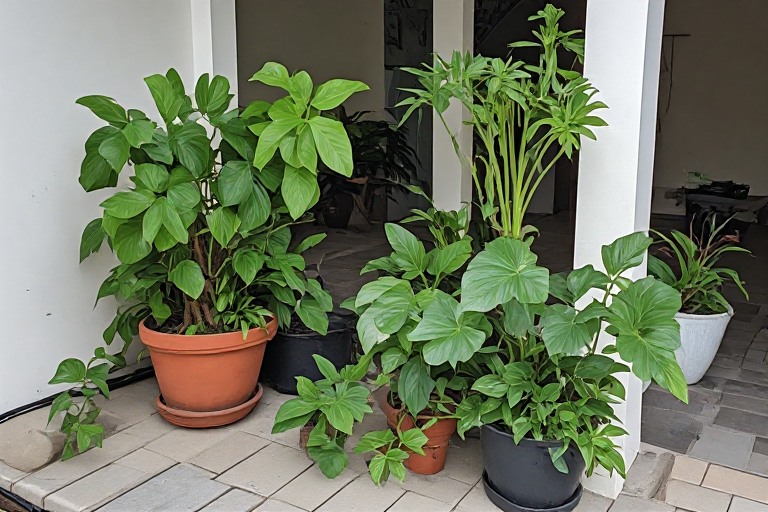
In feng shui, the treatment of interior corners is essential for creating a harmonious living space. If a corner directly points at key furniture pieces, such as a bed, sofa, desk, or dining chair, many practitioners advise softening that corner to mitigate any negative energy. Architectural solutions can include strategically placing tall plants, floor lamps, or artwork to divert attention and create a more inviting atmosphere. Additionally, incorporating rounded furniture and softened lighting can help reduce the visual intensity of these corners. Similarly, long straight hallways can also benefit from thoughtful design elements, such as imaginative door placements, to enhance the flow of energy throughout the space.
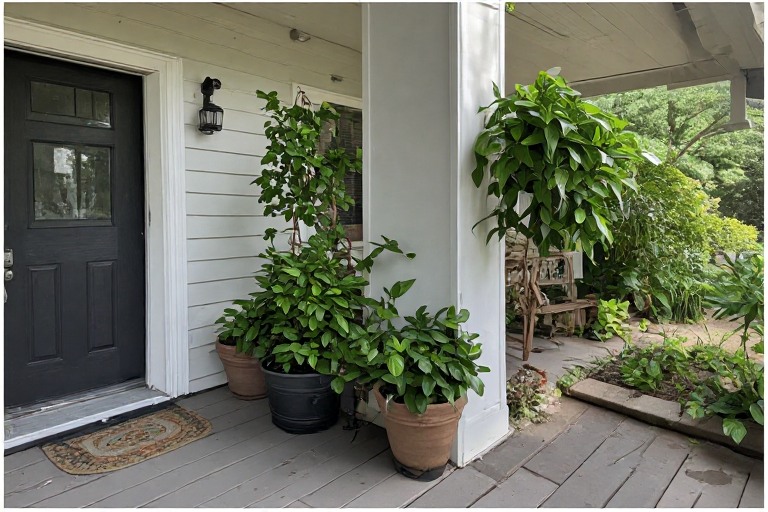
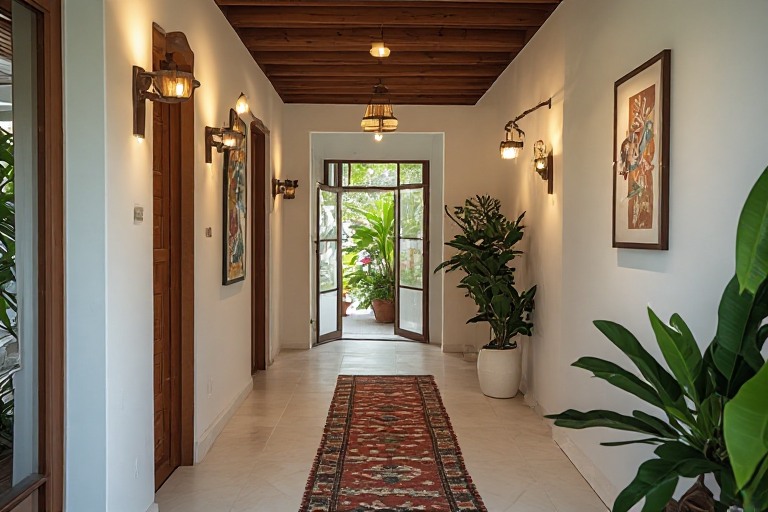
In designing a bedroom, it’s essential to consider how energy and movement flow through the space. Long, uninterrupted areas can lead to a rapid experience, so incorporating elements such as artwork, rugs, lighting, niches, and plants can help to create natural pauses, slowing down the atmosphere and enhancing comfort. Similarly, attention should be paid to T-junctions when it comes to outdoor spaces. A road that terminates abruptly at a house can generate unwanted headlights, noise, and an overwhelming sense of being “hit” by traffic. Practical solutions for mitigating these issues include the addition of hedges, walls, fences, trees, gates, and thoughtful landscaping to create a more serene environment.
Sharp Roof Lines
In contemporary architecture, many modern homes showcase dramatic roof angles, creating striking visual appeal. However, it is essential to consider the orientation and design of these roofs in relation to their surroundings. A pointed roof that is directed toward a neighboring property is traditionally viewed as undesirable, as it can create an imposing presence and disrupt the harmony of the neighborhood. On the other hand, softer rooflines tend to blend more seamlessly into the landscape, promoting a sense of unity between the structure and its environment. Ultimately, achieving a balance between aesthetic boldness and architectural sensitivity is crucial in modern home design.
Missing Corners
In contemporary architecture, many modern homes showcase dramatic roof angles, creating striking visual appeal. However, it is essential to consider the orientation and design of these roofs in relation to their surroundings. A pointed roof that is directed toward a neighboring property is traditionally viewed as undesirable, as it can create an imposing presence and disrupt the harmony of the neighborhood. On the other hand, softer rooflines tend to blend more seamlessly into the landscape, promoting a sense of unity between the structure and its environment. Ultimately, achieving a balance between aesthetic boldness and architectural sensitivity is crucial in modern home design.
Staircases
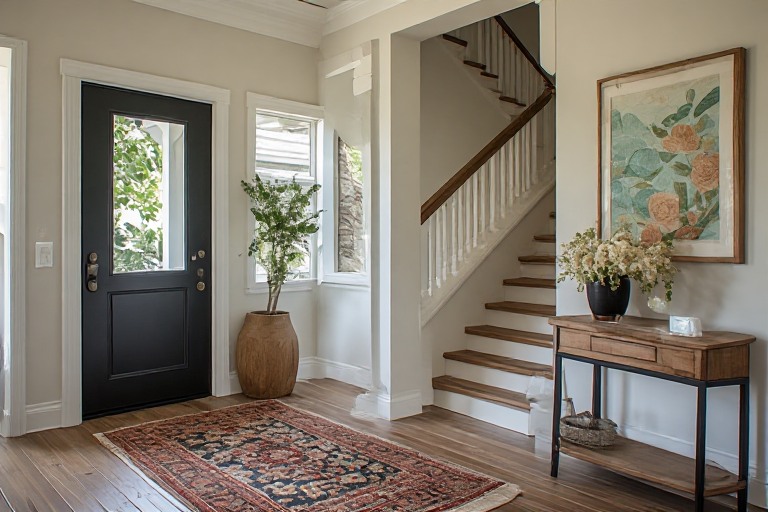
When designing an entryway, it’s crucial to avoid placing a staircase directly inside the front door. This layout can create an immediate upward movement, which may disrupt the flow and energy of the space. Instead, consider incorporating elements that encourage a welcoming pause upon entering. A small entry area can be enhanced with a cozy rug, captivating artwork, or a stylish console table. These additions not only provide a visual break but also create a sense of invitation and warmth, allowing guests to transition smoothly from the outside world into the comfort of your home. Such thoughtful design choices contribute to a more harmonious atmosphere.
Beams Over Seating
Heavy exposed beams positioned directly above beds, sofas, and desks can create a sense of psychological compression for some individuals, making the space feel more confined and less inviting. In situations where relocation is not an option, there are several strategies to alleviate this feeling. One effective approach is to use lighter paint colors for the walls and ceiling, which can help to create an illusion of openness and airiness. Additionally, incorporating softer lighting can transform the ambiance of the room, making it feel more welcoming and comfortable. In some cases, considering the installation of a false ceiling may also be appropriate to visually lower the beams and enhance the overall aesthetic of the space.
Dead Ends
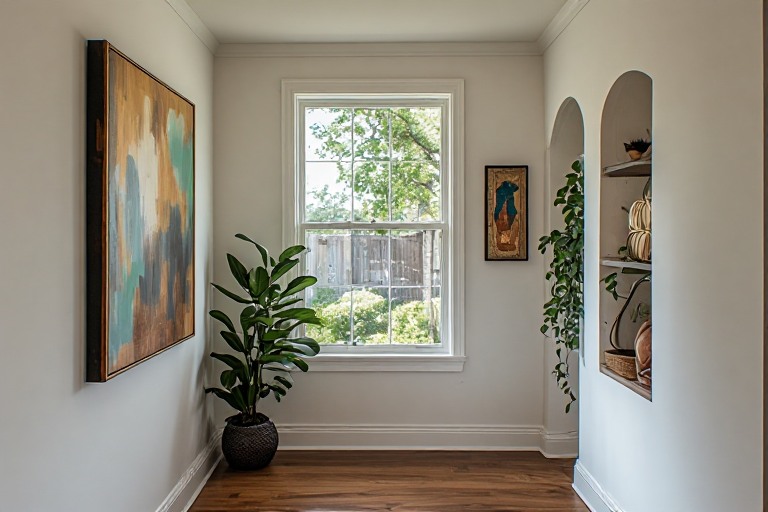
A space devoid of a visual destination can often feel stagnant and uninviting. When a hallway or a blank wall lacks character, it can lead to a sense of monotony that diminishes the overall appeal of the environment. However, transforming this emptiness into a focal point can breathe new life into the area. Consider incorporating elements such as a captivating painting, a window that frames a picturesque view, or a striking sculpture that draws attention. Alternatively, an indoor plant can introduce a touch of nature and vitality, or a decorative niche can serve as a unique display area. By providing the eye with a pleasant resting place, these focal points can elevate the aesthetic experience and create a more engaging atmosphere.
Outdoor Pathways
When designing a garden, instead of opting for traditional gates and doors, consider incorporating gentle curves into the layout. Curved paths naturally slow movement, inviting visitors to take their time and truly appreciate the beauty of the surroundings. This design choice not only enhances the aesthetic appeal of the garden but also encourages deeper engagement with the space, allowing individuals to notice the intricate details of the flora and fauna. Additionally, these gentle curves play a vital role in water management, particularly on sloping sites, as they help direct rainwater runoff more effectively, promoting better drainage and contributing to a healthier garden ecosystem.
Landscaping as a Remedy
Feng shui reaches its pinnacle in the realm of landscape design, where its principles seamlessly align with good design practices. Effective remedies often involve the integration of natural elements such as flowering plants and fruit trees, which not only enhance visual appeal but also promote a sense of vitality in the space. Incorporating hedges, strategically placed rocks, and water features where appropriate can create harmony and balance within the environment. Additionally, seating areas encourage relaxation and social interaction, while layered planting softens hard edges and introduces depth to the landscape. These thoughtful elements work together to create inviting spaces that foster tranquility and well-being. You can read more about landscapinng on the website.
Conclusion
In conclusion, addressing slopes, corners, and sharp angles in various applications is essential for enhancing safety, functionality, and aesthetics. The remedies discussed, including the use of ramps, rounded edges, and strategic design modifications, offer effective solutions to common challenges faced in architecture and engineering. By implementing these strategies, professionals can create spaces that are not only more navigable but also visually appealing and compliant with safety standards. As we continue to innovate and improve our designs, it is crucial to consider these elements to ensure that our built environments meet the diverse needs of their users.
Great content! Keep up the good work!