

Colour is one of the most powerful tools in interior design. It shapes the mood of a room, influences how spacious or intimate it feels, and helps create harmony between the different design elements. In Feng Shui, colours are traditionally associated with the Five Elements—Earth, Water, Wood, Fire and Metal. By thoughtfully combining these colours, you can create spaces that feel balanced, inviting and suited to their purpose.
Although these associations come from traditional Feng Shui rather than scientific research, they often align with practical interior design principles. Warm earth tones tend to make rooms feel grounded, cool blues can create a calming atmosphere, and greens are commonly associated with nature and renewal.
Why Colour Matters
Every room evokes a different emotional response. Colour helps reinforce that feeling.
For example:
- Soft earth tones make a room feel safe and welcoming.
- Blues often create a calm, relaxing atmosphere.
- Greens bring a sense of freshness and connection to nature.
- Reds add warmth and energy when used thoughtfully.
- Whites brighten a room and make it feel more open.
The goal is not to fill a room with one colour, but to create a balanced palette where colours complement one another.
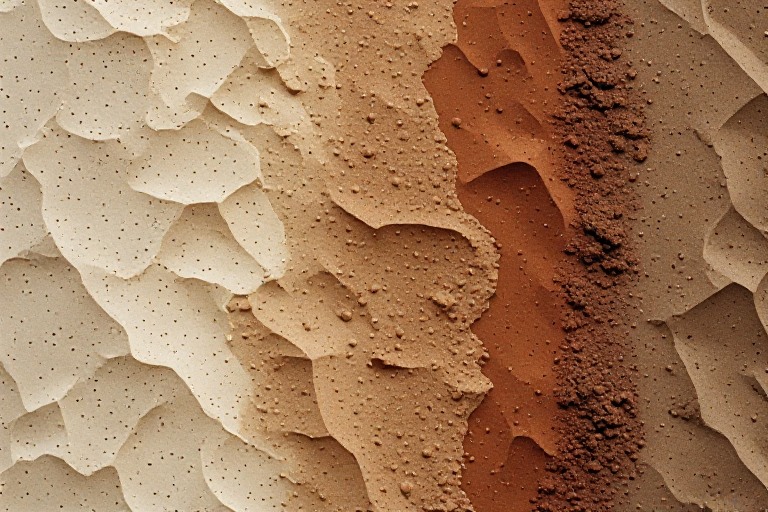
🌍 Earth Element
- Symbolizes: Stability, Security, Comfort, Nourishment and Dependability. Earth colours create rooms that feel grounded and relaxing.
- Earth Colours: Beige, Cream, Sand, Taupe, Brown, Terracotta, Soft ochre
- Best Rooms: Living rooms, ebdrooms, dining rooms, and family rooms.
- Materials That Complement Earth: timber, stone, clay, brick, and woven fibres
- Design Tip: Earth colours work beautifully as the main colour palette because they pair easily with almost every other colour.
💧 Water Element
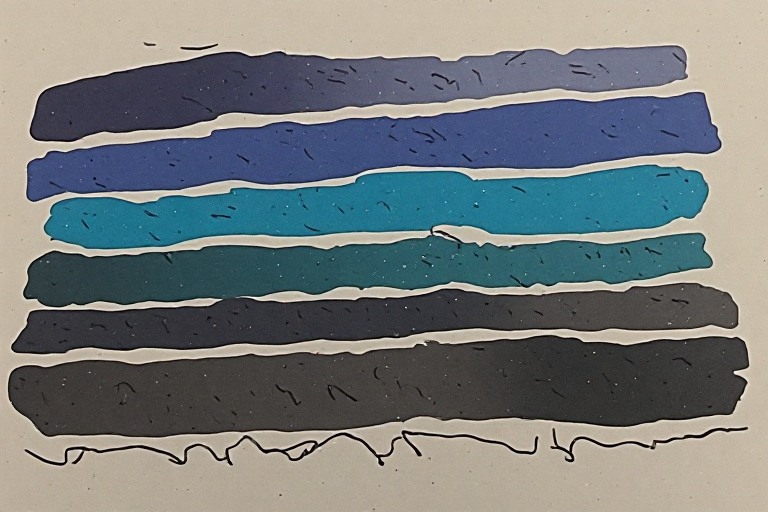
- Symbolizes: Calmness, Reflection, Flow, Opportunity, Adaptability
- Water colours help reduce visual stress and create peaceful interiors. Water Colours: Navy, Blue, Aqua, Teal, Charcoal, Black (used sparingly)
- Best Rooms: Bathrooms, bedrooms, home offices, and reading rooms
- Material: Glass, mirrors, reflective finishes
- Design Tip: Rather than painting an entire room dark blue, consider introducing Water through accent walls, cushions, artwork or decorative accessories.
🌿 Wood Element
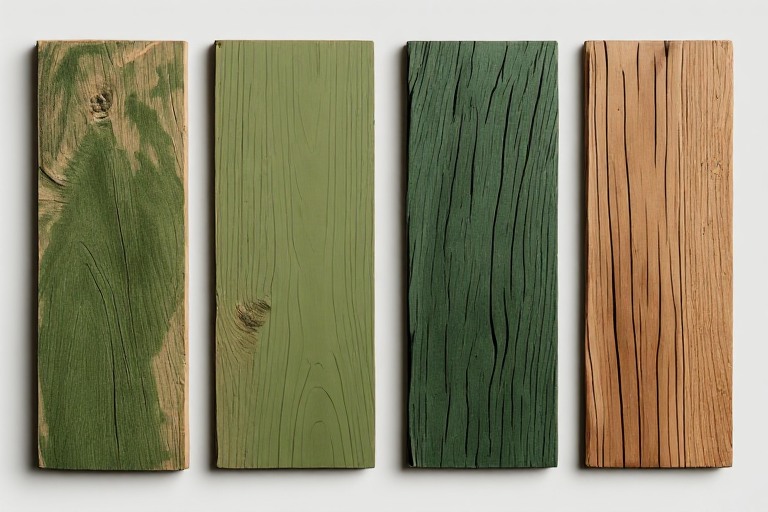
- Symbolizes: Growth, Health, Vitality, Creativity, and New beginnings, Wood colours bring life into a room.
- Wood Colours: Green, Olive, Sage, Forest green, and Natural timber tones
- Best Rooms: Living rooms, Home offices, Kitchens, Sunrooms
- Materials: Natural wood, Indoor plants, Bamboo and Cork
- Design Tip :Living plants are one of the easiest ways to introduce the Wood element while also improving the room’s visual appeal.
🔥 Fire Element
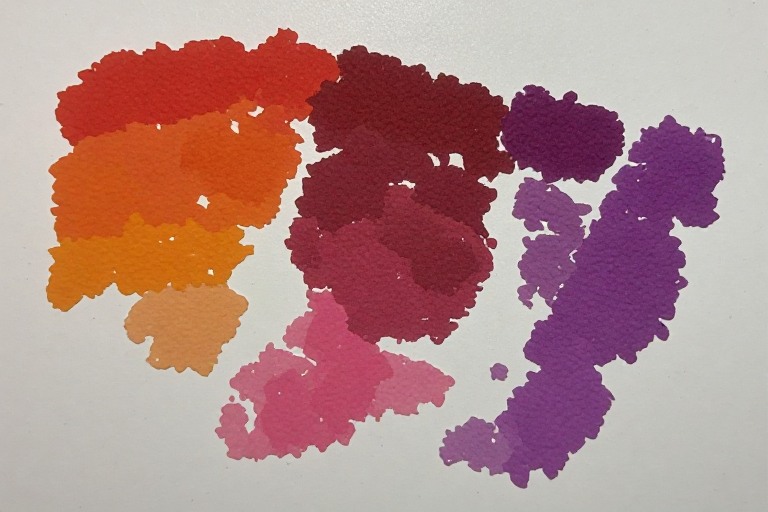
- Symbolizes: Passion, Confidence, Recognition, Energy, and Celebration.
- Fire colours create excitement and warmth.
- Fire Colours: Red, Orange, Coral, Burgundy, Pink, and Purple
- Best Rooms: Dining rooms,Entertainment areas, and Accent walls
- Materials: Candles, Warm lighting, Decorative artwork, and Fireplaces
- Design Tip: Fire colours are often most effective in moderation. Too much bright red can make a room feel overwhelming, while small accents can add warmth and character.
⚪ Metal Element
- Symbolizes: Clarity, Precision, Organization, Efficiency, and Focus
- Metal colours create clean, modern interiors.
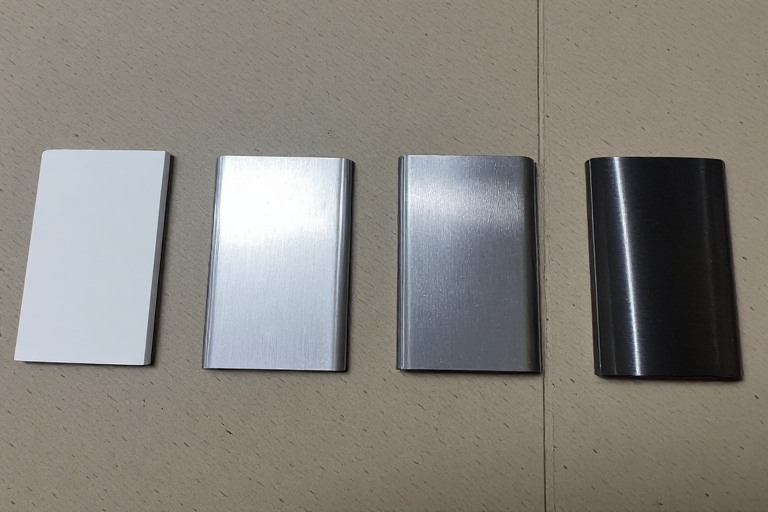
- Metal Colours: White, Silver, Grey, and Metallic finishes
- Best Rooms: Kitchens, Bathrooms, Home offices, and Modern living spaces
- Materials: Stainless steel, Chrome, Aluminium, and Glass
- Design Tip: Metal colours help brighten rooms and pair well with natural wood to create a balanced contemporary look.
Balancing Colours Throughout a Room
Instead of relying on a single colour, successful interiors combine several elements.
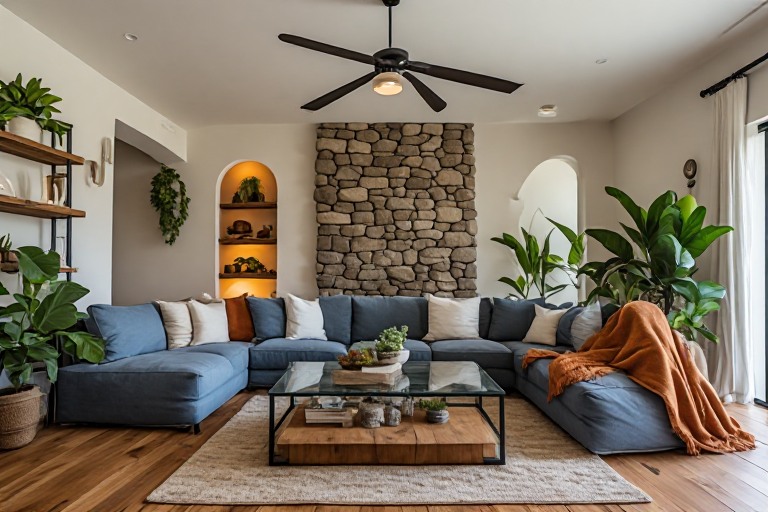
Example: Living Room
- Earth: Beige walls, Timber flooring, Stone wall
- Water: Blue cushions, Glass coffee table
- Wood: Indoor plants, Wooden shelves
- Fire: Warm lighting, Rust-coloured throw blanket
- Metal: White ceiling, Black metal light fixtures
The result is a room that feels warm, vibrant and visually balanced.
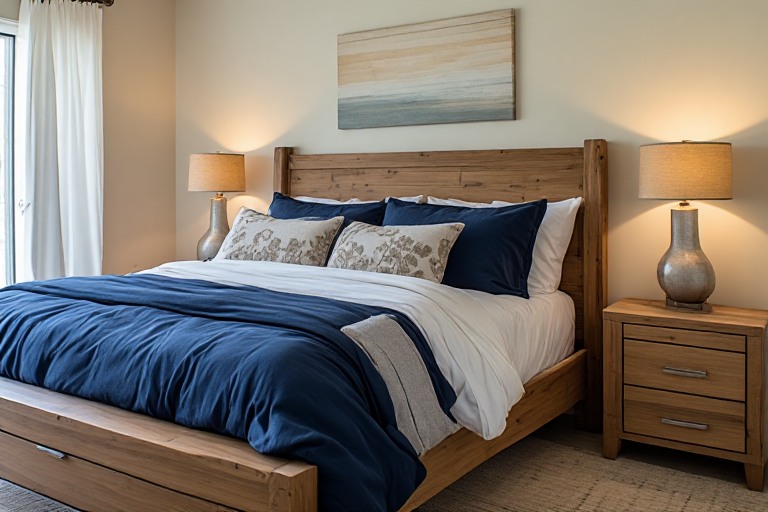
Example: Bedroom
- Earth: Soft cream walls
- Water: Navy bedding
- Wood: Timber furniture
- Fire: Warm bedside lamps
- Metal: White curtains, Brushed metal drawer handles
This combination creates a peaceful and inviting retreat.
Colour Balance Guidelines
Many interior designers suggest using a layered approach rather than equal amounts of every colour.
A practical guideline is:
| Element | Approximate Use |
|---|---|
| Earth | 40–50% |
| Wood | 20–25% |
| Air & Light* | 15–20% |
| Water | 10–15% |
| Fire | 5–10% |
*While Air is not one of the traditional Five Elements in Feng Shui, it can be represented through light, open space, fresh airflow and airy colour palettes that enhance comfort and spaciousness.
Common Mistakes
Avoid these common design pitfalls:
- Using too many bold colours in one room.
- Making every wall the same strong colour.
- Ignoring natural lighting when choosing paint colours.
- Forgetting to balance cool and warm tones.
- Filling a room with decorative items that create visual clutter.
Remember that colour works together with texture, lighting, furniture and layout to shape the overall feel of a space.
Choosing Colours by Room Purpose
| Room | Recommended Colour Palette |
|---|---|
| Living Room | Beige, green, soft blue |
| Bedroom | Cream, sage green, light blue |
| Kitchen | White, wood tones, soft green |
| Bathroom | White, aqua, grey |
| Dining Room | Earth tones with warm red accents |
| Home Office | Green, blue, grey, natural wood |
| Verandah | Cream, timber, tropical greens |
Conclusion
Colour is one of the easiest and most effective ways to influence the atmosphere of a room. When combined with natural materials, good lighting and thoughtful furniture placement, it can help create interiors that feel comfortable, balanced and timeless.
Traditional Feng Shui uses colour to represent the Five Elements, encouraging a harmonious blend of Earth, Water, Wood, Fire and Metal. Whether you follow Feng Shui closely or simply appreciate its design philosophy, the underlying principle is universal: choose colours that support the purpose of the room, reflect your personal style and create a space where you enjoy spending time.
Related Articles
-

10 Ideas designed for a Caribbean Tropical Home
These ideas are designed for a Caribbean tropical home, where the emphasis is on natural materials, breezy spaces, vibrant foliage, and seasonal changes that fit the local climate rather than four distinct temperate seasons. 1. Tropical Spring Refresh To create a refreshing ambiance in a Caribbean tropical home, the concept of a “Tropical Spring Refresh”…
-

How to Make Your Own Bubble Diagram
A bubble diagram in architecture is a quick, loose way of planning how spaces relate to each other before you start drawing walls, doors, or exact dimensions. Think of it as the logic underneath the floor plan. Instead of drawing a bedroom as a precise 12′ × 14′ rectangle, you draw a bubble labelled Bedroom.…
-
Remedies for Slopes, Corners & Sharp Angles
In the realms of architecture and feng shui, a significant overlap exists in their fundamental principles, despite the different terminologies used. Feng shui emphasizes the concept of “chi,” which refers to the vital energy that flows through spaces, affecting the well-being of individuals. Architects, on the other hand, focus on aspects such as circulation, sight…