

In the Caribbean, where the sun shines brightly and the humidity levels soar, designing homes that prioritize comfort while minimizing reliance on air conditioning is essential. The interplay of natural elements and architectural strategies can significantly enhance indoor climates, ensuring a cool, inviting living space year-round. This article introduces a comprehensive room-by-room window and shading strategy tailored specifically for Caribbean homes.
By leveraging the region’s unique climate and utilizing materials that withstand the test of time and weather, homeowners can achieve a harmonious balance between aesthetic appeal and environmental efficiency. Through thoughtful placement of windows, the integration of innovative shading solutions, and the use of rain-resistant materials, this strategy not only aims to reduce energy consumption but also enhances the longevity of home components.
We will delve into practical applications for each room, highlighting techniques that promote natural ventilation and light while protecting living spaces from the elements. This guide serves as a valuable resource for homeowners and builders alike, offering insights that foster sustainable living in the Caribbean’s vibrant yet challenging climate.
This practical guide ensures cooler rooms, lower bills, and longer-lasting finishes.
The Caribbean Rule of Comfort
In hot-humid climates, your house stays comfortable when you do two things well:
- Stop direct sun from hitting glass and walls (external shade)
- Keep air moving through rooms (cross-ventilation)
Windows bring in light and breeze—but without shading they also bring heat. This strategy shows how to balance both, room by room.
The “3 Layers of Shade” System (Use Everywhere)
For each room, aim for at least two of these:
- Roof overhangs / deep eaves (primary shade)
- Verandah / gallery / covered terrace (best comfort buffer)
- External devices (louvers, shutters, screens, fins, pergolas, vegetation)


1) Living Room / Family Room
Goal: breezy comfort during the hottest hours
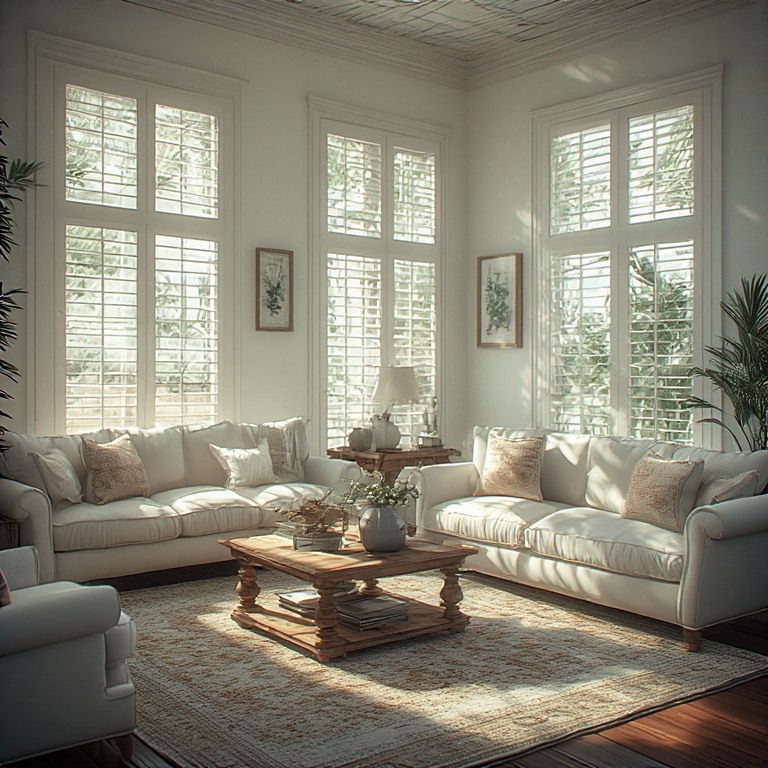
The primary goal of incorporating windows into a living room design is to facilitate a sense of breezy comfort during the hottest hours of the day. Strategic placement and sizing of windows can significantly influence the indoor climate, allowing for the natural flow of air and the circulation of refreshing breezes. By utilizing larger windows or even floor-to-ceiling glass panels, homeowners can create an inviting atmosphere that not only enhances the aesthetic appeal of the space but also promotes ventilation. This design approach can effectively reduce reliance on air conditioning systems, leading to lower energy consumption and an environmentally friendly living space.
Moreover, the selection of window styles and materials plays a crucial role in maximizing comfort and enhancing the overall living experience. For instance, incorporating operable windows or sliding doors enables residents to adjust airflow according to their preferences, while strategically placed awnings or overhangs can provide shade during peak sunlight hours. Additionally, the use of high-performance glazing can improve thermal insulation, keeping the interior cool while maintaining clarity for unobstructed views of the outdoors. By prioritizing these elements in the design of living room windows, homeowners can achieve a harmonious balance between comfort and style, ultimately creating a serene retreat that thrives during the hottest days of the year.
Window strategy:
- Put operable windows on two sides if possible (cross ventilation).
- Use a mix of:
- Louvers (jalousies) for everyday airflow and rain tolerance
- Casement windows on the windward side to “scoop” breeze
- Avoid giant fixed glass unless the wall is fully shaded.
Shading strategy
- Best: verandah/gallery on the hottest side of the living area.
- Add deep eaves (3–6 ft) to keep glass shaded.
- On west-facing walls: add vertical fins or exterior shutters.
Quick test
If you can sit at 2pm without closing curtains, your shading is working.
2) Bedrooms
Goal: cooler sleep + quiet airflow at night
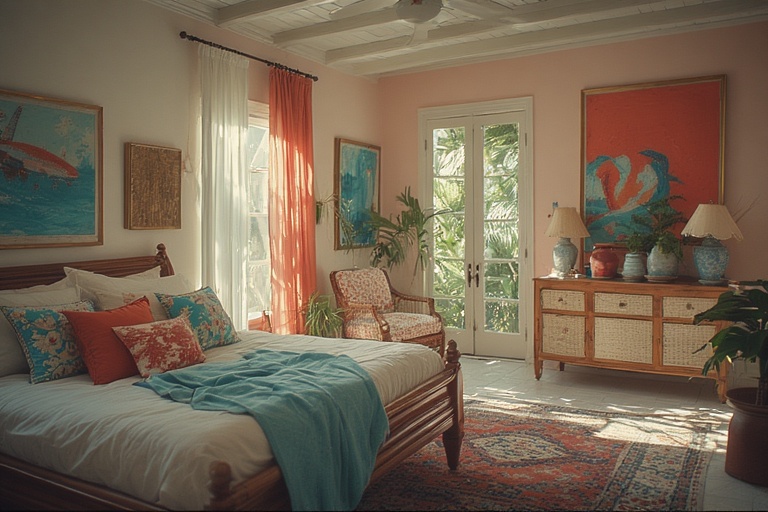
The primary goal of incorporating windows in a bedroom is to facilitate a cooler sleep environment, which is essential for promoting restorative rest and overall well-being. Adequate ventilation helps regulate temperature, allowing for a consistent influx of fresh air that can lower indoor heat levels, especially during warmer months. By strategically positioning windows, homeowners can harness natural breezes and encourage airflow that mitigates the buildup of heat, particularly during the night when the body’s temperature naturally drops in preparation for sleep. This interplay of outdoor air and indoor climate not only fosters a more comfortable sleeping atmosphere but also contributes to improved sleep quality, which is vital for cognitive function, emotional health, and physical performance.
In addition to temperature control, well-designed bedroom windows play a significant role in ensuring a quiet airflow at night. The strategic placement and type of windows can greatly influence the acoustics of a room, allowing for peaceful ventilation that minimizes disruptive noise from outside. For instance, double-glazed windows can effectively reduce sound transmission while still permitting the flow of fresh air. This balance is crucial for creating an oasis of tranquility in which individuals can unwind after a long day. Ultimately, the thoughtful integration of windows in a bedroom not only enhances comfort through cooler temperatures but also promotes a serene environment conducive to restful sleep, fostering an overall sense of well-being.
Window strategy
- Always give bedrooms two ventilation paths:
- a primary window + a secondary opening (another window, high vent, or transom).
- Prefer:
- Louvers for night ventilation and rainy nights
- Awning windows for bathrooms/closets attached to bedrooms
- Add insect screens that don’t choke airflow.
Shading strategy
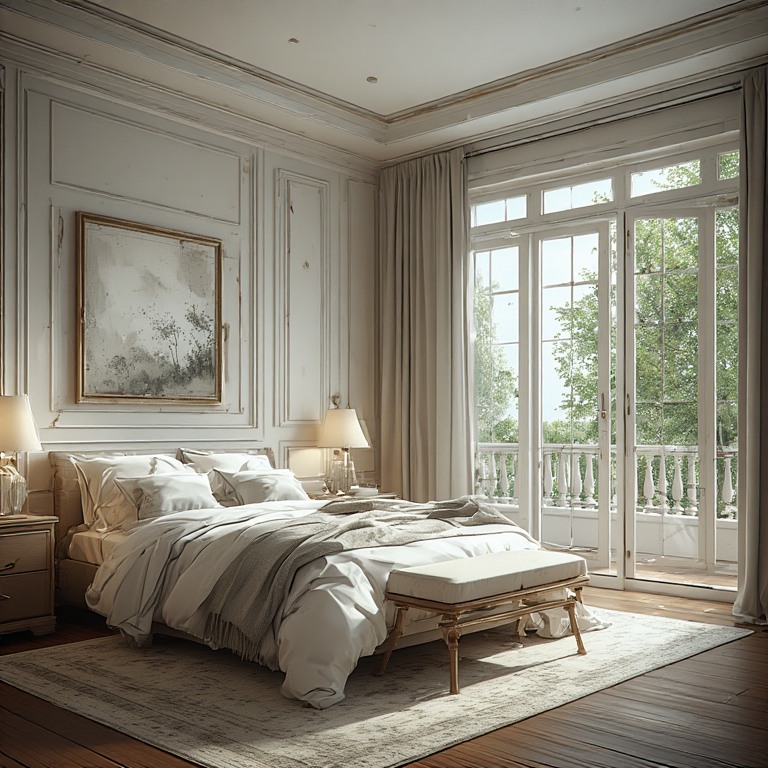
- East-facing bedroom windows need morning control: eaves + light external blinds.
- West-facing bedrooms need serious defense:
- exterior shutters OR
- a screened verandah buffer OR
- vertical fins + trees.
Comfort upgrade
Plan a high vent or transom above the door for heat release when doors are closed.
3) Kitchen
Goal: remove heat, steam, odors fast
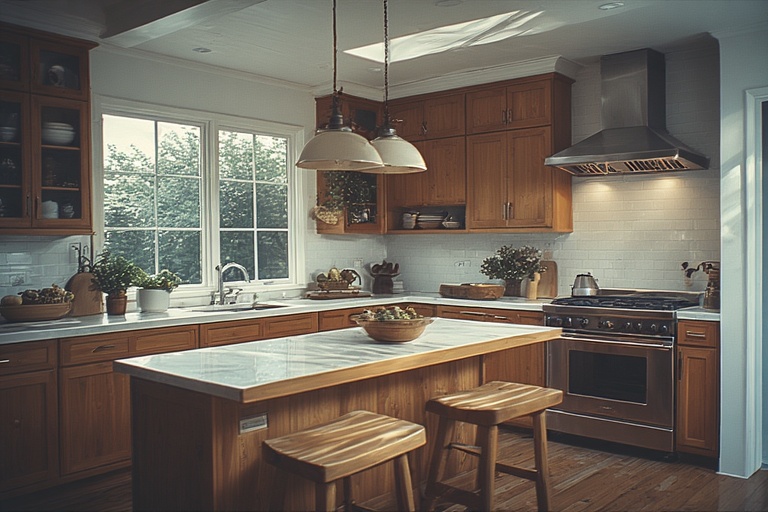
The primary goal of incorporating windows into a kitchen space is to enhance ventilation and improve air quality by effectively removing heat, steam, and odors that result from cooking activities. In a bustling kitchen environment, where a variety of culinary processes occur simultaneously, excessive heat and humidity can accumulate rapidly, creating an uncomfortable atmosphere for both the chef and any guests present. Windows serve as a natural means of ventilation, allowing fresh air to circulate and replace stale indoor air. This not only helps to regulate the temperature but also minimizes the buildup of steam and moisture, which can lead to issues such as mold growth and damage to cabinetry and surfaces over time. By strategically positioning windows, homeowners can create a more inviting and pleasant cooking environment.
Additionally, windows play a significant role in removing persistent cooking odors that can linger long after a meal has been prepared. Odors from frying, baking, and other cooking methods can permeate kitchen fabrics and furnishings, leaving an unpleasant scent that may detract from the overall enjoyment of the home. By allowing for proper airflow, windows can help dissipate these odors quickly, maintaining a fresh and clean ambiance. Furthermore, incorporating operable windows or those with screens can provide homeowners with the flexibility to adjust ventilation according to their specific needs, whether it be during high-heat cooking sessions or when preparing aromatic dishes. Overall, the inclusion of windows in kitchen design is not merely aesthetic; it is a functional necessity that contributes to a healthier and more comfortable cooking space.
Window strategy
- Prioritize exhaust + cross ventilation:
- operable window near cooking zone
- second opening opposite if possible
- Use awning windows (rain-safe) or louvers.
- Place windows to pull air across the workspace, not into your face.
Shading strategy
- Shade the kitchen wall heavily—kitchens generate their own heat.
- If budget allows: a small covered service porch or “wet kitchen” extension.
Important
Don’t rely on one window. Kitchens need a clear airflow path out.
4) Bathrooms / Toilets
Goal: prevent mold, protect finishes, keep it dry
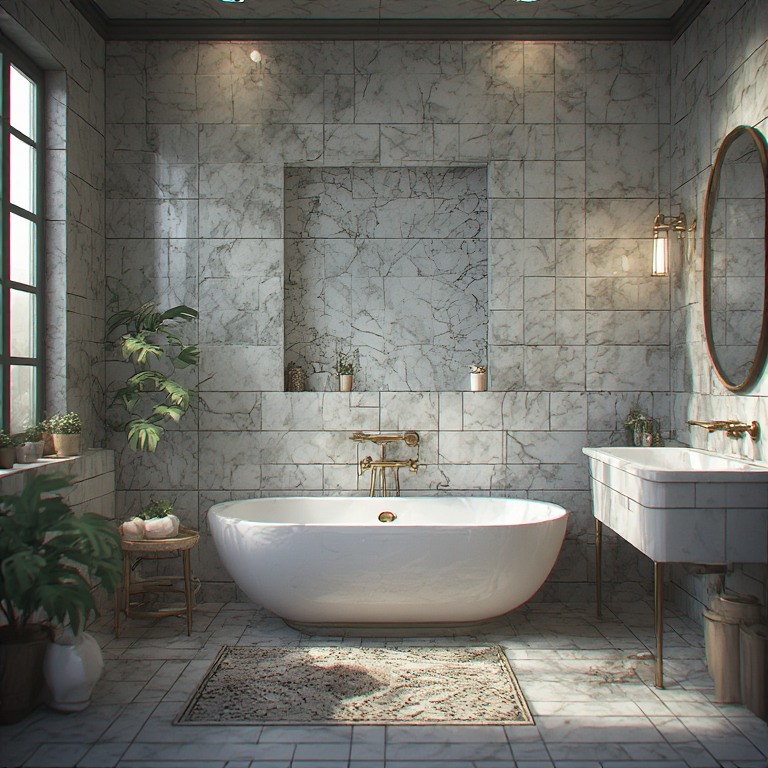
The primary goal of incorporating windows in bathrooms and toilets is to effectively prevent the accumulation of mold, a common issue in these high-moisture environments. Mold thrives in damp, poorly ventilated spaces, making bathrooms particularly vulnerable due to their frequent usage of water for showers, baths, and sinks. By installing windows, homeowners can facilitate natural ventilation, allowing for the influx of fresh air and the expulsion of humid air. This exchange is crucial in maintaining an optimal level of humidity, thus significantly reducing the likelihood of mold growth. Furthermore, the presence of natural light from windows can enhance visibility and create a more inviting atmosphere, contributing to the overall comfort and aesthetic appeal of the space.
In addition to mold prevention, windows play a vital role in protecting various finishes and materials commonly found in bathrooms and toilets. High humidity levels can lead to the deterioration of paint, wood, and other finishes over time, resulting in costly repairs and replacements. By ensuring proper ventilation through windows, homeowners can help preserve the integrity of these materials, extending their lifespan and maintaining the overall appearance of the room. Moreover, keeping the bathroom dry is essential not only for hygiene but also for the functionality of fixtures and fittings. Adequate airflow facilitated by windows helps to dry surfaces more quickly, preventing water damage and the formation of unsightly stains. Consequently, the incorporation of windows in these spaces serves to enhance both the durability and aesthetic longevity of the bathroom environment.
Window strategy
- Use awning windows or louvers (you want ventilation even during rain).
- Include a high vent if possible.
- Always include an exhaust fan as backup (especially for internal bathrooms).
Shading strategy
- Bathrooms don’t need huge shade structures—just keep openings protected by eaves.
- Use frosted louvers or privacy screens rather than closing windows.
Red flag
A bathroom that smells damp is a ventilation failure, not a cleaning problem.
5) Dining Room
Goal: soft daylight + comfortable gatherings
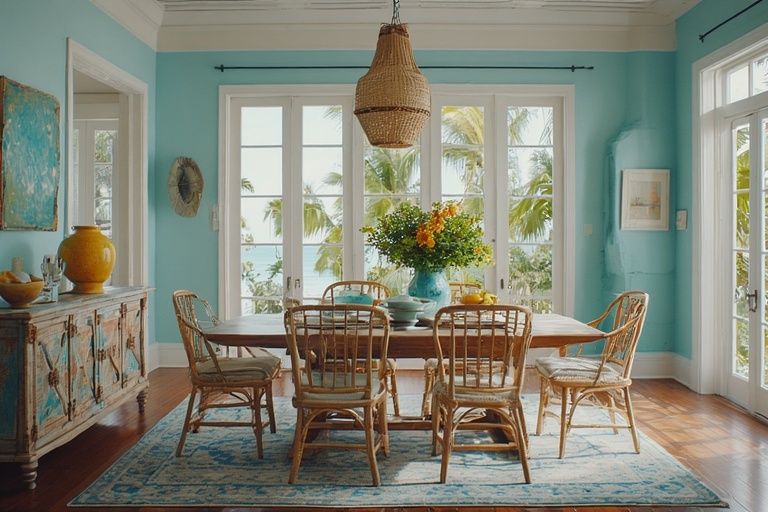
The primary goal of incorporating windows into a dining room design is to facilitate the entry of soft, natural daylight, which plays a pivotal role in creating a warm and inviting atmosphere. By strategically positioning windows to maximize exposure to sunlight, the dining area can be transformed into a bright and airy space that enhances the overall dining experience. Soft daylight not only highlights the textures and colors of the room’s decor but also fosters a sense of connection with the outside environment, making meals more enjoyable. Furthermore, the gentle illumination provided by natural light is known to positively affect mood and well-being, encouraging relaxation and conversation among guests.
In addition to promoting the benefits of natural light, the design of windows in a dining room should also prioritize the creation of comfortable gatherings. This can be achieved through the incorporation of various window styles, such as large picture windows or sliding glass doors, which can open up the space to a patio or garden. By blurring the boundaries between indoors and outdoors, these features provide an expansive view and an inviting ambiance that encourages social interaction. Moreover, the strategic use of window treatments, such as sheer curtains or adjustable blinds, allows for control over the amount of light entering the room, ensuring that guests remain comfortable regardless of the time of day. Ultimately, the thoughtful integration of windows serves to create a harmonious balance of light and comfort, perfect for hosting memorable dining experiences.
Window strategy
- Dining loves “calm cross-breeze”—not strong gusts.
- Use taller operable windows or louvers with adjustable angle.
Shading strategy
- Best: dining that opens to a covered verandah or shaded garden side.
- Use eaves + filtered shade (pergola or trees) for glare control.
6) Home Office / Study
Goal: daylight without glare + steady airflow
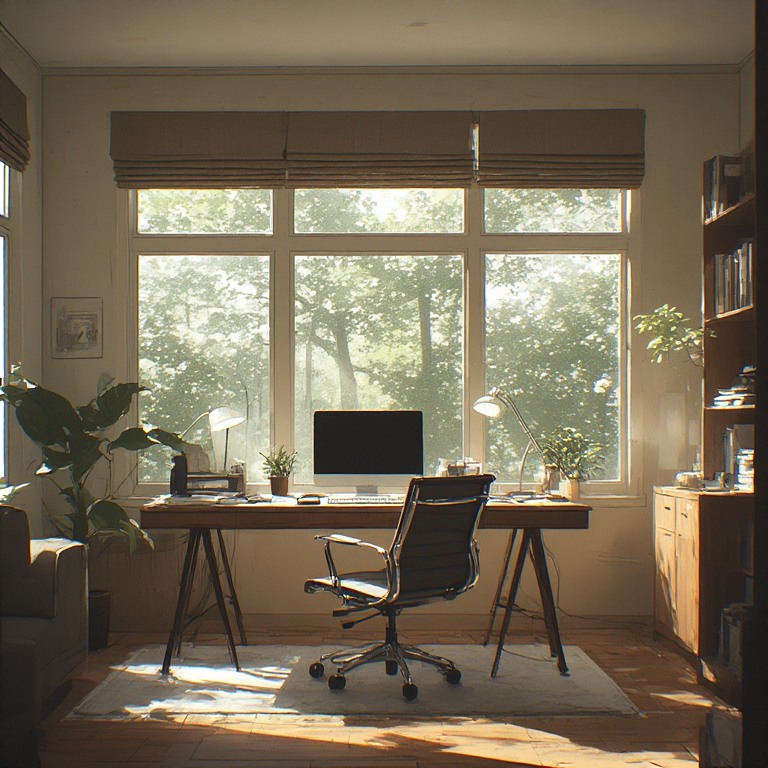
he design and placement of windows in a home office or study play a crucial role in creating an environment conducive to productivity and focus. One of the primary goals of incorporating windows in this setting is to maximize the amount of natural daylight that enters the space while minimizing glare. Natural light has been shown to enhance mood, reduce eye strain, and increase overall productivity. To achieve this balance, careful consideration should be given to the orientation of the windows, the use of window treatments, and the selection of glass that can filter harsh sunlight without obstructing the beneficial aspects of daylight. Strategically positioned windows, perhaps with the aid of awnings or shades, can help to diffuse direct sunlight and maintain a well-lit yet comfortable workspace.
In addition to optimizing daylight, ensuring a steady airflow is another essential objective for windows in a home office or study. Good ventilation not only helps in maintaining a comfortable temperature throughout the day but also contributes to better air quality, which is vital for cognitive function and overall well-being. By incorporating operable windows or even advanced ventilation systems, homeowners can create an environment that allows for the circulation of fresh air, thereby reducing feelings of stagnation that often accompany long hours of work. This combination of natural light and airflow not only enhances the physical comfort of the space but also fosters a stimulating atmosphere that encourages creativity and focus, ultimately leading to greater productivity in a home office or study setting.
Window strategy
- Place windows for side lighting, not direct sun on screen.
- Use casements for controllable airflow, plus a smaller secondary opening.
- Avoid west-facing glazing unless heavily shaded.
Shading strategy
- Use external shading you can adjust:
- shutters
- sliding screens
- external louvers
Pro tip
If you need blinds closed most of the day, the window is oversized or unshaded.
7) Laundry / Utility Room
Goal: dry fast, reduce humidity, prevent mildew
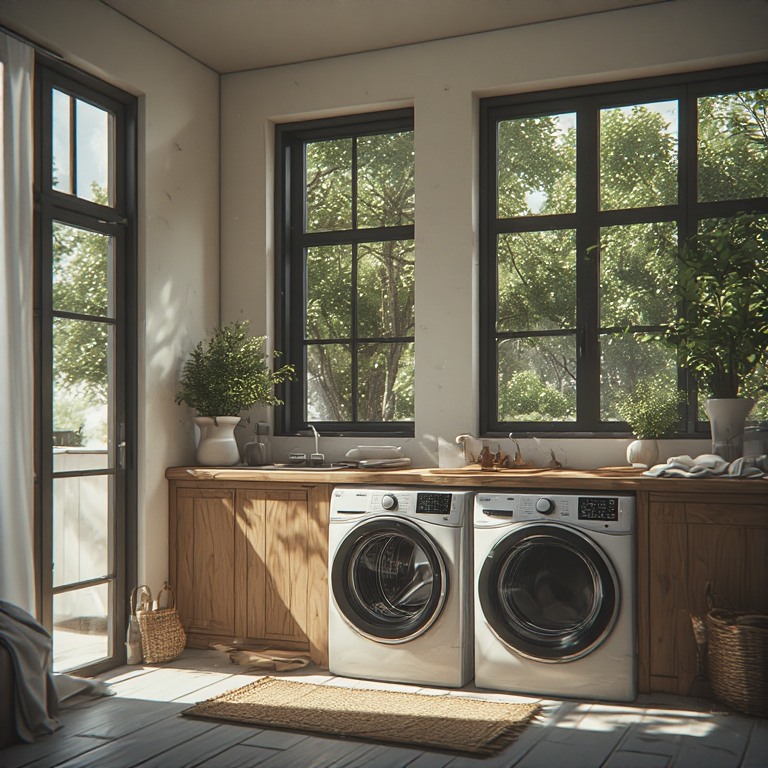
The primary goal of incorporating windows into a laundry environment is to facilitate rapid drying of laundered items while simultaneously managing humidity levels. Proper ventilation is crucial in a laundry space, as it allows moisture-laden air to escape, minimizing the time it takes for fabrics to dry. When windows are strategically placed to optimize airflow, they can significantly enhance the drying process, thereby reducing reliance on energy-intensive dryers. This natural method not only conserves energy but also contributes to a more sustainable approach to laundry care. By promoting adequate air circulation, windows can help maintain an ideal indoor climate that is conducive to the efficient drying of clothing and linens.
In addition to expediting drying times, windows play a vital role in preventing the growth of mildew and mold, which thrive in damp environments. Excess humidity can lead to unpleasant odors and potential health hazards, making it imperative to control moisture levels effectively. By allowing fresh air to flow into the laundry room and enabling humid air to escape, windows create a buffer against the conditions that encourage mildew proliferation. Furthermore, the presence of natural light from windows can enhance the overall atmosphere of the laundry space, making it a more pleasant environment for users. Thus, the thoughtful integration of windows is essential not only for improving functionality and efficiency but also for promoting a healthier and more enjoyable laundry experience.
Window strategy
- Use louvers or high vents for constant airflow.
- Add a high-level opening to dump hot humid air.
- Keep it simple and durable.
Shading strategy
- Basic eaves are usually enough.
- If laundry is outdoors, use a covered drying area that still catches breeze.
8) Hallways, Stairwells & Landings
Goal: exhaust hot air + keep the house breathing
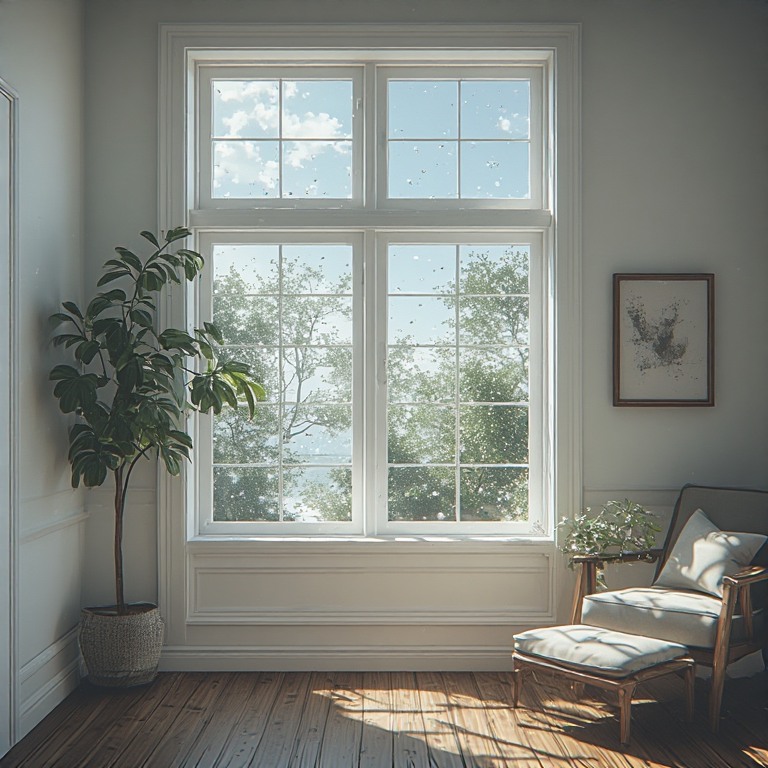
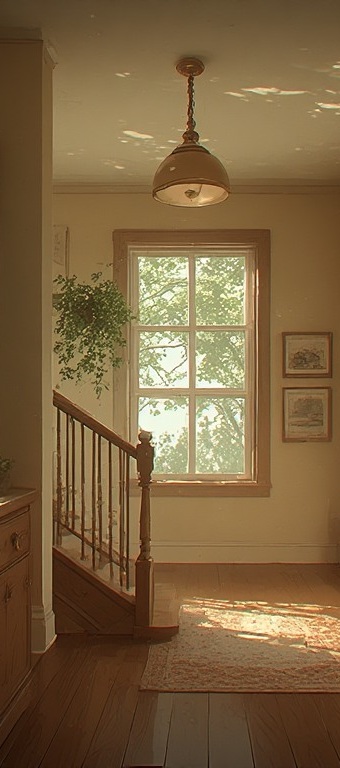
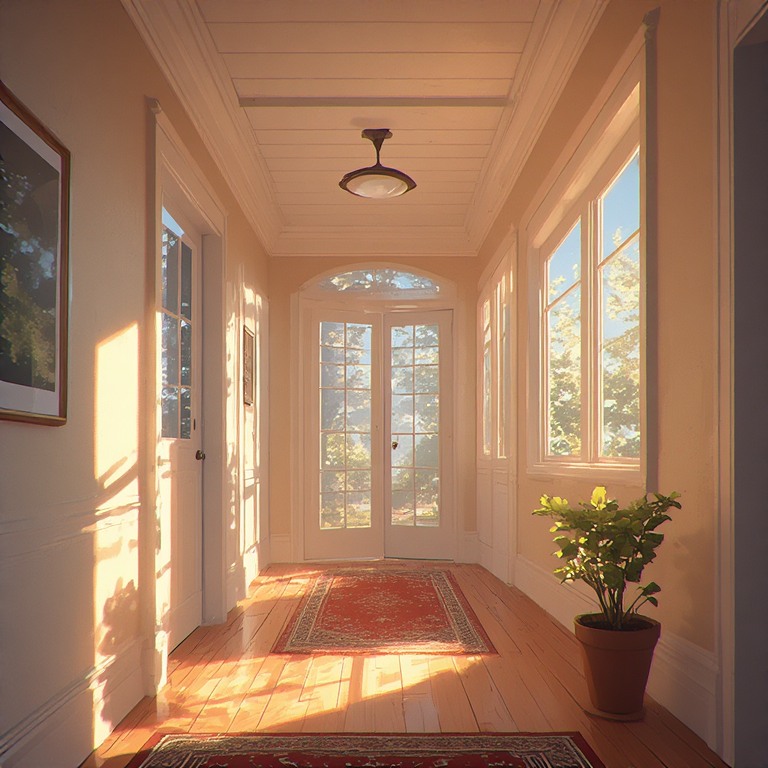
The installation of windows in hallways, stairways, and landings serves a dual purpose that is crucial for maintaining a comfortable and healthy indoor environment. First and foremost, these strategically placed windows are instrumental in the effective management of indoor temperatures. By allowing hot air to escape, particularly during warmer months, they help to mitigate the buildup of heat that can occur in enclosed spaces. This natural ventilation not only enhances thermal comfort but also reduces the need for artificial cooling systems, thus contributing to energy efficiency and lower utility bills. Furthermore, the design of these windows can facilitate cross-ventilation, which is essential for creating a continuous flow of fresh air throughout the home.
In addition to regulating temperature, these windows play a vital role in ensuring that the house “breathes.” Proper ventilation is essential for maintaining indoor air quality by allowing stale air, humidity, and potentially harmful pollutants to exit the living space. This is particularly important in areas such as hallways and stairways, which often serve as transitional spaces between different rooms and can accumulate stagnant air. By incorporating windows into these areas, homeowners can foster a healthier living environment, reduce the risk of mold growth, and enhance overall well-being. Thus, the thoughtful placement of windows not only contributes to aesthetic appeal but also serves as a crucial component in the efficient functioning of a modern home.
Window strategy
- Add high vents or small windows near stairwells.
- Use louvered transoms above doors where possible.
- Think of stairwells as chimneys for hot air.
Shading strategy
- Minimal—just protect openings from rain.
- The value here is ventilation, not view.
9) Verandah / Gallery / Outdoor Living
Goal: shade buffer + rain-friendly living
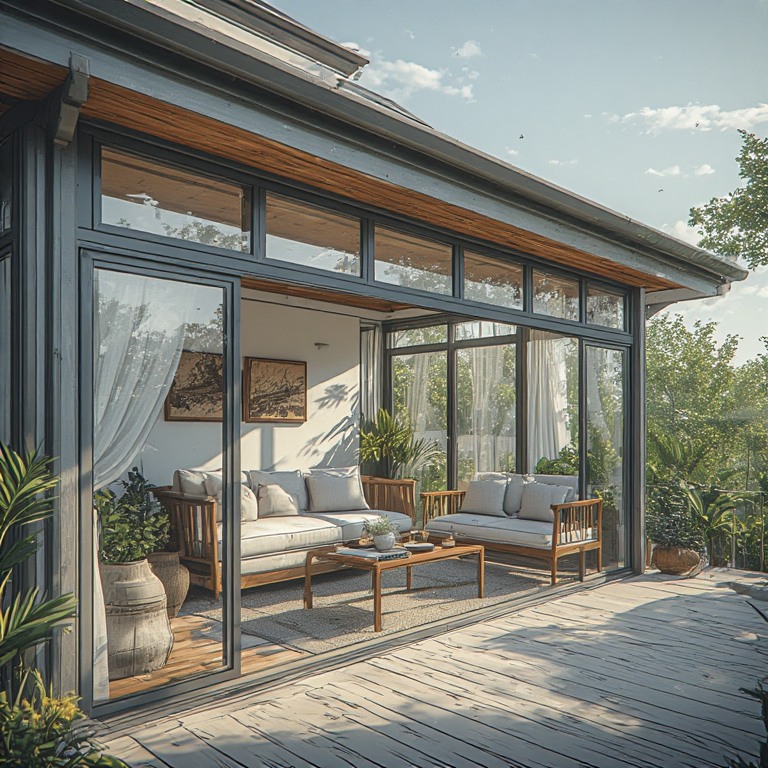
The incorporation of windows in a verandah serves multiple purposes that significantly enhance the overall functionality and aesthetic appeal of outdoor living spaces. One of the primary goals is to create a shade buffer that effectively mitigates the harshness of direct sunlight. By utilizing strategically placed windows, homeowners can enjoy natural light while minimizing glare and heat, thus fostering a comfortable environment for relaxation and social gatherings. This thoughtful design not only extends the usability of the verandah during peak sunlight hours but also encourages a seamless transition between indoor and outdoor spaces, promoting a lifestyle that embraces nature while maintaining a sense of refuge.
In addition to providing shade, these windows contribute to a rain-friendly living experience, making the verandah a versatile area that can be enjoyed in various weather conditions. The careful selection of window types—such as operable casement or sliding models—ensures adequate ventilation while protecting occupants from inclement weather. This adaptability allows for year-round enjoyment, whether it’s a breezy summer evening or a rainy afternoon. Furthermore, the design can incorporate weather-resistant materials and finishes that enhance durability while complementing the surrounding environment. Ultimately, the integration of windows into a verandah not only elevates the aesthetic charm of the space but also significantly enhances its practicality, ensuring that outdoor living areas remain welcoming and functional throughout the changing seasons.
Window strategy
- This space is your shading system.
- If it’s screened, it becomes a mosquito-safe “living extension.”
Shading strategy
- Deep roof (8–12 ft is common for true usability)
- Combine with vegetation for cooler microclimate.
Why it matters
A good verandah reduces indoor heat load dramatically and makes the whole home feel calmer.
Orientation Rules (Simple, Powerful)
Orientation plays a crucial role in building design, particularly when it comes to managing sunlight and optimizing energy efficiency. One of the simplest yet most powerful rules to remember is that the western sun is often the enemy, as it can lead to excessive heat gain in buildings during the late afternoon. To combat this, shading west-facing walls should be a priority; they are typically the hardest hit by the sun. Conversely, large openings on north and south faces are more favorable, as these orientations experience more manageable sun angles throughout the day. If altering the building’s orientation is not feasible, increasing external shading layers becomes essential. This approach can significantly mitigate the impact of direct sunlight, ultimately enhancing comfort and reducing cooling costs.

A room is well-designed if:
✔ You can keep windows open during light rain
✔ You don’t need curtains closed for heat control
✔ Two openings allow air to enter and exit
✔ No room smells damp after a rainy week
✔ The hottest time (1–4pm) is tolerable without AC
In conclusion, implementing a comprehensive window and shading strategy tailored for Caribbean homes can significantly enhance indoor comfort while minimizing reliance on air conditioning. By thoughtfully considering each room’s specific needs and utilizing materials that withstand the region’s unique climate conditions, homeowners can achieve a harmonious balance between aesthetic appeal and functional efficiency. This approach not only promotes sustainability through reduced energy consumption but also extends the longevity of building materials, ensuring that homes remain resilient against the challenges posed by humidity and rain. Ultimately, a well-executed window and shading strategy offers a pathway to creating inviting, cool, and environmentally conscious living spaces in the Caribbean.