
When constructing homes in Caribbean and tropical coastal regions, the choice of building materials is paramount. The unique environmental challenges posed by these areas—including high humidity, salt-laden air, and intense tropical storms—demand careful consideration of material properties to ensure durability, resilience, and sustainability. Selecting the right materials not only impacts the structural integrity of the home but also influences its energy efficiency and long-term maintenance costs.
In this article we present a clear, homeowner-focused material guide for humid climates (Caribbean, tropical coastal, rainforest zones). we’ll name the materials, explain what properties make them ideal, and note where they’re best used—so you understand why they work, not just what to buy.
The Core Principle (Everything Flows From This)
Humidity doesn’t destroy buildings — trapped moisture does. Ideal materials for humid climates: do not rot, do not rust easily, do not trap moisture, dry quickly after rain and resist mold, insects, and salt in the air. Here are the best building materials.
1. STRUCTURAL & WALL MATERIALS
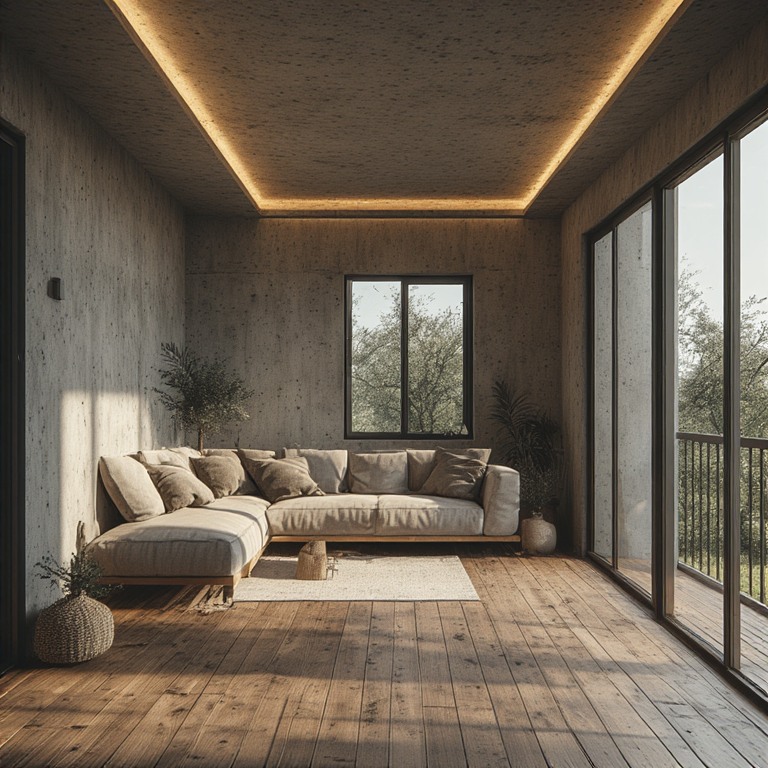
Reinforced concrete (RC) is a highly effective structural material used extensively in foundations, columns, beams, and slabs. Its inorganic composition makes it resistant to rot and mold, ensuring longevity and durability in various environmental conditions. One of the standout features of RC is its high thermal mass, which contributes to maintaining stable indoor temperatures, thereby enhancing energy efficiency. Additionally, its robust nature makes it particularly suitable for regions prone to hurricanes and earthquakes, providing structural resilience during extreme weather events. With a lifespan ranging from 50 to 100 years, properly detailed reinforced concrete structures remain largely unaffected by moisture, solidifying its status as an ideal choice for construction.
Concrete Masonry Blocks (CMU)
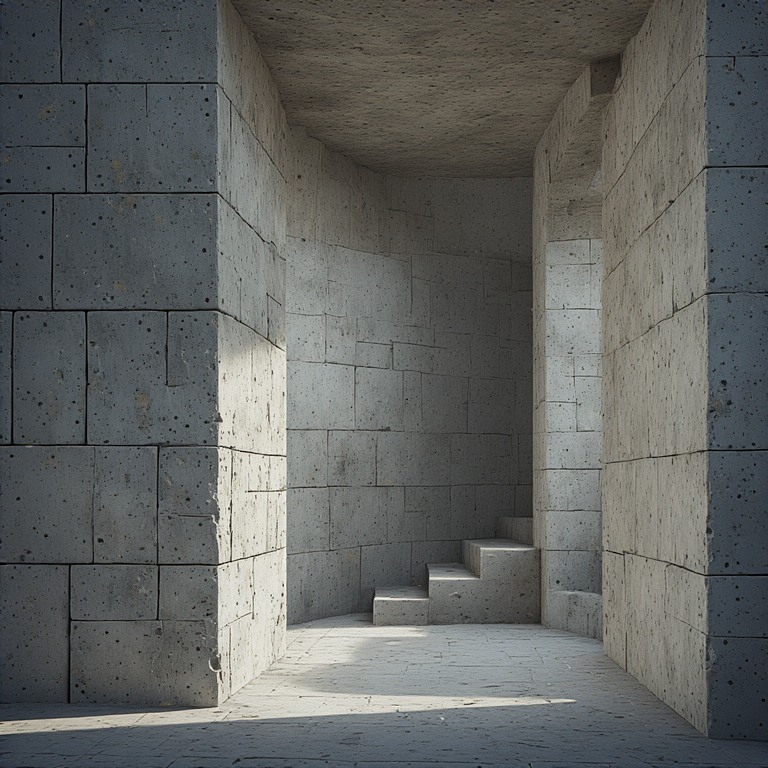
Concrete masonry blocks (CMU) are a preferred choice for wall construction due to their numerous advantages. These blocks are highly resistant to insects and humidity, making them an ideal option for maintaining structural integrity in various environments. Additionally, CMUs are easy to reinforce internally, providing flexibility and strength to the overall construction. Their widespread availability and ease of repair further enhance their appeal, ensuring that maintenance does not become a daunting task. To optimize the performance of CMU walls, it is best to pair them with breathable plaster, such as lime or cement-lime, which allows for moisture regulation while protecting the integrity of the structure.
Lime Plaster / Mineral Plaster.
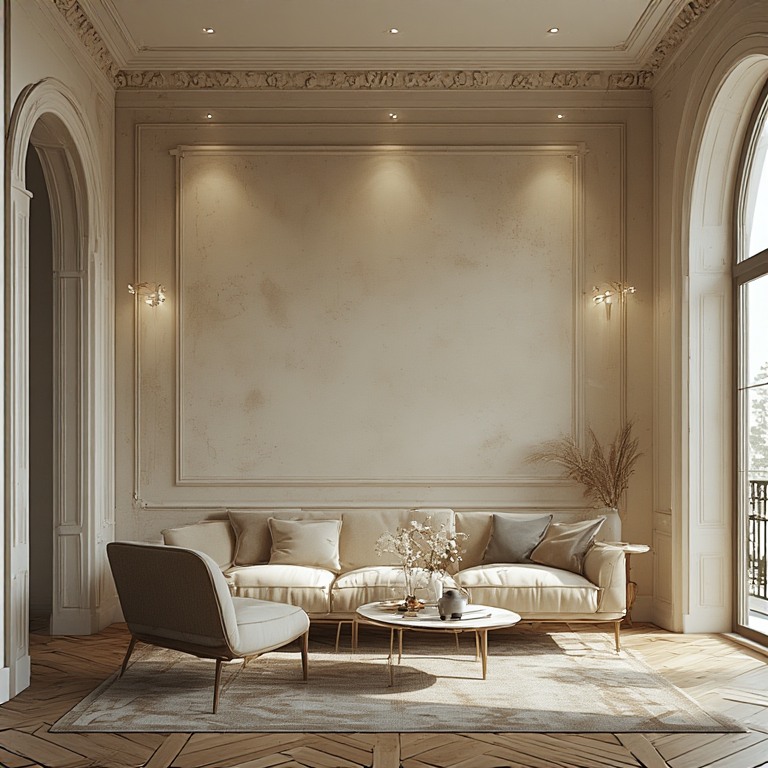
Lime plaster, also known as mineral plaster, is an exceptional choice for wall finishes due to its numerous benefits. It is specifically designed to be breathable, allowing moisture vapor to escape rather than becoming trapped within the walls. This unique property not only helps maintain a healthier indoor environment but also plays a crucial role in preventing mold growth, which can be detrimental to both buildings and occupants. Additionally, lime plaster possesses a remarkable ability to self-heal hairline cracks, further enhancing its durability and longevity. By managing moisture effectively, lime plaster stands out as a superior material for sustainable and resilient construction.
TIMBER & NATURAL MATERIALS (WHEN USED CORRECTLY)
When it comes to construction and design, the use of timber and natural materials can yield tremendous benefits, especially when utilized correctly. Tropical hardwoods such as teak, mora, greenheart, and ipe are exemplary choices for various applications, including framing, doors, shutters, and flooring. These woods are naturally resistant to insects, thanks to their dense fibers, which also serve to resist moisture penetration effectively. Additionally, their flexibility makes them an excellent option for earthquake-prone areas, providing structural integrity during seismic events. However, it is crucial to adhere to specific guidelines for optimal performance; these materials must be elevated off the ground and well-ventilated to ensure longevity and maintain their desirable properties.
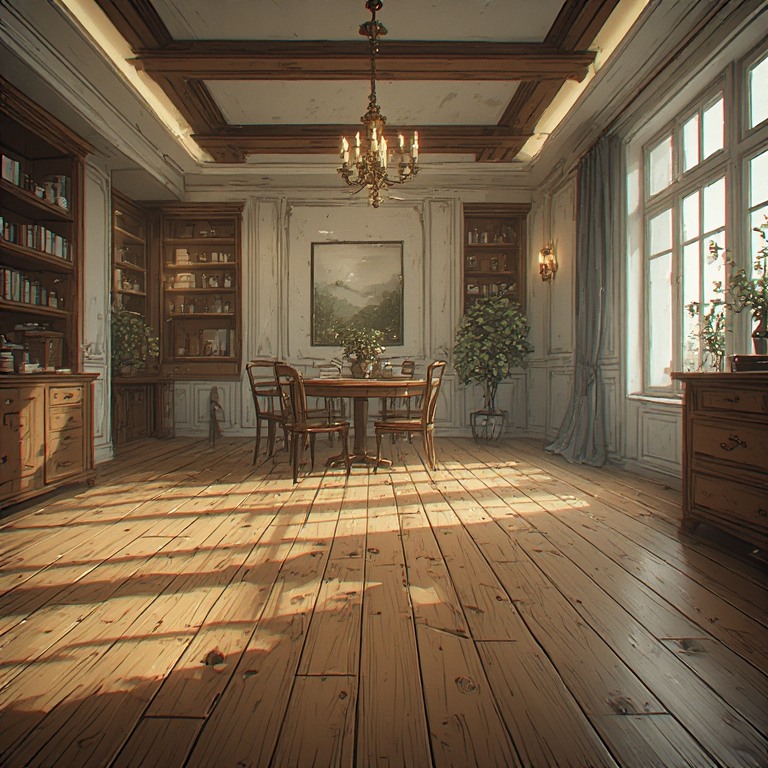
Timber and natural materials, when utilized correctly, offer numerous advantages in construction, particularly when it comes to pressure-treated timber. This versatile material is commonly used in roof framing, battens, and decks due to its lightweight nature and adaptability. The chemical treatment applied to pressure-treated timber significantly enhances its durability, making it resistant to termites and rot, which is crucial for maintaining structural integrity over time. Additionally, repairs are straightforward, allowing for easy maintenance and longevity of the construction. However, it is essential to avoid using untreated softwood in enclosed humid spaces, as it is more susceptible to damage from moisture and pests. By strategically applying pressure-treated timber in appropriate areas, builders can ensure both functionality and durability in their projects.
3. ROOFING MATERIALS (MOST IMPORTANT IN HUMID CLIMATES)
Metal Roofing
When it comes to roofing materials, particularly in humid environments, metal roofing stands out as an exceptional choice. Available in galvanized, aluminum, or standing seam varieties, metal roofs are specifically designed to excel in challenging weather conditions. One of their most significant advantages is their ability to dry instantly after rain, which helps prevent moisture-related issues such as mold and rot. This quick drying capability, combined with their lightweight nature, reduces the load during hurricanes, making them a safer option for areas prone to severe weather. Additionally, metal roofing reflects solar heat, contributing to energy efficiency in homes. Overall, these key properties make metal roofing an ideal solution for both durability and performance in humid climates.
Reinforced Concrete roof slabs
When it comes to roofing materials, particularly in humid climates, reinforced concrete roof slabs emerge as a superior choice, especially for flat roofs. These slabs offer remarkable advantages, making them highly suitable for regions prone to severe weather conditions. One of the primary benefits is their immunity to wind uplift, ensuring stability and safety during storms. Additionally, reinforced concrete is fire-resistant, providing an added layer of protection against potential fire hazards. Its durability in salt air makes it an ideal option for coastal areas, where corrosion can be a significant concern. However, it is crucial that these roof slabs are insulated and waterproofed correctly to prevent any moisture-related issues, ensuring their longevity and effectiveness.
4. WINDOWS, DOORS & OPENINGS
Powder-coated Aluminum
Windows, doors, and openings play a crucial role in building design and functionality, and using powder-coated aluminum is an excellent choice for these elements. This material is particularly advantageous for applications such as windows, doors, and louvers due to its remarkable durability and resistance to common issues like rot and corrosion. When coated, powder-coated aluminum requires minimal maintenance, making it an ideal option for homeowners and builders alike. Its superior resilience makes it especially suitable for jalousie and louver systems in humid zones, where traditional materials might struggle. Ultimately, powder-coated aluminum enhances the longevity and performance of windows and doors in various environments.
PVC (Polyvinyl Chloride)
When considering windows and doors for homes in the Caribbean, PVC (Polyvinyl Chloride) emerges as an excellent choice. The unique climate of the region, characterized by high humidity and exposure to salt air, necessitates building materials that can withstand these conditions. PVC windows and doors offer exceptional resistance to corrosion, making them ideal for coastal environments. Additionally, they are energy-efficient, helping to maintain comfortable indoor temperatures while reducing reliance on air conditioning. Their durability ensures minimal maintenance over time, as they do not require painting or sealing, which is a significant advantage in a tropical climate. Furthermore, PVC products are available in a variety of styles and colors, allowing homeowners to achieve their desired aesthetic without sacrificing functionality. This combination of resilience, energy efficiency, and aesthetic versatility makes PVC windows and doors a smart investment for Caribbean homeowners.
When considering the best options for doors in a building, hardwood exterior doors emerge as a strong choice, particularly when they are properly protected. One of the primary reasons for this preference is their durability; when sealed correctly, hardwood doors can withstand the elements and remain functional for many years. Additionally, their performance is enhanced by deep eaves, which help shield the doors from direct exposure to rain and sun, further extending their lifespan. Another significant advantage of hardwood exterior doors is their ease of refinishing. Instead of requiring a complete replacement after years of use, these doors can be sanded down and repainted or stained, allowing homeowners to maintain their aesthetic appeal without the added cost and waste of installing a new door. Overall, hardwood exterior doors present a practical and sustainable solution for enhancing a building’s entrances while ensuring long-lasting performance.
5. FLOORING MATERIALS
Porcelain and Ceramic Tiles
Porcelain and ceramic tiles are exceptional flooring materials widely used in various areas of the home, including floors, bathrooms, and kitchens. Their popularity stems from several advantageous properties that make them an ideal choice for both functionality and aesthetics. One significant benefit is their zero moisture absorption, which helps prevent mold growth and makes them an excellent option for moisture-prone environments like bathrooms and kitchens. Additionally, these tiles remain cool underfoot, providing a comfortable walking surface, especially in warmer climates. Perhaps most importantly, porcelain and ceramic tiles are dimensionally stable in humidity, ensuring they maintain their shape and integrity over time. This combination of qualities not only enhances the durability and longevity of the flooring but also contributes to a clean and healthy living environment, making porcelain and ceramic tiles a preferred choice for homeowners and designers alike..
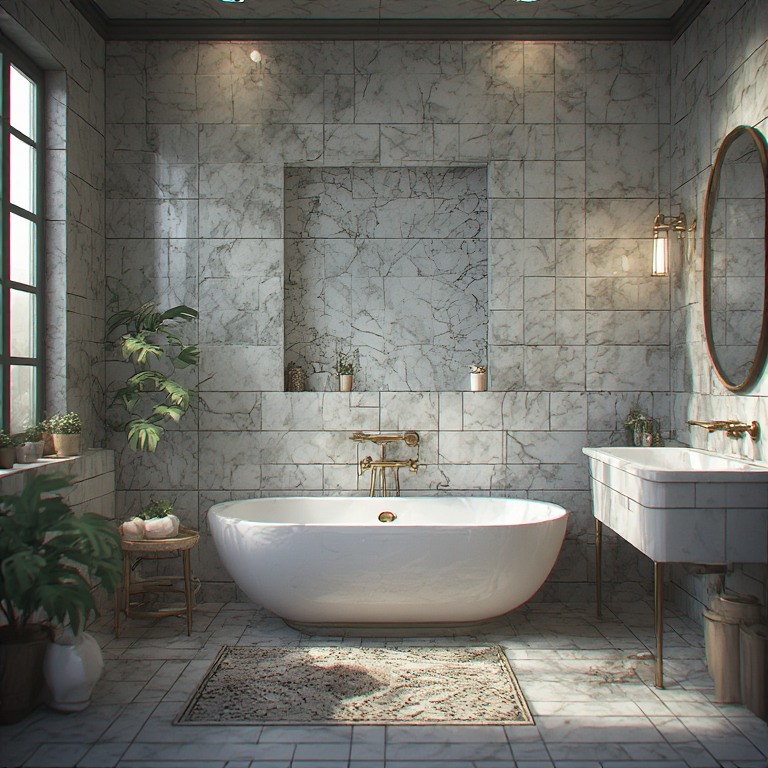
Polished Concrete and Terrazzo
When it comes to selecting flooring materials, polished concrete and terrazzo stand out as exceptional choices due to their numerous advantages. Both options are renowned for their extreme durability, making them ideal for high-traffic areas in residential and commercial spaces alike. Their impressive resilience ensures they can withstand heavy foot traffic and resist wear over time. Additionally, these materials are moisture-tolerant, which is particularly beneficial in environments prone to spills or humidity, as they help mitigate the risk of water damage and mold growth. Furthermore, polished concrete and terrazzo require minimal maintenance, offering a practical solution for those seeking a stylish yet low-maintenance flooring option. This combination of durability, moisture resistance, and ease of care makes polished concrete and terrazzo excellent investments in any flooring project.
Engineered Wood
When selecting flooring materials, engineered wood stands out as the superior choice, particularly those that are humidity-rated. The layered construction of engineered wood provides enhanced resistance to swelling and warping, making it more stable than traditional solid hardwood floors. This stability is especially beneficial in environments with fluctuating humidity levels, where solid hardwood can be prone to damage if not expertly installed and maintained. As such, it is advisable to avoid solid hardwood floors unless they are meticulously detailed and installed by professionals who understand the intricacies of wood flooring. Overall, engineered wood offers a practical, durable, and aesthetically pleasing alternative for modern spaces.
6. CEILINGS & INTERIOR PANELS
Cement Board and Fiber-Cement
Cement board and fiber-cement panels are increasingly popular choices for ceilings and interior applications, particularly in wet areas. These materials are designed to be mold-resistant, making them ideal for environments where moisture is a concern, such as bathrooms, kitchens, and basements. One of the primary advantages of using cement board and fiber-cement panels is their ability to handle condensation effectively, ensuring that surfaces remain dry and hygienic. Additionally, these panels exhibit excellent durability and do not sag in high humidity conditions, maintaining their structural integrity over time. This combination of benefits makes cement board and fiber-cement panels a reliable option for both residential and commercial spaces.
PVC Ceiling Panels
PVC ceiling panels are an excellent choice for interior spaces, offering numerous advantages that enhance both functionality and aesthetics. One of the primary reasons to opt for PVC panels is their waterproof nature, making them ideal for areas prone to moisture, such as kitchens and bathrooms. This waterproof quality ensures that the panels will not absorb water, which significantly reduces the risk of mold and rot—a common issue with traditional ceiling materials. Furthermore, PVC ceiling panels are incredibly easy to clean, allowing for hassle-free maintenance. With their durability and practicality, these panels contribute to a healthier living environment while providing a sleek, modern look.
Ventilated Timber Ceiling
Ventilated timber ceilings offer a unique combination of aesthetic appeal and functional performance, making them an excellent choice for various interior spaces. These ceilings are designed to be breathable, allowing for enhanced airflow that promotes a healthier indoor environment. The ventilation helps to mitigate moisture buildup, reducing the risk of mold and mildew, which can be detrimental to both the structure and the occupants. Additionally, the natural warmth and texture of timber add an inviting charm to any room, creating a cozy atmosphere. By integrating ventilated timber ceilings, homeowners can enjoy a stylish yet practical solution that enhances both comfort and air quality in their living spaces.
7. INSULATION (ONLY CERTAIN TYPES WORK)
When it comes to insulation, not all types are suitable for every application, particularly in roofing and above-slab installations. Rigid foam or closed-cell insulation is highly recommended for these areas due to its unique properties. This type of insulation does not absorb moisture, which is crucial in preventing mold and structural damage. Additionally, it boasts high thermal resistance, ensuring that energy efficiency is maximized within the building. Another advantage of rigid foam insulation is its ability to act as a vapor control layer, further enhancing its effectiveness. In contrast, fiberglass insulation should generally be avoided unless it is perfectly sealed, a scenario that is rarely achieved in practice.
8. FASTENERS & HARDWARE (SMALL BUT CRITICAL).
Fasteners and hardware, though often seen as small components, play a critical role in construction and manufacturing. Among these, stainless steel fasteners are particularly noteworthy due to their exceptional properties. One of the primary reasons for their widespread use is their highest corrosion resistance, making them an ideal choice for environments prone to moisture and salt exposure. This is especially vital near coastlines, where the combination of humidity and saline air can severely affect the longevity of metal components. By utilizing stainless steel fasteners, builders and manufacturers can ensure the durability and reliability of their projects, ultimately leading to better long-term performance and reduced maintenance costs.
Fasteners and hardware, though small components, play a critical role in construction and assembly. When selecting the right materials, hot-dip galvanized steel stands out as an excellent choice due to its thick zinc coating, which provides superior protection against corrosion. This robust coating ensures that the steel remains long-lasting, even in humid air, making it particularly suitable for outdoor applications or environments with high moisture levels. In contrast, electroplated fasteners should be avoided, as they feature a thin zinc coating that is prone to rapid rusting and deterioration. For reliability and durability, opting for hot-dip galvanized steel is essential for any project.
9. MATERIALS TO AVOID IN HUMID CLIMATES 🚫
When constructing or renovating spaces in humid climates, it is crucial to avoid certain materials that can trap moisture or degrade rapidly. For instance, MDF and particle board are prone to swelling and warping when exposed to humidity, making them unsuitable for such environments. Similarly, untreated softwood lacks the necessary resistance to moisture, leading to potential damage over time. Standard interior drywall should be avoided in wet areas, as it can absorb moisture and foster mold growth. Wallpaper, too, can retain moisture and peel away in humid conditions. Additionally, cheap laminates may not withstand the dampness, and steel without proper corrosion protection is susceptible to rust and deterioration. These materials trap moisture or degrade quickly.
QUICK MATERIAL–PROPERTY SUMMARY
| Material | Key Property | Homeowner Benefit |
|---|---|---|
| Concrete | Inorganic | No rot, no mold |
| Lime plaster | Breathable | Dry walls, less mold |
| Metal roofing | Fast drying | Leak & heat reduction |
| Tile floors | Non-absorbent | Cool, durable |
| Aluminum windows | Corrosion resistant | Low maintenance |
| Cement board | Mold resistant | Sag-free ceilings |
| Stainless fasteners | Rust-proof | Long-term safety |
The Homeowner Takeaway
In humid climates, the choice of materials is crucial for maintaining a comfortable and durable home. The best approach is to select materials that prioritize rapid drying rather than attempting to remain dry at all times. By opting for such materials, homeowners can significantly enhance their living environment. Not only will the home feel cooler and more comfortable, but it will also have improved air quality, leading to a more pleasant atmosphere that smells better. Furthermore, these materials are designed to withstand the challenges posed by humidity, resulting in increased longevity and reduced maintenance costs over time. Ultimately, making informed choices can lead to a more enjoyable and cost-effective homeownership experience.
MORE ARTICLES
-
Best Placement of Furniture in a Bedroom
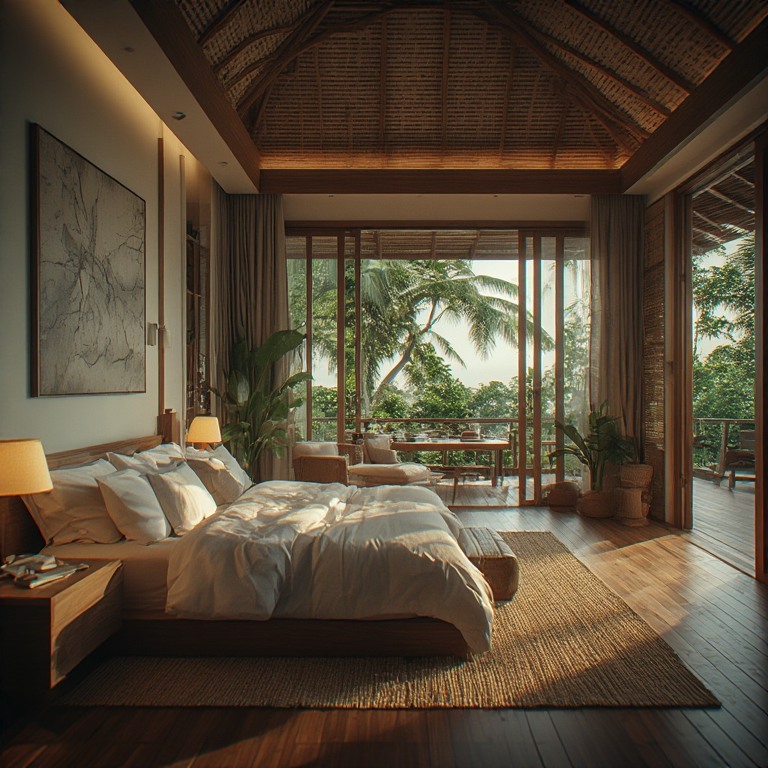
In the Caribbean (or any warm, naturally lit setting), a well-designed bedroom layout balances comfort, ventilation, privacy, and energy flow — blending practical furniture placement with emotional calm and feng shui awareness. Let’s break it down into clear, useful guidance 👇 1. The Goal of Bedroom Layout Design Your bedroom should: The golden rule: the…
-
Steps to Building an Outdoor Kitchen & Entertaining Area
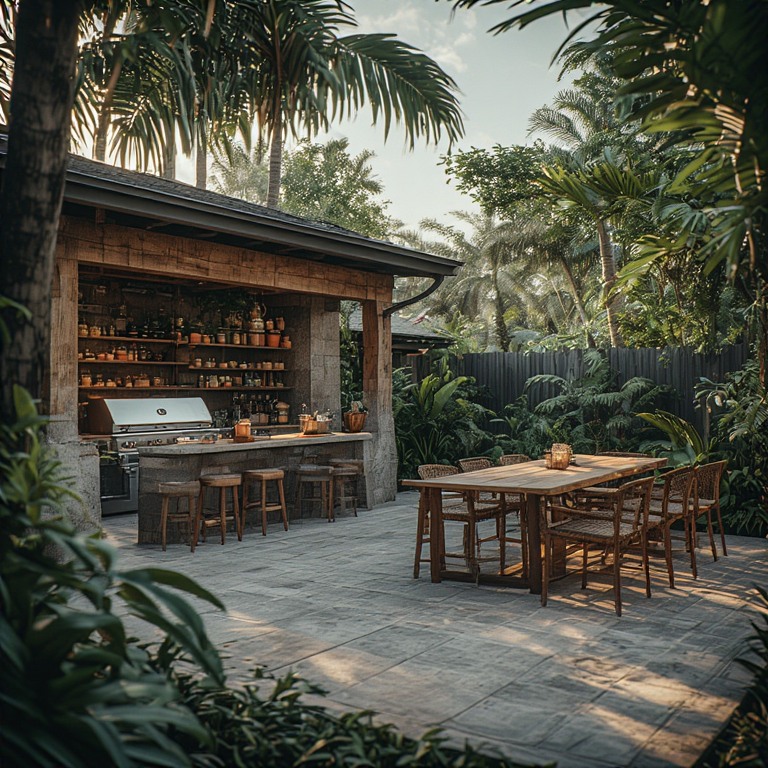
Creating an outdoor kitchen and entertaining area is an exciting endeavor that can transform your backyard into a functional extension of your home. This comprehensive guide aims to walk you through the essential steps required to design and build a space that is not only aesthetically pleasing but also practical and durable. From selecting the…
-
Verandas, Decks & Porches
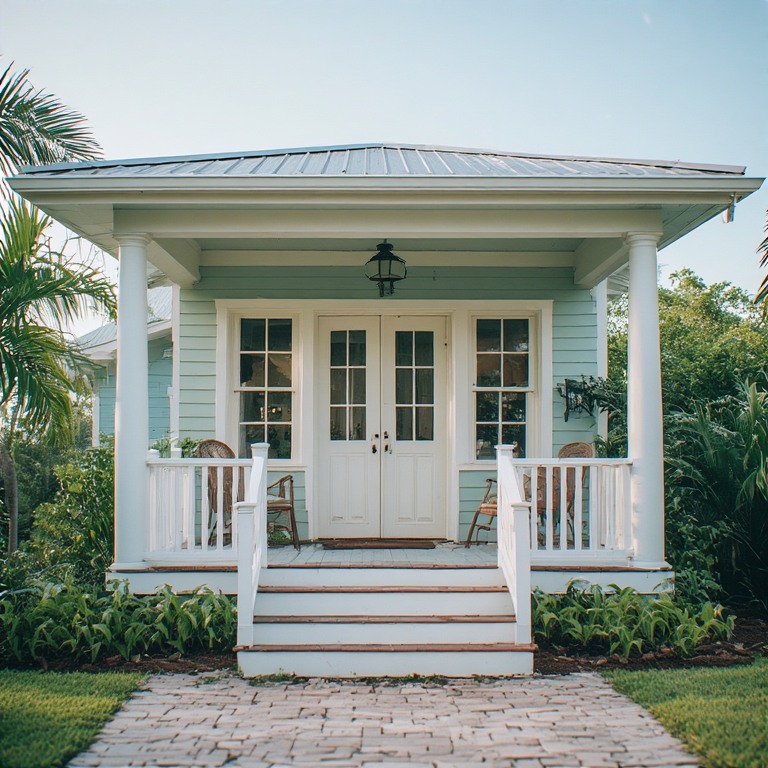
Verandas, decks, and porches aren’t “extras.” In warm and tropical climates especially, they are functional architecture that improves comfort, health, and how a home is lived in. In warm and tropical climates, these elements assume a critical role in enhancing the livability and functionality of residential environments. Beyond their aesthetic appeal, well-designed outdoor spaces serve…
-
Ideal Dimensions for Verandas, Decks, and Porches
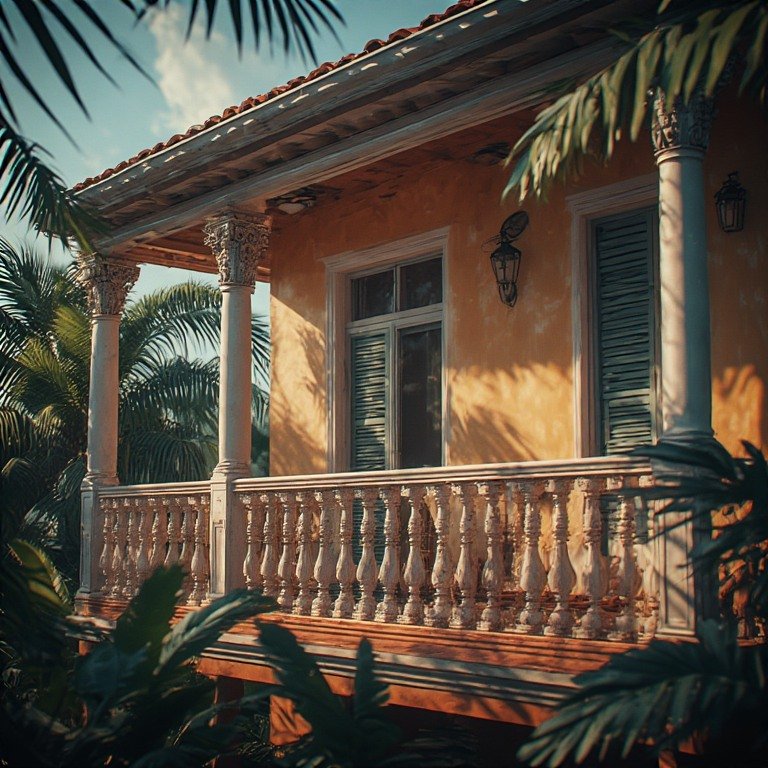
When verandas, decks, and porches feel right, it’s almost always because their dimensions respect human movement, furniture, climate, and proportion—not just code minimums. Below are practical, proven dimensions that work especially well in tropical and Caribbean contexts. Verandas (Covered outdoor living spaces) Ideal Depth (most important) 👉 Anything under 6 ft feels like a corridor,…
-
How to Plan a Home Office / Study Corner
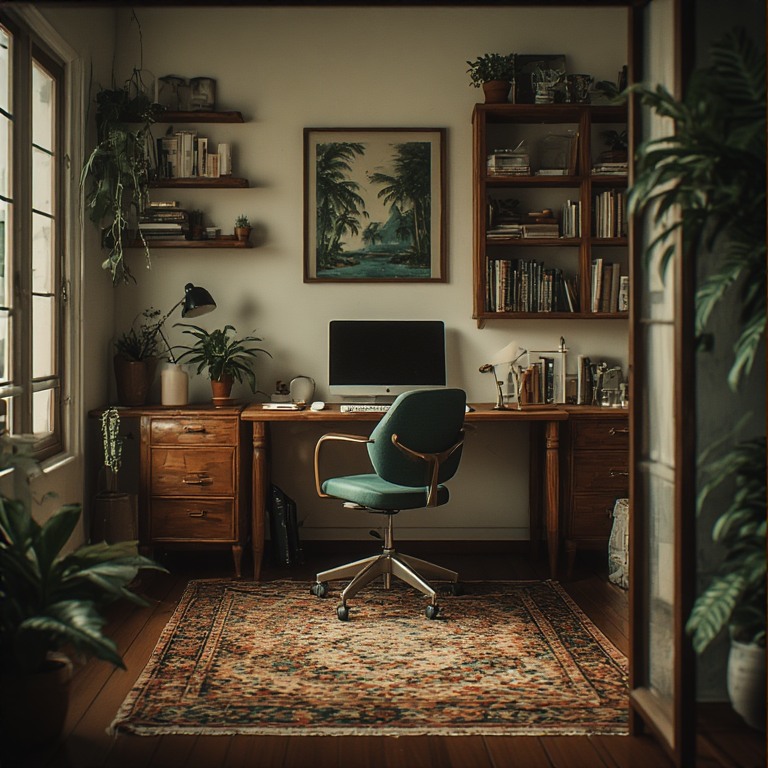
Planning a Home Office / Study Corner is about carving out a space that supports focus, comfort, and consistency—even if it’s small or shared. In tropical homes, heat, light, and noise matter just as much as furniture. Below is a practical planning guide, from first decisions to finishing touches. 1. Choose the Right Location (Before…