

Verandas, decks, and porches aren’t “extras.” In warm and tropical climates especially, they are functional architecture that improves comfort, health, and how a home is lived in. In warm and tropical climates, these elements assume a critical role in enhancing the livability and functionality of residential environments. Beyond their aesthetic appeal, well-designed outdoor spaces serve as vital transitions between indoor and outdoor life, providing essential shade, ventilation, and a connection to nature. They foster social interaction, encourage outdoor activities, and contribute to overall well-being. With increasing recognition of the importance of sustainable and health-oriented design, it is crucial to reassess the role of these structures within the architectural landscape. By exploring their multifaceted benefits, including improved air quality, increased natural light, and enhanced comfort, this article will underscore the significance of verandas, decks, and porches as vital components of thoughtful home design. Rather than being considered mere luxuries, these outdoor areas should be embraced as functional architecture that profoundly impacts how we experience and enjoy our living spaces, particularly in regions where climate and lifestyle converge to prioritize outdoor living.

Why Verandas, Decks, and Porches Matter
1. They Control Heat Before It Enters the House
A veranda is a climate buffer.
- It blocks direct sun from walls, doors, and windows
- It reduces indoor temperatures naturally
- It protects finishes from UV damage
Result: less heat gain, lower cooling costs, longer-lasting materials.
In the tropics, shade is more powerful than air-conditioning.
2. They Improve Natural Ventilation
Covered outdoor spaces allow:
- Windows and doors to stay open during rain
- Breezes to move through living spaces
- Pressure relief at openings (air moves more freely)
This supports cross-ventilation, which is the backbone of comfortable tropical homes.
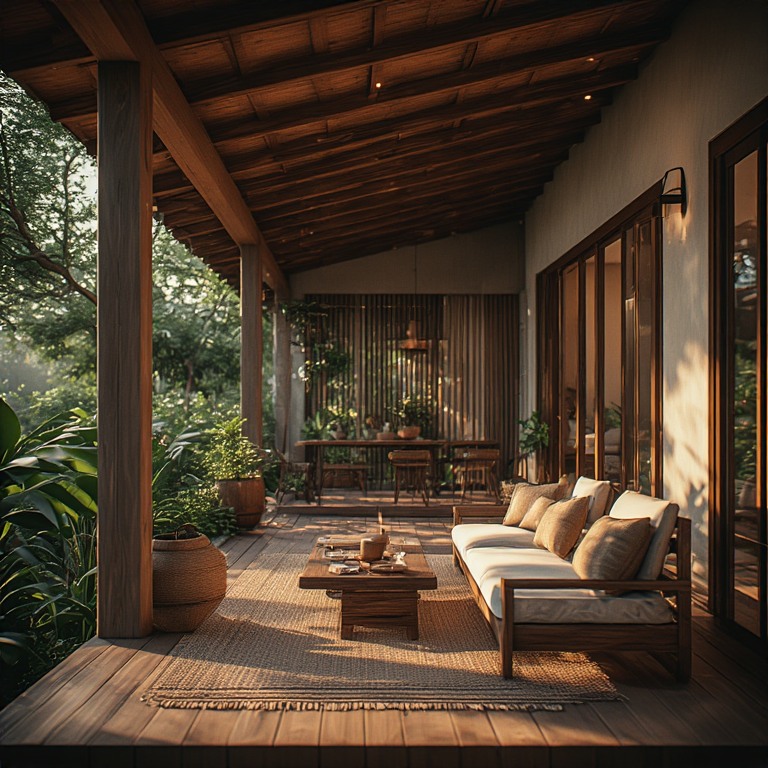
3. They Extend Living Space (Without Enclosing It)
A veranda functions as:
- Outdoor living room
- Dining space
- Reading or resting area
- Social buffer between public and private life
You gain usable square footage without paying for walls, glazing, or air-conditioning.
4. They Protect the Building Fabric
Verandas shield:
- Walls from driving rain
- Doors and windows from water damage
- Foundations from splash-back
This reduces:
- Mold growth
- Paint failure
- Timber rot
- Maintenance costs
In heavy-rain climates, this protection is invaluable.
5. They Create a Psychological Transition Space
Porches act as a threshold:
- Between street and home
- Between noise and quiet
- Between public and private
This soft transition improves:
- Sense of privacy
- Calm on arrival
- Social interaction without full exposure
Homes feel more grounded and welcoming.
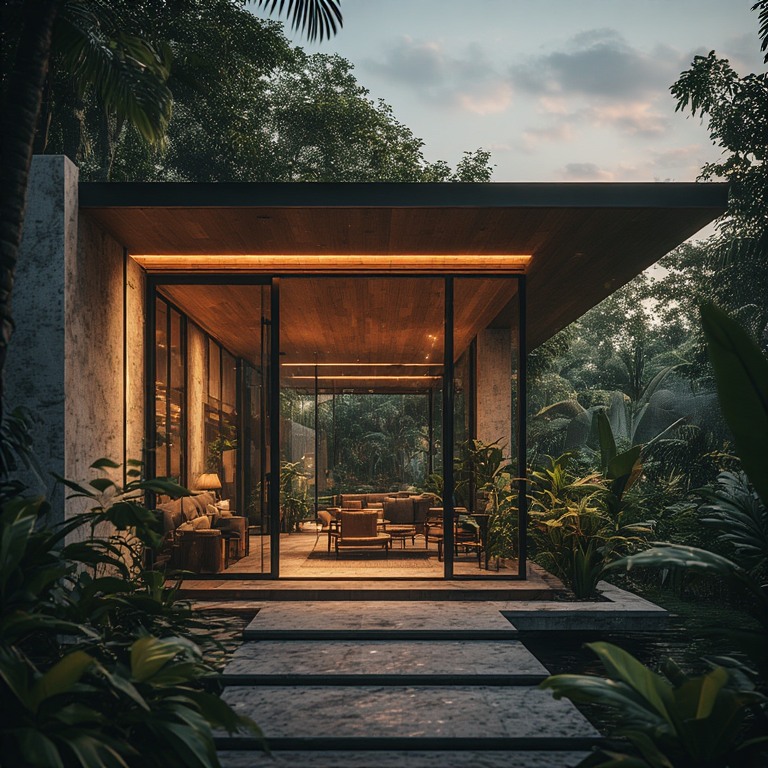
6. They Support Social & Cultural Living
Historically and culturally, verandas:
- Encourage conversation
- Support neighborly interaction
- Allow people to “be outside” without leaving home
They are places of watching, talking, resting, and sharing—especially important in Caribbean life.
7. They Increase Property Value & Appeal
Well-designed verandas:
- Improve curb appeal
- Make homes feel larger
- Increase buyer interest
They photograph well, live well, and age gracefully.
8. They Reduce Reliance on Mechanical Systems
By shading, ventilating, and extending space, verandas:
- Reduce AC use
- Reduce lighting needs during the day
- Support passive cooling strategies
This is quiet sustainability—no technology required.
Conclusion
Verandas, decks, and porches are climate control devices, living spaces, and protective skins for the home—especially essential in tropical environments.
When comparing a veranda, balcony, and deck, it’s essential to consider their distinct uses and characteristics. A veranda is typically a roofed, open-air structure attached to the exterior of a building, often wrapping around the front or sides. It provides a shaded area for relaxation and social gatherings while protecting users from the elements. In contrast, a balcony is a smaller, elevated platform that projects from the upper floors of a building. It offers residents an outdoor space with scenic views, ideal for enjoying fresh air and sunlight. Finally, a deck is usually a freestanding wooden or composite platform located at ground level, often adjacent to a garden or pool. Decks serve as versatile spaces for barbecues, outdoor dining, and recreational activities, making them perfect for entertaining guests. While all three structures enhance outdoor living, their specific uses cater to different preferences and architectural styles, providing unique spaces for leisure and enjoyment.
Suggestions:
Click here for Idea; dimensions for Verandas, Decks, and Porches.