

In contemporary home design, the bathroom has evolved into a sanctuary that marries functionality with style. As one of the most utilized spaces in any household, it is essential that bathrooms not only reflect personal taste but also accommodate the demands of busy lifestyles. The growing emphasis on easy-maintenance design has led homeowners and designers alike to seek solutions that simplify upkeep without compromising aesthetics. This article explores innovative strategies and materials that enhance the longevity and cleanliness of bathroom spaces. From water-resistant finishes and mold-resistant surfaces to smart storage solutions and efficient layouts, we will delve into the latest trends that prioritize both usability and visual appeal.
By incorporating thoughtful design elements, homeowners can create a serene environment that reduces the time and effort spent on maintenance, allowing for a more enjoyable experience. As we navigate the intersection of practicality and elegance, this discussion will provide insights into achieving a beautiful bathroom that stands the test of time while requiring minimal effort to maintain. Whether renovating an existing space or designing a new one, understanding the principles of easy-maintenance design is crucial for cultivating a bathroom that meets the needs of modern living.
Select Durable Materials for Longevity
When designing a bathroom, it is essential to select materials that can withstand moisture and wear, ensuring a long-lasting and functional space. Bathrooms are inherently humid environments, which can lead to damage if materials are not carefully chosen. Opting for moisture-resistant surfaces, such as ceramic tiles, natural stone, or high-quality vinyl, can help protect against water damage and mold growth. Additionally, durable fixtures and cabinetry made from water-resistant wood or composite materials will stand the test of time, maintaining both their appearance and functionality. By prioritizing longevity and resilience in material selection, homeowners can create a beautiful bathroom that remains stylish and practical for years to come.
Opt for Minimalist Design Elements
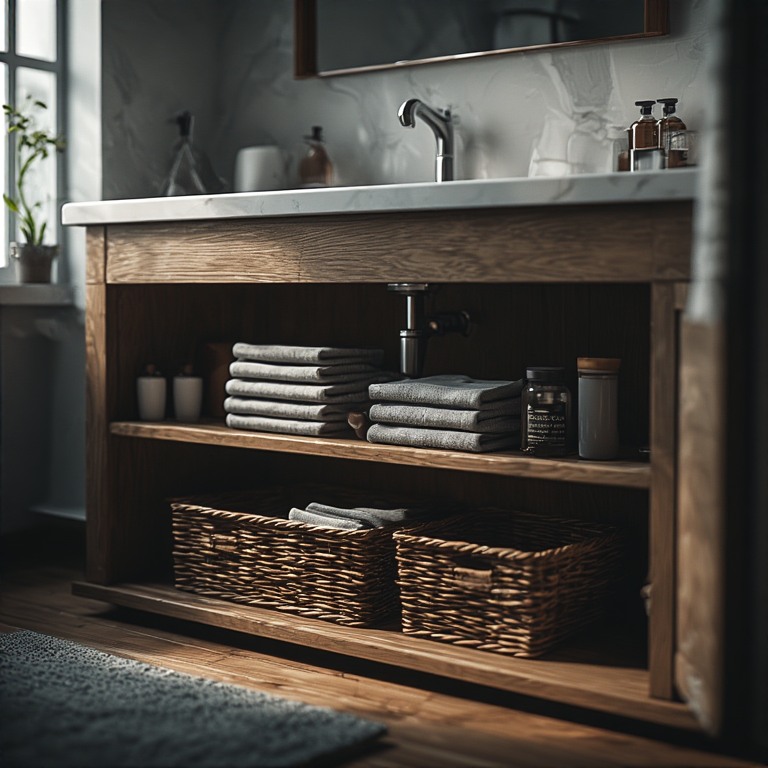
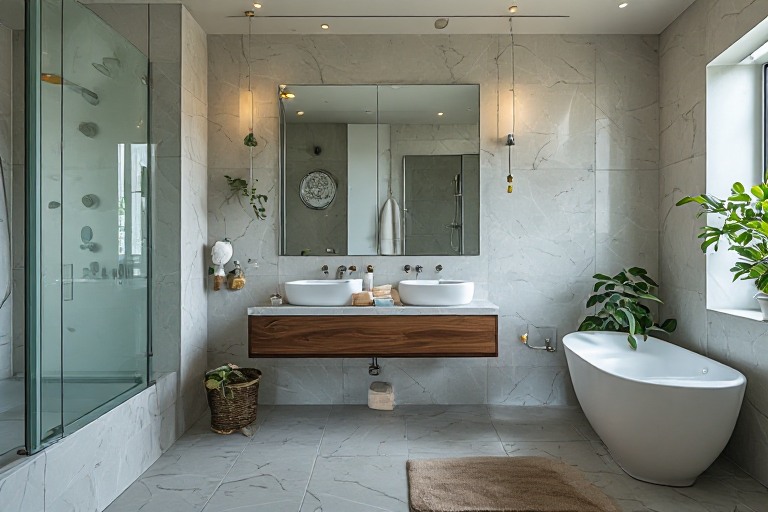
Simplicity in bathroom design plays a crucial role in reducing clutter and enhancing easy maintenance, ultimately creating a tranquil environment. By minimizing unnecessary elements and focusing on essential features, a simple aesthetic allows for a more organized space, making it easier to keep the area neat and tidy. This streamlined approach not only contributes to a serene atmosphere but also promotes relaxation, as a clutter-free environment can significantly influence one’s mood and stress levels. Furthermore, with fewer items to clean and organize, maintaining the bathroom becomes a more manageable task, allowing individuals to enjoy their personal sanctuary without the burden of overwhelming upkeep.
Incorporate Water-Resistant Fixtures
In high-moisture areas, such as bathrooms and kitchens, the use of water-resistant fixtures is essential to prevent damage and minimize upkeep. These fixtures are specifically designed to withstand exposure to moisture, reducing the risk of rust, mold, and deterioration that can occur with traditional materials. By incorporating water-resistant options, homeowners can ensure a longer lifespan for their plumbing and fixtures, ultimately saving time and money on repairs and replacements. Additionally, these durable materials contribute to a cleaner and healthier environment, as they are less prone to the growth of harmful bacteria and mildew. Overall, investing in water-resistant fixtures is a smart choice for maintaining both the functionality and aesthetic appeal of high-moisture spaces.
Choose Easy-Clean Surfaces
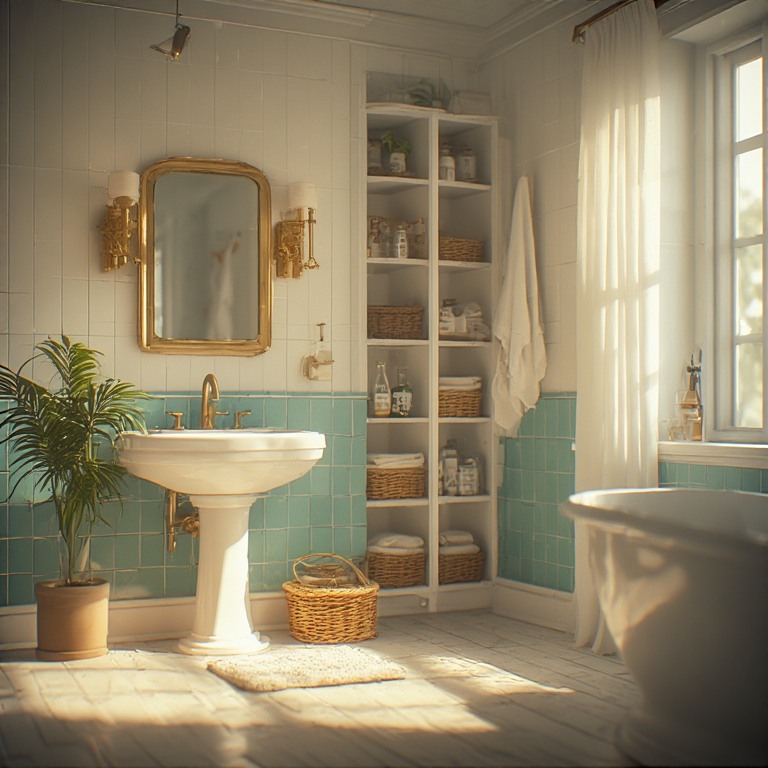
When designing or renovating a space, one of the key considerations should be the selection of surfaces that are quick to clean and maintain. By choosing materials and finishes that are easy to wipe down or require minimal upkeep, you can significantly reduce the time spent on maintenance tasks. For instance, opting for smooth, non-porous surfaces such as quartz or laminate for countertops can prevent the buildup of dirt and grime, making cleaning a breeze. Additionally, selecting flooring options like vinyl or tile can further streamline the cleaning process, as these materials often resist stains and are easy to mop or sweep. Ultimately, prioritizing low-maintenance surfaces not only enhances the aesthetic appeal of a space but also contributes to a more efficient and enjoyable environment.
Implement Smart Storage Solutions
In modern bathroom design, utilizing smart storage options is essential for keeping essentials organized while ensuring a clean, streamlined look. With limited space often at a premium, it becomes crucial to implement innovative storage solutions that maximize functionality without sacrificing aesthetics. For instance, incorporating floating shelves can provide an elegant way to display decorative items while also offering a place for toiletries. Drawer organizers can help categorize smaller items, preventing clutter and making it easier to find what you need. Additionally, using multi-functional furniture, such as an ottoman that doubles as storage, can enhance both the utility and visual appeal of the space. Ultimately, the right storage solutions not only enhance organization but also contribute to a serene and inviting atmosphere in the bathroom.
In conclusion, incorporating easy-maintenance design elements into bathroom spaces not only enhances aesthetic appeal but also promotes functionality and longevity. By prioritizing materials that resist moisture, stains, and wear, homeowners can create a serene environment that requires minimal upkeep. From selecting durable surfaces to optimizing layouts for efficiency, the choices made in bathroom design can significantly impact daily routines and overall satisfaction. Embracing these principles not only reflects a commitment to practicality but also ensures that the bathroom remains a tranquil retreat for years to come. As trends continue to evolve, the focus on ease of maintenance will undoubtedly play a pivotal role in shaping the bathrooms of the future.
LATEST ARTICLES
-
10 Ideas designed for a Caribbean Tropical Home

These ideas are designed for a Caribbean tropical home, where the emphasis is on natural materials, breezy spaces, vibrant foliage, and seasonal changes that fit the local climate rather than four distinct temperate seasons. 1. Tropical Spring Refresh To create a refreshing ambiance in a Caribbean tropical home, the concept of a “Tropical Spring Refresh”…
-
How to Make Your Own Bubble Diagram

A bubble diagram in architecture is a quick, loose way of planning how spaces relate to each other before you start drawing walls, doors, or exact dimensions. Think of it as the logic underneath the floor plan. Instead of drawing a bedroom as a precise 12′ × 14′ rectangle, you draw a bubble labelled Bedroom.…
-
Remedies for Slopes, Corners & Sharp Angles
In the realms of architecture and feng shui, a significant overlap exists in their fundamental principles, despite the different terminologies used. Feng shui emphasizes the concept of “chi,” which refers to the vital energy that flows through spaces, affecting the well-being of individuals. Architects, on the other hand, focus on aspects such as circulation, sight…
-
Orientation & Chi Flow
This is one of those subjects where it’s helpful to separate traditional feng shui principles from what we know from architecture, psychology, and environmental design. Whether or not you believe chi is a literal energy, many feng shui recommendations overlap with good building design—they create spaces that feel calmer, brighter, and easier to live in.…
-
Color & Elemental Balance: How Colour Influences the Feel of a Room
Colour is one of the most powerful tools in interior design. It shapes the mood of a room, influences how spacious or intimate it feels, and helps create harmony between the different design elements. In Feng Shui, colours are traditionally associated with the Five Elements—Earth, Water, Wood, Fire and Metal. By thoughtfully combining these colours,…