

Windows, louvers, and shading systems are not decorative features—they are the environmental control system of a house, especially in the Caribbean and other humid, hot climates. Together, they determine comfort, durability, energy use, health, and even how long the building lasts.
Below is a clear, practical explanation of what they actually do for a house.
1. WINDOWS — Control Air, Light, and Pressure
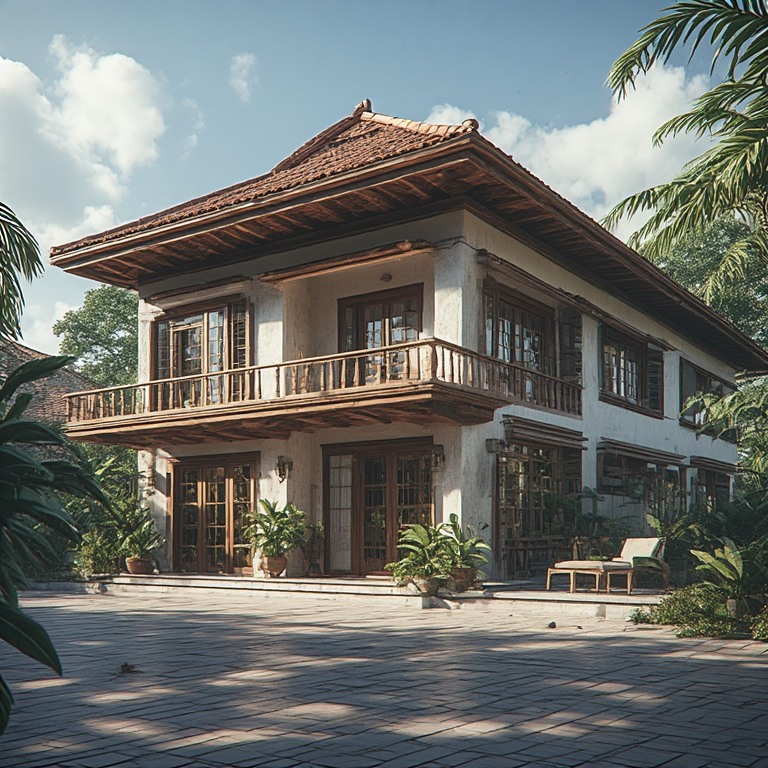
Windows play a crucial role in maintaining a comfortable and healthy indoor environment. They facilitate the movement of air throughout the house, helping to release heat trapped inside and thereby reduce indoor temperatures. By admitting daylight without causing heat overload, windows ensure that spaces remain bright and inviting while also preventing excessive humidity, which can lead to mold growth. In addition, they help equalize pressure during storms, protecting the home from potential damage. This matters significantly because stagnant air can lead to discomfort and health issues, while properly placed windows can lower indoor temperatures by 3–6°C without the need for air conditioning, promoting both evaporation and overall comfort. Furthermore, they provide a vital connection to the outdoors, enhancing the living experience by allowing natural light and fresh air to flow freely.
2. LOUVERS — Adjustable Climate Valves
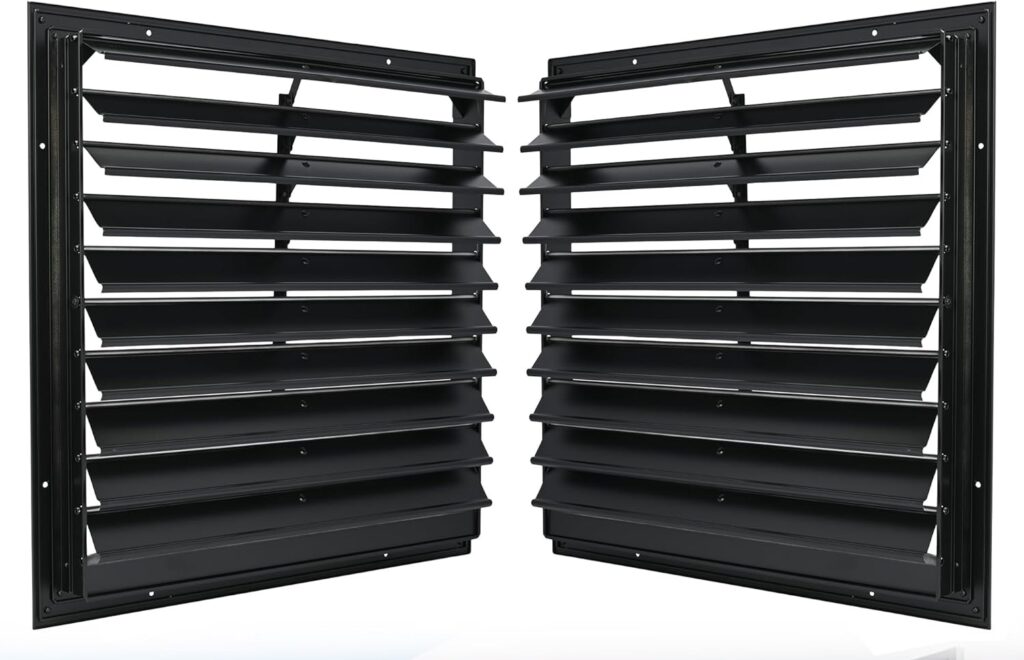
Louvers serve a vital role in enhancing indoor air quality and comfort by directing breezes precisely where they are needed. Unlike fixed glass, they offer the unique advantage of being adjustable, allowing them to open partially or fully to suit various ventilation needs. This feature enables them to angle to block rain while still permitting airflow, ensuring that spaces remain well-ventilated without compromising on protection from the elements. Louvers facilitate constant background ventilation, which reduces reliance on mechanical cooling systems, making them an energy-efficient choice. Additionally, they maintain airflow at night, a critical factor for restful sleep, acting as manual climate controls for any environment.
3. SHADING SYSTEMS — Stop Heat Before It Enters

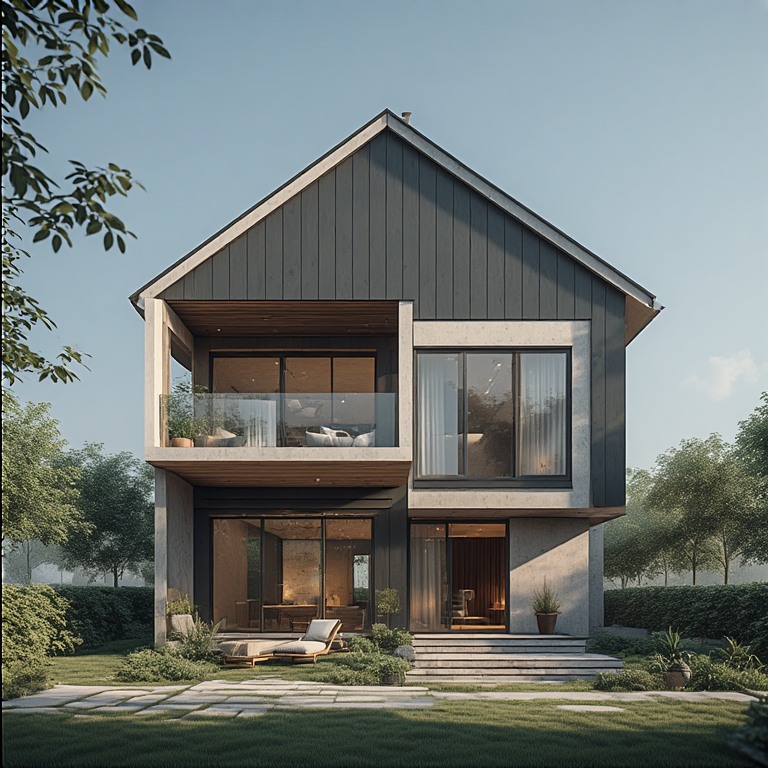
Shading plays a crucial role in maintaining a comfortable indoor environment by effectively blocking direct solar heat and keeping walls and windows cooler. This not only helps to reduce indoor temperature spikes but also protects windows from rain, thereby extending the lifespan of materials used in construction. The significance of external shading cannot be overstated; by preventing heat from entering the building in the first place, it proves far more effective than attempting to block heat from within. Unlike curtains, which primarily block light, external shades work proactively to mitigate heat, ensuring a more stable and pleasant indoor climate throughout the day.
4. WORKING TOGETHER — The System Effect
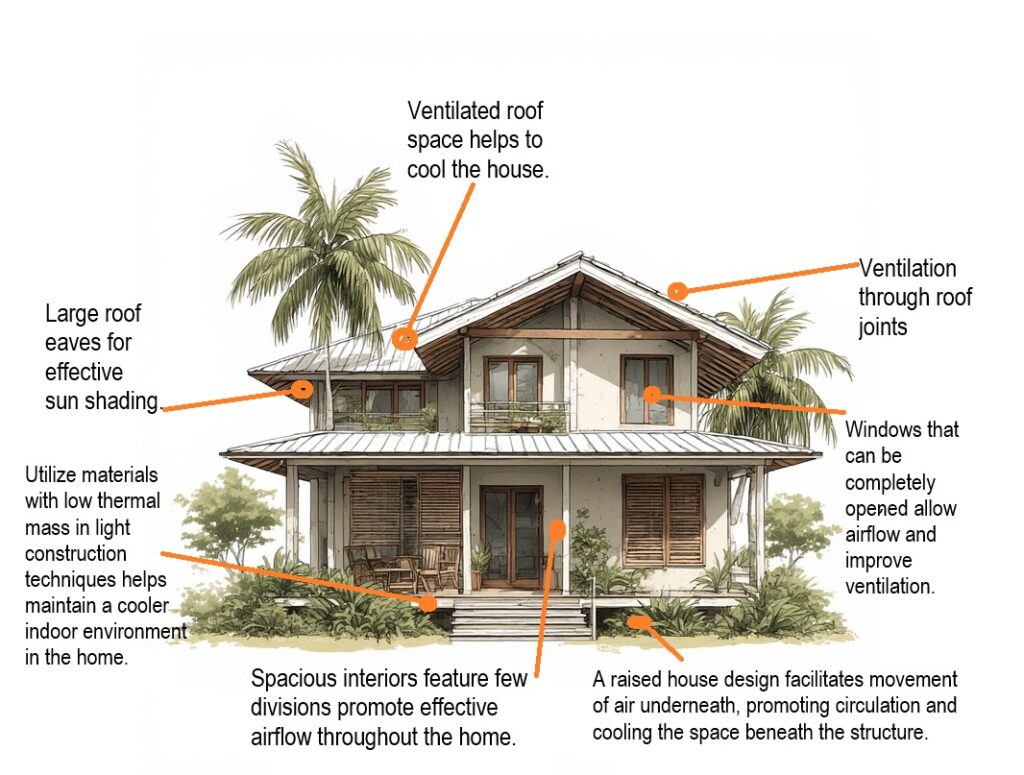
When windows, louvers, and shading elements are designed to work together, they create an effective system for passive cooling in a home. The windows serve the essential function of pulling in fresh air, while the louvers strategically guide this airflow throughout the interior spaces, ensuring that the cool air circulates effectively. Meanwhile, shading devices are critical in preventing the sun’s heat from entering the house, which can lead to overheating. This harmonious integration of design features allows the house to cool itself naturally, reducing reliance on mechanical cooling systems. As a result, homeowners can enjoy a comfortable living environment while also benefiting from energy efficiency and a smaller carbon footprint.
5. COMFORT BENEFITS FOR OCCUPANTS
Windows, louvers, and shading are essential elements in creating comfortable living spaces that significantly enhance the well-being of occupants. By allowing for optimal airflow, these features contribute to cooler interiors, reducing the discomfort often associated with heat and humidity. This results in less sweating and stickiness, promoting a more pleasant environment. Improved ventilation not only facilitates better sleep but also helps in minimizing the growth of mold and the presence of unpleasant odors. Moreover, when combined with screened airflow, these elements can help keep pesky mosquitoes at bay. Ultimately, a shaded and well-ventilated house creates a calm atmosphere, free from the oppressive heat often experienced in poorly designed spaces.
6. ENERGY & COST BENEFITS
In many Caribbean homes, the strategic use of windows, louvers, and shading creates a naturally cool and comfortable environment, significantly reducing reliance on air conditioning. These architectural features enhance airflow and provide effective shading, allowing residents to enjoy the outdoors while maintaining a pleasant indoor climate. As a result, many households find that they only need to use their AC units during the night. This not only leads to substantial energy and cost benefits—such as lower electricity bills and the need for smaller air conditioning units—but also contributes to fewer breakdowns and maintenance issues. Embracing these techniques can transform living spaces into energy-efficient havens.
7. DURABILITY & MAINTENANCE BENEFITS
Effective management of heat and moisture within a building is crucial for ensuring durability and minimizing maintenance needs. When windows, louvers, and shading elements are properly designed and implemented, they play a significant role in regulating temperature and humidity. This control leads to a range of benefits; for instance, paint retains its vibrancy and lasts longer, while wooden structures remain intact without warping. Additionally, metal components experience slower corrosion, contributing to the overall longevity of the building. Furthermore, well-maintained walls remain dry, reducing the risk of mold growth and the subsequent need for remediation. Conversely, poor window and shading design can significantly shorten a building’s lifespan, highlighting the importance of thoughtful architectural choices in preserving structural integrity over time.
8. STORM PERFORMANCE (Often Overlooked)
Windows and louvers play a crucial role in storm performance, a factor often overlooked in building design. By effectively reducing internal pressure buildup during severe weather events, they help prevent potential roof uplift, which can lead to significant structural damage. Additionally, these openings can be further protected with shutters, providing an extra layer of defense against harsh elements. Shading elements, while primarily designed for heat reduction and energy efficiency, also serve an essential function in storm resilience. They protect openings from wind-driven rain and act as sacrificial buffers, absorbing some of the impact and helping to safeguard the integrity of the building.
9. HEALTH & WELL-BEING
Incorporating windows, louvers, and shading into architectural designs significantly enhances health and well-being by promoting good airflow within indoor spaces. This effective ventilation lowers indoor humidity levels, which is crucial in reducing allergens and mold spores that can negatively impact air quality. Improved air circulation not only supports natural circadian rhythms but also creates a more comfortable living environment. A well-ventilated house feels more pleasant and inviting, contributing to the overall quality of life. Even if one cannot articulate the reasons behind this feeling, the benefits of proper airflow are undeniable, making homes healthier and more enjoyable places to live.
10. What Happens When They’re Done Wrong
When windows, louvers, and shading are not designed or installed correctly, they can lead to a myriad of problems. Excessive fixed glass without the benefit of external shading can trap heat, resulting in unbearably hot interiors, particularly in warm climates. Moreover, windows that cannot remain open during rain limit ventilation, contributing to stagnant air and humidity. In humid climates, sealed interiors exacerbate the issue, creating an environment ripe for mold growth. Relying on curtains for heat control is often ineffective and can lead to high energy bills as air conditioning units work overtime to maintain comfortable temperatures. Ultimately, these design missteps result in constant maintenance and discomfort for occupants.
THE CORE TRUTH (REMEMBER THIS)
Windows, louvers, and shading play a crucial role in enhancing a Caribbean house’s functionality and comfort, transforming it into a living, breathing structure. These elements do not merely serve as decorative features; they actively contribute to the home’s ability to ventilate and regulate temperature. A well-designed house with these components stays cooler in the warm climate, allowing for a more pleasant living environment. Additionally, effective ventilation helps the house dry faster after rain, reducing the risk of moisture-related issues. This not only prolongs the lifespan of the home but also minimizes maintenance costs, making it more economical to run while ensuring a comfortable space to live in
More Links to this post:
- A room-by-room window & shading strategy
- Show good vs bad layouts
- Design an Effective window placement
MORE ARTICLES
-

10 Ideas designed for a Caribbean Tropical Home
These ideas are designed for a Caribbean tropical home, where the emphasis is on natural materials, breezy spaces, vibrant foliage, and seasonal changes that fit the local climate rather than four distinct temperate seasons. 1. Tropical Spring Refresh To create a refreshing ambiance in a Caribbean tropical home, the concept of a “Tropical Spring Refresh”…
-

How to Make Your Own Bubble Diagram
A bubble diagram in architecture is a quick, loose way of planning how spaces relate to each other before you start drawing walls, doors, or exact dimensions. Think of it as the logic underneath the floor plan. Instead of drawing a bedroom as a precise 12′ × 14′ rectangle, you draw a bubble labelled Bedroom.…
-
Remedies for Slopes, Corners & Sharp Angles
In the realms of architecture and feng shui, a significant overlap exists in their fundamental principles, despite the different terminologies used. Feng shui emphasizes the concept of “chi,” which refers to the vital energy that flows through spaces, affecting the well-being of individuals. Architects, on the other hand, focus on aspects such as circulation, sight…