

The kitchen serves as the heart of the home, a space where culinary creativity flourishes and families gather to share meals and memories. However, the effectiveness of this vital area largely hinges on its storage and accessibility features. In today’s busy lifestyle, a well-organized kitchen is not just a convenience; it is essential for maximizing efficiency and minimizing stress. The challenge lies in balancing the need for ample storage with easy accessibility, ensuring that everything from spices to utensils is within reach yet neatly stored away.
This article delves into innovative storage solutions and design principles that enhance both functionality and aesthetics in the kitchen. We will explore various strategies, such as smart cabinetry, vertical space utilization, and modular storage systems, that can transform even the smallest kitchens into organized culinary havens. Additionally, we will discuss the importance of thoughtful layout planning, which can significantly improve workflow and usability. Whether you are a seasoned chef or a casual home cook, understanding the principles of effective storage and accessibility in the kitchen can elevate your cooking experience and promote a more enjoyable and efficient culinary environment.
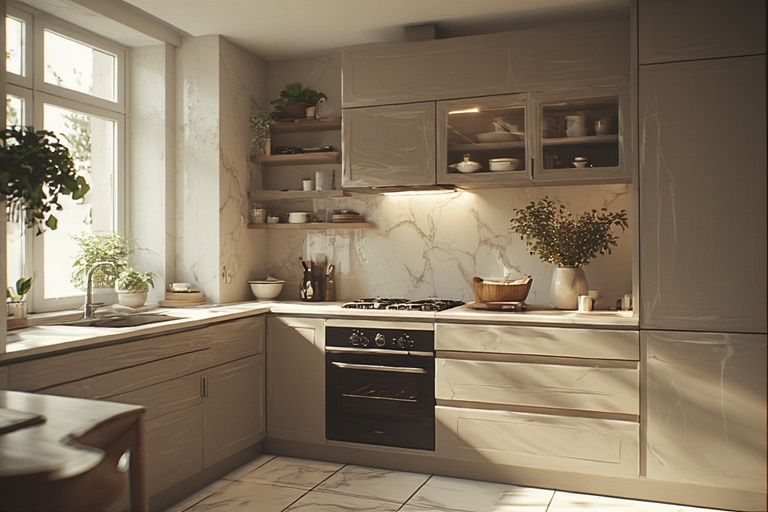
Smart cabinetry refers to modern kitchen (or home) cabinets that integrate technology, ergonomic design, and efficient storage systems to make your space more functional, organized, and user-friendly. It blends traditional carpentry with smart home innovation — especially popular in new tropical and Caribbean-style builds where compact kitchens benefit from maximizing every inch of space.
Let’s break it down clearly 👇
What Smart Cabinetry Really Means
Smart cabinetry uses built-in features and sometimes digital automation to make kitchen use easier and more efficient.
These can include:
Why It’s Useful in a Caribbean Kitchen
Tropical kitchens often face challenges — heat, humidity, and compact layouts — so smart cabinetry adds both comfort and durability:
- Moisture protection: Prevents warping and mold in cabinet interiors.
- Cross-ventilation integration: Smart vent slats or louvers can be designed into upper cabinetry to let hot air escape.
- Hidden appliance integration: Keeps the galley kitchen visually clean while allowing quick access.
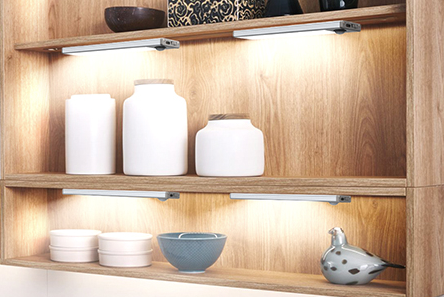
- Day-to-night usability: Motion lights under cabinets help when natural light fades.
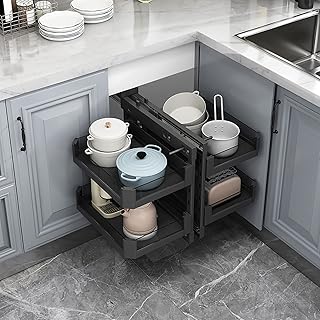
- Compact efficiency: Pull-outs and rotating racks maximize limited galley width.
Examples of Smart Cabinetry Features
| Feature | How It Works | Why It’s Smart |
|---|---|---|
| Pull-Down Upper Cabinet | Shelves lower mechanically or with spring tension | Great for shorter users; maximizes overhead storage |
| Toe-Kick Drawers | Hidden drawers in baseboard | Stores flat items like trays or baking sheets |
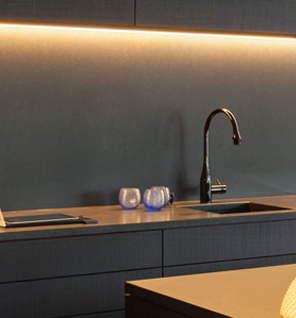
| Smart Lighting | LED strips with motion or voice activation | Enhances ambience and visibility |
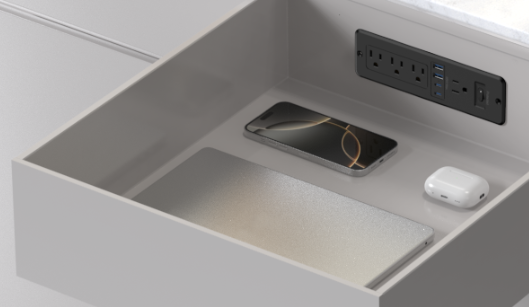
| Charging Drawer | Built-in power outlet & USB hub | Keeps phones and tablets charged discreetly |
| Corner Carousel Unit | Rotating “lazy Susan” style shelf | Turns deep corner space into accessible storage |
| Digital Inventory System (optional high-end) | RFID tags track pantry contents via app | Avoids overbuying or food waste |
Materials & Design Trends
For Caribbean-style homes, the best smart cabinetry materials balance durability and humidity resistance:
- Marine-grade plywood or PVC boards (resist swelling)
- Bamboo or teak finishes (natural ventilation and tropical feel)
- Soft-close hardware with stainless or powder-coated hinges
- Integrated ventilation grills in tall cabinets near fridges or ovens
Colours and finishes often lean toward:
- White, cream, or seafoam green
- Natural wood tones (bamboo, teak)
- Light reflective surfaces (matte or satin)
Feng Shui & Energy Flow Connection
From an energetic standpoint, smart cabinetry reduces clutter, allowing Chi to flow smoothly. Organized storage = fewer blockages, less stagnant energy. In Caribbean Feng Shui adaptations:
- Cabinets with curved edges or recessed handles soften energy.
- Warm wood tones ground Earth energy, while glossy finishes reflect and distribute light (Fire element balance).
Conclusion
In conclusion, effective storage and accessibility in the kitchen are essential components that contribute to a functional and efficient cooking environment. By thoughtfully organizing kitchen spaces and utilizing innovative storage solutions, homeowners can optimize their workflow, minimize clutter, and enhance overall usability. Investing in adjustable shelving, pull-out drawers, and designated zones for different tasks not only improves accessibility but also elevates the culinary experience. As we continue to embrace modern design principles and smart technology, creating a kitchen that harmonizes style and practicality is more achievable than ever. A well-structured kitchen ultimately fosters creativity and enjoyment in meal preparation, making it a vital space in any home.
LATEST ARTICLES
-

10 Ideas designed for a Caribbean Tropical Home
These ideas are designed for a Caribbean tropical home, where the emphasis is on natural materials, breezy spaces, vibrant foliage, and seasonal changes that fit the local climate rather than four distinct temperate seasons. 1. Tropical Spring Refresh To create a refreshing ambiance in a Caribbean tropical home, the concept of a “Tropical Spring Refresh”…
-

How to Make Your Own Bubble Diagram
A bubble diagram in architecture is a quick, loose way of planning how spaces relate to each other before you start drawing walls, doors, or exact dimensions. Think of it as the logic underneath the floor plan. Instead of drawing a bedroom as a precise 12′ × 14′ rectangle, you draw a bubble labelled Bedroom.…
-
Remedies for Slopes, Corners & Sharp Angles
In the realms of architecture and feng shui, a significant overlap exists in their fundamental principles, despite the different terminologies used. Feng shui emphasizes the concept of “chi,” which refers to the vital energy that flows through spaces, affecting the well-being of individuals. Architects, on the other hand, focus on aspects such as circulation, sight…