
When constructing or enhancing a Caribbean home, incorporating rattan is a decision that transcends mere aesthetic appeal; it embodies a climate-intelligent choice that aligns beautifully with the tropical environment. Rattan’s lightweight nature makes it an ideal material for both indoor and outdoor spaces, allowing for effortless mobility and versatility in design. Beyond its practicality, rattan exudes an emotionally warm ambiance, fostering a sense of comfort and relaxation that resonates with the laid-back island lifestyle. When used thoughtfully, rattan elevates the overall atmosphere of a space, infusing it with a sophisticated charm that avoids the pitfalls of feeling overly themed or tourist-centric.
In this article, we will explore the multifaceted benefits of rattan and offer insights into how to incorporate this remarkable material into Caribbean home design, ensuring that style and sustainability go hand in hand.
Let’s break it down clearly.
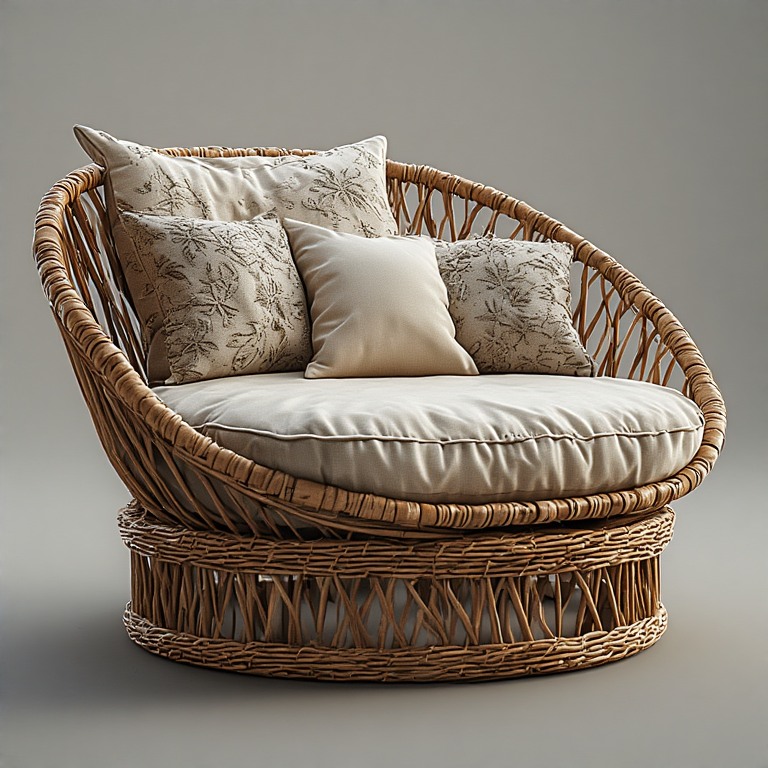
What Is Rattan?
Rattan is a naturally growing vine-like palm common in tropical regions. It’s flexible when steamed, extremely lightweight and Strong once shaped. Unlike bamboo (hollow grass), rattan is solid-core — ideal for curved furniture and woven cane panels.
Why Rattan Works So Well in Caribbean Homes
1. It Handles Humidity Better Than Heavy Woods.
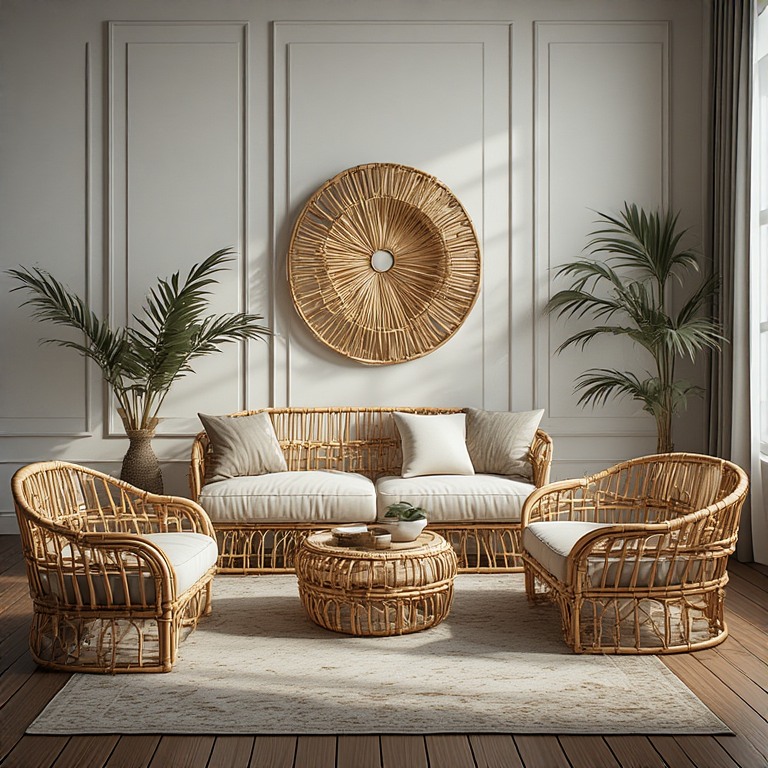
In Trinidad’s humidity, bulky hardwood pieces can feel visually heavy. Rattan, on the other hand, breathes, doesn’t trap heat, feels airy in open-plan layouts, and moves easily when you need airflow. For homes with louvers, jalousies, verandahs, and cross-ventilation design — rattan complements the architecture instead of fighting it.
2. It Lightens the Visual Weight of a Room.
Rattan is an exceptional choice for Caribbean homes primarily because it lightens the visual weight of a room. When aiming for a harmonious aesthetic, many homeowners are drawn to light porcelain, soft sand tones, matte quartz, and gentle greens reminiscent of the surrounding environment. Rattan seamlessly complements this palette, providing warmth without introducing darkness into the space. Its unique texture adds depth without creating clutter, offering an organic softness that contrasts beautifully against drywall. In open-plan layouts, where heavy furniture can obstruct visual flow, rattan alleviates this issue, creating an airy, almost floating effect that enhances the overall ambiance.
3. Perfect for Verandas & Transitional Spaces
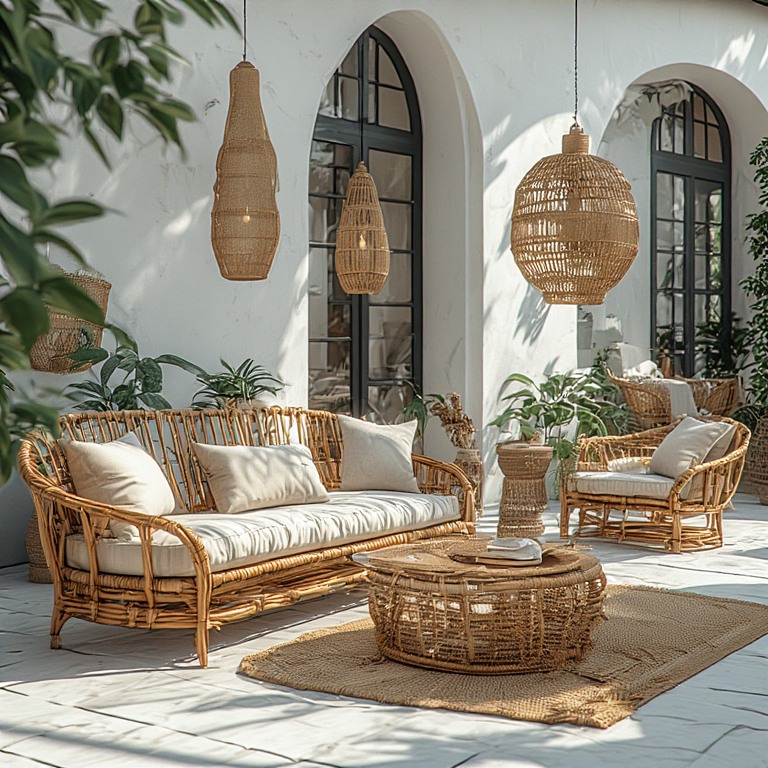
Caribbean homes beautifully embody the charm of transitional spaces, making them the perfect setting for rattan furniture. With its natural aesthetic and versatile design, rattan is ideal for veranda seating, balcony chairs, covered patio dining, and indoor-outdoor lounge areas. This lightweight material seamlessly blends the indoors with the outdoors, inviting a sense of harmony and relaxation. By incorporating rattan pieces, homeowners can enhance their living spaces, creating an atmosphere that feels both inviting and restorative. The use of rattan reinforces a laid-back lifestyle that is inherent in Caribbean culture, allowing for comfortable gatherings and leisurely moments without appearing forced or out of place.
Smart Ways to Use Rattan (Without Overdoing It)
Rattan can be a beautiful addition to home decor when used thoughtfully, but many people often make the mistake of overdoing it, transforming their living spaces into what resembles a resort lobby rather than a cozy home. To avoid this common pitfall, it’s essential to adopt a disciplined approach to incorporating rattan into your interior design. Instead of overwhelming your space with an abundance of rattan furniture and accessories, consider selecting a few key pieces that complement your existing decor. For instance, a single rattan chair or a small coffee table can add warmth and texture without dominating the room. By being selective and intentional, you can enjoy the natural beauty of rattan while maintaining a balanced and inviting atmosphere in your home.
Suggestions:
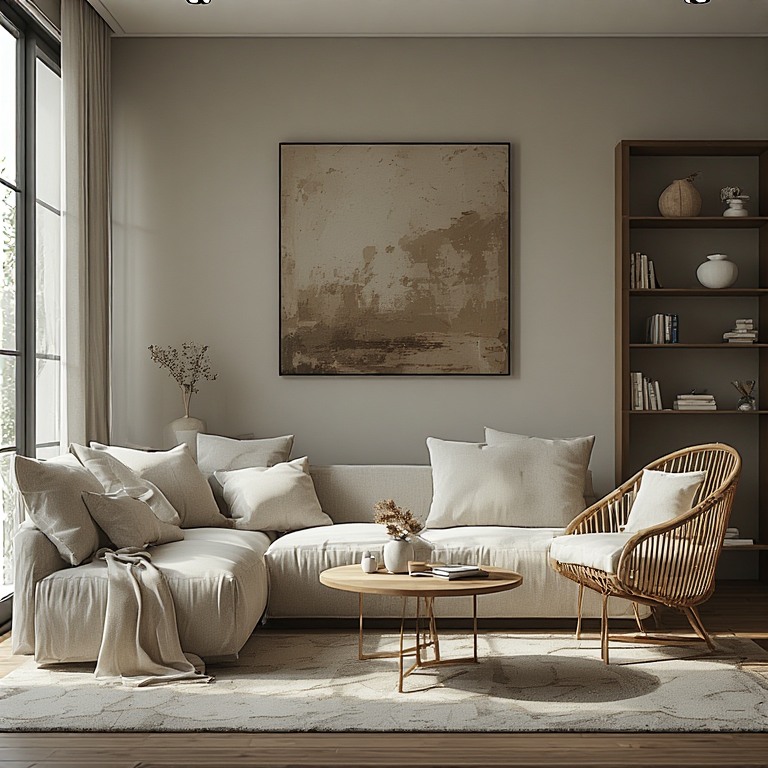
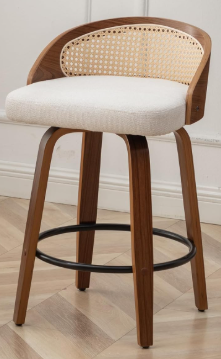
1️⃣ Accent Chairs in the Living Room
One or two sculptural rattan chairs mixed with upholstered seating.
2️⃣ Cane Cabinet Panels
Rattan inserts in kitchen or sideboard doors — subtle texture, breathable storage.
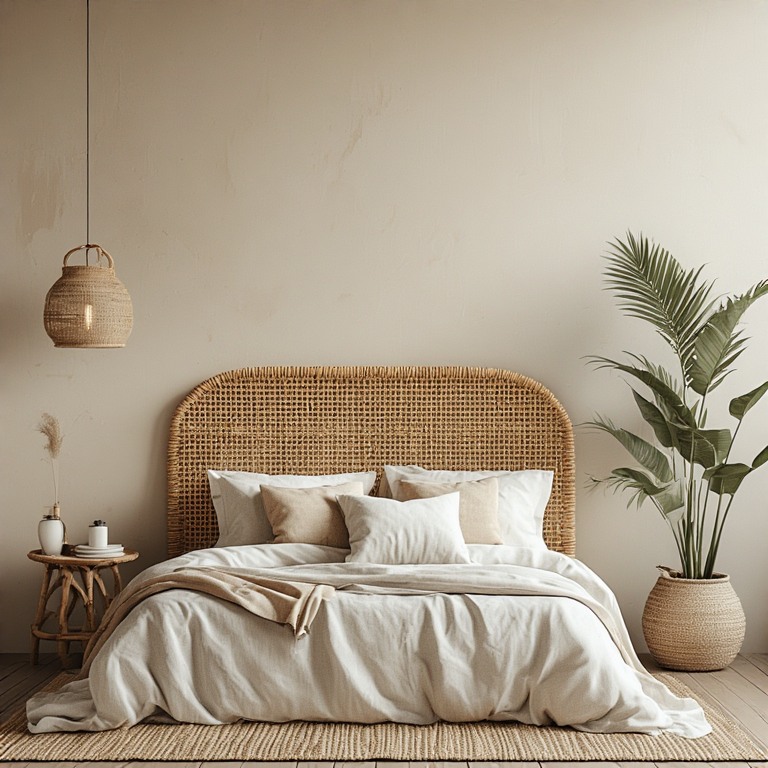
3️⃣ Bedroom Headboard
A woven rattan headboard against a sand-toned wall = calm, grounded, tropical without cliché.
4️⃣ Lighting
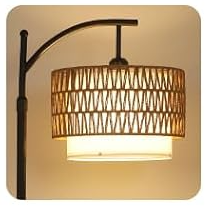
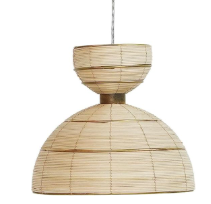
Rattan pendant lights diffuse light beautifully and soften a room at night.
5️⃣ Room Dividers
Woven rattan screens define space without blocking airflow.
Psychological Benefits
Rattan furniture offers a unique psychological benefit by tapping into deeper aspects of our well-being. The use of natural materials like rattan has been shown to reduce stress, creating a calming atmosphere that promotes relaxation. The texture of rattan adds a layer of sensory warmth, inviting touch and fostering a sense of comfort in our living spaces. Additionally, the graceful curves of rattan pieces soften the rigidity often found in modern architecture, making environments feel more inviting and nurturing. If your home philosophy revolves around stillness, retreat, or restorative living, incorporating rattan into your decor can effectively support and enhance that intention.
Practical Benefits
✔ Lightweight — easy to move for cleaning or reconfiguration
✔ Durable when sealed properly
✔ Low maintenance
✔ Doesn’t visually dominate small rooms
✔ Sustainable material
Important: Indoor vs Outdoor
When deciding between natural and synthetic rattan furniture, it’s important to consider the environment in which it will be used, as the differences can significantly impact longevity and appearance. Natural rattan is ideally suited for indoor use and covered verandahs, where it can enhance the aesthetic appeal without the harsh effects of the elements. However, for exposed outdoor areas, it’s crucial to opt for synthetic polyethylene (PE) rattan, which is specifically designed to withstand UV rays and rain. Choosing cheap untreated rattan for outdoor use can lead to regret, as exposure to moisture can quickly deteriorate the material, resulting in a poor investment.
Affiliate ads: