

6
Why Are Privacy Screens & Windbreaks Important?
A verandah or outdoor living area should be a place where you can relax comfortably without feeling exposed to neighbours, strong winds or harsh weather. Privacy screens and windbreaks help create a more functional, comfortable and attractive outdoor space by providing shelter while still allowing light and airflow.
Whether you’re building a new home or upgrading an existing verandah, incorporating privacy screens or windbreaks can significantly improve how often and how comfortably you use the space.
What Is a Privacy Screen?
A privacy screen is a structure that blocks unwanted views into your outdoor living area while maintaining an open and attractive appearance.
Privacy screens can be made from:
- Timber slats
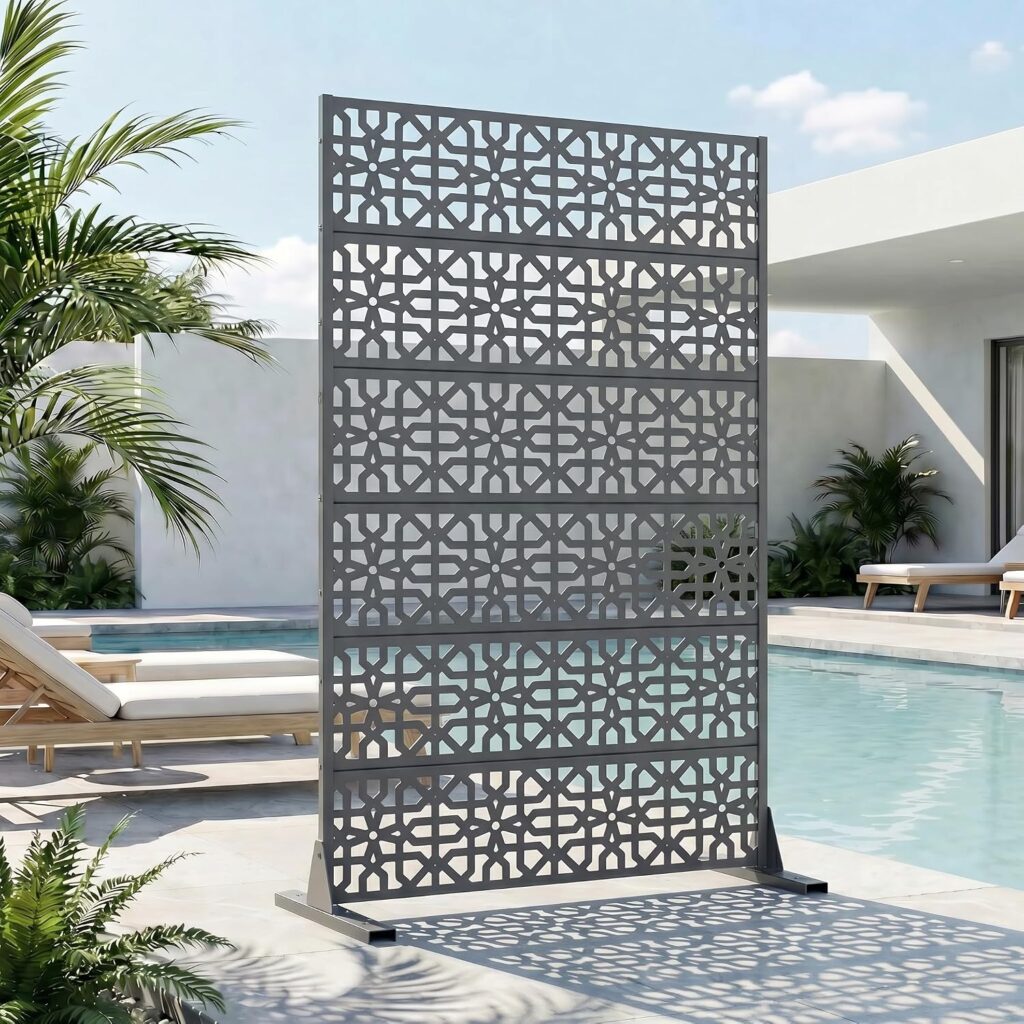
- Decorative metal panels
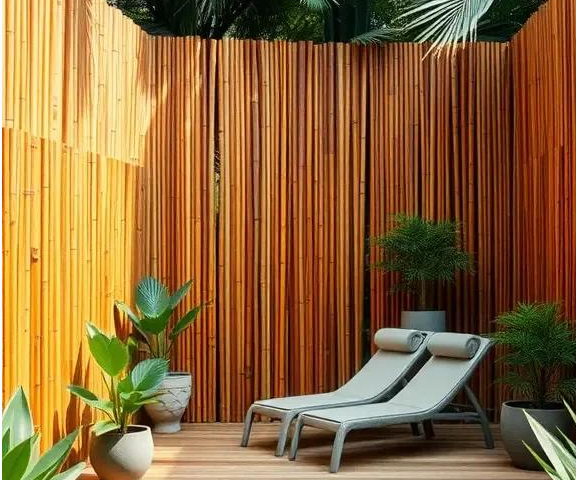
- Bamboo
- Brick or concrete blocks
- Frosted glass
- Outdoor fabric
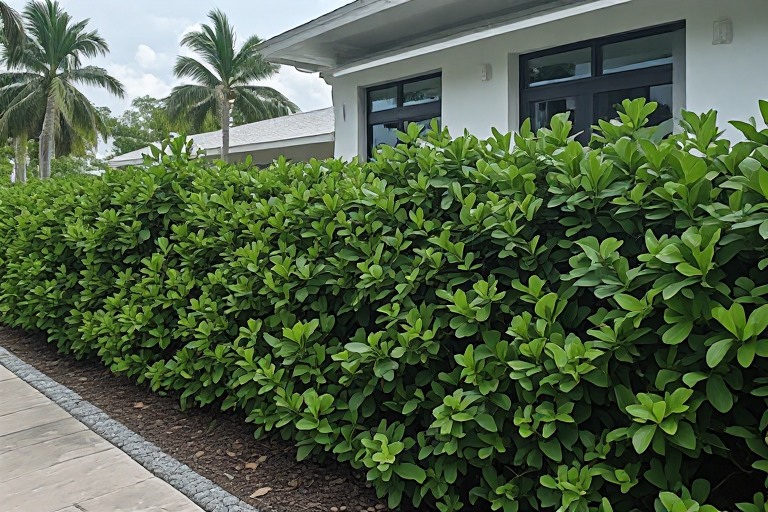
- Living hedges or climbing plants
Their primary purpose is to create a sense of seclusion without completely enclosing the space.
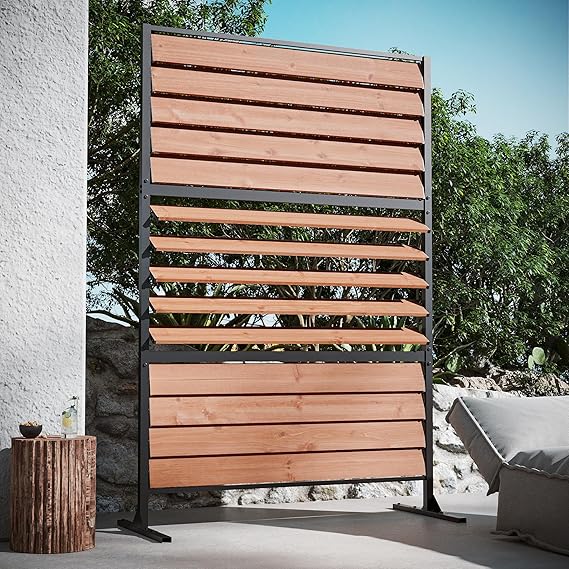
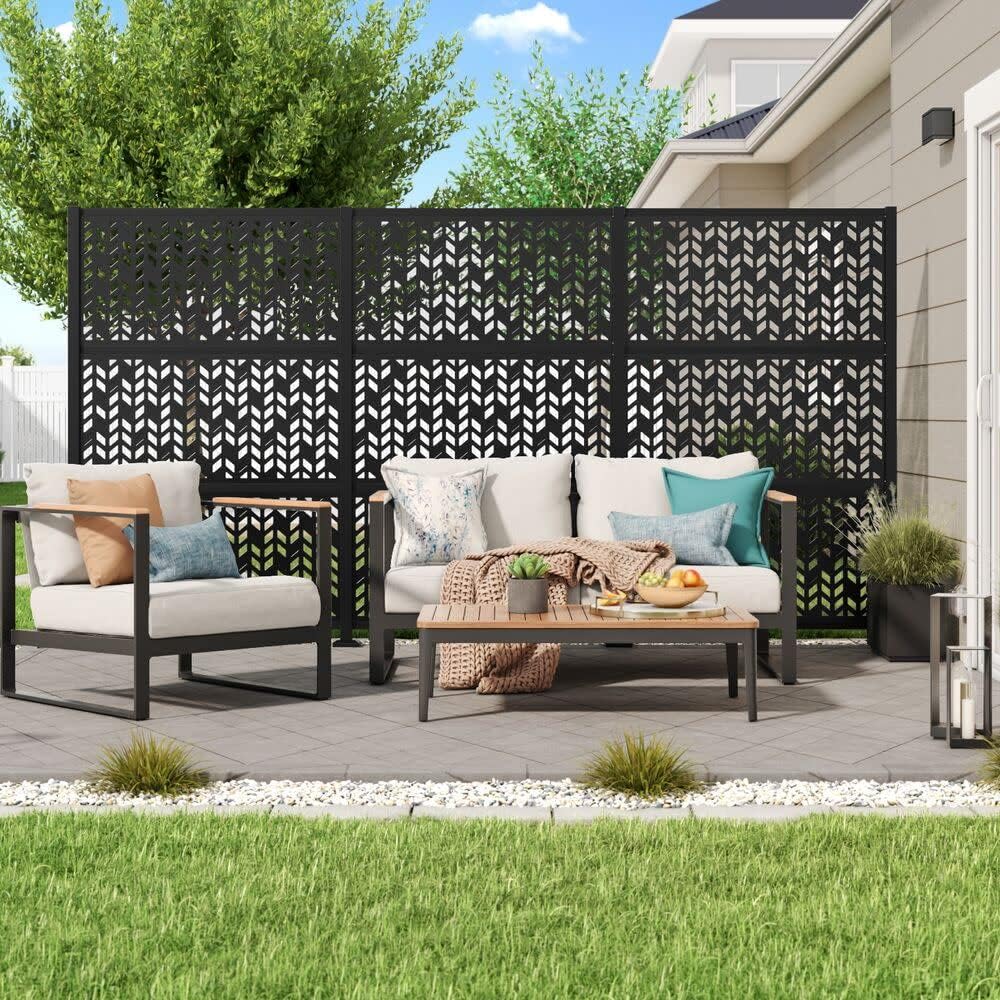
Rustproof Metal Privacy Screen Outdoor, Divider for Patio Deck, Balcony.
What Is a Windbreak?
A windbreak is designed to reduce the force of strong winds while still allowing some airflow.
Common windbreak materials include:
- Glass panels
- Timber slats
- Louvered screens
- Stone walls
- Dense shrubs and hedges
Windbreaks make outdoor spaces more comfortable by reducing wind chill, preventing furniture from blowing over and protecting delicate plants.
When Should You Use a Privacy Screen?
1. Your Neighbours Can See Directly Into Your Verandah
If neighbouring houses overlook your outdoor seating area, a privacy screen creates a more comfortable and intimate environment.
This is especially useful for:
- Outdoor dining
- Family gatherings
- Reading and relaxing
- Hot tubs or plunge pools
2. Your Property Is Close to the Road
Homes located near busy streets often benefit from privacy screens that:
- Reduce visual exposure
- Increase security
- Create a quieter atmosphere psychologically
Even partial screening can make a significant difference.
3. You Want Separate Outdoor Zones
Screens can divide outdoor areas into functional spaces, such as:
- Dining area
- Outdoor kitchen
- Children’s play space
- Garden retreat
This creates a more organised and visually appealing landscape.
4. You Need Afternoon Shade
Some privacy screens also reduce direct sunlight during the hottest part of the day, improving comfort while protecting outdoor furniture from UV damage.
When Should You Install a Windbreak?
1. Your Home Experiences Strong Seasonal Winds
Homes on:
- Hilltops
- Coastal areas
- Elevated sites
- Open countryside
often experience persistent winds that make outdoor living uncomfortable.
A windbreak helps create a calmer outdoor environment.
2. Your Outdoor Furniture Constantly Moves
If chairs, cushions or decorative items frequently blow around, a windbreak can reduce wind speeds enough to keep your outdoor space usable.
3. Your Verandah Is Difficult to Enjoy
Strong winds can make it unpleasant to:
- Eat outdoors
- Read a book
- Entertain guests
- Enjoy morning coffee
A properly designed windbreak allows you to enjoy the space more often.
4. Your Garden Needs Protection
Windbreaks help protect:
- Flower beds
- Vegetable gardens
- Potted plants
- Young trees
Reducing wind stress encourages healthier plant growth.
Best Materials
Timber Slat Screens
These remain one of the most popular choices because they:
- Look modern
- Allow airflow
- Provide partial privacy
- Blend naturally with landscaping
Decorative Metal Panels
Laser-cut aluminium or steel screens create striking architectural features while offering privacy and filtered light.
Frosted Glass
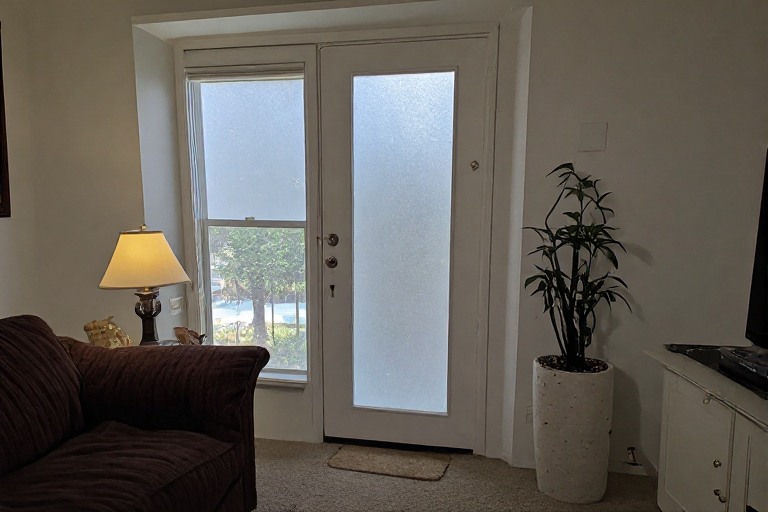
Ideal for modern homes, frosted glass:
- Blocks views
- Allows daylight through
- Resists weather
- Creates an elegant appearance
Living Green Screens
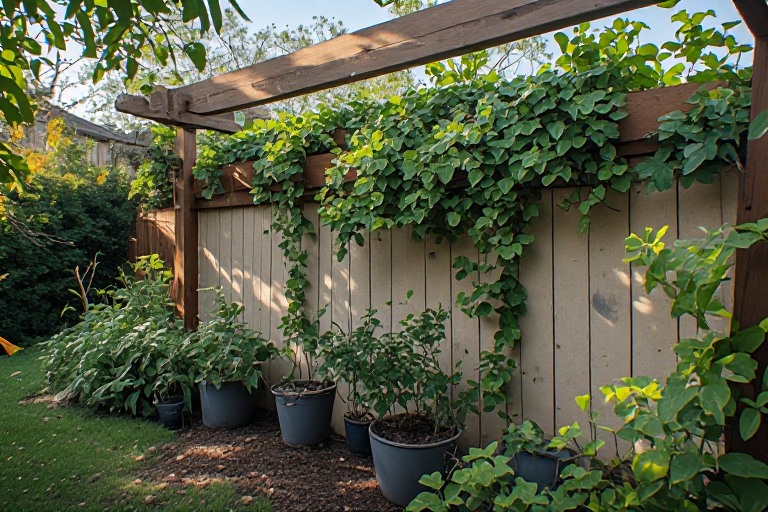
Using hedges or climbing plants creates a natural barrier that:
- Improves privacy
- Cools the surrounding area
- Enhances biodiversity
- Softens hard landscaping
Privacy Screen vs. Solid Wall
Many homeowners assume a solid wall is the best solution, but that’s not always the case.
| Privacy Screen | Solid Wall |
|---|---|
| Allows airflow | Blocks airflow |
| Feels lighter and more open | Can feel enclosed |
| Often less expensive | Usually more costly |
| Easier to install | Requires more structural work |
| Can become an attractive design feature | May appear bulky |
In tropical climates, partial screening is often preferable because it maintains natural ventilation while still providing privacy.
Design Tips
For the best results:
- Position screens where privacy is most needed rather than enclosing the entire verandah.
- Match the screen material to your home’s architectural style.
- Leave small gaps in timber slats to encourage airflow.
- Combine screens with tropical plants for a softer appearance.
- Use warm outdoor lighting to highlight decorative screens at night.
- Consider adjustable louvered screens if you want flexibility in controlling sunlight, privacy and ventilation.
Conclusion
Privacy screens and windbreaks are practical additions that can greatly enhance the comfort, functionality and appearance of your outdoor living space. The right solution depends on your home’s location, surrounding environment and how you use your verandah.
If your outdoor area feels too exposed, too windy or lacks a sense of intimacy, installing a thoughtfully designed privacy screen or windbreak can transform it into a space you’ll enjoy throughout the year. In tropical climates, the best designs strike a balance between privacy, protection and natural airflow, creating an outdoor retreat that is both comfortable and visually appealing.
Related Articles
-
10 Ideas designed for a Caribbean Tropical Home

These ideas are designed for a Caribbean tropical home, where the emphasis is on natural materials, breezy spaces, vibrant foliage, and seasonal changes that fit the local climate rather than four distinct temperate seasons. 1. Tropical Spring Refresh To create a refreshing ambiance in a Caribbean tropical home, the concept of a “Tropical Spring Refresh”…
-
How to Make Your Own Bubble Diagram

A bubble diagram in architecture is a quick, loose way of planning how spaces relate to each other before you start drawing walls, doors, or exact dimensions. Think of it as the logic underneath the floor plan. Instead of drawing a bedroom as a precise 12′ × 14′ rectangle, you draw a bubble labelled Bedroom.…
-
Remedies for Slopes, Corners & Sharp Angles
In the realms of architecture and feng shui, a significant overlap exists in their fundamental principles, despite the different terminologies used. Feng shui emphasizes the concept of “chi,” which refers to the vital energy that flows through spaces, affecting the well-being of individuals. Architects, on the other hand, focus on aspects such as circulation, sight…