

Natural light is one of the most valuable design elements in any home, especially in smaller spaces. A well-lit room feels larger, more welcoming, and more comfortable, while reducing the need for artificial lighting during the day. Whether you’re building a new home or renovating an existing one, thoughtful planning can dramatically improve the amount of daylight entering your living spaces.
In tropical climates, such as Barbados, natural lighting should be carefully balanced with ventilation and heat control. The goal is to brighten the home without allowing excessive heat to build up indoors.
Why Natural Light Matters
A naturally lit home offers numerous benefits beyond aesthetics.
Makes Rooms Feel Larger
Bright spaces create the illusion of greater size. Sunlight removes dark corners and visually expands walls, making even compact rooms feel open and airy.
Reduces Electricity Costs
Homes designed to maximize daylight require less artificial lighting throughout the day, helping to lower monthly electricity bills.
Improves Well-Being
Research has shown that exposure to natural light can:
- Improve mood
- Increase productivity
- Support healthy sleep cycles
- Reduce eye strain
A bright home often feels more relaxing and enjoyable to live in.
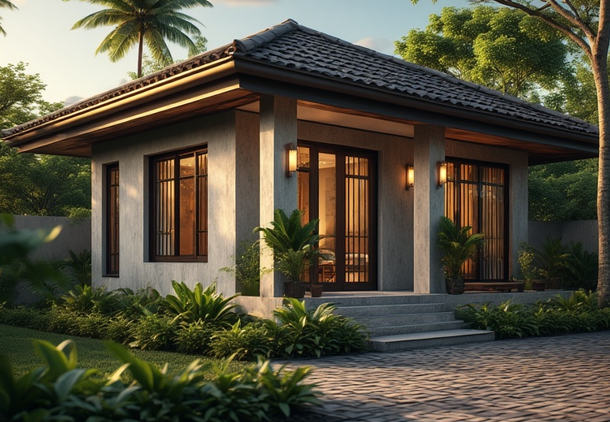
1. Install Larger Windows
Windows are the primary source of natural light.
When designing a small home, consider:
- Floor-to-ceiling windows
- Wide picture windows
- Corner windows
- Tall vertical windows
These designs allow more daylight to penetrate deep into the home while also creating attractive outdoor views.
2. Add Skylights
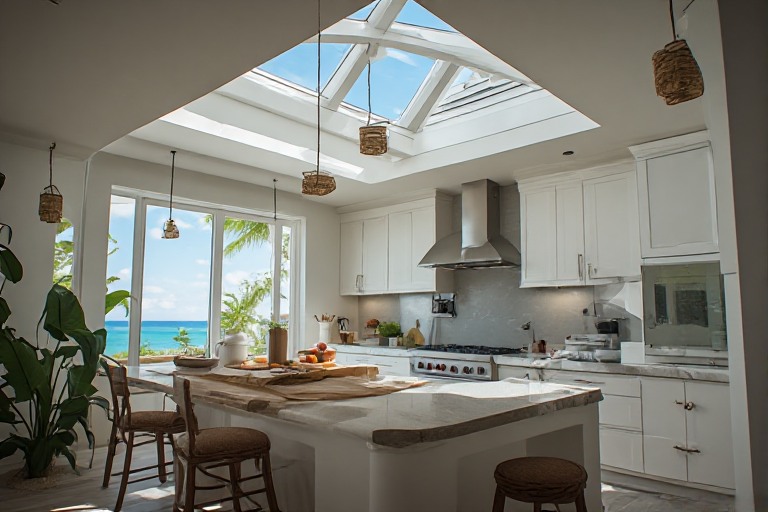
Skylights bring sunlight directly from above, making them ideal for rooms that receive little natural light through traditional windows.
Excellent locations include:
- Kitchens
- Bathrooms
- Hallways
- Staircases
Modern skylights can also improve ventilation when designed to open.
Modern skylights can also improve ventilation when designed to open.
3. Use Glass Doors
Replacing solid exterior doors with glass or partially glazed doors allows additional daylight into adjoining rooms.
Popular options include:
- Sliding glass doors
- French doors
- Folding patio doors
These work particularly well when opening onto patios or verandahs.
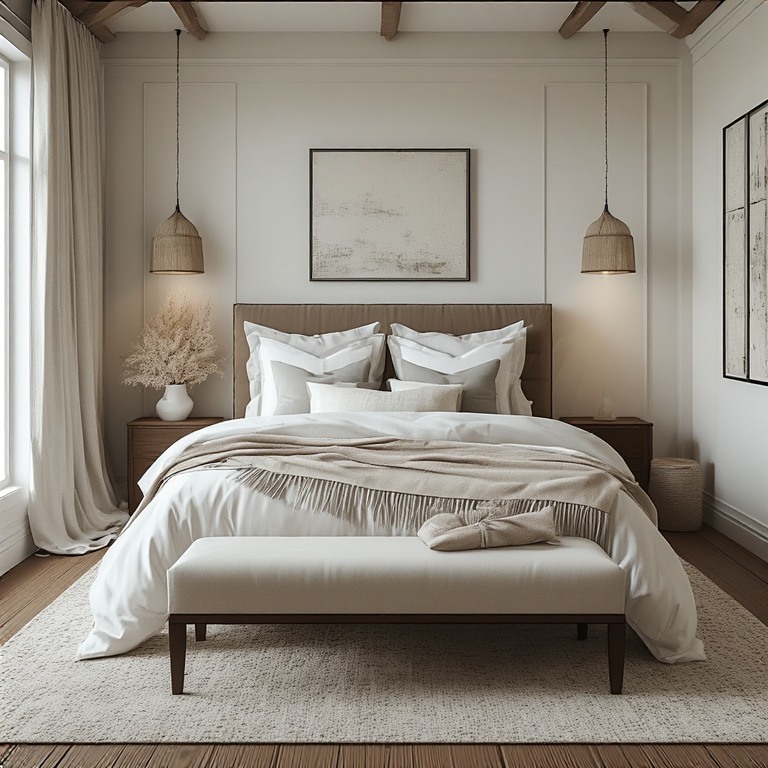
4. Choose Light Interior Colours
Wall colours greatly influence how light behaves inside a room.
To maximise brightness, choose:
- White
- Cream
- Soft beige
- Light grey
- Pale pastel colours
These colours reflect sunlight instead of absorbing it.
5. Install Mirrors Strategically
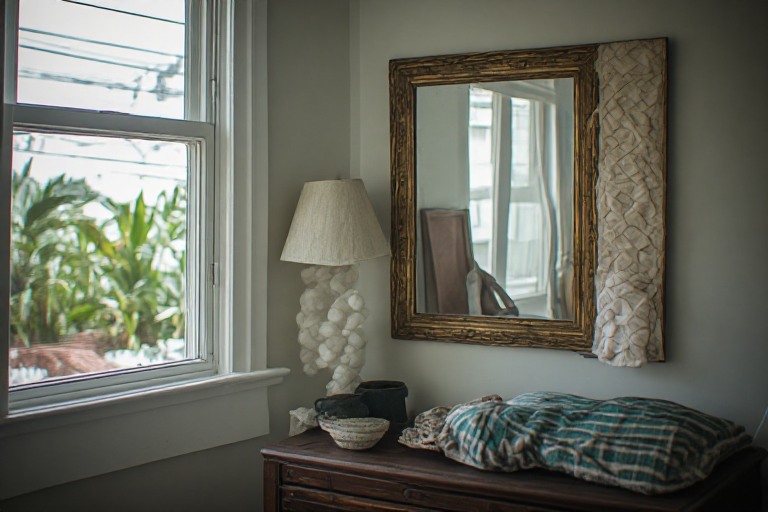
Mirrors effectively multiply natural light by reflecting it throughout the room.
For the best results:
- Place mirrors opposite windows.
- Use large decorative mirrors in living rooms.
- Consider mirrored wardrobe doors in bedrooms.
A single well-positioned mirror can dramatically brighten a small space.
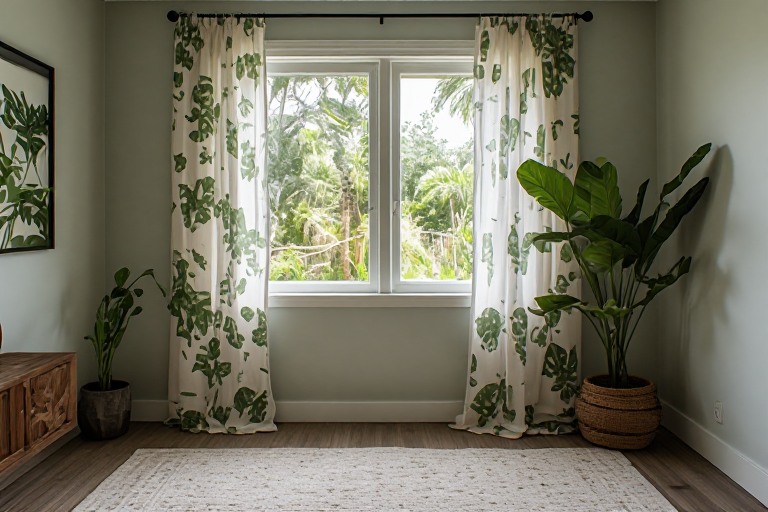
6. Keep Window Treatments Light
Heavy curtains block valuable daylight.
Instead, consider:
- Sheer curtains
- Light linen drapes
- Roller blinds
- Roman shades
These options maintain privacy while allowing sunlight to filter through.
7. Create an Open Floor Plan
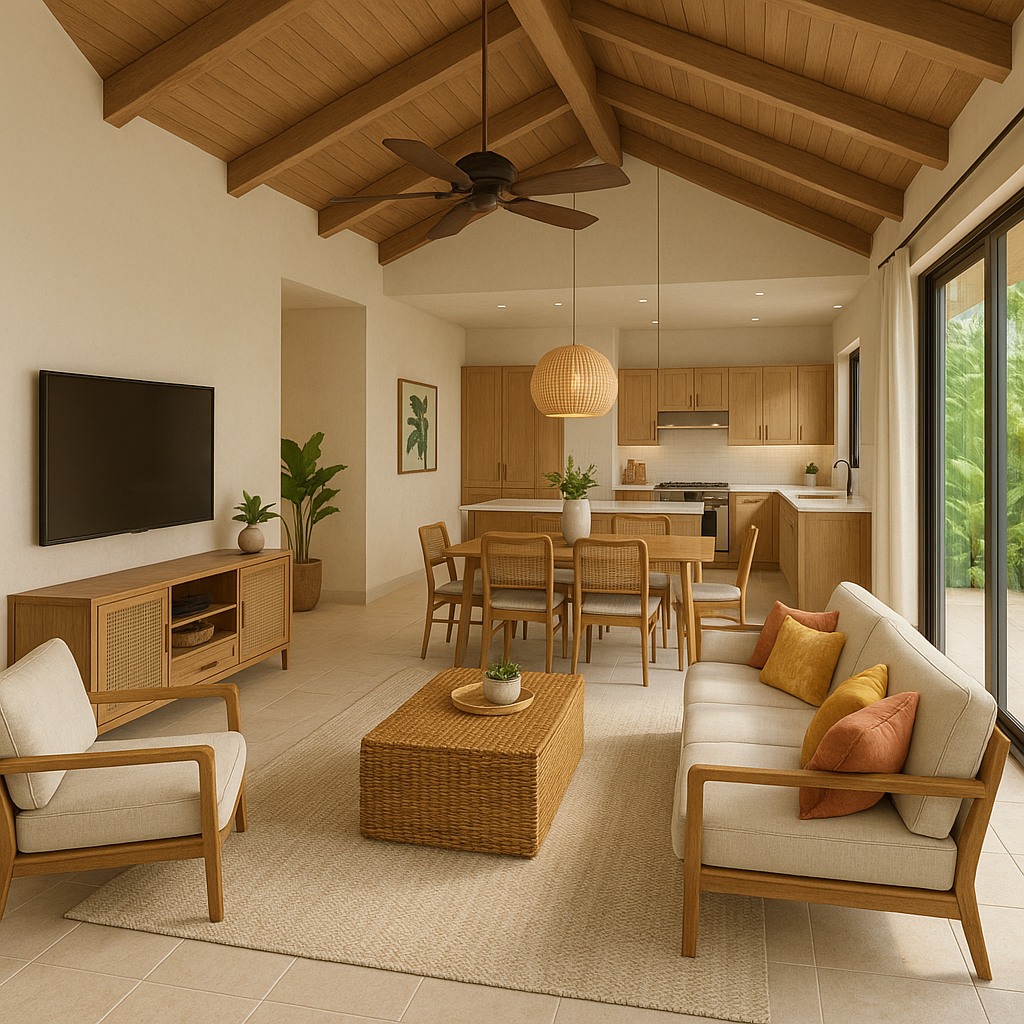
Removing unnecessary walls allows natural light to travel more freely between rooms.
Open-plan layouts are especially effective in combining:
- Living rooms
- Dining areas
- Kitchens
The result is a brighter and more spacious interior.
8. Install Clerestory Windows
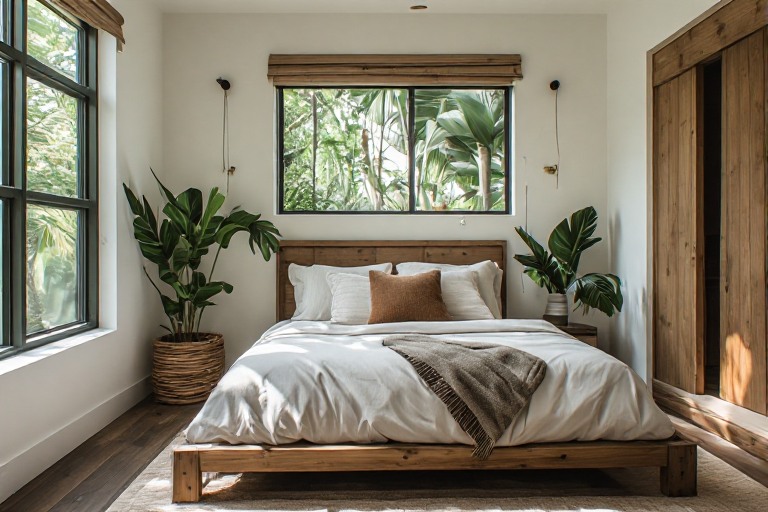
Clerestory windows are positioned high on the wall, just below the roofline.
They:
- Increase daylight
- Maintain privacy
- Improve ventilation
- Reduce dependence on electric lighting
They are particularly effective in tropical homes.
9. Consider Sun Tunnels
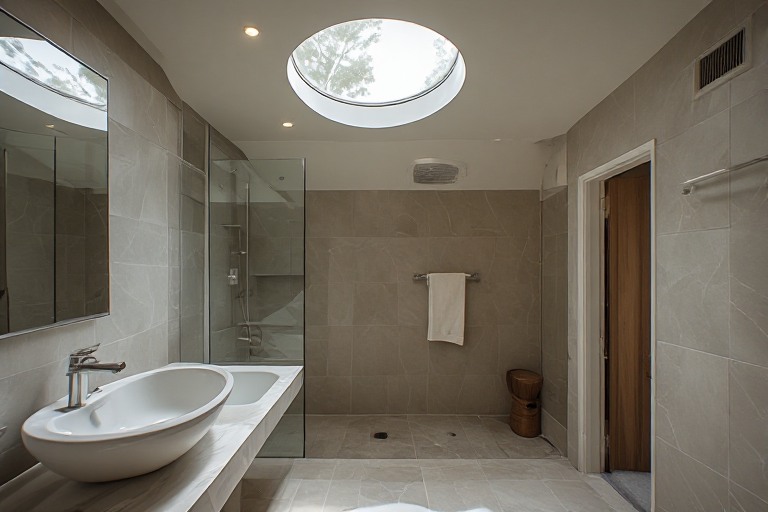
If a traditional skylight is not practical, sun tunnels offer another excellent solution.
These reflective tubes channel sunlight from the roof into interior rooms such as:
- Hallways
- Closets
- Bathrooms
- Laundry rooms
Sun tunnels require relatively little roof space while delivering surprising amounts of natural light.
10. Design a Bright Verandah
A verandah can significantly influence the lighting inside your home.
A well-designed verandah should:
- Provide shade from harsh afternoon sun.
- Allow indirect daylight to enter adjoining rooms.
- Use light-coloured flooring and ceilings to reflect additional light indoors.
This creates a comfortable balance between brightness and thermal comfort.
Tips for Tropical Homes
When designing for warm climates:
- Orient large windows to capture morning light rather than intense afternoon sun.
- Install roof overhangs to reduce heat gain.
- Use tinted or Low-E glass where appropriate.
- Combine natural lighting with cross-ventilation for improved indoor comfort.
- Plant shade trees strategically to cool the home without blocking all daylight.
Common Mistakes to Avoid
Avoid these common design errors:
- Installing windows that are too small
- Using dark wall colours throughout the home
- Blocking windows with large furniture
- Hanging heavy, dark curtains
- Neglecting roof lighting options such as skylights or sun tunnels
- Designing rooms with limited airflow
Conclusion
Natural lighting is one of the simplest and most effective ways to enhance a small home. By combining larger windows, light interior finishes, skylights, mirrors, and thoughtful room layouts, homeowners can create interiors that feel brighter, larger, and more inviting without increasing the home’s footprint.
With careful planning, even the smallest house can enjoy abundant daylight while remaining cool and energy-efficient. Investing in natural lighting not only improves the appearance of your home but also contributes to lower energy costs and a healthier, more enjoyable living environment.