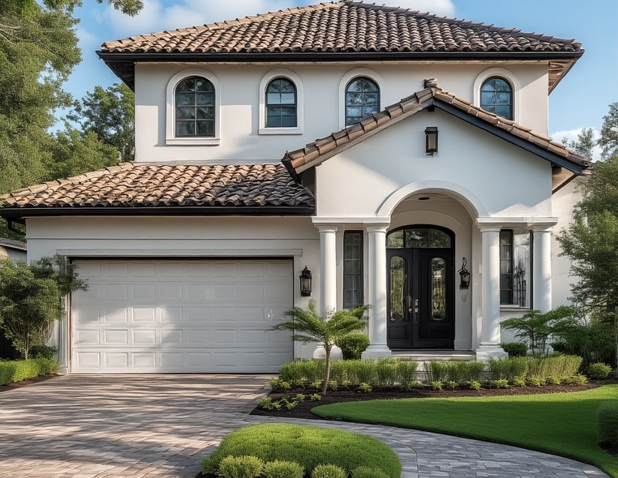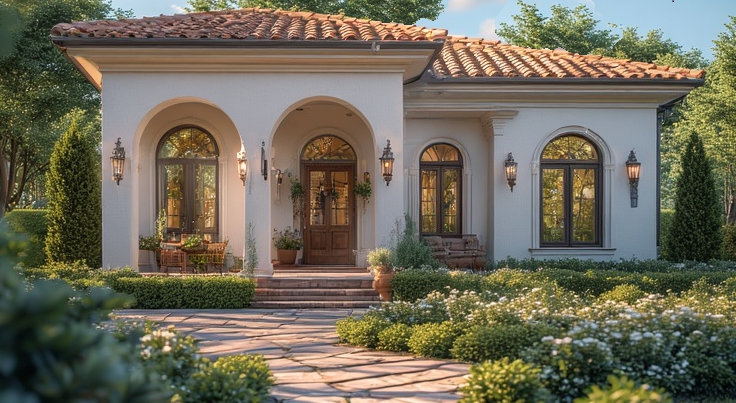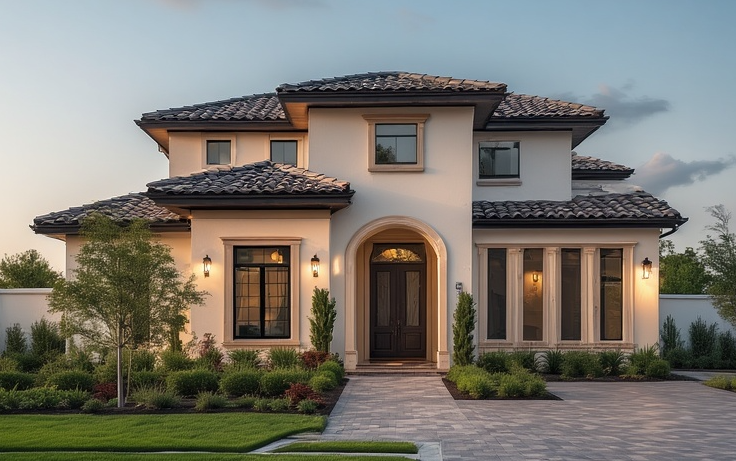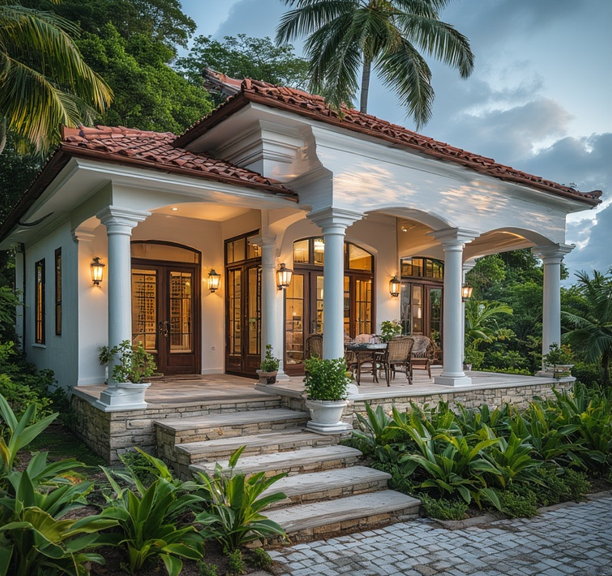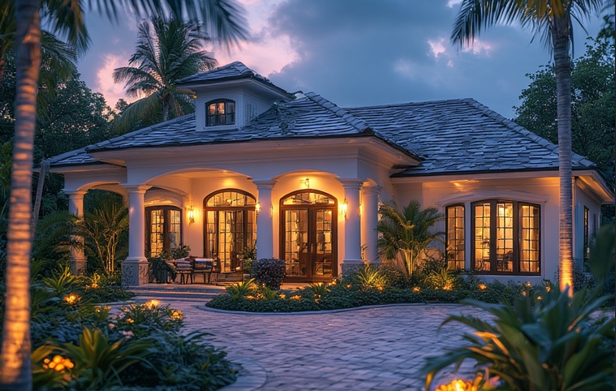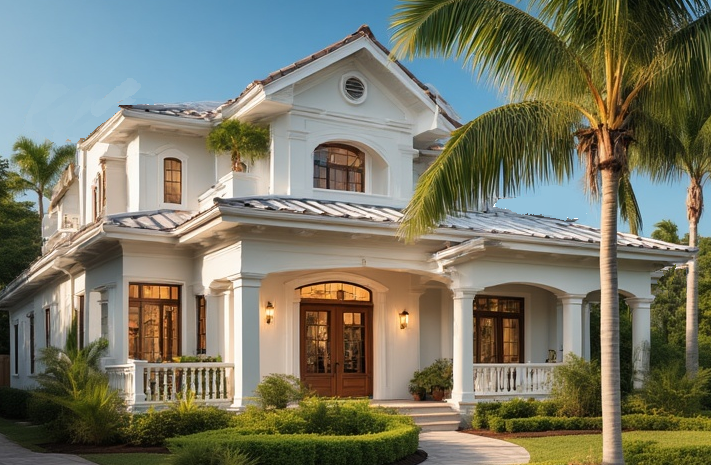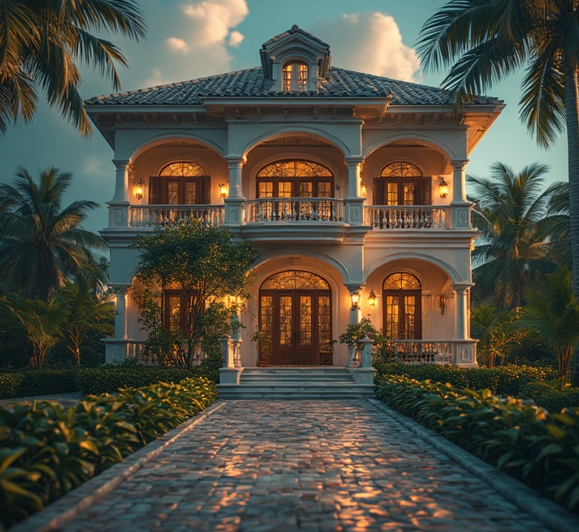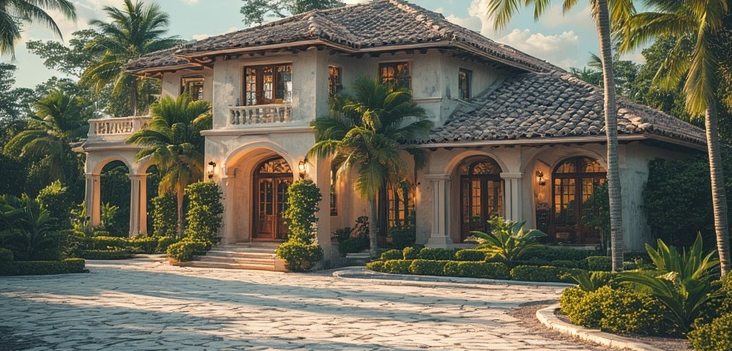

The Mediterranean or Spanish Revival design style is one of the most graceful and climate-appropriate choices for Caribbean homes — blending Old World romance with tropical practicality. It originated in the Mediterranean region (Spain, Italy, Greece, North Africa) and was later popularized in warm climates like Florida, California, and the Caribbean, where its stucco walls, tiled roofs, and shaded courtyards proved ideal for comfort and beauty.
Here’s an in-depth look at why this design style continues to thrive across the islands:
What Is the Mediterranean / Spanish Revival Style?
The Mediterranean or Spanish Revival style draws inspiration from Spanish Colonial architecture mixed with influences from Italian Renaissance, Moorish, and Andalusian design. It became popular in the Caribbean during the early 20th century, particularly in upscale coastal areas and resort towns.
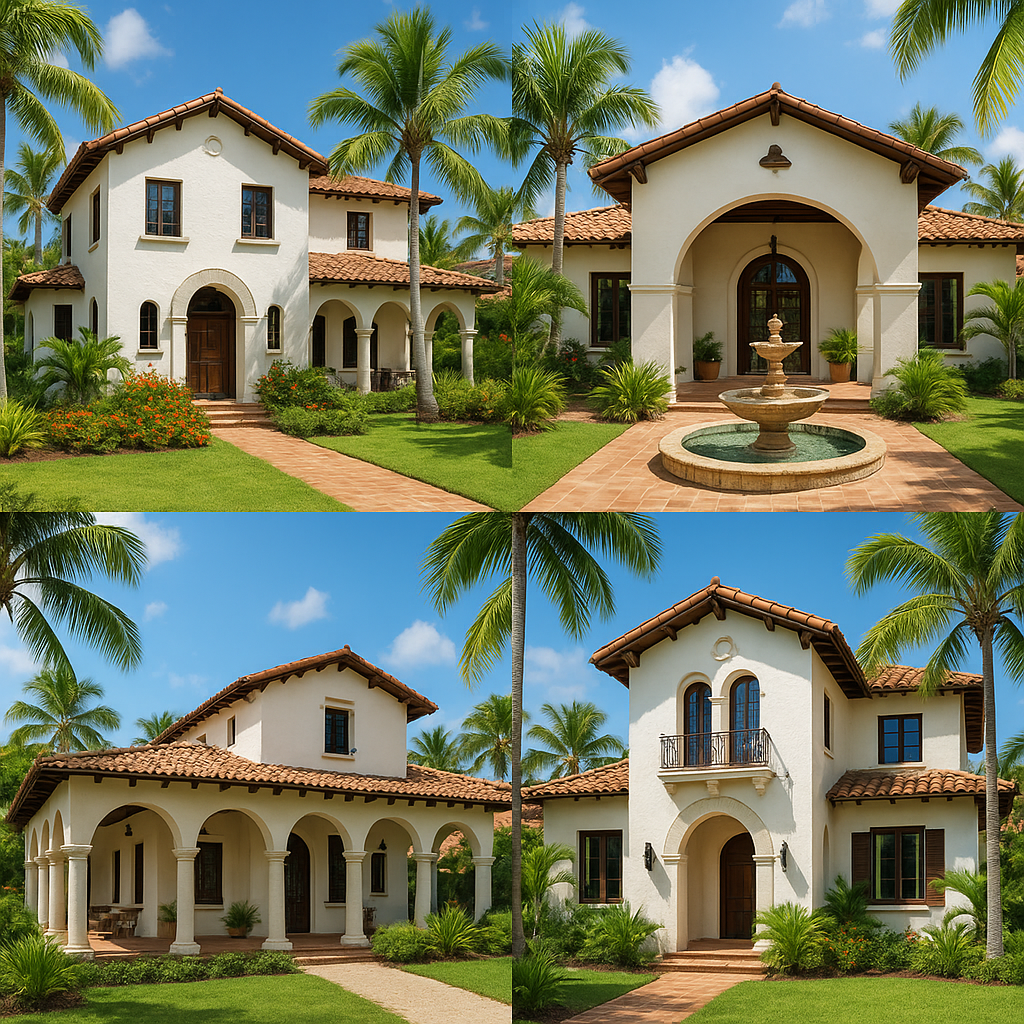
It’s known for its romantic, sun-drenched character, with homes featuring:
- White or cream stucco walls
- Red clay tile roofs
- Arched doorways and windows
- Wrought iron balconies and railings
- Wooden beams and carved doors
- Courtyards and fountains
- Lush gardens with tropical plants and terracotta walkways
This style embraces simplicity and harmony with nature, using thick walls and shaded spaces to keep interiors cool.
Why Choose the Mediterranean / Spanish Revival for a Caribbean Home
1. Perfect for Hot, Sunny Climates
Choosing the Mediterranean or Spanish Revival style for a Caribbean home is an excellent decision, particularly for hot, sunny climates. This architectural style features thick stucco or masonry walls that effectively absorb and release heat slowly, ensuring that interiors remain cool even during the hottest days. Additionally, clay tile roofs are designed to reflect sunlight and withstand heavy rain, making them ideal for tropical weather conditions. The incorporation of arched openings and shaded courtyards enhances natural ventilation, promoting a comfortable atmosphere. Verandas, pergolas, and covered patios further facilitate seamless indoor-outdoor living, resulting in a home that feels naturally cool, peaceful, and welcoming year-round.
2. Durable and Low Maintenance
The use of stucco and clay tiles, common in these architectural styles, provides excellent resistance to the harsh elements of salt air, humidity, and tropical weather conditions. Unlike wood or metal finishes, which often require frequent upkeep, these materials demand minimal maintenance, allowing homeowners to enjoy their surroundings without the constant worry of repairs. With proper sealing, Mediterranean homes can endure decades of exposure to the tropics, resulting in long-term durability and significantly reduced maintenance costs.
3. Romantic and Timeless Aesthetics
Choosing the Mediterranean or Spanish Revival style for a Caribbean home offers a romantic and timeless aesthetic that beautifully combines historical charm with a sense of simplicity. This architectural style exudes warmth and elegance, creating inviting spaces that feel both luxurious and relaxed. Distinctive interior details, such as arched hallways, terracotta floors, and rustic wooden beams, infuse personality into the home, making it a perfect fit for those who appreciate classical European design with a Caribbean twist. The result is a stunning residence that harmonizes with its coastal or hillside surroundings, providing a serene retreat that embodies both sophistication and tranquility.
4. Ideal for Scenic Properties
Choosing the Mediterranean or Spanish Revival style for a Caribbean home is an inspired decision, particularly for properties boasting stunning scenic views. This architectural style inherently frames the breathtaking vistas of the ocean, rolling hills, or lush gardens through elegant arches and inviting balconies. The design emphasizes outdoor living, featuring courtyards and terraces that serve as private sanctuaries for dining or lounging, allowing residents to fully immerse themselves in the natural beauty surrounding them. Furthermore, the style harmonizes beautifully with iconic Caribbean elements such as palm trees, bougainvillea, and vibrant tropical gardens, resulting in a home that seamlessly connects with its landscape rather than standing apart from it.
Key Architectural Features
| Feature | Purpose / Benefit |
|---|---|
| Stucco or Plaster Walls | Keeps interiors cool, resists humidity. |
| Clay Tile Roofs | Withstand rain, wind, and heat while adding rustic beauty. |
| Arches & Columns | Add flow, shade, and old-world elegance. |
| Courtyards & Fountains | Provide a natural cooling effect and aesthetic centerpiece. |
| Wrought Iron Detailing | Adds artistic character and durability for railings and gates. |
| Wooden Beams & Carved Doors | Infuse warmth and authenticity. |
| Terracotta or Stone Floors | Stay cool underfoot in hot weather. |
Design and Color Palette
- Exterior Colors: White, cream, ochre, coral, terracotta, or soft sand tones.
- Roof: Red or orange clay tiles (sometimes weathered or rustic).
- Accents: Dark wood, wrought iron, and colored tiles (blues, greens, yellows).
- Landscape: Terraced gardens, palms, tropical vines, and bougainvillea for contrast.
- Lighting: Lanterns, sconces, and warm golden glows complete the romantic atmosphere.
What to Know Before Building
| Aspect | Consideration |
|---|---|
| Best Lot Type | Ideal for coastal, hillside, or sun-exposed areas. |
| Materials | Locally available substitutes like concrete stucco and ceramic tiles reduce cost. |
| Maintenance | Stucco may need repainting every 5–10 years; clay roofs require little upkeep. |
| Modern Adaptations | Integrate solar panels, wide hurricane eaves, and reinforced concrete framing for tropical resilience. |
| Interior Flow | Plan open, airy rooms with connecting courtyards and natural light. |
Why It’s Popular in the Caribbean
The Mediterranean and Spanish Revival design styles have gained immense popularity in the Caribbean due to their perfect adaptation to the region’s unique climate and environment. These architectural styles harmonize beautifully with the intense Caribbean light, heat, and sea air, creating inviting spaces that enhance the outdoor lifestyle. They evoke the romance of old-world villas, infusing homes with a sense of tropical warmth and charm that resonates with both residents and visitors alike. Furthermore, these designs seamlessly blend luxury with durability, making them ideal for vacation homes or year-round residences. Their compatibility with eco-living features, such as rainwater harvesting systems, solar roofs, and natural ventilation, adds to their appeal, ensuring that these homes are not only aesthetically pleasing but also sustainable and practical for modern living.
In Summary
In conclusion, the Mediterranean/Spanish Revival style embodies a harmonious blend of classic beauty and modern efficiency, making it an ideal choice for those seeking a home that reflects both elegance and practicality. With its energy-efficient interiors and durability in coastal climates, this architectural style not only enhances aesthetic appeal but also ensures long-lasting comfort. The seamless integration of indoor and outdoor living spaces fosters a lifestyle that embraces nature and relaxation. For anyone dreaming of a residence that captures the essence of sunlit seaside living, the Mediterranean/Spanish Revival style stands out as a timeless and sophisticated option that will continue to enchant for years to come.
If you dream of a home that feels like a sunlit seaside villa with the heart of the tropics, this design is a perfect match.
Here are eight more designs.