

In contemporary interior design, the interplay between light and orientation plays a pivotal role in shaping both the aesthetics and functionality of residential spaces. Natural light, as a vital element, not only enhances the visual appeal of a home but also profoundly influences the inhabitants’ well-being and productivity. Understanding how to effectively harness and manipulate light through strategic orientation and placement can transform an ordinary dwelling into a sanctuary of comfort and harmony.
This article delves into the essential principles of light and orientation, examining how architectural choices, window placements, and material selections can optimize sunlight exposure while minimizing glare and heat loss. Furthermore, we will explore the psychological and physiological effects of light on residents, highlighting the importance of creating environments that foster relaxation, focus, and overall quality of life.
By integrating these considerations into home design, homeowners and architects alike can cultivate spaces that not only resonate with beauty but also support the diverse needs of their occupants. As we navigate the intricacies of light and orientation, we invite readers to rethink traditional design paradigms and embrace a holistic approach that prioritizes illumination as a cornerstone of home architecture.
Importance of Natural Light in Homes
Natural light plays a crucial role in creating a healthy and inviting living environment. It not only enhances the overall mood of a space but also contributes to the well-being of its inhabitants. A bright and airy home can significantly improve mental health, as exposure to natural light is known to elevate serotonin levels, reducing feelings of depression and anxiety. Furthermore, utilizing natural light can lead to reduced energy costs, as it decreases the reliance on artificial lighting during the day. By incorporating larger windows, skylights, or open floor plans, homeowners can harness the benefits of sunlight, fostering a more vibrant and energy-efficient living space.
Types of Artificial Lighting Available
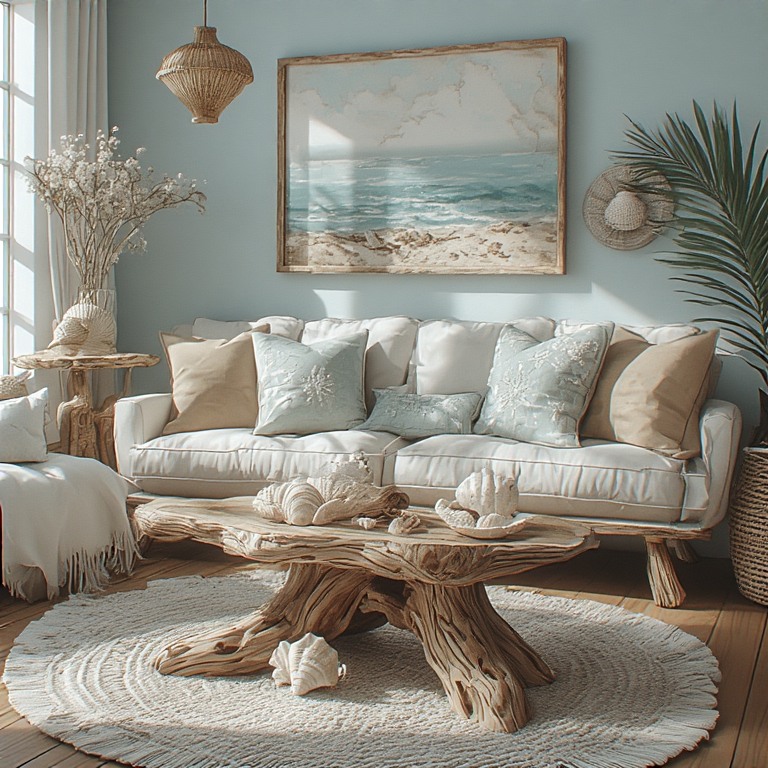
Understanding the various types of artificial lighting available is crucial for enhancing both the functionality and aesthetics of your home environment. Artificial lighting can be categorized into three primary types: ambient, task, and accent lighting.
- Ambient lighting serves as the foundational illumination, providing general brightness that allows for safe navigation throughout a space.
- Task lighting, on the other hand, focuses on specific areas where activities such as reading, cooking, or working occur, ensuring that these tasks can be performed with clarity and ease.
- Accent lighting adds a decorative element, drawing attention to architectural features, artwork, or particular spaces within a room.
By carefully selecting and layering these different types of lighting, homeowners can create versatile and inviting atmospheres that cater to their individual needs and preferences.
Strategically orienting spaces within a home is essential for maximizing the benefits of natural light, ultimately leading to improved overall orientation and functionality. When designing a living space, considerations should include the direction of windows, the placement of walls, and the arrangement of furniture to allow sunlight to penetrate deeper into the interior. For instance, positioning larger windows on the south side of a home can capture sunlight throughout the day, while thoughtful placement of mirrors can reflect light, making spaces feel brighter and more open. Additionally, creating an open floor plan can facilitate the flow of natural light from one room to another, enhancing the visual connectivity between spaces. The deliberate planning of these elements not only contributes to energy efficiency but also fosters a serene and uplifting atmosphere, positively impacting the mood and well-being of the inhabitants.
Strategies for Optimal Indoor Orientation
Effective indoor orientation is crucial for maximizing natural light exposure and enhancing the overall functionality of a space throughout the day. To achieve optimal indoor orientation, it is essential to consider the movement of the sun and the specific activities that will take place in each room. For instance, positioning living areas such as the living room and kitchen on the south side of a building allows for maximum sunlight during the day, creating a warm and inviting atmosphere. In contrast, bedrooms, which benefit from cooler temperatures and reduced glare, can be strategically placed on the north side, where they can receive softer, indirect light. Such thoughtful room placement not only improves the aesthetic appeal of a home but also contributes to energy efficiency, reducing the need for artificial lighting and climate control.
Furthermore, incorporating large windows, skylights, and open layouts can significantly enhance the effectiveness of indoor orientation. These design elements can facilitate the flow of natural light, creating bright, airy spaces that promote well-being and productivity. Additionally, using reflective surfaces and light-colored materials can amplify the effects of natural light, making rooms feel even more spacious and inviting. It is also important to consider the surrounding environment, such as trees and neighboring buildings, which may cast shadows on specific areas throughout the day. By conducting a thorough analysis of these factors and integrating them into the design process, homeowners can create a harmonious indoor environment that not only maximizes light exposure but also enhances the functionality and comfort of their living spaces. (Learn more about strategies for optimal indoor orientation, click here).
Choosing Appropriate Window Treatments
When selecting window treatments for your home, it is essential to choose options that effectively control light while also ensuring privacy and enhancing the aesthetic appeal of your interiors. Window coverings serve multiple purposes; they can filter natural light, block out unwanted glare, and create a cozy atmosphere. Additionally, the right window treatments can act as a stylish design element that complements your home’s decor. From elegant drapes to sleek blinds and versatile shades, each type offers unique benefits. Considering the functionality, style, and material of your chosen window coverings will ultimately help you achieve a harmonious balance between light control, privacy, and beauty in your living space.
Effects of Artificial Lighting Choices
Choosing the appropriate artificial lighting can significantly impact the ambiance, productivity, and energy efficiency of your living spaces. Different types of bulbs, such as LED, incandescent, and fluorescent, each emit distinct qualities of light that can alter the mood of a room. For example, warm-toned bulbs create a cozy and inviting atmosphere, ideal for living rooms and bedrooms, while cooler, brighter lights are more suitable for workspaces, promoting focus and productivity. Additionally, energy-efficient options like LED bulbs not only reduce electricity consumption but also have a longer lifespan, leading to cost savings over time. Therefore, making informed lighting choices is essential for enhancing both comfort and functionality in your home.
Creating Balance Between Light Sources
Creating a balance between light sources is essential for establishing a comfortable and inviting atmosphere within the home. The interplay between natural and artificial light can significantly influence the mood and functionality of a space. By maximizing natural light during the day, homeowners can foster a sense of openness and vitality, enhancing their connection with the outdoors. However, as daylight fades, the introduction of thoughtful artificial lighting becomes crucial. Layering different types of artificial light, such as ambient, task, and accent lighting, allows for versatility and can highlight architectural features or create cozy nooks for relaxation. Ultimately, achieving harmony between these light sources contributes to a well-rounded and aesthetically pleasing environment.
In conclusion, the thoughtful interplay between light and orientation is not merely a design choice but a foundational aspect of contemporary interior design that significantly influences the quality of life within residential spaces. By strategically harnessing natural light through careful architectural decisions, window placements, and material selections, homeowners can create environments that not only enhance aesthetic appeal but also promote well-being and productivity. As we continue to recognize the profound impact of our surroundings on our mental and physical health, prioritizing the optimization of light in our living spaces becomes increasingly vital. Ultimately, embracing these principles allows us to transform our homes into sanctuaries of comfort and harmony, where both function and beauty coexist seamlessly.
MORE ARTICLES
-

10 Ideas designed for a Caribbean Tropical Home
These ideas are designed for a Caribbean tropical home, where the emphasis is on natural materials, breezy spaces, vibrant foliage, and seasonal changes that fit the local climate rather than four distinct temperate seasons. 1. Tropical Spring Refresh To create a refreshing ambiance in a Caribbean tropical home, the concept of a “Tropical Spring Refresh”…
-

How to Make Your Own Bubble Diagram
A bubble diagram in architecture is a quick, loose way of planning how spaces relate to each other before you start drawing walls, doors, or exact dimensions. Think of it as the logic underneath the floor plan. Instead of drawing a bedroom as a precise 12′ × 14′ rectangle, you draw a bubble labelled Bedroom.…
-
Remedies for Slopes, Corners & Sharp Angles
In the realms of architecture and feng shui, a significant overlap exists in their fundamental principles, despite the different terminologies used. Feng shui emphasizes the concept of “chi,” which refers to the vital energy that flows through spaces, affecting the well-being of individuals. Architects, on the other hand, focus on aspects such as circulation, sight…