

In any kitchen—whether a bustling restaurant or a cozy home—the interplay of flow, safety, and efficiency is crucial to creating a productive environment. Effective movement within the kitchen not only enhances the culinary experience but also plays a significant role in ensuring the safety of chefs and home cooks alike. This article delves into the essential elements of kitchen flow, highlighting the importance of an optimal workflow that minimizes unnecessary steps and fosters a harmonious atmosphere for food preparation.
Additionally, we will explore critical fire safety measures that every kitchen should implement to prevent accidents and protect both personnel and property. By analyzing best practices in movement and workflow, as well as emphasizing the importance of fire safety protocols, this article aims to provide valuable insights for anyone looking to elevate their kitchen experience. Whether you are a professional chef or a passionate home cook, understanding the dynamics of flow and safety will empower you to create delicious meals with confidence and peace of mind. Join us as we navigate the intersection of culinary creativity and safety, ensuring that every dish is crafted in an environment that prioritizes both efficiency and well-being.
Optimize movement for kitchen efficiency.
In any kitchen, optimizing movement is crucial for enhancing efficiency and productivity. By strategically arranging workstations and tools, chefs can minimize unnecessary steps and streamline their processes. This involves placing frequently used items within easy reach, ensuring that cooking utensils, ingredients, and appliances are organized in a logical manner. Additionally, creating designated zones for specific tasks—such as prepping, cooking, plating, and cleaning—can help to reduce clutter and allow for a smooth workflow. Implementing a well-thought-out kitchen layout not only saves time but also reduces fatigue for the staff, ultimately leading to a more enjoyable cooking experience and higher quality dishes.
Establish a streamlined workflow system.
To create an efficient cooking environment, establishing a streamlined workflow system in the home kitchen is essential. Start by organizing your workspace, ensuring that all necessary tools and ingredients are easily accessible. Arrange utensils, pots, and pans in a logical order, placing frequently used items within easy reach. Additionally, create a designated prep area where vegetables can be washed, chopped, and assembled without clutter. Implement a systematic approach to cooking by following a step-by-step process, which includes prepping ingredients before starting to cook. This not only saves time but also reduces stress, allowing for a more enjoyable cooking experience. Regularly clean as you go to maintain an organized space, making the entire cooking process efficient and pleasant.
Implement essential fire safety measures.
Implementing essential fire safety measures in the home kitchen is crucial for preventing accidents and ensuring the well-being of all occupants. First and foremost, it is vital to install smoke detectors and test them regularly to ensure they are functioning correctly. Additionally, keeping a fire extinguisher nearby, particularly one rated for kitchen use, can provide quick access to tackle small fires before they escalate. It is also important to maintain a clutter-free cooking space, as this reduces the risk of flammable materials igniting. Never leave cooking food unattended, and always keep flammable items, like dish towels and paper, away from the stovetop. Regularly check that all appliances are in good working condition and unplug any that are not in use. Furthermore, educating all household members about fire safety, including how to use a fire extinguisher and what to do in case of a fire, enhances preparedness. Lastly, establishing a clear escape plan ensures that everyone knows the safest exit routes and where to meet outside in case of an emergency. By taking these proactive steps, homeowners can significantly reduce the risk of kitchen fires and create a safer environment for themselves and their families.
Organize tools for quick access.
In the heart of every home lies the kitchen, a space where culinary creativity flourishes. To enhance this experience, organizing tools for quick access is essential. Start by categorizing utensils, pots, and pans according to their function. Place frequently used items, such as knives, spatulas, and measuring cups, in a designated drawer or on a magnetic strip for easy reach. Utilize drawer dividers to keep things tidy and eliminate the frustration of rummaging through clutter. Consider using open shelving for pots and pans, allowing for both accessibility and visual appeal. Labels can also play a crucial role in maintaining order, ensuring that everything has its place. By implementing these organizational strategies, you can transform your kitchen into a streamlined workspace that encourages efficiency and inspires culinary adventures. The result is not just a more functional kitchen, but a space that fosters joy and creativity in cooking.
Prioritize cleanliness to ensure safety.
Maintaining a clean kitchen is essential for ensuring safety in the home. A tidy environment minimizes the risk of accidents and foodborne illnesses, making it a priority for anyone who enjoys cooking. Regularly cleaning surfaces, utensils, and appliances helps to eliminate harmful bacteria and reduces the likelihood of cross-contamination. It is important to establish a routine that includes wiping down counters, washing cutting boards, and sanitizing sinks and dishcloths. Furthermore, proper food storage and organization play a crucial role in maintaining kitchen hygiene. By prioritizing cleanliness, individuals can create a safe cooking environment that promotes health and well-being for everyone in the household.
When designing a kitchen, it is essential to consider the layout for optimal functionality and safety. A crucial guideline is to maintain a minimum distance of 42 inches between counters, which allows for easy movement and ensures that multiple people can work in the kitchen simultaneously without feeling cramped. Additionally, placing the sink between the stove and refrigerator is recommended for the best workflow; this arrangement facilitates efficient meal preparation and cleanup. Moreover, it is important to avoid positioning the stove directly under a window or near doorways, as this raises fire safety concerns and could pose risks in the event of an emergency. By adhering to these design principles, a kitchen can be both practical and safe.
Typical Kitchen Elevation Measurements
Standard dimensions used in most kitchen designs:
| Element | Standard Height |
|---|---|
| Base cabinets | 34.5 in (876 mm) |
| Countertop height | 36 in (914 mm) |
| Space between counter and upper cabinets | 18 in (457 mm) |
| Upper cabinet height | 30–36 in |
| Total wall height used | 7–8 ft typical |
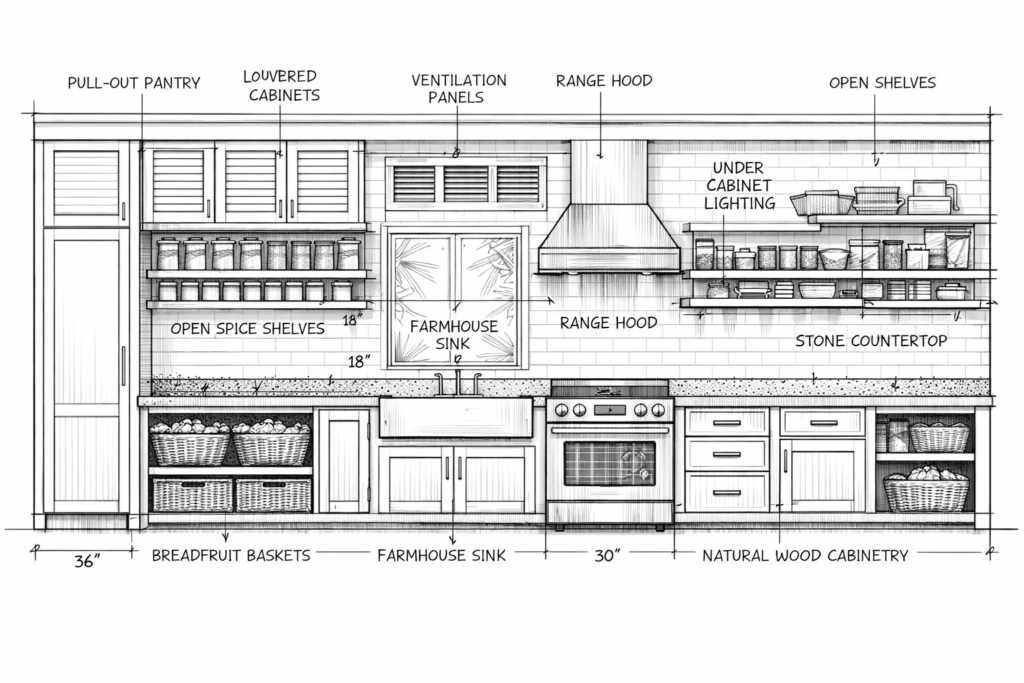
Why Elevation Drawings Matter
Architects and cabinet makers use this view to show:
- Exact cabinet widths
- Cabinet placement
- Appliance positions
- Electrical outlets
- Lighting under cabinets
- Vent hood placement
In conclusion, achieving an efficient flow and ensuring safety in the kitchen are essential components of successful culinary operations. By optimizing movement and establishing a best workflow, kitchen professionals can enhance productivity while minimizing the risk of accidents. Additionally, prioritizing fire safety through proper training and the implementation of safety protocols is crucial in maintaining a secure cooking environment. By focusing on these key elements, chefs and kitchen staff can create a harmonious workspace that fosters creativity and efficiency, ultimately leading to exceptional culinary experiences.