

You don’t “place” water randomly in feng shui—you position it to support flow, not fight it. Get this right, and the space feels naturally calm. Get it wrong, and something just feels off no matter how nice it looks.
Let’s start this in simple, usable principles.
1. Start With Direction (This matters most)
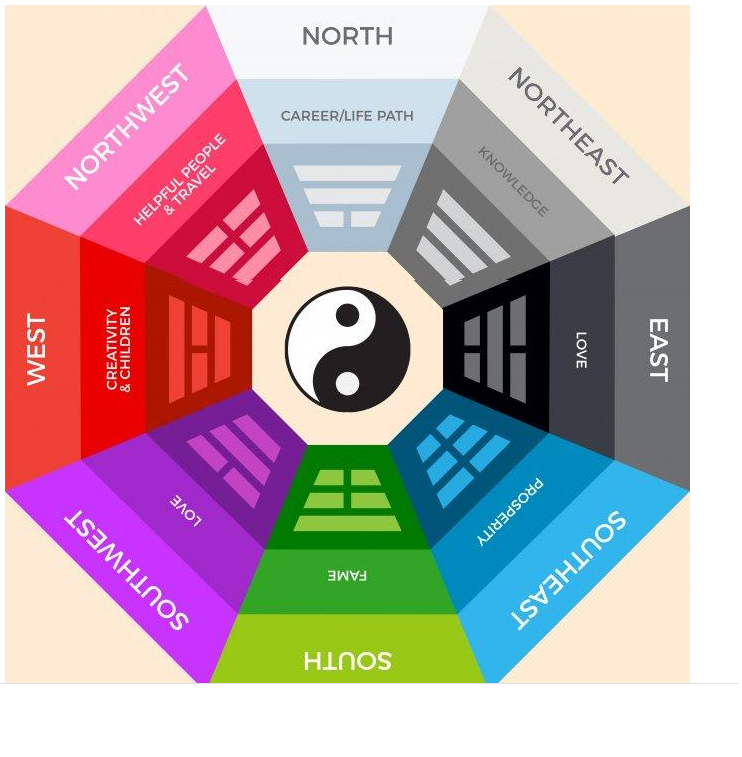
In feng shui, water represents flow, wealth, and opportunity. So direction matters. You can place your water fountains in the North, East or Southeast. North (Career / Life Path) is thebest placement. East (Health / Family) supports growth, while Southeast (Wealth / Abundance) can be a strong choice. Thus, you should avoid: South (Fire element) because water weakens it and the Center of the yard as it disrupts overall balance Remenber the simple rule: If you’re unsure, go North or Southeast. Safe and effective.
2. Position Relative to Your House (Critical)
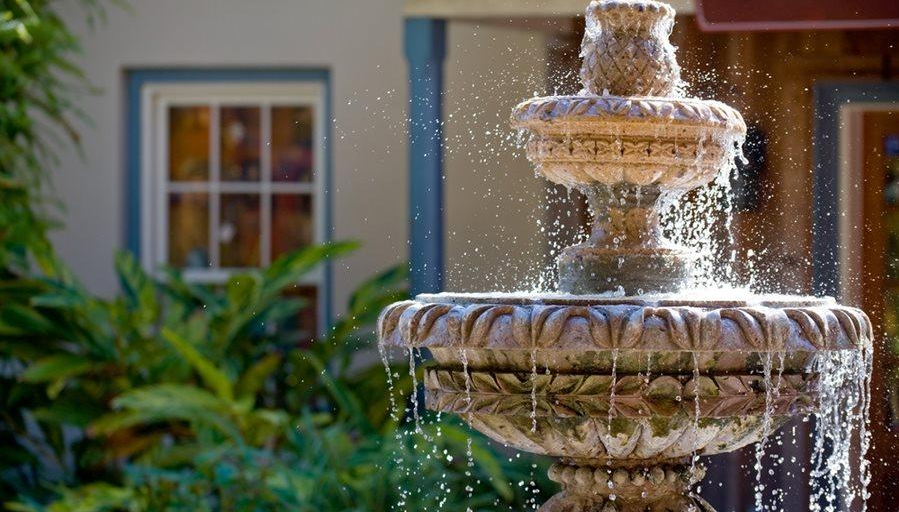
The placement of water features in relation to your front door is more crucial than their size. To maximize the positive energy associated with water, it should be positioned where it is easily visible from the entrance or main living area of the home. Ideally, the water feature should be located in front of the house rather than hidden behind it. This visibility allows the incoming energy to flow toward the home, enhancing its welcoming atmosphere. Additionally, positioning the water feature slightly off-center, without directly blocking pathways, ensures a harmonious balance that invites energy to approach the house rather than remain stagnant.
3. Flow Direction (Subtle but powerful)
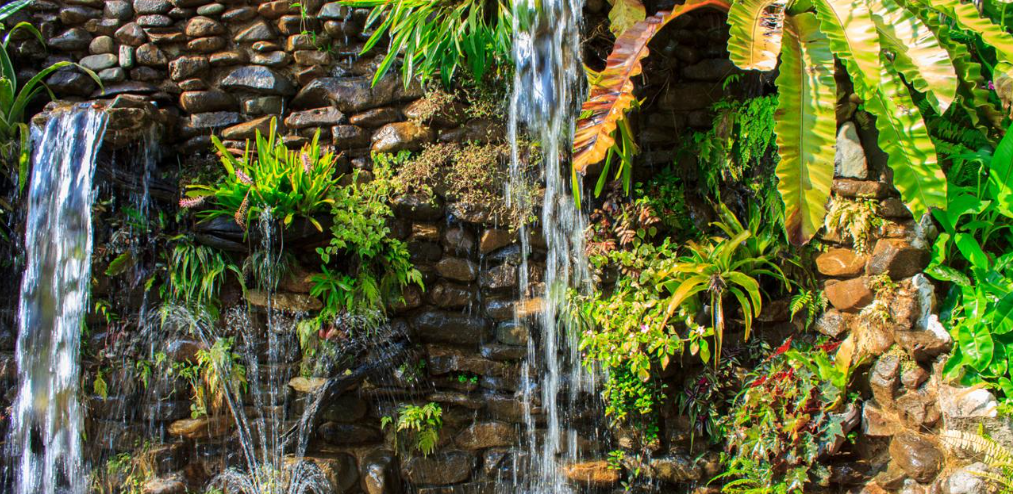
When designing your water feature, consider that movement is a central aspect, as it greatly contributes to the overall ambiance of the space. The water should flow toward the house, creating a welcoming and inviting atmosphere, rather than moving away, which could convey a sense of loss or disconnection. Avoid any aggressive or chaotic movements in the water, as these can disrupt the tranquility of the environment. Instead, envision the energy of the water as something that comes in and gathers, fostering a sense of peace and harmony. This gentle flow encourages a soothing experience, enhancing the connection between the natural elements and the home.
4. Work With Your Natural Environment (Don’t force it)
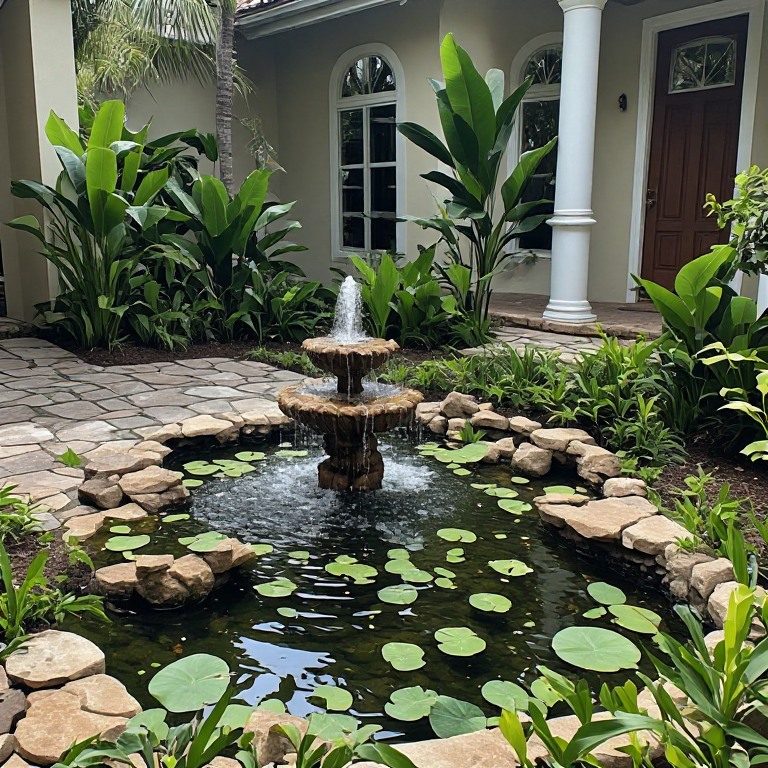
In a Caribbean setting, the principles of feng shui blend seamlessly with common sense to create an environment that is both harmonious and practical. One of the key considerations is the placement of water features; it’s best to position them in areas that receive partial shade, as this helps to reduce algae growth and keeps the water cooler. Additionally, aligning water elements with the natural airflow of the space encourages the movement of cool air, enhancing the overall comfort of the environment. It’s also important to avoid low, stagnant corners where water can accumulate and become heavy. Ultimately, good feng shui should always feel practical rather than mystical, promoting a sense of balance and tranquility in one’s surroundings.
5. Scale and Proportion (Quiet authority)
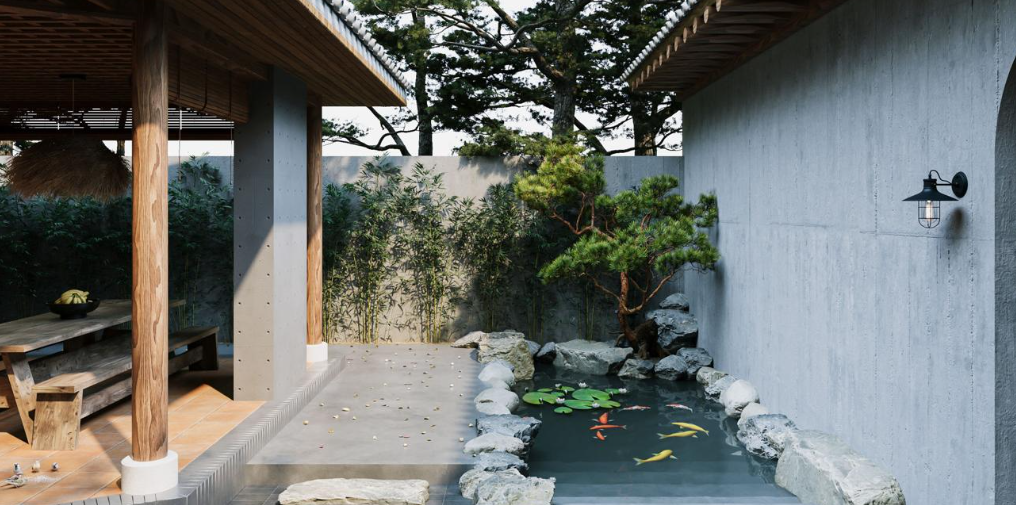
When designing a modest home, it’s essential to maintain a sense of proportion that complements the available space. This approach ensures that the home feels cohesive and functional rather than overwhelming. Focus on one strong architectural feature that serves as a focal point, rather than scattering multiple smaller elements throughout the design. This strategy not only simplifies the aesthetic but also enhances visual appeal. Clean lines contribute to a modern and uncluttered look, while also making maintenance easier. Remember, the goal is not to create a lavish resort but to build a practical space that you will genuinely use and enjoy.
What to Avoid (This ruins the effect)
- Water directly behind the house (energy drains away) – This arrangement can lead to energy drain, as the tranquil allure of water is often overshadowed by the presence of the home itself. Instead of creating a serene retreat, a pond in this location may feel isolated and neglected, lacking the vibrant interaction between the natural and built environments that many homeowners seek. The best position ensures the pond becomes a focal point that enhances the visual and sensory experience of the property.
- Placing it where it’s never seen or heard – Placing the pond in a spot where it is rarely seen or heard can severely undermine its intended impact. A pond should be an inviting feature, drawing people in and encouraging engagement with the surrounding nature. When hidden from view or situated in a location where the soothing sounds of water are muffled or entirely absent, the pond’s potential to create a calming atmosphere is lost.
- Overly loud waterfalls (creates agitation, not calm) – While the sound of cascading water can be soothing in moderation, excessively loud waterfalls can create an atmosphere of agitation rather than calm. The auditory experience of a pond should evoke relaxation, encouraging visitors to unwind and connect with nature. Therefore, choosing a location where the sound of water is gentle and harmonious with the surrounding environment is crucial to fostering a peaceful retreat.
- Letting it become dirty or stagnant – Allowing the pond to become dirty or stagnant not only detracts from its visual appeal but can also lead to detrimental effects on local wildlife and plant life. Stagnant water is often a breeding ground for algae and other unwanted organisms, which can disrupt the natural balance of the ecosystem. Regular maintenance, including aeration, filtration, and the removal of debris, can help ensure that the pond remains a vibrant and healthy environment. By prioritizing these aspects of pond design and upkeep, one can create a harmonious outdoor space that promotes relaxation and enjoyment.
Conclusion
Feng Shui, when practiced correctly, is more thant superstition; it embodies the principles of alignment, direction, flow, visibility, and proportion. At its core, Feng Shui is not simply about the placement of decorative elements like water features, but rather a thoughtful consideration of how energy, or “qi,” enters and settles within a space. Each element in your environment plays a vital role in influencing the energy flow, impacting your well-being, productivity, and overall harmony. By understanding and applying these principles, you create an atmosphere that fosters balance and positivity, transforming your surroundings into a sanctuary that nurtures both mind and spirit.