

Feng Shui is based on the idea that the way furniture, doors, windows and decorative elements are arranged influences how energy, or Chi, flows through a home. Each room has a different purpose, and thoughtful placement of furniture and décor is believed to support that purpose—whether it is rest, productivity, family connection or relaxation.
While these principles come from traditional Chinese philosophy rather than scientific evidence, many overlap with practical interior design concepts such as creating clear pathways, maximizing natural light and reducing clutter.
1. The Living Room – The Heart of the Home
Represents: Family, Friendship, Social harmony and Relaxation
The living room is where family members gather and guests are welcomed. Feng Shui encourages an inviting, balanced layout that promotes conversation and comfort.
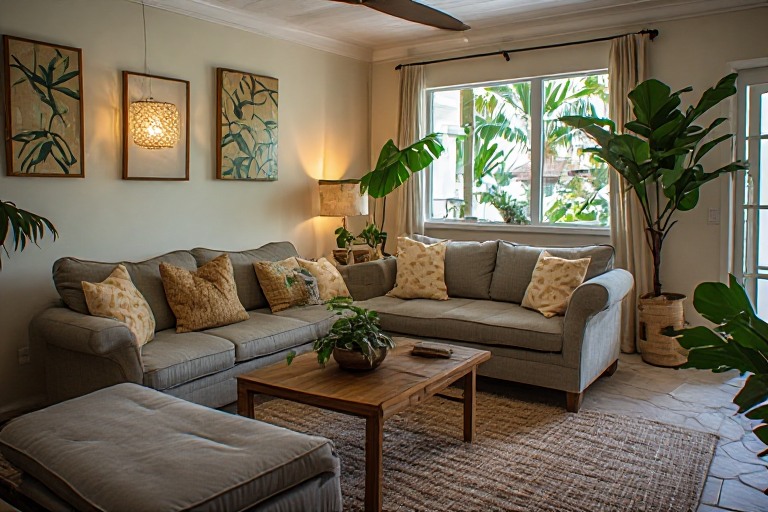
Ideal Energy Placement
✔ Position the main sofa so occupants can see the entrance without sitting directly in line with it (often called the command position).
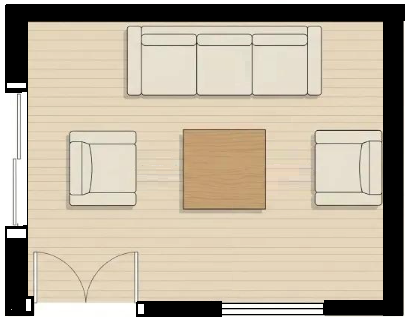
✔ Arrange seating in a circular or U-shaped layout to encourage conversation.
✔ Keep pathways open so energy can flow freely through the room.
✔ Use healthy plants to soften corners and bring life into the space.
✔ Add warm lighting to create a welcoming atmosphere.
Avoid
- Furniture blocking doorways.
- Sharp furniture corners pointing directly at seating.
- Excessive clutter.
2. The Bedroom – A Place of Rest
Represents: Health, Relationships, Peace, and Restoration.
The bedroom should feel calm and protected.
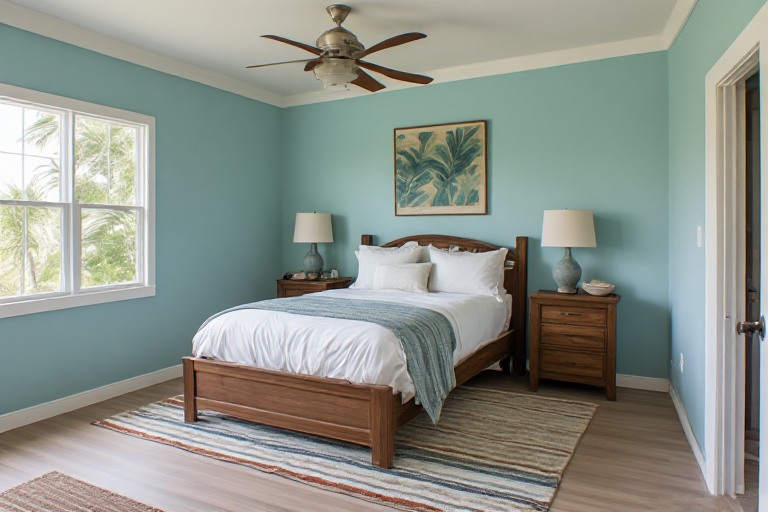
Ideal Energy Placement
✔ Place the bed against a solid wall.
✔ Position the bed where you can see the door without being directly in line with it.
✔ Use matching bedside tables to symbolize balance.
✔ Choose calming colours.
✔ Leave space on both sides of the bed whenever possible.
Avoid
- Mirrors directly reflecting the bed.
- Storage under the bed if it creates clutter.
- Large electronics near the bed.
3. The Kitchen – Nourishment and Prosperity
Represents: Wealth, Health and Family nourishment
In Feng Shui, the kitchen is often associated with abundance because it is where food is prepared.
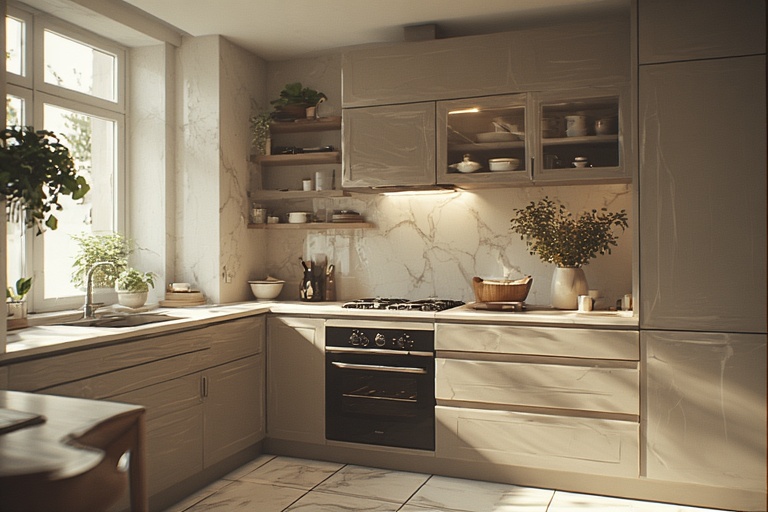
Ideal Energy Placement
✔Keep work areas clean and organized.
✔ Ensure the stove is well maintained.
✔ Allow plenty of natural light.
✔ Store knives safely out of sight.
✔ Include herbs or small indoor plants if practical.
Avoid
- Cluttered countertops.
- Broken appliances left unrepaired.
4. The Dining Room – Unity and Abundance
Represents
- Family unity
- Prosperity
- Sharing
The dining room symbolizes gathering together and enjoying life’s blessings.
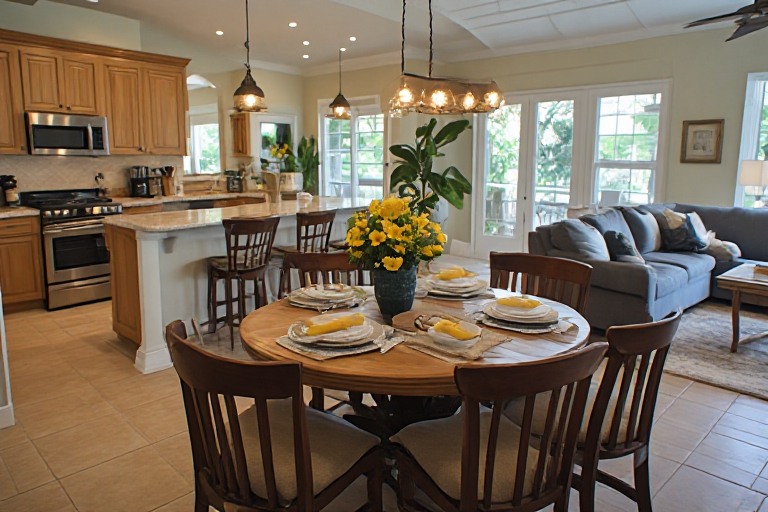
Ideal Energy Placement
✔ Use a round or oval table if space permits to encourage equality and conversation.
✔ Keep the room well lit.
✔ Display fresh flowers or a fruit bowl as symbols of abundance.
✔ Ensure chairs are comfortable and evenly arranged.
Avoid
- Overcrowding the room.
- Poor lighting.
5. The Home Office – Focus and Success
Represents: Career, Achievement and Learning.
A productive workspace should feel organized and inspiring.
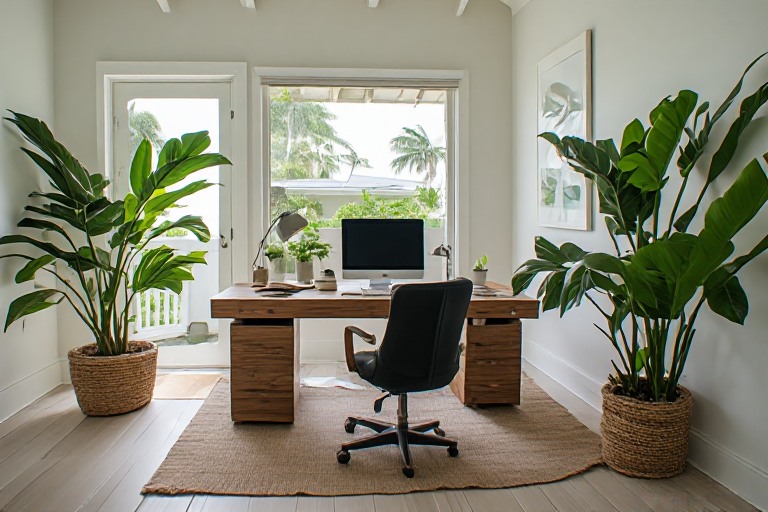
Ideal Energy Placement
✔ Position your desk so you can see the entrance.
✔ Keep your back supported by a solid wall rather than facing away from the room.
✔ Maximize natural light without creating screen glare.
✔ Include one healthy plant to soften the workspace.
✔ Keep cables and paperwork organized.
Avoid
- Facing a blank wall all day if it feels confining.
- Excessive clutter on the desk.
6. The Bathroom – Cleanliness and Renewal
Represents: Cleansing, Renewal and Well-being.
Bathrooms are associated with water and cleanliness.
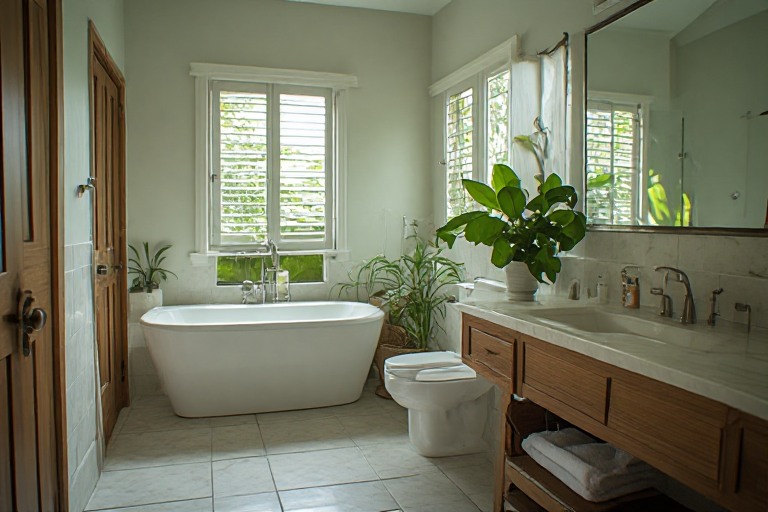
Ideal Energy Placement
✔ Keep the room clean and well ventilated.
✔ Repair leaking taps promptly.
✔ Use light colours.
✔ Add small plants that enjoy humidity if appropriate.
Avoid
- Dampness and mould.
- Broken fixtures.
7. The Entryway – The “Mouth of Chi”
Represents: New opportunities, Welcome, and First impressions.
The entrance sets the tone for the entire home.
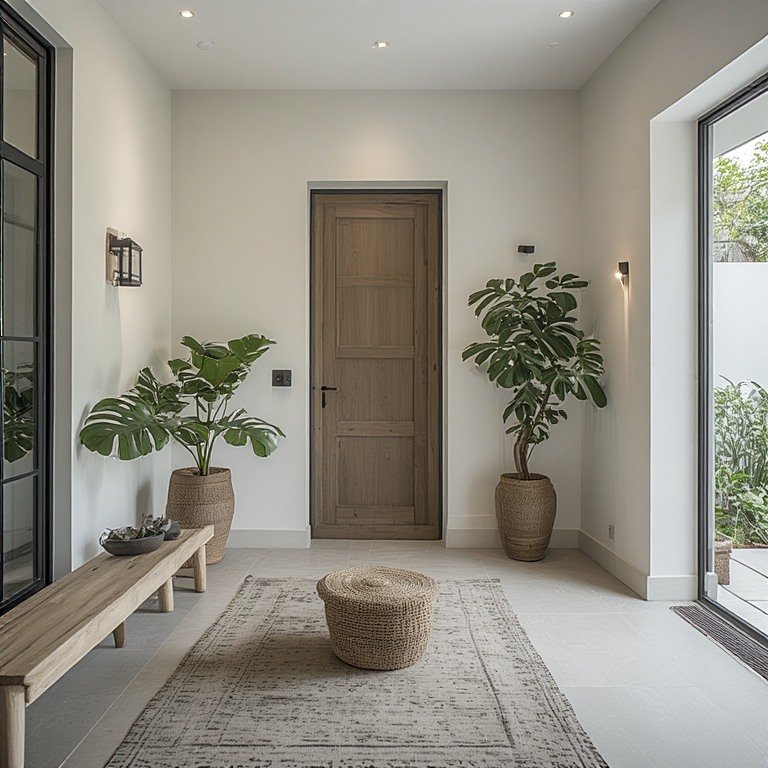
Ideal Energy Placement
✔ Keep the pathway clear.
✔ Ensure the front door opens easily.
✔ Add attractive lighting.
✔ Use healthy plants near the entrance.
✔ Choose a welcoming doormat.
Avoid
- Shoes and clutter piled near the door.
- Broken lighting.
8. The Verandah – Transition Between Home and Nature
Represents: Relaxation, Hospitality, and Connection with nature.
A verandah should invite people to pause and enjoy the outdoors.
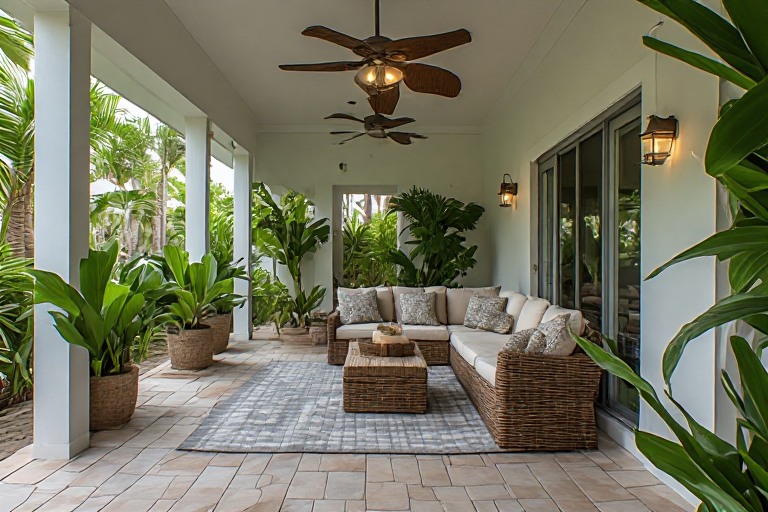
Ideal Energy Placement
✔ Arrange comfortable seating.
✔ Use ceiling fans for airflow.
✔ Add potted tropical plants.
✔ Maintain clear walking paths.
✔ Incorporate soft outdoor lighting.
9. Children’s Bedroom – Growth and Creativity
Represents: Learning, Development and Imagination.
Children benefit from a room that balances play with rest.
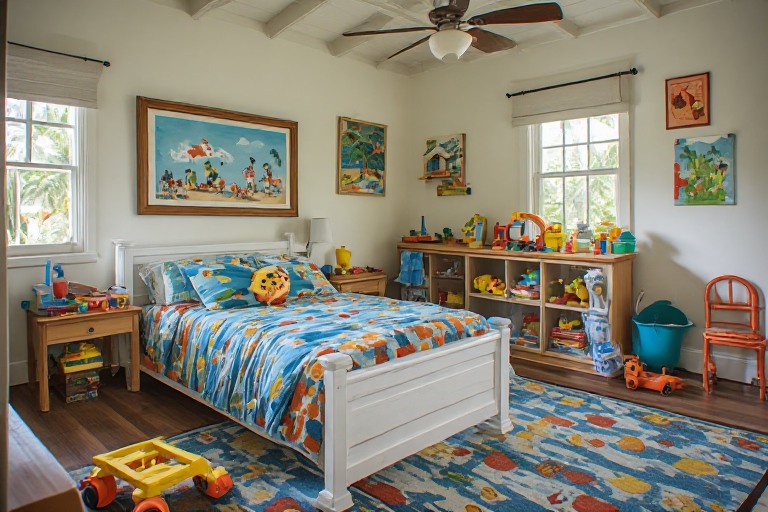
Ideal Energy Placement
✔ Position the study desk where the child can see the room entrance.
✔ Keep toys organized.
✔ Allow plenty of natural light.
✔ Display artwork at the child’s eye level.
10. Garden and Outdoor Spaces – Life Energy
Represents: Growth, Renewal and Balance.
Gardens help connect the home with nature.
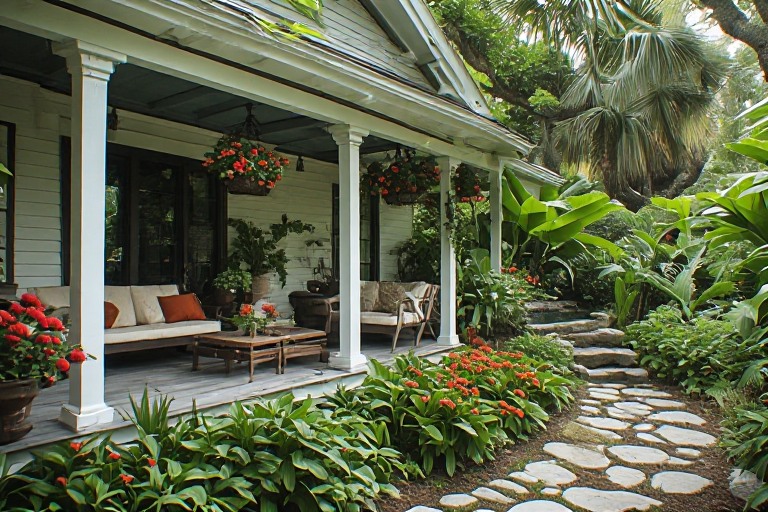
Ideal Energy Placement
✔ Curved pathways encourage a relaxed journey through the garden.
✔ Healthy plants create a sense of vitality.
✔ Water features can provide soothing movement and sound.
✔ Comfortable seating areas encourage outdoor enjoyment.
Room Placement Summary
| Room | Represents | Key Placement Principle |
|---|---|---|
| Living Room | Family, Harmony | Comfortable seating facing the room |
| Bedroom | Rest, Relationships | Bed in command position |
| Kitchen | Health, Prosperity | Clean, bright and organized |
| Dining Room | Unity, Abundance | Well-lit table with balanced seating |
| Home Office | Career, Success | Desk facing the entrance |
| Bathroom | Renewal | Clean, ventilated and maintained |
| Entryway | Opportunity | Bright, uncluttered and welcoming |
| Verandah | Relaxation | Open seating with natural airflow |
| Children’s Room | Growth | Organized study and play areas |
| Garden | Vitality | Healthy landscaping and gentle pathways |
General Feng Shui Principles for Every Room
No matter the room, traditional Feng Shui encourages several universal practices:
- Keep spaces clean and free of unnecessary clutter.
- Maximize natural light wherever possible.
- Encourage good ventilation and fresh air.
- Repair broken items promptly.
- Incorporate natural materials such as wood, stone and plants.
- Use colours that complement the room’s intended purpose.
- Create clear pathways that make movement through the space easy and comfortable.
Conclusion
Feng Shui room energy placement is ultimately about designing a home that feels balanced, functional and welcoming. Whether you follow Feng Shui for its cultural symbolism or simply appreciate its emphasis on thoughtful design, many of its principles align with timeless interior design practices. By paying attention to furniture placement, lighting, organization and natural elements, you can create spaces that support relaxation, productivity and meaningful connections with family and friends.
Related Articles
-
10 Ideas designed for a Caribbean Tropical Home

These ideas are designed for a Caribbean tropical home, where the emphasis is on natural materials, breezy spaces, vibrant foliage, and seasonal changes that fit the local climate rather than four distinct temperate seasons. 1. Tropical Spring Refresh To create a refreshing ambiance in a Caribbean tropical home, the concept of a “Tropical Spring Refresh”…
-
How to Make Your Own Bubble Diagram

A bubble diagram in architecture is a quick, loose way of planning how spaces relate to each other before you start drawing walls, doors, or exact dimensions. Think of it as the logic underneath the floor plan. Instead of drawing a bedroom as a precise 12′ × 14′ rectangle, you draw a bubble labelled Bedroom.…
-
Remedies for Slopes, Corners & Sharp Angles
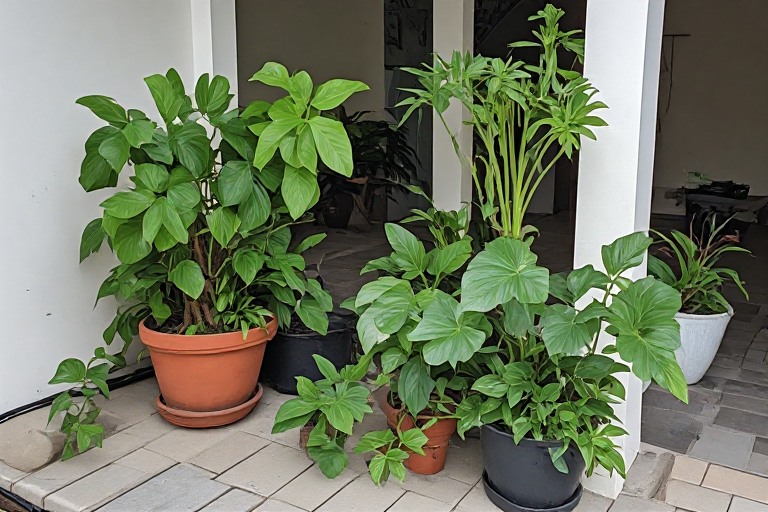
In the realms of architecture and feng shui, a significant overlap exists in their fundamental principles, despite the different terminologies used. Feng shui emphasizes the concept of “chi,” which refers to the vital energy that flows through spaces, affecting the well-being of individuals. Architects, on the other hand, focus on aspects such as circulation, sight…