

A courtyard is often perceived merely as a source of airflow and natural light, yet its potential extends far beyond these basic functions. When thoughtfully designed and aligned, a courtyard can transform into the vibrant energy center of a home. By carefully considering its orientation and placement, homeowners can harness the natural elements to create a harmonious space that encourages relaxation and social interaction.
The right alignment allows for optimal sunlight throughout the day, inviting warmth and brightness into the surrounding areas, while also facilitating cross ventilation that enhances air quality. In this way, the courtyard becomes not just an outdoor space but a vital part of the home’s overall energy, fostering a sense of connection between indoor and outdoor environments. Whether it’s a serene garden for quiet reflection or a lively gathering place for family and friends, the courtyard can serve as a dynamic focal point that enriches daily life, promoting well-being and a deeper appreciation of nature. Thus, the courtyard, when designed with intention, embodies a unique blend of aesthetics and functionality, elevating the entire living experience.
Here is how you can design a courtyard like a system, not decoration.
1. Core Courtyard Layout (Feng Shui + Function)
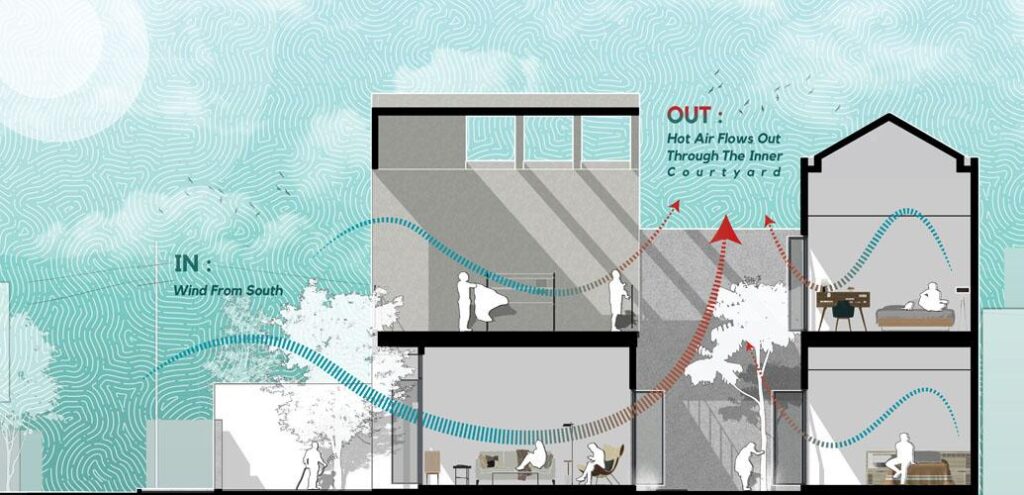
The core layout of a home significantly impacts its energy flow and functionality, and employing principles of Feng Shui can enhance this effect. A recommended base layout is the U-shaped or central courtyard design, where rooms are arranged around a central open space. This configuration promotes balanced energy flow, adhering to the Feng Shui principles of containment and circulation. The central courtyard not only fosters a harmonious atmosphere but also facilitates strong natural ventilation, allowing air to move freely through all sides of the home. Additionally, in a central courtyard design layout serves as the “heart of the home,” creating a focal point that encourages connection and interaction among family members.
2. Feng Shui Zoning Inside the Courtyard (Bagua Applied Simply)
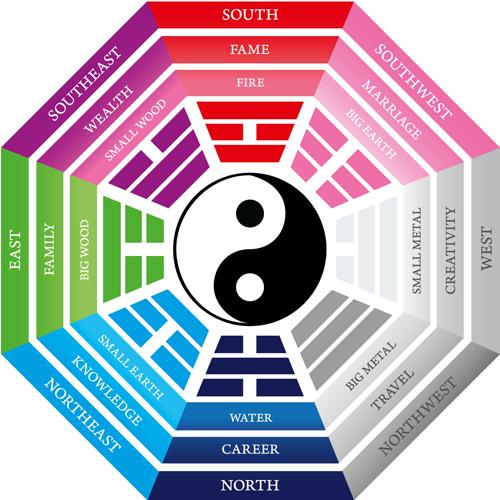
Incorporating Feng Shui principles into the design of your courtyard can greatly enhance the energy and balance of the space, particularly through the application of the Bagua map. This ancient Chinese practice suggests dividing the courtyard into three key zones, each representing essential aspects of life. The first zone focuses on Wealth and Growth, where cultivating vibrant plants and incorporating elements that symbolize prosperity can attract positive energy. The second zone emphasizes Flow and Career, promoting smooth transitions and opportunities in professional endeavors. Finally, the central or slightly right area of the courtyard should be dedicated to Family and Health, fostering harmony and well-being among loved ones. By thoughtfully zoning the courtyard based on these principles, you can create an environment that nurtures abundance, career advancement, and familial connections, ultimately leading to a more balanced and fulfilling life.
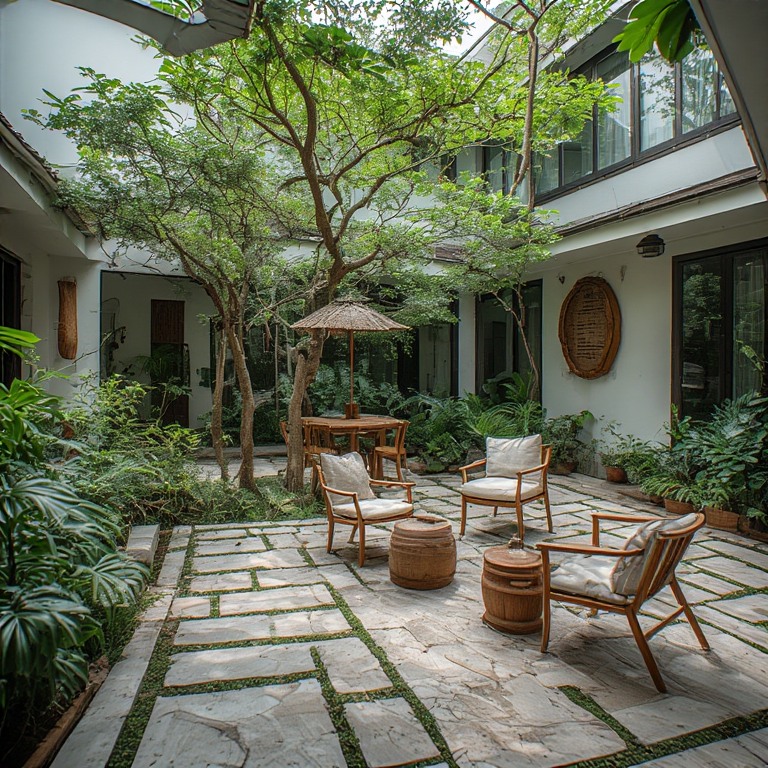
3. Light + Air Strategy (Don’t Miss This)
Creating an effective courtyard involves thoughtful Feng Shui zoning, where the application of the Bagua map can guide the arrangement of spaces to promote harmony and balance. It’s essential to ensure that the courtyard doesn’t just exist as a decorative feature; rather, it should serve a functional purpose. One key strategy is to establish opposing openings, allowing air to flow in, circulate through, and exit efficiently. To enhance comfort, incorporate partial shading elements like a pergola, wood slats, or cloth sails that diffuse harsh sunlight while still allowing light to filter through. Additionally, high openings above doors and windows facilitate the escape of hot air, leveraging the stack effect to maintain a pleasant atmosphere.
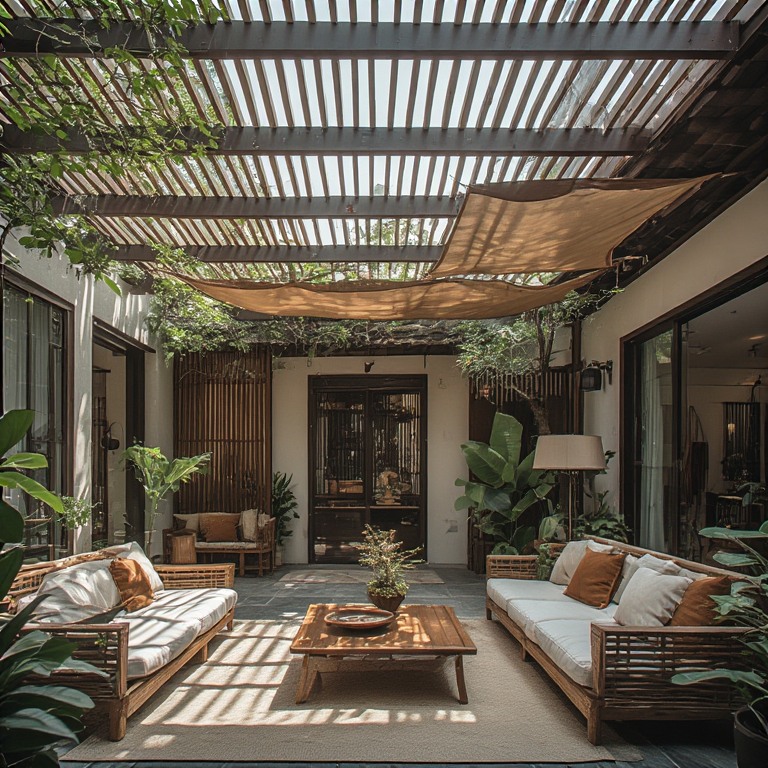
4. Room Placement Around the Courtyard
In applying Feng Shui principles to the zoning inside a courtyard, the strategic placement of rooms can significantly enhance the energy flow and overall harmony of a home. The ideal arrangement begins with the living room, which should face the courtyard, fostering a sense of gathering and openness that invites social interactions and creates a welcoming atmosphere. Adjacent to this, the kitchen is positioned on the side of the courtyard, ensuring that energy remains active without becoming overwhelming. Meanwhile, bedrooms are best located on the quieter sides of the courtyard, promoting privacy and a softer, more tranquil energy conducive to rest. It is also essential to avoid placing a bathroom directly facing the courtyard, as this can disrupt the positive flow of energy and create an imbalance. By thoughtfully considering these placements, the courtyard can serve as a harmonious center that enhances the well-being of the entire household.
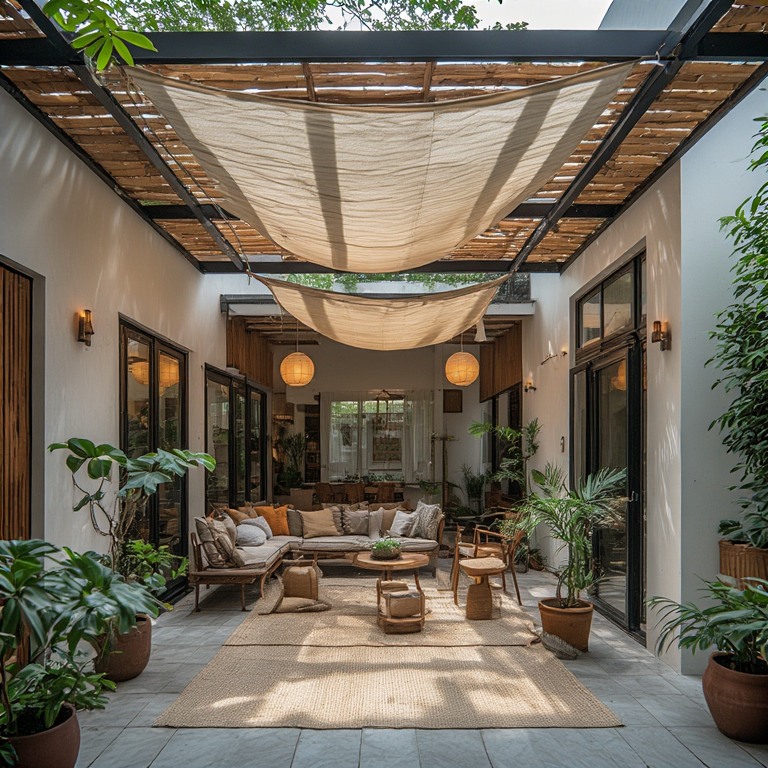
5. Entrance Flow (Critical Feng Shui Move)y
Incorporating Feng Shui principles into the design of your courtyard can greatly enhance the energy flow and overall harmony of your home. One crucial aspect is the application of Bagua zoning, which helps to organize the space according to the various life areas it represents. Equally important is the entrance flow, particularly regarding your front door. To optimize energy movement, it is essential to avoid allowing the front door to open directly into the courtyard. Instead, create a more gentle transition, such as a hallway or an angled wall, which allows the energy to enter, slow down, and then gradually reach the courtyard. This thoughtful design prevents energy from rushing out too quickly and helps maintain stability within the home. By applying these Feng Shui techniques, you can cultivate a balanced and inviting environment that supports well-being.
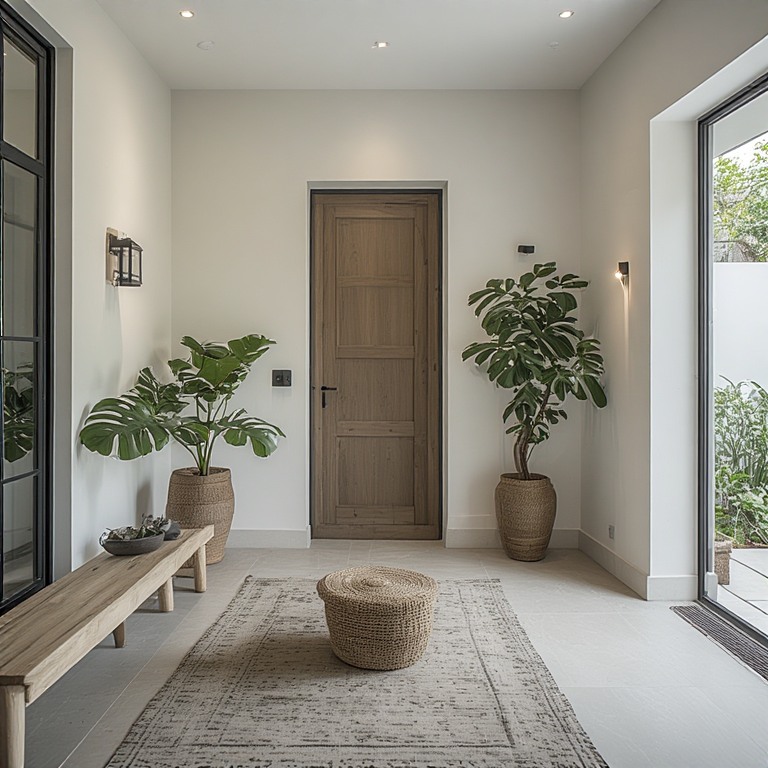
6. Materials & Elements Balance
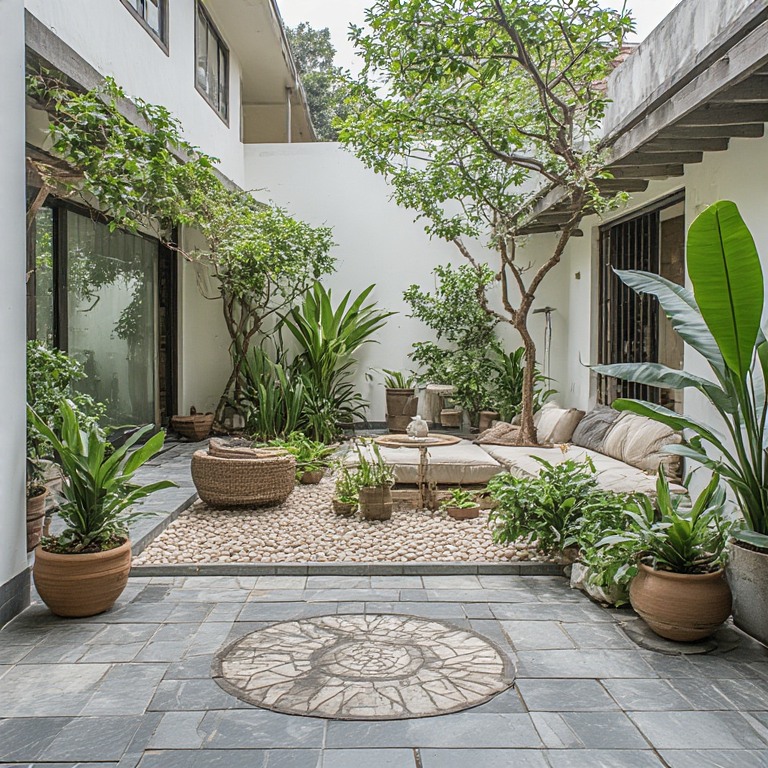
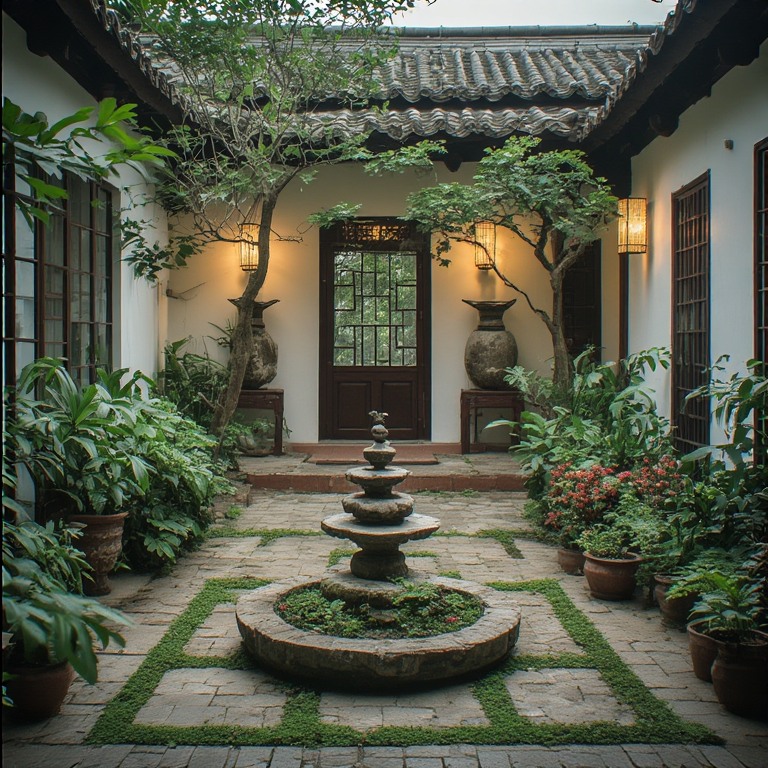
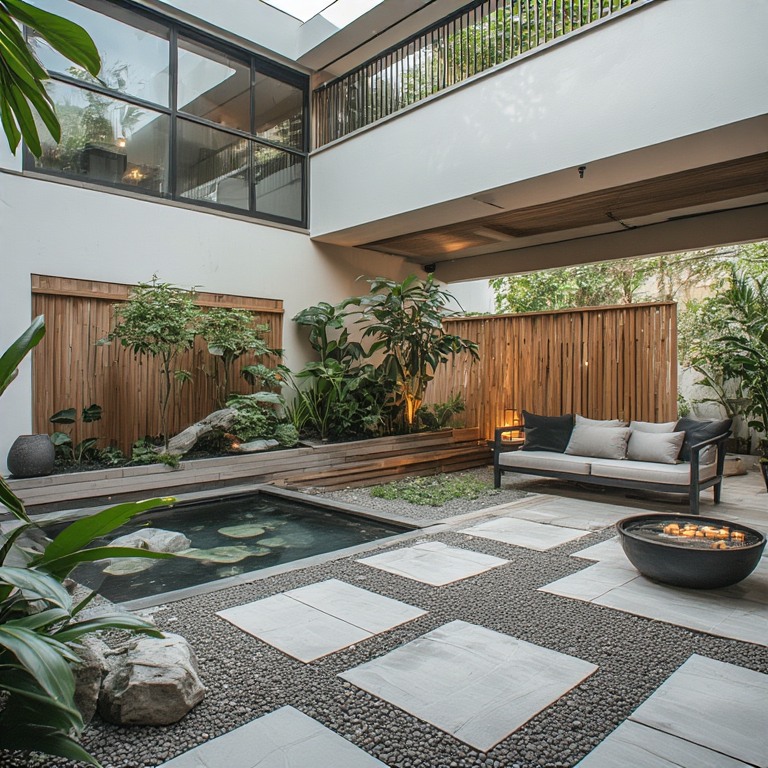
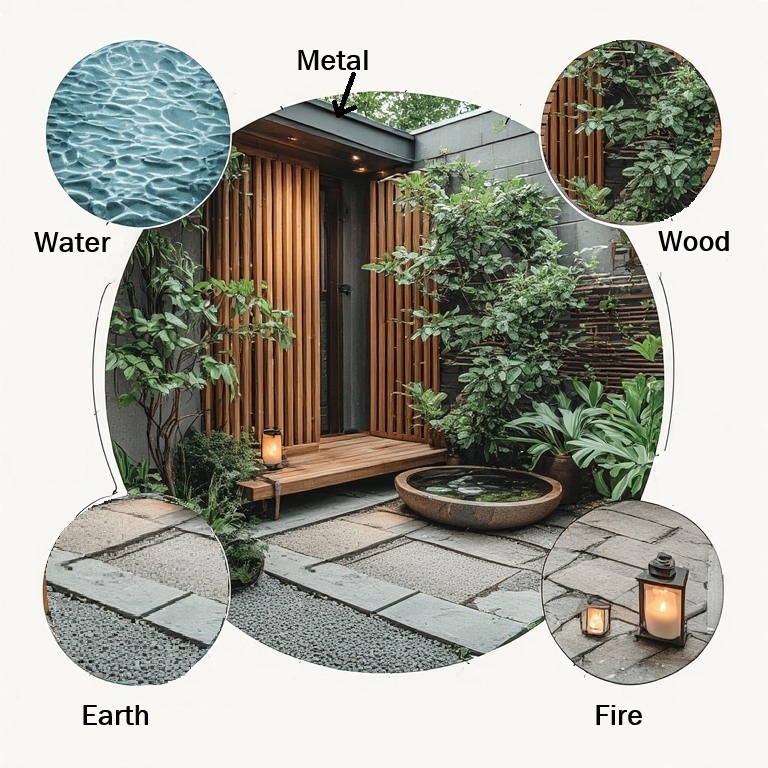
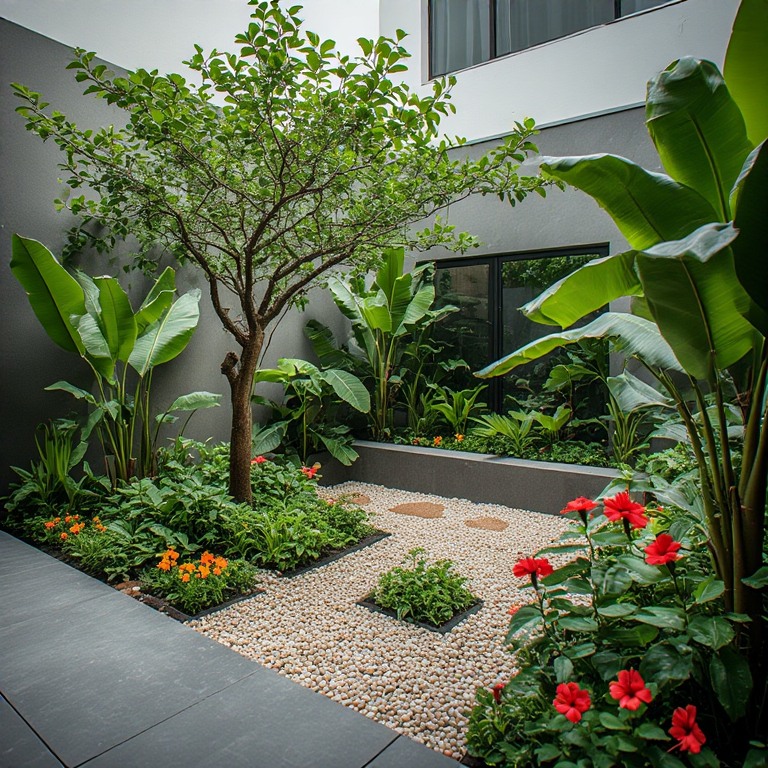
Feng Shui zoning within a courtyard, utilizing the Bagua map, allows for a harmonious balance of the five essential elements: Wood, Water, Earth, Metal, and Fire. To achieve this equilibrium, one can incorporate plants and timber screens to represent Wood, while a small basin or water feature adds the element of Water, creating a soothing atmosphere. Earth can be symbolized through the use of stone tiles or gravel, providing a grounded foundation for the space. Metal is introduced via light fixtures and rails, contributing a modern touch, while Fire is embodied through warm lighting, including candles for an inviting ambiance. It’s important to ensure that no single element is overemphasized, maintaining a subtle balance that encourages tranquility and positive energy flow throughout the courtyard. By thoughtfully integrating these materials and elements, the courtyard becomes a serene retreat, embodying the principles of Feng Shui and inviting harmony into daily life.
7. Keep It Minimal (This matters for you)
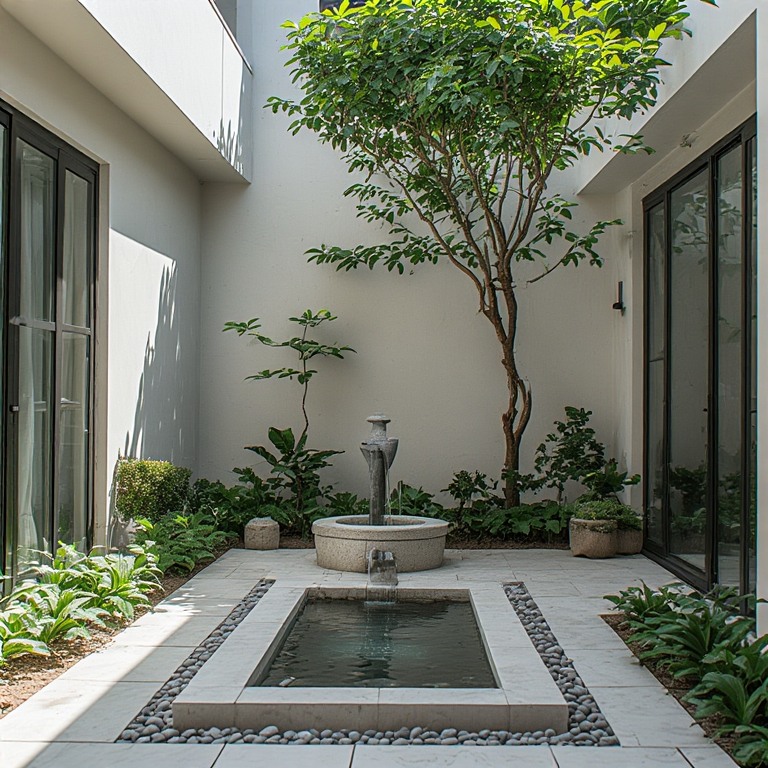
When applying Feng Shui zoning within your courtyard, simplicity is key, particularly through the use of the Bagua map. Emphasizing minimalism is essential in creating a harmonious environment that fosters tranquility. To achieve this, it’s important to avoid clutter, such as excessive ornaments, intricate landscaping, and overcomplicated Feng Shui cures. Instead, aim for a design that embodies “calm authority.” This can be realized by incorporating a single tree that serves as a focal point, a serene water feature to enhance the flow of energy, and clean lines that promote an open atmosphere. Prioritizing breathing room allows for a peaceful retreat, where every element contributes to a balanced and inviting space.
Conclusion
A properly designed courtyard should serve as more than just an aesthetic element; it should embody a pause within the house, a cooling lung that provides respite, and a center of clarity amidst the chaos of daily life. When executed correctly, a courtyard can transform the atmosphere of your home, making it feel naturally cooler and enhancing the quality of light within your space, giving it a premium feel without any additional effort. Moreover, it can instill a quiet presence that many homes lack. Conversely, if the design is flawed, the courtyard risks becoming a hot box or dead space, diminishing the home’s overall comfort and functionality.
RELATED ARTICLES
Best Plant Options for Your Courtyard or Inner Garden
The Caribbean has the best climates on earth for courtyards—and if you choose the right plants, the space will cool itself, filter light, and feel alive without maintenance headaches…
Maintenance Tips for Thriving Gardens
A courtyard garden in the Caribbean will either thrive effortlessly or quietly fall apart—it comes down to a few consistent habits. You don’t need complexity; you need a tight system you actually stick to…
Plants That Attract Birds and Butterflies

If you want birds and butterflies in your yard, the secret is simple: plant nectar plants and berry/seed plants. The butterflies will come for nectar and host plants…