

Caribbean vernacular architecture, is not only beautiful, but also one of the most climate-smart, culturally rich, and cost-effective architectural traditions in the region. Here’s a full breakdown to help you understand its value and practical benefits if you’re considering it for your home:

What Is the Caribbean Vernacular Style?
The Caribbean Vernacular design style is an architectural approach that has been shaped by centuries of development across the islands. This style is characterized by its traditional and climate-responsive features, which have evolved through the blending of African, European, and Indigenous building traditions. It reflects a deep adaptation to the region’s tropical climate, the challenges posed by hurricanes, and the unique social lifestyles that define Caribbean life. Understanding this architectural style provides valuable insights into the cultural and environmental context of the Caribbean.
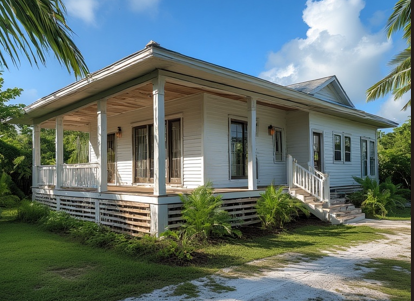
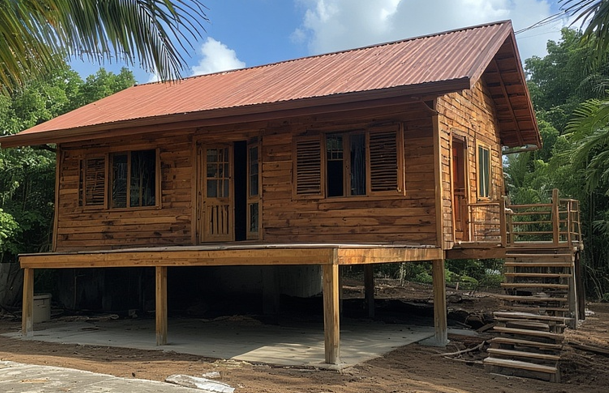
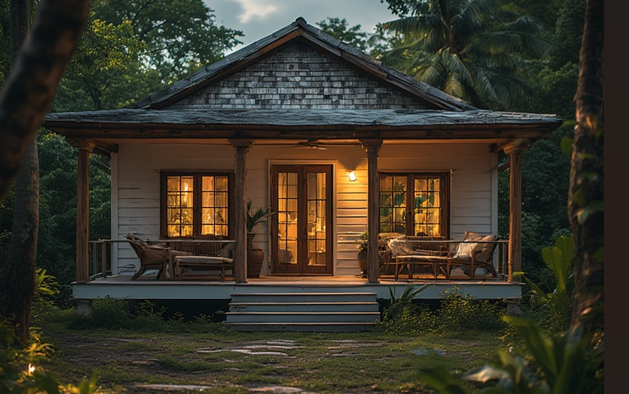
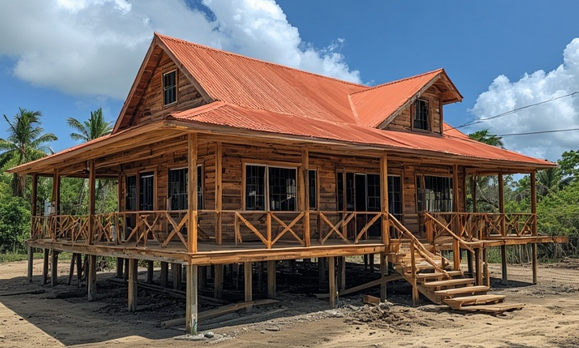
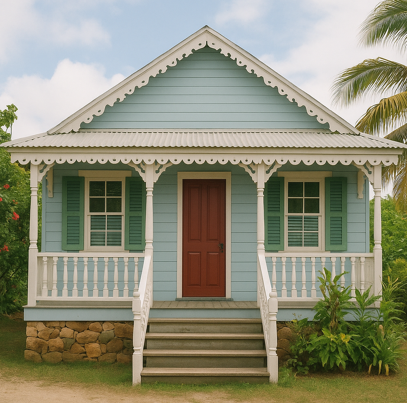
Often referred to as “Gingerbread,” “Creole,” or “Traditional Caribbean” style, this architectural design varies slightly from island to island but maintains distinctive features that make it easily recognizable. Characterized by wide verandas and wraparound galleries, these homes invite the gentle Caribbean breezes and provide ample outdoor living space. Wooden shutters and jalousie windows enhance ventilation while adding to the aesthetic appeal. The high-pitched gable or hipped roofs not only serve a practical purpose in rain runoff but also create a striking silhouette against the sky. Ornamental fretwork and wooden trims contribute intricate details, while bright façades in pastel tones bring vibrancy to the landscape. Additionally, many of these homes rest on elevated foundations, supported by blocks, stilts, or stone plinths, allowing for airflow underneath and protection from flooding. Together, these elements create a charming and functional style that embodies the spirit of the Caribbean
Why Choose Caribbean Vernacular for Your Home
- Designed for the Climate
Choosing Caribbean vernacular architecture for your home offers numerous advantages, particularly in terms of climate adaptation. This style emphasizes excellent natural ventilation, utilizing open shutters, jalousies, and vented gables to promote airflow. The high ceilings and roof vents facilitate the escape of hot air, while steeply pitched roofs effectively shed heavy rain, preventing water accumulation. Additionally, deep verandas provide shade to walls and windows, further enhancing the cooling effect within the interiors. As a result, homes designed in this manner are not only cool and breezy but also energy-efficient, often eliminating the need for air conditioning and creating a comfortable living environment year-round.
- Resilient and Practical
Choosing Caribbean Vernacular architecture for your home offers a blend of resilience and practicality, making it an ideal choice for the region’s unique climate and environmental challenges. Elevated designs effectively protect against flooding, pests, and ground moisture, ensuring a safer living environment. The use of timber frames and light structures allows homes to flex slightly during strong winds, enhancing safety during storms. Additionally, the simple forms characteristic of this style facilitate easy and affordable repairs, which is vital in hurricane-prone areas. As a result, Caribbean Vernacular homes are not only strong and flexible but also easier to maintain locally, promoting sustainability and community resilience.
- Beautiful and Culturally Rooted
Choosing Caribbean vernacular for your home offers a beautiful and culturally rooted expression of identity and heritage. This architectural style is characterized by vibrant colors, handcrafted details, and a warm sense of community, making each home a unique reflection of the Caribbean spirit. Decorative fretwork and bright trims add personality and charm, ensuring that every dwelling is distinct and inviting. Furthermore, Caribbean vernacular blends seamlessly with the lush landscapes and seaside settings, enhancing the natural beauty of its surroundings. Ultimately, this choice results in a home that feels authentically Caribbean, rich in character and soul, embodying the very essence of island life.
- Sustainable and Cost-Effective
Choosing Caribbean vernacular architecture for your home is an eco-friendly and cost-effective decision that harmonizes with the environment. This style often incorporates locally sourced materials such as wood and stone, as well as recycled elements, which not only reduces transportation costs but also supports the local economy. The design of Caribbean vernacular homes promotes natural airflow, significantly decreasing reliance on electricity for cooling, thereby lowering energy bills. Furthermore, builders who specialize in this traditional style are readily available throughout the region, minimizing specialized construction costs. Overall, opting for Caribbean vernacular architecture ensures an affordable, sustainable, and aesthetically pleasing living space.
What to Know Before Building One
- Materials: Traditionally wood (especially pitch pine, mahogany, cedar). Today, treated wood, concrete blocks, or hybrid mixes for longevity.
- Maintenance: Wood needs periodic painting or sealing. Using treated lumber or composite siding reduces upkeep.
- Color Palette: Pastels and tropical tones (turquoise, coral, mint, yellow) with white trims — both reflective and culturally expressive.
- Layout: Usually linear or L-shaped with a central living area and wide verandas. Bedrooms often open onto galleries for airflow.
- Modern Adaptation: Combine the aesthetic with modern conveniences: solar panels, hurricane ties, insulated roofs, and water collection systems.
- Best Locations: Coastal areas, hillside lots, or open breezy plains where ventilation and scenic views can be maximized.
In conclusion, the Caribbean Vernacular home stands as a testament to the harmonious blend of functionality and beauty, perfectly suited to the region’s unique climate and cultural heritage. Its climate-smart design not only promotes sustainability but also creates a comfortable living environment that embraces natural ventilation and light. Furthermore, the affordability and repairability of these homes ensure that they remain accessible to a wide range of homeowners, while their stunning aesthetic captures the vibrant essence of Caribbean life. By choosing a Caribbean Vernacular home, you are not only investing in a residence but also embracing a lifestyle that values authenticity, sustainability, and community. This architectural style is indeed a wise and enduring choice for those seeking to connect with the heart and soul of the Caribbean.
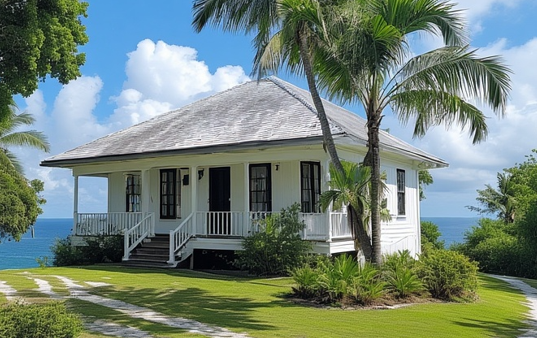
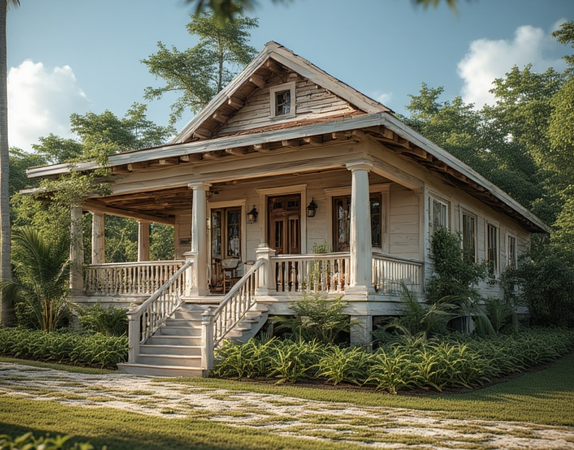
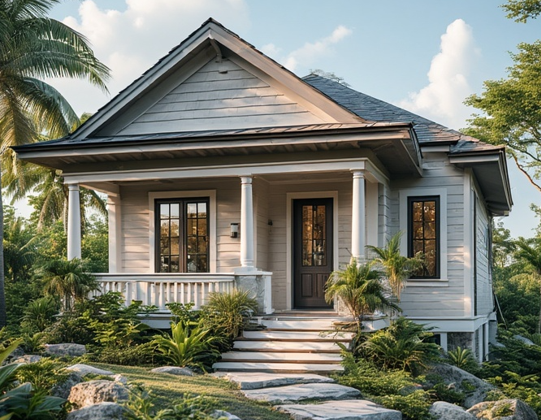
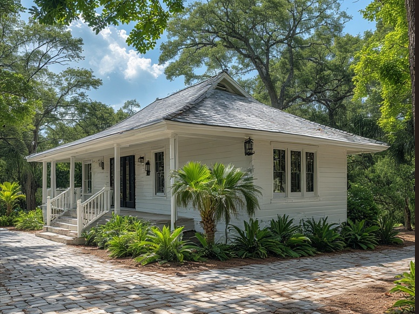
Here are some more examples of homes inspired by the Caribbean Vernacular Design Style. Click on the link for a layout plan of each house.
MORE ARTICLES
-

10 Ideas designed for a Caribbean Tropical Home
These ideas are designed for a Caribbean tropical home, where the emphasis is on natural materials, breezy spaces, vibrant foliage, and seasonal changes that fit the local climate rather than four distinct temperate seasons. 1. Tropical Spring Refresh To create a refreshing ambiance in a Caribbean tropical home, the concept of a “Tropical Spring Refresh”…
-

How to Make Your Own Bubble Diagram
A bubble diagram in architecture is a quick, loose way of planning how spaces relate to each other before you start drawing walls, doors, or exact dimensions. Think of it as the logic underneath the floor plan. Instead of drawing a bedroom as a precise 12′ × 14′ rectangle, you draw a bubble labelled Bedroom.…
-
Remedies for Slopes, Corners & Sharp Angles
In the realms of architecture and feng shui, a significant overlap exists in their fundamental principles, despite the different terminologies used. Feng shui emphasizes the concept of “chi,” which refers to the vital energy that flows through spaces, affecting the well-being of individuals. Architects, on the other hand, focus on aspects such as circulation, sight…