

Introduction
In today’s fast-paced world, the importance of enhancing our outdoor spaces has never been more pronounced. Landscaping and outdoor living have emerged as essential elements in creating not only aesthetically pleasing environments but also functional extensions of our homes. As urban areas become increasingly dense and green spaces more coveted, homeowners are seeking innovative ways to transform their yards into serene retreats. The integration of thoughtful landscaping designs, combined with outdoor living amenities such as patios, kitchens, and fire pits, allows individuals to cultivate a harmonious balance between nature and modern life. Moreover, these enhancements contribute to the overall value of a property, making it an attractive investment for homeowners.
As the demands of modern living evolve, the purpose of landscaping continues to expand, addressing the desires for personal expression, environmental stewardship, and functional outdoor living spaces. This article will delve into the fundamental concepts of landscaping and discuss the myriad benefits it offers to homeowners seeking to enhance their properties and enrich their lives.
What is Landscaping
Landscaping is the art and practice of modifying the visible features of an area of land, which may involve the enhancement of existing terrain, the addition of new elements, or a complete redesign of outdoor spaces to achieve aesthetic and functional goals. This multifaceted discipline encompasses a variety of processes, including the arrangement of plants, trees, shrubs, and flowers, as well as the incorporation of hardscaping features such as pathways, patios, water features, and decorative structures. Professional landscape designers utilize their knowledge of horticulture, ecology, and design principles to create harmonious environments that not only elevate the beauty of a space but also promote sustainability, biodiversity, and environmental health.
What Is the Real Purpose of Landscaping?
A. Controls Water Flow & Prevents Flooding
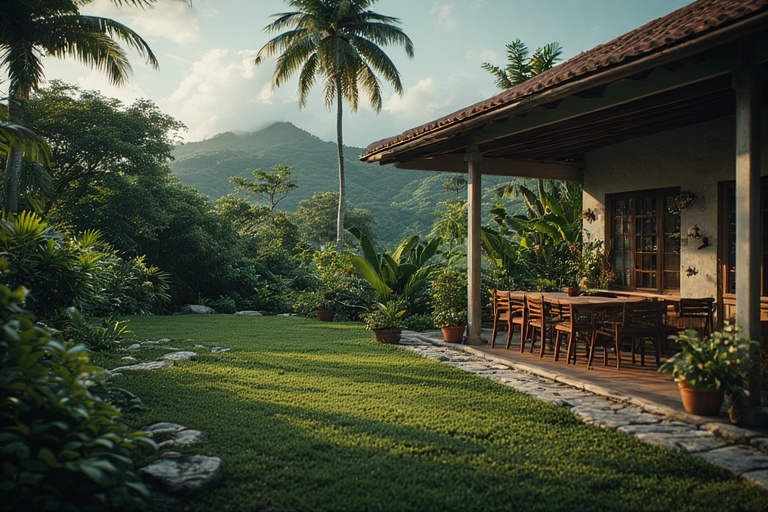
In the Caribbean, the region is no stranger to intense rainfall, particularly during the rainy season and hurricane periods. Consequently, effective landscaping practices play a crucial role in managing water flow around residential properties. By strategically directing water away from the house, proper landscaping mitigates the risks associated with excessive moisture accumulation. This approach not only prevents water from pooling around the foundation but also significantly reduces the likelihood of soil erosion, which can undermine the structural integrity of the property over time. Furthermore, it serves as a protective barrier for the foundation, ensuring longevity and stability.
Implementing features such as French drains, swales, and carefully designed slopes is essential for any home in this climate. These elements work in tandem to manage and redirect runoff, facilitating proper drainage and minimizing potential flooding. Without appropriate grading and landscaping, homeowners may face long-term water-related issues, including damp basements, mold growth, and compromised foundation stability. Therefore, investing in effective water management through thoughtful landscaping is not merely an aesthetic choice, but a vital necessity for preserving the value and safety of a home in the Caribbean.
B. Cools the Home Naturally (Tropical Passive Cooling)
The integration of trees and shrubs into home landscaping can play a significant role in reducing indoor temperatures by several degrees, contributing to a more comfortable living environment. By thoughtfully selecting and positioning various types of vegetation, homeowners can harness the natural cooling properties of plants. For instance, landscaping can effectively block the harsh afternoon sun that typically inflates indoor temperatures, particularly from the west. Additionally, well-placed trees and shrubs can create desirable shade pockets around the home, allowing for cooler outdoor spaces and reducing the need for artificial cooling systems. The strategic arrangement of greenery not only enhances aesthetic appeal but also serves functional purposes, such as encouraging natural ventilation, which is vital for maintaining fresh air circulation indoors.
Moreover, landscaping can also mitigate the effects of strong winds while still allowing gentle breezes to flow through the property. This can be particularly beneficial in tropical climates where heat and humidity are prevalent. For optimal results, homeowners can consider planting specific species known for their cooling capabilities, such as pouï, neem, almond, palm, or bamboo. These trees and shrubs, when strategically placed, can create microclimates that dramatically cool the property. By implementing these passive cooling strategies, homeowners not only enhance their comfort but also contribute to energy efficiency and sustainability, making a positive impact on both their living conditions and the environment.
C. Increases Privacy Without Building High Walls
Landscaping serves as an effective means of enhancing privacy while simultaneously adding aesthetic appeal to outdoor spaces. Unlike traditional privacy solutions that often involve imposing high walls or fences, a well-planned landscape can create a natural barrier that blends seamlessly with the environment. By incorporating a diverse array of plants, such as Clusias, Hibiscus, Palms, Crotons, and bamboo screens, homeowners can establish a lush and inviting atmosphere that fosters both seclusion and beauty. These options not only provide visual interest but also contribute to the overall ecological health of the area, attracting beneficial wildlife and improving air quality.
Utilizing greenery for privacy presents a multitude of advantages beyond mere aesthetics. For instance, plants such as Clusias and Hibiscus can serve as dense hedges that block sightlines while offering vibrant blooms that enhance the visual landscape. Additionally, the use of palms and crotons introduces texture and height variations, creating a more dynamic environment. Bamboo screens, known for their rapid growth and flexibility, can be strategically placed to offer immediate privacy while still being easy to maintain. By embracing these landscaping solutions, homeowners can create serene retreats that offer the desired level of privacy without the starkness or confinement often associated with traditional barriers. This approach not only enriches the outdoor experience but also aligns with sustainable practices that promote a harmonious relationship between built spaces and nature.
D. Enhances Chi Flow & Feng Shui
In the practice of Feng Shui, landscaping plays a pivotal role in the effective flow of chi, or life energy, throughout a property. A thoughtfully designed landscape can significantly enhance the energy pathways leading to the entrance of a home or building. By incorporating elements such as gentle curves, inviting pathways, and strategically placed greenery, landscaping can guide chi gently toward the front door, creating a sense of welcome and tranquility for residents and visitors alike. This intentional arrangement not only invites positive energy into the space but also establishes a harmonious connection between the exterior environment and the interior living areas.
Moreover, effective landscaping can mitigate sharp corners and harsh lines, which are thought to create negative energy or “sha chi.” By softening these edges with rounded flower beds, ornamental shrubs, and flowing pathways, one can cultivate a nurturing atmosphere. Additionally, aligning the landscape design with the Bagua, the Feng Shui map that outlines the various energy zones of a property, allows for a more balanced and supportive environment. Each area of the Bagua corresponds to different aspects of life, such as wealth, health, relationships, and career. By harmonizing the landscaping with these principles, homeowners can create an outdoor space that not only enhances the aesthetic appeal but also fosters a sense of well-being and prosperity.
E. Adds Value to the Home
A meticulously landscaped property not only enhances the aesthetic appeal of a home but can also serve as a significant investment in its overall market value. Studies have shown that well-executed landscaping can increase a property’s resale value by an impressive 10% to 20%. This increase is largely dependent on several factors, including the quality of the landscaping design, the choice of plants and materials, and how well the landscaping complements the existing architecture of the home. For potential buyers, a visually appealing outdoor space often translates to a welcoming environment, which can be a deciding factor in their purchasing decision. Well-planned landscaping can create an inviting atmosphere, showcasing the property’s potential for outdoor living and entertaining, thereby making it more attractive in a competitive real estate market.
In addition to boosting resale value, thoughtful landscaping can also contribute to a homeowner’s enjoyment and satisfaction of their property while promoting a sense of community. A beautifully landscaped yard can provide a tranquil retreat for family and friends, enhancing the overall quality of life. Elements such as native plants, hardscaping features, and well-placed lighting can transform an outdoor space into a serene escape, encouraging outdoor activities and social gatherings. Moreover, well-maintained landscapes can improve curb appeal and create a positive first impression, not only for prospective buyers but also for neighbors and visitors. In essence, investing in quality landscaping is not just about increasing property value; it’s about creating a harmonious and inviting environment that enriches daily living.
F. Supports Food Production (Caribbean Practicality)
In the Caribbean, the practice of incorporating food production into residential landscaping is not only practical but also a sustainable approach to enhancing food security. Homeowners are increasingly recognizing the benefits of cultivating a variety of fruit-bearing and edible plants within their gardens. Common choices include mango, avocado, breadfruit, pawpaw, and various herbs, alongside staple crops such as bananas and plantains. These selections not only thrive in the tropical climate but also contribute to a diverse and nutrient-rich diet. By integrating these plants into their landscaping, homeowners can enjoy the dual benefit of aesthetic beauty and functional food production, transforming their outdoor spaces into vibrant, productive ecosystems.
This shift towards edible landscaping fosters a deeper connection between individuals and their food sources, promoting a more mindful approach to consumption and agriculture. Homeowners can cultivate their own produce, reducing reliance on imported goods and thus supporting local economies while minimizing their carbon footprint. Additionally, the incorporation of herbs and fruit trees can enhance biodiversity, attracting beneficial insects and wildlife, which further enriches the local environment. Ultimately, by embracing food production within their landscaping practices, Caribbean homeowners are not just beautifying their properties; they are contributing to a more sustainable and resilient community.
G. Improves Mental & Emotional Wellbeing
A peaceful outdoor environment plays a crucial role in enhancing mental and emotional well-being. Research has consistently shown that natural settings, such as parks, gardens, and even well-maintained yards, can significantly reduce stress levels and promote relaxation. The presence of greenery and natural elements not only helps to lower cortisol levels, a hormone associated with stress, but also fosters a sense of tranquility and mindfulness. Engaging with nature allows individuals to disconnect from the hustle of daily life, offering a much-needed respite that can rejuvenate the mind. In essence, the outdoor environment serves as an essential sanctuary where individuals can retreat to recharge and cultivate a more positive mental state.
Furthermore, an inviting and vibrant outdoor space contributes to a sense of aliveness within the home, enhancing overall quality of life. The aesthetic appeal of a well-designed outdoor area can elevate mood and inspire feelings of happiness and contentment. Activities such as gardening, leisurely walks, or simply enjoying the fresh air can foster social connections and encourage physical activity, both of which are vital for emotional health. Additionally, the ability to spend time outdoors can facilitate mindfulness practices, allowing individuals to engage in reflective thought while immersing themselves in their surroundings. Ultimately, by cultivating a harmonious outdoor environment, homeowners can create a holistic space that nurtures both mental and emotional well-being, leading to a more fulfilling and balanced lifestyle.
Conclusion
In conclusion, landscaping serves as a vital component of enhancing both the aesthetic appeal and functional value of a homeowner’s property. By thoughtfully integrating elements such as plants, hardscapes, and design features, landscaping not only creates a visually pleasing environment but also contributes to increased property value and improved quality of life. Homeowners can benefit from well-planned landscapes that provide outdoor living spaces, promote environmental sustainability, and foster a sense of community. Ultimately, investing in landscaping is not just about beautification; it is about creating a harmonious balance between nature and design, resulting in a welcoming and enjoyable space for both residents and visitors alike.
Should you find this article insightful and wish to explore the optimal timing for initiating landscaping projects at your residence, please follow the link provided below.