

As the Caribbean region grapples with the dual challenges of climate change and rapid urbanization, the need for sustainable building practices has never been more pressing. The unique environmental conditions, characterized by tropical storms, rising sea levels, and fragile ecosystems, demand innovative architectural solutions that not only minimize ecological impact but also enhance the resilience of communities. Sustainable building in the Caribbean transcends mere construction; it embodies a holistic approach that integrates local materials, traditional design elements, and modern technology to create structures that are environmentally responsible and culturally relevant.
Below are easy, affordable, low-tech sustainable building practices that everyday homeowners can actually use — whether building new or upgrading slowly.
1. DESIGN FOR NATURAL VENTILATION (BIGGEST WIN)
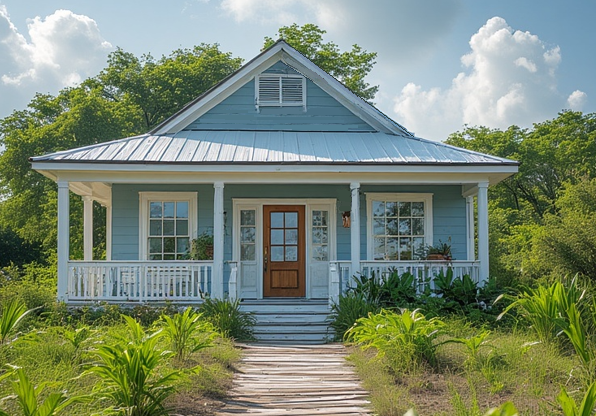
Easy Practices:
- Align windows opposite each other (cross-ventilation)
- Use jalousie or louvre windows
- Add high vents or clerestory windows
- Keep internal walls short or open-plan where possible
This practice works because it allows hot air to rise and escape, the breezes cools skin naturally, and it reduces AC dependence drastically. These simple practices make a big difference.
2. CONTROL THE SUN (NOT THE LIGHT)
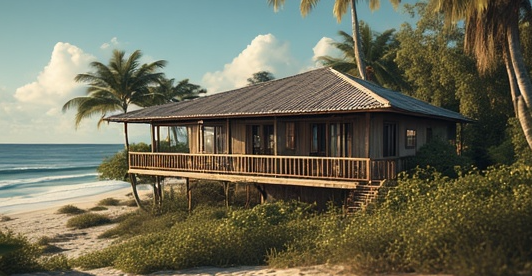
Easy Practices:
- Wide roof overhangs
- Verandas on east/west sides
- External shading (bamboo screens, lattice)
- Light-coloured roofs
This practice works because it extends outdoor living space, it prevents heat from entering walls, and it keeps interiors cooler longer.
3. USE LOCAL, LOW-IMPACT MATERIALS
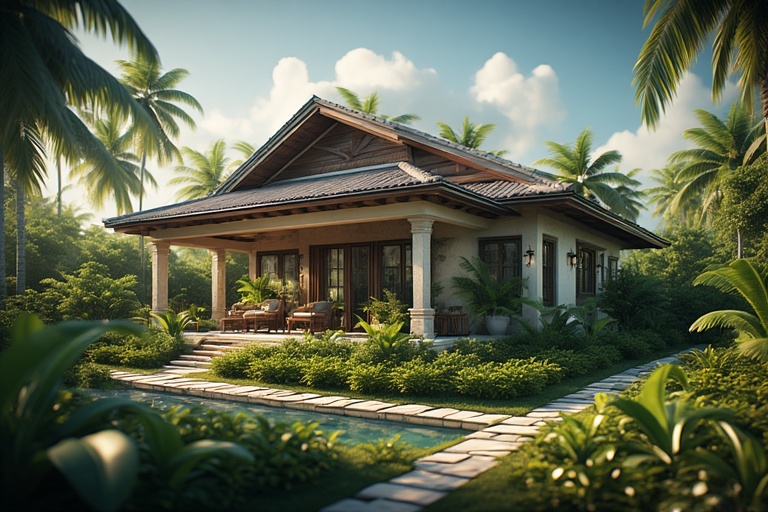
Examples:
- Local hardwoods (responsibly sourced)
- Bamboo (screens, ceilings, fencing)
- Local stone or river rock
- Clay blocks instead of imported drywall
These materials: supports local economy, are breathable, and handle humidity better.
4. RAINWATER HARVESTING (EXTREMELY EASY)
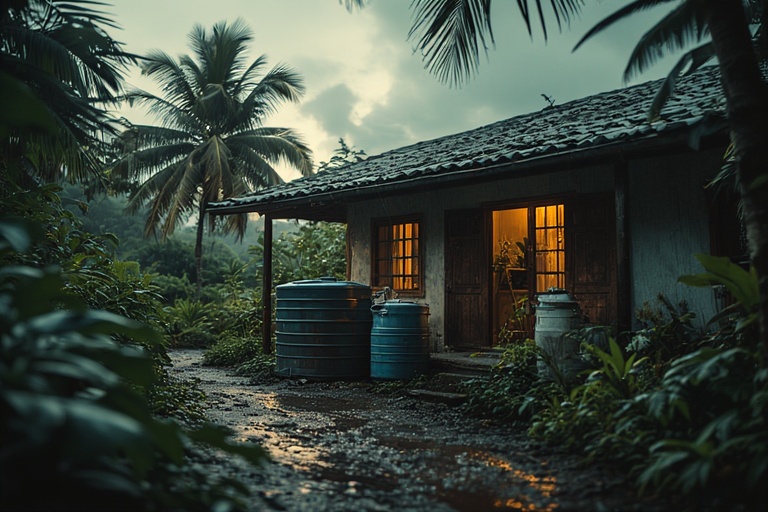
Easy Setup
- Roof gutters
- Downpipe → tank or barrel
- Gravity-fed outdoor taps
Rain water can be collected for watering the plants in the garden, washing the car, flushing the toilet and general cleaning.
5. SOLAR (START SMALL)
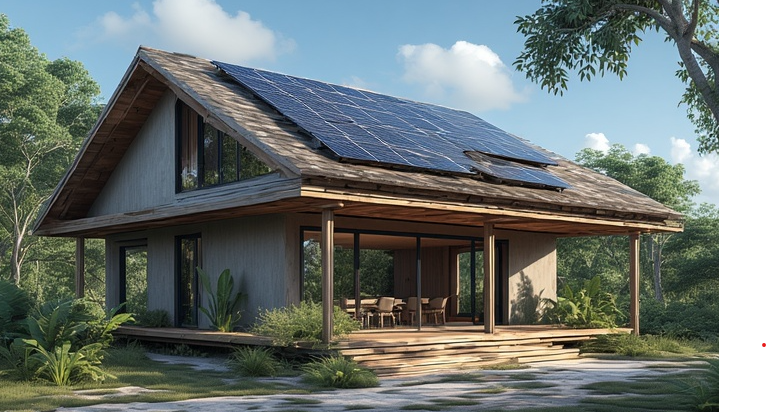
Easy Solar Wins
- Solar water heaters
- Solar outdoor lights
- Solar attic fans
- Small grid-tie systems later
Start small. Use simple solar set ups and start savings immediately. There is usually less upfront cost and expansion can happen easily when you are ready.
6. COOL ROOFS & CEILINGS
The roof is your biggest heat source.
Simple Improvements
- Light-coloured roofing
- Radiant foil under roof
- Ventilated roof space
- Insulated ceilings (even thin layers help)
As a result, this will dramatically lower indoor temperatures. Another idea is to use longer roof lifespan
7. LANDSCAPING AS A CLIMATE TOOL
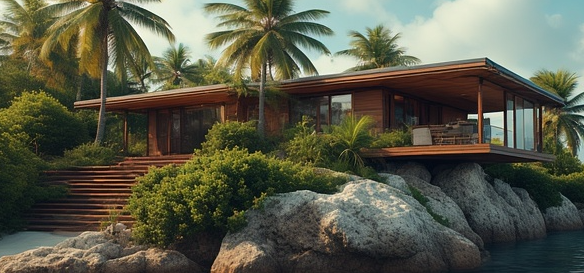
Easy Practices
- Shade trees on west side
- Vines or hedges near walls
- Mulch everywhere
- Permeable paths (gravel, stone)
Plants give natural cooling, allows for reduced runoff, and improve the microclimate
8. REDUCE, REUSE, ADAPT
Sustainability also means not wasting.
Simple Actions
- Reuse doors and windows
- Adapt existing layouts
- Build in phases
- Design flexible rooms
💡 The greenest building is the one you don’t rebuild.
9. WATER-SMART FIXTURES
Small upgrades, lasting impact.
Easy Swaps
- Low-flow showerheads
- Dual-flush toilets
- Outdoor taps with timers
10. DESIGN FOR LONG LIFE
Longevity = sustainability.
Build Smart
- Raised floors where flooding occurs
- Durable finishes
- Simple roof forms
- Easy maintenance access
Conclusion
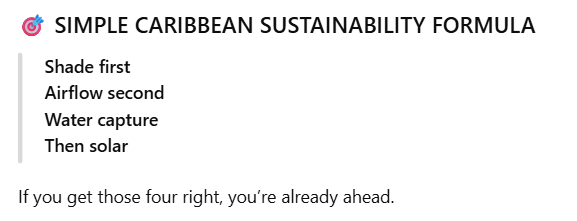
The Caribbean region faces specific environmental challenges, including intense heat, high humidity, heavy rainfall, and elevated energy costs. To address these issues sustainably, a combination of innovative practices has proven highly effective. Implementing water-smart fixtures and promoting the reduce-and-reuse mindset helps to conserve precious water resources. Landscaping with native plants not only enhances beauty but also minimizes water usage. Cool roofs and ceilings, alongside natural ventilation, provide much-needed relief from heat while reducing energy consumption through passive cooling methods. Additionally, rainwater harvesting systems capture heavy rainfall, ensuring a reliable water supply. With tight budgets, homeowners can adopt incremental upgrades using local materials, making sustainability both attainable and economically feasible.
To explore a representative Caribbean floor plan that incorporates sustainable design principles and natural ventilation, please click here.