

Turning a steep tropical hillside into terraces is one of the smartest things you can do. It slows rainwater, prevents erosion, and creates flat planting areas that are easier to maintain. The idea is simple: break one steep slope into a series of smaller, level steps. Here are the steps.
1. Assess the Slope
Before digging, observe how the land behaves.
- Steepness: very steep slopes (>30°) need smaller terraces.
- Water flow: watch where rainwater runs after a heavy shower.
- Soil type: clay holds water; sandy soils drain quickly.
Mark the slope with stakes or rope to visualize where each terrace will sit.
2. Mark Horizontal Terrace Lines
Terraces must follow the natural contour of the hill.
Example layout:
HOUSE
──────────── terrace 1
──────────── terrace 2
──────────── terrace 3
BOTTOM OF SLOPE
Each terrace should be level, even though the hill itself is sloped.
3. Build the Retaining Edge
The front edge of each terrace holds the soil behind it.
Common tropical materials:
- Natural stone
- Concrete blocks
- Pressure-treated wood
- Large hardwood logs
For stability, bury the base slightly into the ground and angle the wall slightly back into the slope.
4. Create the Level Planting Area
After the retaining edge is built:
- Cut soil from the uphill side.
- Fill behind the retaining edge.
- Pack the soil firmly.
This forms a flat planting bed where plants can grow easily.
5. Install Drainage
Water must move safely through the terraces.
Simple solutions:
- Gravel layer behind retaining walls
- Drain pipes (French drains)
- Stone channels along terrace edges
Drainage prevents water pressure from pushing the wall outward.
6. Plant the Terraces Strategically
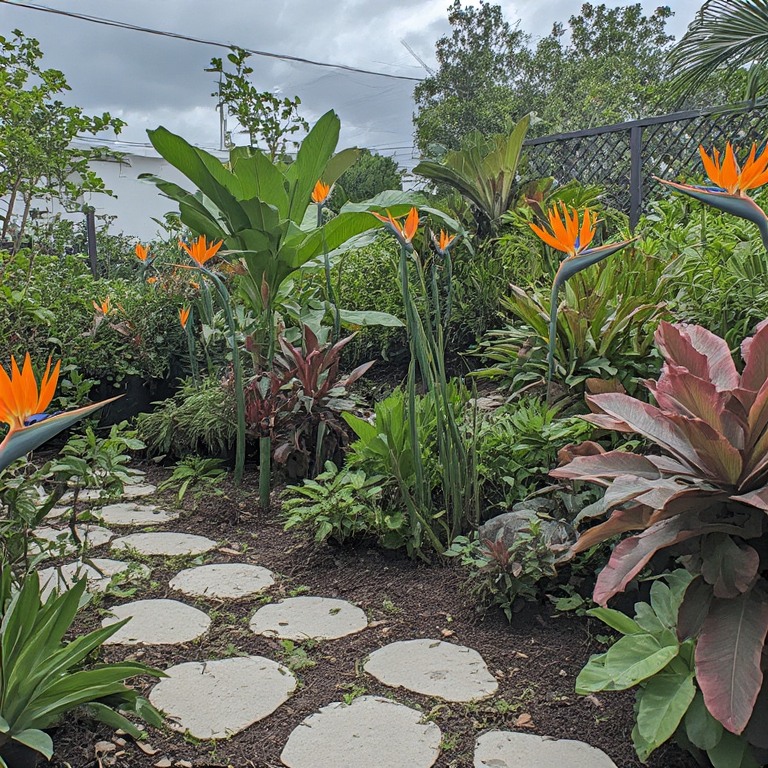
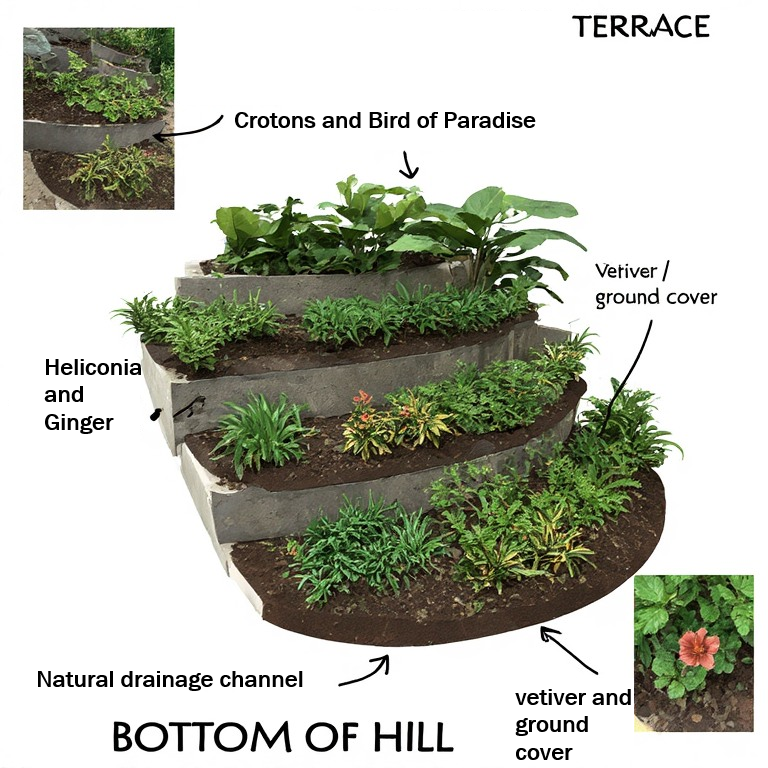
When planning a garden, it’s essential to strategically plant the terraces to create a visually appealing and harmonious landscape. Starting with the top terrace, which is conveniently located near the house, one can choose vibrant and eye-catching plants. Crotons, with their striking and colorful foliage, can be planted to add a burst of color and life, making the area inviting. Alongside the crotons, the exotic Bird of Paradise can be introduced, offering unique flowers that resemble a tropical bird in flight, further enhancing the terrace’s appeal. To complete this picturesque scene, the fragrant Frangipani can be added, bringing not only beauty but also a delightful scent that enhances the overall ambiance of the garden. Together, these plants create a stunning visual display, transforming the top terrace into a serene and enchanting space that complements the home and invites relaxation.
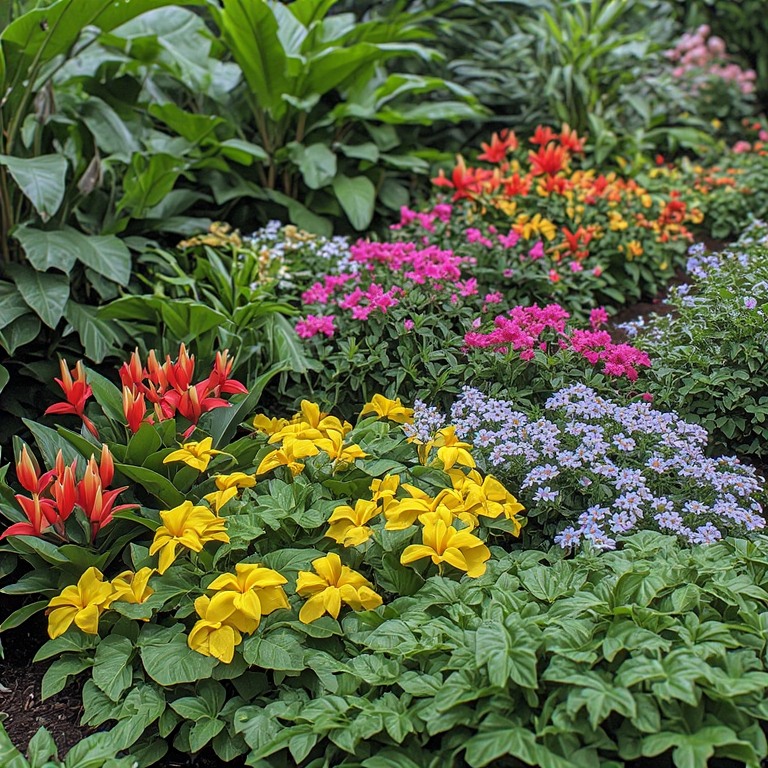
Now, for the middle sections. By incorporating vibrant Heliconia, exotic Ginger plants, and colorful Ixora, these middle terraces can become a focal point of the landscape. Heliconia, with its striking, tropical flowers, adds a dramatic flair, while Ginger plants contribute not only to the aesthetics but also provide a lush, green backdrop with their broad leaves. Meanwhile, Ixora brings a burst of color with its clusters of small flowers, attracting pollinators and enhancing the overall biodiversity of the garden. Together, these plants create a harmonious blend of textures and colors that elevate the garden’s beauty and ecological value. By thoughtfully arranging these plants, gardeners can ensure that the middle terraces are not only visually stunning but also support a healthy ecosystem, making the garden a vibrant sanctuary for both plants and wildlife.
The lower terraces should be populated with Vetiver grass, which is renowned for its deep root system that stabilizes the soil and prevents erosion. Additionally, incorporating bamboo can provide both structural support and a striking visual element, as its tall, graceful stalks add height and texture to the landscape. Ground covers, such as Wedelia, play an essential role in preventing weed growth while enhancing soil health. By thoughtfully arranging these plants on the lower terraces, one can create a harmonious and functional ecosystem that thrives both visually and environmentally.
Lower terraces
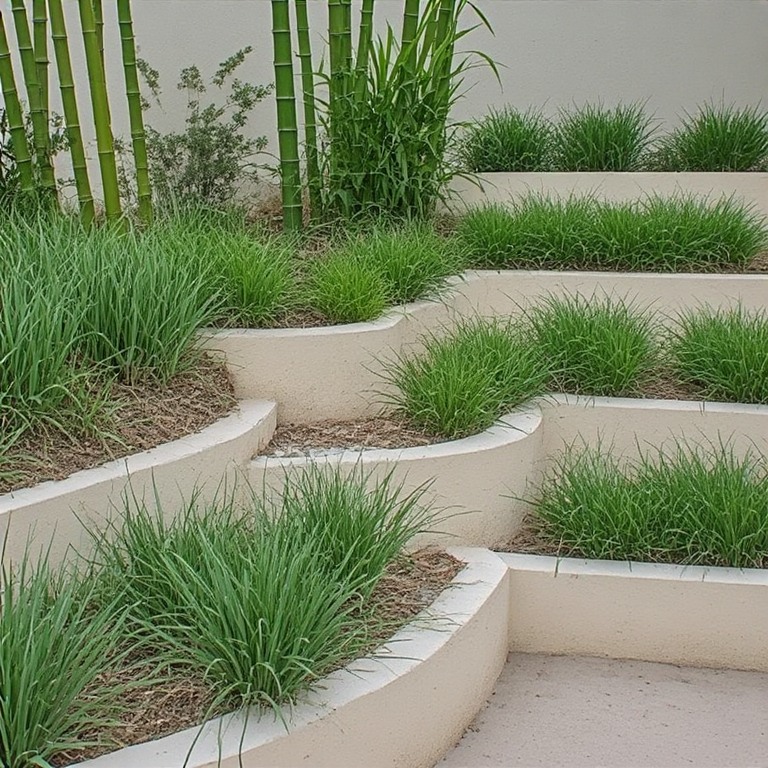
Strategically planting and arranging the terraces upper, middle, and lower terraces. enhances the aesthetic appeal of the landscape and also stabilizes the slopes. By distributing plants across these distinct levels, the design creates visual depth, drawing the eye across the landscape and adding dimension. The upper terrace can feature taller plants or trees, which provide shade and create a backdrop, while the middle terrace can include a mix of medium-height shrubs and flowers for color and texture. Finally, the lower terrace can be filled with ground cover and shorter plants, anchoring the design while preventing soil erosion. This strategic approach not only maximizes the use of space but also ensures a harmonious and balanced environment that is both beautiful and functional.
7. Use Ground Cover Between Plants
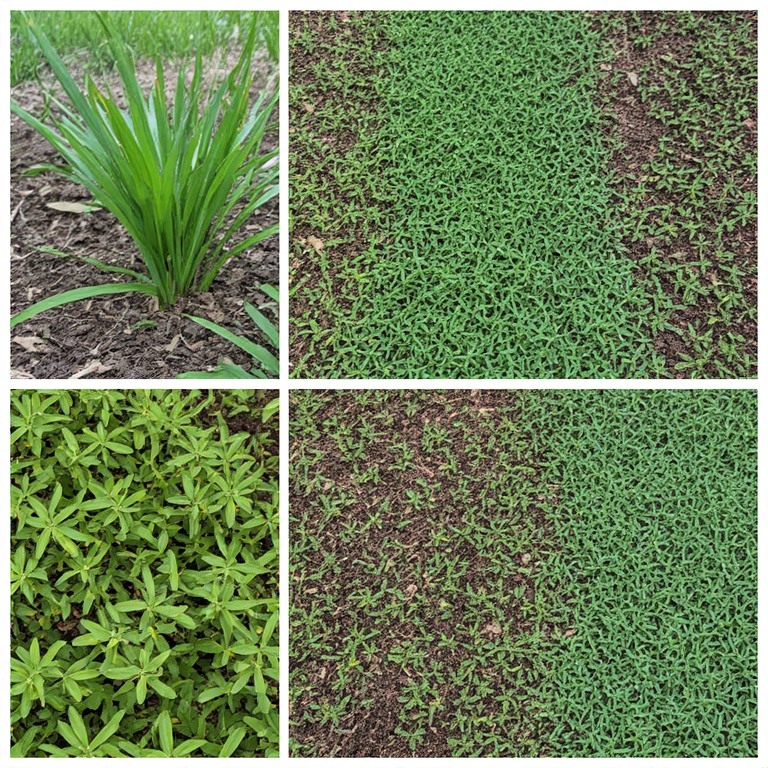
In gardening, utilizing ground cover between plants is an effective strategy for enhancing soil health and reducing competition from weeds. Ground covers serve to protect the soil from the impact of rain, preventing erosion and maintaining moisture levels. In tropical regions, several excellent options include Wedelia, perennial peanut, and creeping lily turf, all of which thrive in warm climates and provide a lush, vibrant appearance. When planting these ground covers, it’s advisable to space them about 1 to 2 feet apart. This spacing allows them to spread naturally, quickly covering the soil and creating a beautiful, cohesive landscape while fulfilling their ecological roles.
Example Terrace Layout
HOUSECrotons / Bird of Paradise
──────────── terrace 1Heliconia / Ginger
──────────── terrace 2Vetiver / Ground cover
──────────── terrace 3Natural drainage channel
BOTTOM OF HILL
Practical Tips
- Keep terraces 2–4 feet high for easier construction.
- Use curved terrace lines rather than straight ones; curves look more natural in tropical gardens.
- Plant quickly after building so roots begin stabilizing the soil.
A well-designed terraced garden will:
- protect the hillside
- create usable garden spaces
- frame the house beautifully
Many hillside homes in the Caribbean use this approach because it combines engineering and landscaping in one system.
MORE ARTICLES
-
Step-By-Step Plan for a Terraced Tropical Garden
Turning a steep tropical hillside into terraces is one of the smartest things you can do. It slows rainwater, prevents erosion, and creates flat planting areas that are easier to maintain. The idea is simple: break one steep slope into a series of smaller, level steps. Here are the steps. 1. Assess the Slope Before…