

Plants look more natural and balanced when they’re grouped in odd numbers, especially three. One looks lonely, two looks stiff, three feels intentional and alive.
The Rule of Three
In the realm of landscape design, the strategic arrangement of plant groups plays a crucial role in creating visually appealing and harmonious outdoor spaces. One exemplary configuration is the use of a plant cluster, which can be effectively viewed from the front to appreciate its overall aesthetics. At the center of this cluster, the imposing Cordyline serves as a tall accent plant, drawing the eye upward with its striking height and presence. This plant not only contributes vertical interest but also acts as a focal point, anchoring the surrounding flora and establishing a sense of balance within the design.
Rule of Three Tip:
Use 1 accent plant and 2 supporting plants with different heights or textures. Arrange them in a triangle—not a straight line—for natural balance.
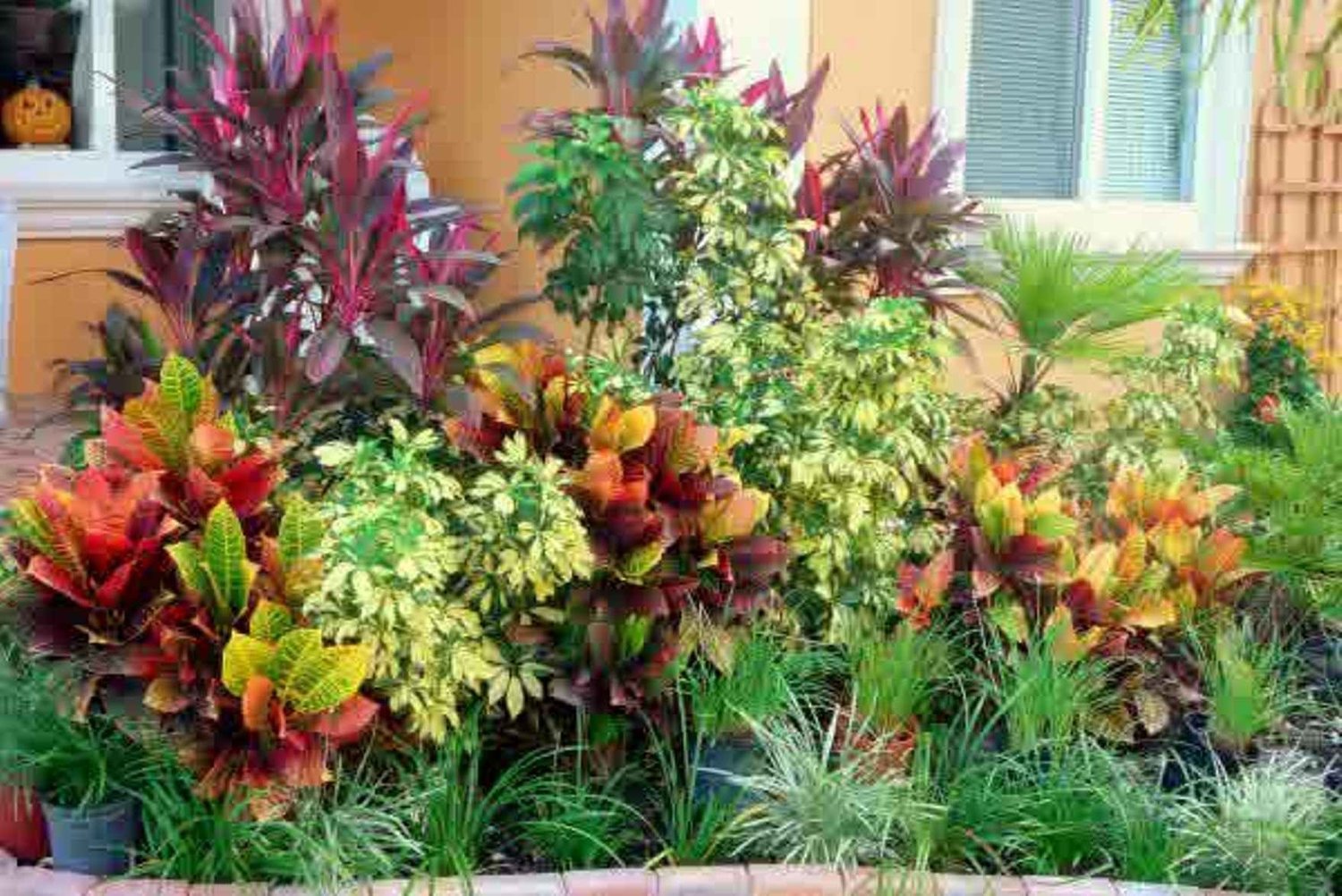
Flanking the Cordyline are two complementary species: the Ixora and the Croton. The Ixora, recognized for its vibrant clusters of small, colorful flowers, adds a dynamic element to the arrangement, infusing the scene with bursts of color and attracting pollinators. Meanwhile, the Croton, with its richly variegated leaves, introduces a tapestry of hues that can range from bright yellows to deep reds, enhancing the overall visual texture of the cluster. Together, these plants create a multi-layered composition that not only captivates the observer but also promotes biodiversity, making the landscape both beautiful and ecologically beneficial. By thoughtfully selecting and arranging these plant species, landscape designers can craft spaces that are not only aesthetically pleasing but also supportive of local ecosystems.
EXAMPLE: RULE OF THREE — CARIBBEAN PLANT GROUPING
PLANT LABELS
1️⃣ Cordyline (Ti Plant) – Vertical Anchor
- Height: Tall
- Role: Eye-catcher / focal point
- Placement: Back or center
- Adds movement and height
2️⃣ Ixora – Flowering Mass
- Height: Medium
- Role: Color + structure
- Placement: Front left
- Attracts pollinators
3️⃣ Croton – Foliage Contrast
- Height: Medium
- Role: Texture + color contrast
- Placement: Front right
- Bright tropical leaves
Why does this works?
When designing a landscape, understanding the fundamental principles of composition is crucial to creating a visually appealing and harmonious environment. One effective strategy is to incorporate three different heights of plants, which adds depth and dimension to the landscape. This layering effect not only contributes to a more dynamic visual experience but also allows for the creation of distinct focal points. By varying the heights—from short ground cover to medium-sized shrubs and taller trees—designers can create a sense of hierarchy and movement within the garden. Additionally, utilizing three different textures further enhances visual interest. The juxtaposition of smooth leaves against rugged bark or feathery fronds can evoke a tactile response, engaging viewers and encouraging exploration of the landscape.
Color plays an equally vital role in landscape design, and incorporating three distinct colors effectively balances the overall aesthetic. A well-considered color palette can evoke specific emotions and set the tone for the space, whether it be vibrant and lively or tranquil and serene. Furthermore, employing a triangular layout not only contributes to stability and structure within the design but also aligns with the natural tendencies of the human eye. The triangular composition facilitates a natural flow through the space, guiding viewers’ gaze from one element to another in a cohesive manner. This design principle mimics the patterns found in nature, where plants often grow in clusters and arrangements that exhibit triangular formations. By adhering to these key teaching points, landscape designers can create spaces that are not only beautiful but also resonate with the innate preferences of those who experience them.
OPTIONAL VARIATIONS (Still Rule of Three)
Soft Border Version
- 1 × Hibiscus (center)
- 2 × Dwarf Ixora (sides)
Modern Tropical Look
- 1 × Foxtail Palm
- 2 × Lomandra or Mondo Grass clumps
Edible Landscaping
- 1 × Pigeon Pea
- 2 × Chive or Basil clumps
When designing a garden in the Caribbean, it is essential to consider the unique climate conditions that differ significantly from temperate regions. One crucial tip is to space plants slightly wider apart than you would in a temperate garden. This allows for adequate airflow, which is vital in managing humidity levels. In the Caribbean, where humidity can be high, proper spacing ensures that air can circulate freely among the plants, reducing the risk of fungal diseases and promoting overall plant health. Furthermore, incorporating appropriate spacing facilitates the growth of each plant, allowing them to achieve their full potential without competing excessively for resources such as sunlight and nutrients.
In addition to spacing, mulching heavily around plant groups is a beneficial practice to adopt in Caribbean landscaping. A thick layer of mulch not only helps to retain moisture in the soil but also acts as a barrier against weeds, which can thrive in the warm climate. This helps maintain the health of your garden by reducing competition for nutrients and water. Moreover, when designing the layout of the garden, it is advisable to avoid straight lines; instead, opt for gentle curves that mimic the natural contours of the landscape. This approach not only enhances the visual appeal of the garden but also creates a more organic and harmonious environment that can thrive in the Caribbean’s vibrant ecosystem. Through these thoughtful design principles, gardeners can create beautiful, sustainable landscapes that flourish in the Caribbean climate.
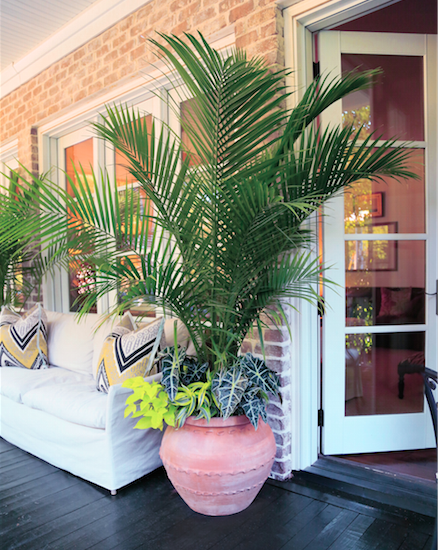
Please find additional information regarding the clean and reusable “Rule of Three” diagrams. Each diagram features Caribbean-appropriate flora, employs a clear triangular layout, and includes ready-made labels. You may download by clicking the link below.
Caribbean Landscaping – Design Principles for Tropical Yards