

In warm climates like ours, lighting isn’t just about brightness — it’s about heat control, airflow, glare reduction, and mood.. If you design lighting is wrong in the Caribbean, the house feels hot, harsh, and restless. If you design it right, it feels cool, calm, and breathable.
Let’s break it down lighting design best suited for warm climates properly.
Prioritize Indirect and Layered Lighting
The combination of harsh overhead lighting and the sweltering tropical heat creates an environment that is undeniably uncomfortable. As the bright, fluorescent lights cast a stark glare throughout the space, they not only illuminate the surroundings but also amplify the oppressive warmth that the tropical climate brings. The air feels thick and heavy, making it difficult to concentrate or relax. Sweat beads form on brows, and the relentless brightness seems to intensify feelings of fatigue and irritability. This unpleasant interplay between extreme lighting and heat can detract from productivity and enjoyment, leaving one yearning for a cooler, more soothing atmosphere.
Instead, use: Cove lighting, Wall washers, Concealed LED strips, Uplighting behind architectural features. This creates glow without glare.
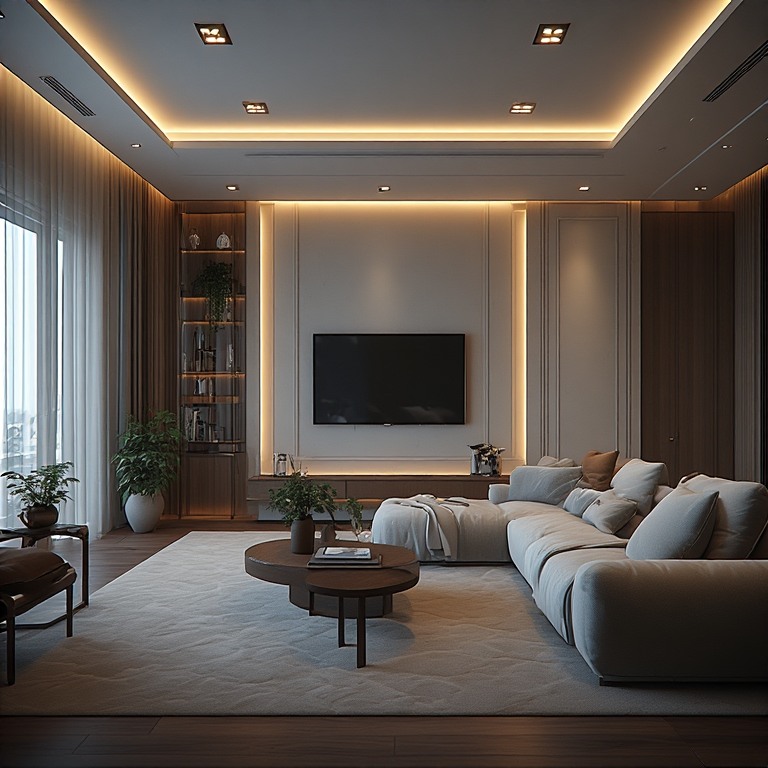
Why it works:
- Soft diffusion mimics sunset tones
- Reduces eye strain
- Makes rooms feel cooler psychologically
Choose Warm-to-Neutral Color Temperatures (2700K–3000K)
When designing lighting for warm climates, it is essential to select the appropriate color temperatures to create a comfortable and inviting atmosphere. Opting for warm-to-neutral color temperatures, specifically in the range of 2700K to 3000K, is ideal as these hues enhance the natural warmth of the environment. This selection not only complements the existing aesthetic but also fosters a cozy ambiance that encourages relaxation and social interaction. In contrast, it is advisable to avoid cool white lighting, which typically falls within the 4000K and above range, as such tones can feel harsh and unwelcoming in warm climates. By prioritizing warmer color temperatures, one can effectively enhance the overall experience of a space.
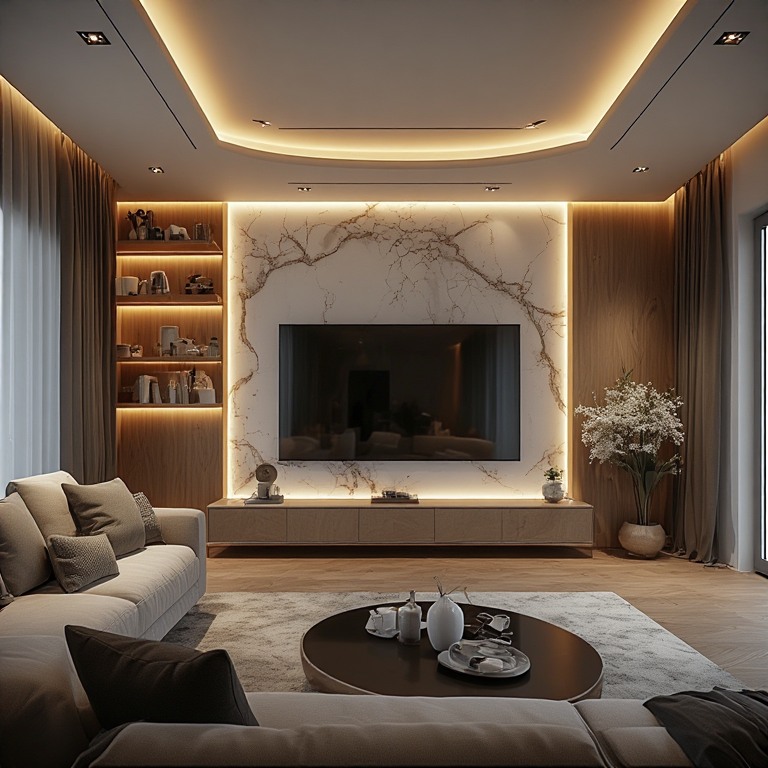
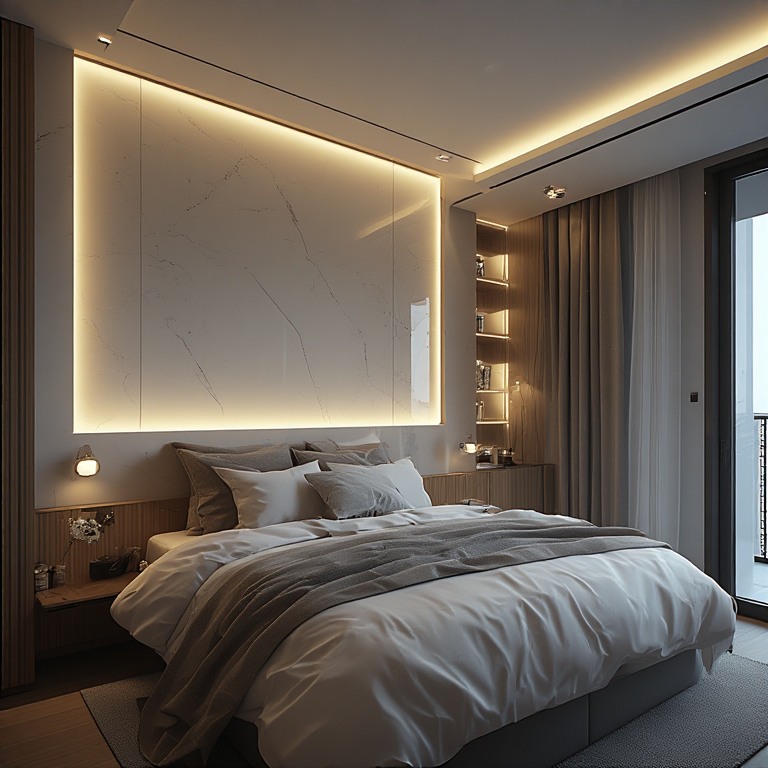
Best range:
- 2700K for bedrooms & living rooms
- 3000K for kitchens & work areas
Warm lighting psychologically lowers perceived temperature.
Maximize Natural Light — But Control It
In the Caribbean, the abundance of sunlight creates a unique opportunity for both natural beauty and sustainable living. However, the focus is not merely on maximizing exposure to light, but rather on mastering the art of controlled light. This approach is essential for various applications, from architecture to agriculture, as it allows for the optimization of energy use and enhances the overall quality of life. By harnessing sunlight in a thoughtful manner, residents and businesses can create environments that are both comfortable and efficient. This balance ensures that the lush landscapes and vibrant ecosystems of the Caribbean are preserved while also promoting innovation and sustainability in the region.
Use:
- Sheer curtains
- Louvers
- Deep overhangs
- Light shelves
- Shaded clerestory windows
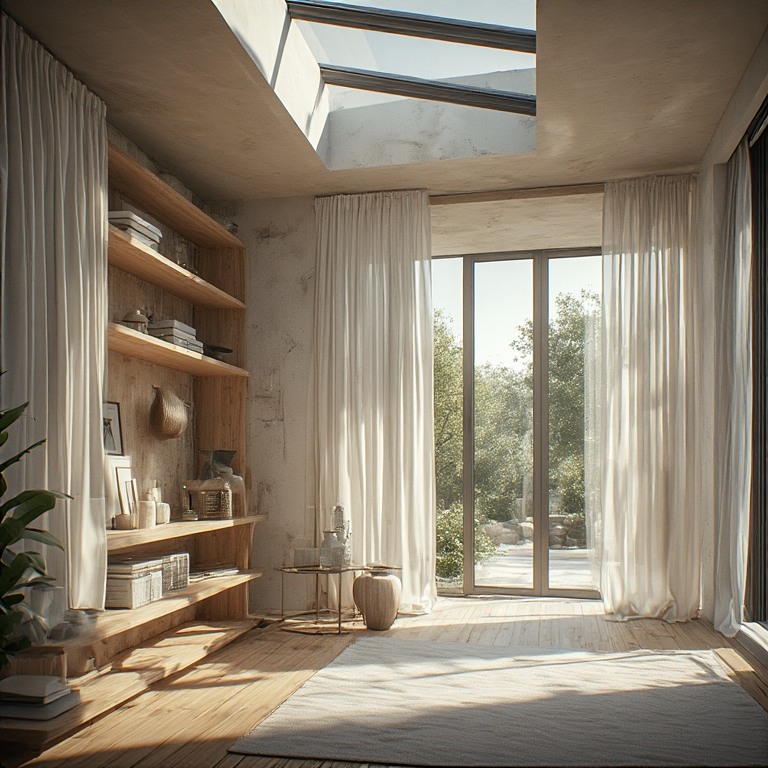
Lighting design must work with architecture, not fight it.
Use Ceiling Fans With Integrated Lighting Carefully
In warm climates, fans play an essential role in maintaining comfort and enhancing air circulation within living spaces. Their ability to create a cooling breeze can significantly alleviate the discomfort caused by high temperatures, making them a vital addition to homes in these regions. However, when choosing fans, it is crucial to avoid bulky light kits that can detract from their functionality. While integrated lighting may seem convenient, it often adds unnecessary weight and complexity to the design, which can compromise the fan’s performance and aesthetic appeal. Opting for sleeker, more streamlined fan designs allows for better airflow and a more visually pleasing environment. Ultimately, selecting the right fan without the bulk of light kits ensures an effective cooling solution that complements the overall decor while providing the necessary comfort in warmer climates.
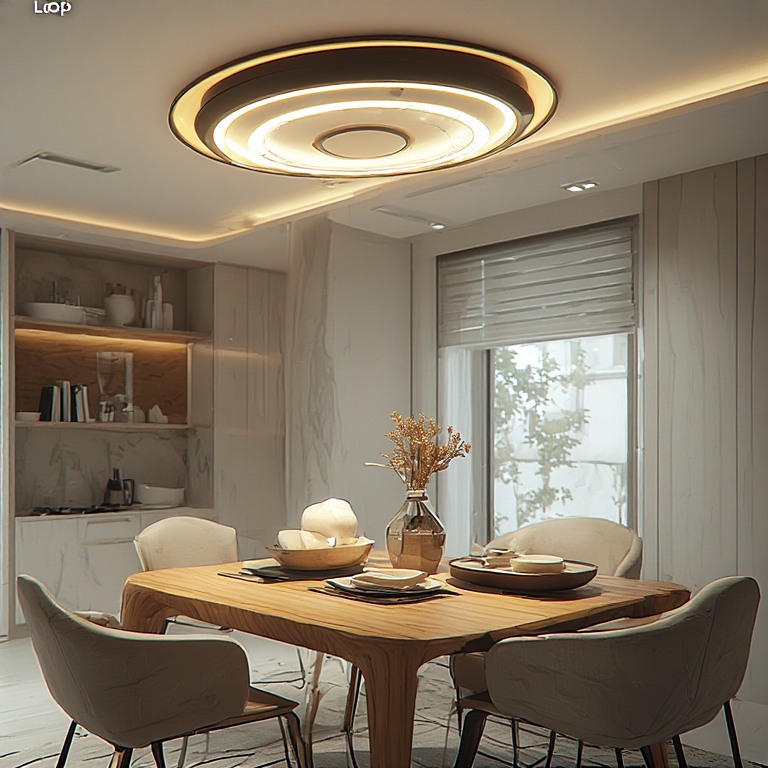
Better approach:
- Slim modern fan + separate layered lighting
- Or integrated diffused LED disk (low glare)
Air movement combined with soft lighting creates an inviting atmosphere that fosters comfort and relaxation. The gentle currents of air provide a refreshing quality, enhancing the overall ambiance of a space. When the air flows smoothly, it not only helps to regulate temperature but also promotes a sense of well-being. Paired with soft lighting, which casts a warm and gentle glow, the environment transforms into a sanctuary where one can unwind and escape the stresses of daily life. Together, these elements work harmoniously to create a serene setting that encourages both mental and physical relaxation, making it an ideal space for rest and rejuvenation.
Outdoor Lighting: Soft, Shielded & Low-Level
The interplay of air movement and soft lighting plays a crucial role in creating a sense of comfort in outdoor spaces. Utilizing various lighting options can significantly enhance this atmosphere. For instance, step lights provide safety and guidance along walkways, while path lights illuminate garden trails, allowing guests to navigate the space with ease. Recessed wall lights can create a warm, inviting ambiance, seamlessly integrating with the architecture. Uplighting trees subtly draws attention to their natural beauty, casting enchanting shadows and highlights. Employing warm 2700K exterior LEDs further enhances this inviting environment, offering a cozy glow that invites relaxation and enjoyment.
Instead:
- Step lights
- Path lights
- Recessed wall lights
- Uplighting trees subtly
- Warm 2700K exterior LEDs
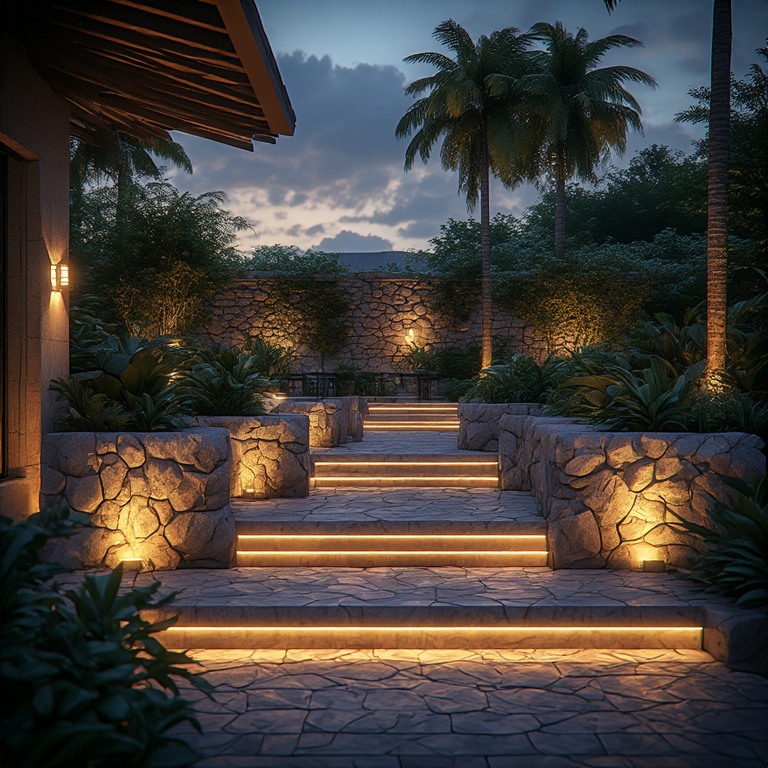
Warm climates benefit from lighting that:
- Reduces insect attraction (warm light attracts fewer insects than cool white)
- Minimizes heat buildup
- Avoids harsh glare at night
Ventilated Fixtures & Low-Heat Sources
When selecting lighting for a comfortable and inviting space, it’s essential to prioritize certain features that promote both aesthetic appeal and practicality. Always opt for LED lights, which are known for their low heat emission, ensuring a cooler environment. Additionally, choosing open-backed fixtures allows for better air circulation, further reducing heat buildup. Incorporating breathable shades made from materials like linen or woven rattan can enhance the overall ambiance while providing necessary ventilation. Conversely, it’s crucial to avoid enclosed halogen fixtures and heavy glass pendants that trap heat, as this combination of heat and confined light can lead to discomfort in any setting.
Reflective vs. Absorptive Surfaces
In bright climates, the choice of material finishes plays a crucial role in managing light and enhancing the overall aesthetic of a space. Matte finishes are particularly effective in reducing glare, making them an ideal option for areas that receive abundant sunlight. In contrast, polished stone surfaces tend to reflect excessive light, which can create discomfort and an overwhelming brightness in a room. Similarly, glossy tiles can amplify brightness, contributing to a harsh environment that may detract from the intended ambiance. Therefore, when planning lighting for such spaces, it is essential to consider the interplay between different material finishes and the natural light they interact with, ensuring a harmonious balance that enhances both comfort and design.
Dimmer Switches Are Essential
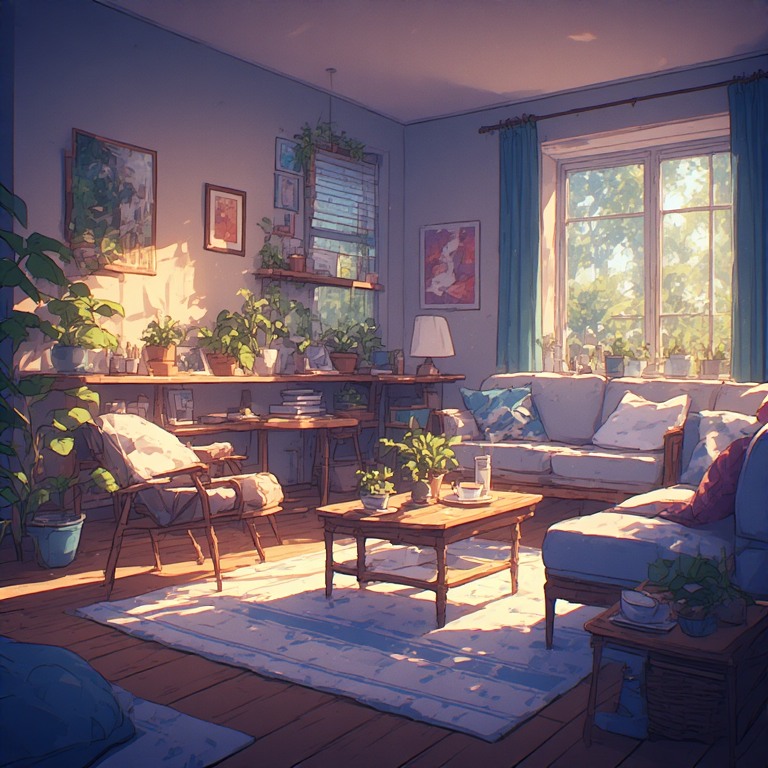
Dimmer switches can create a harmonious and adaptable living environment, especially in warm climates where the mood can shift throughout the day. In the morning, a brighter light can invigorate the space, helping to awaken the senses and set a positive tone for the day ahead. As the sun reaches its peak at midday, natural light floods in, creating a vibrant and energizing atmosphere. However, as evening approaches, a soft, dimmed glow becomes more inviting, fostering relaxation and a sense of calm as the day winds down. With dimmers, homeowners can effortlessly adjust their lighting to reflect these natural transitions, allowing their homes to resonate with the changing moods of the day. This flexibility not only enhances comfort but also contributes to a more serene and welcoming ambiance. Ultimately, incorporating dimmer switches into the home is a simple yet effective way to harmonize indoor lighting with the rhythms of daily life.
Highlight Natural Materials
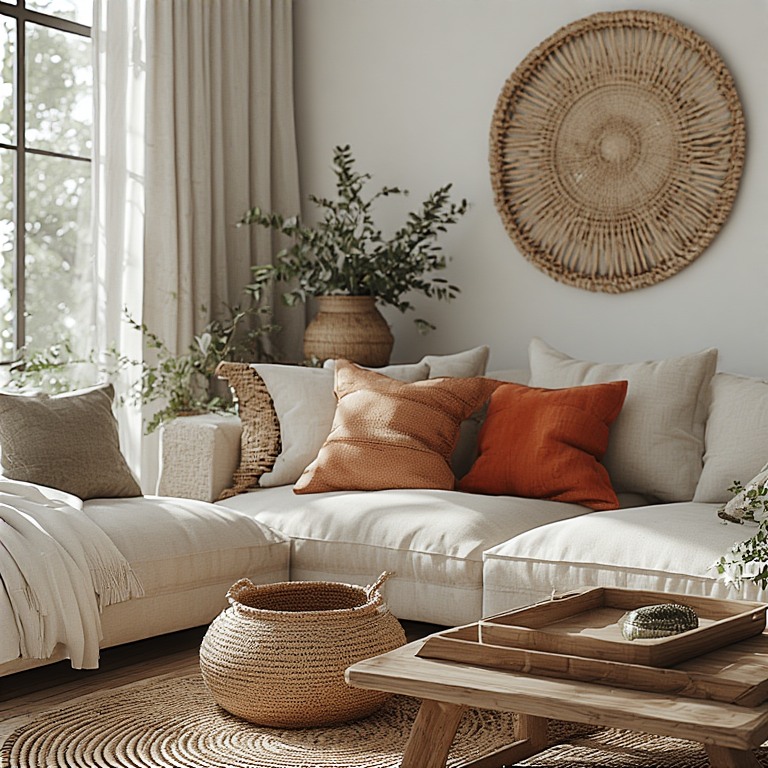
In tropical homes, the beauty of natural materials is often showcased through the use of bamboo, rattan, stone, and wood, creating an inviting and harmonious environment. These materials not only reflect the essence of their surroundings but also bring a unique warmth and character to the space. To enhance the appeal of these textures, directional accent lighting plays a crucial role. By strategically illuminating surfaces, the light brings out the intricate details and patterns of the materials, making them feel cooler and richer under soft illumination. This thoughtful approach to lighting transforms the ambiance, allowing the natural elements to shine and creating a serene refuge that embodies the spirit of tropical living.
🌞 Interior vs Exterior Strategy
| Space | Best Lighting Approach |
|---|---|
| Living Room | Indirect + layered + dimmable |
| Kitchen | 3000K task lighting + warm ambient |
| Bedroom | 2700K soft lamps + indirect ceiling |
| Patio | Shielded warm LEDs |
| Garden | Low-level, subtle accent lighting |
🔥 What To Avoid in Warm Climates
❌ Bright white 5000K lighting
❌ Overhead-only lighting
❌ Excessive recessed downlights
❌ Exposed bulbs creating glare
❌ Heat-producing halogen fixtures
Design Philosophy for Warm Climates
In designing for warm climates, a thoughtful approach is essential to create comfortable and inviting spaces that enhance the living experience. The philosophy emphasizes a soft glow rather than brightness for brightness’s sake, as this gentle illumination fosters a serene atmosphere, ideal for relaxation. Air movement is also crucial; incorporating elements like open layouts, ceiling fans, and strategically placed windows allows for a natural flow of fresh air, reducing reliance on artificial cooling. Controlled daylight plays a significant role in managing heat while still providing the benefits of natural light. Additionally, layered depth in textures and materials adds visual interest, while warm undertones in color palettes create a cozy, welcoming environment, making spaces feel more connected to nature and the surrounding landscape.
In conclusion, selecting the right lighting design for warm climates goes beyond mere aesthetics; it is essential for creating comfortable, functional, and energy-efficient spaces. By prioritizing materials and fixtures that withstand high temperatures and resist UV damage, and by implementing strategies that maximize natural light while minimizing heat absorption, designers can enhance both the practicality and enjoyment of outdoor and indoor environments. Additionally, incorporating smart lighting solutions can further optimize energy usage, making a significant impact on sustainability. As we continue to adapt to changing climates and evolving lifestyles, thoughtful lighting design will remain a crucial element in crafting inviting and resilient spaces that thrive in warm conditions.