

Creating an optimal bedroom layout is a nuanced endeavor that intertwines comfort, functionality, and tranquility. The design of this personal sanctuary plays a crucial role in promoting restful sleep and enhancing daily living. A well-thought-out bedroom layout not only provides a space for relaxation and rejuvenation but also accommodates the practical needs of daily routines. By carefully considering the arrangement of furniture, the flow of movement, and the incorporation of soothing elements, one can create an environment that supports both physical and mental well-being. The objective is to achieve a harmonious balance that minimizes distractions and maximizes comfort, allowing the bedroom to serve as a retreat from the demands of the day. This article will explore essential strategies for achieving this balance, offering insights into how the thoughtful placement of beds, storage solutions, and personal touches can transform a bedroom into a haven of peace. Whether you are redesigning an existing space or starting from scratch, understanding the interplay between comfort, function, and calm is key to crafting a bedroom that nurtures restful sleep and enhances your overall quality of life.

Key factors to think through—step by step.
1. Bed Placement
Bed Placement comes first. The bed dictates everything else. Bed placement is a critical aspect of interior design that significantly influences the overall functionality and aesthetic of a living space. The position of the bed in a bedroom not only affects the room’s layout but also dictates the flow of movement and accessibility within the space. For instance, placing the bed against a solid wall can create a sense of security and stability, while positioning it near a window can enhance natural light and provide a scenic view. Additionally, the bed serves as the focal point of the room, impacting the arrangement of other furniture and decor elements. Therefore, before making any decisions regarding other furnishings or decorative accents, it is essential to carefully consider the bed’s location within the room.
Moreover, bed placement plays a vital role in establishing a comfortable and inviting atmosphere conducive to rest and relaxation. The orientation of the bed can affect the quality of sleep, as certain placements may expose the sleeper to disruptive factors such as noise or excessive light. For example, positioning the bed away from direct lines of sight to the door can foster a greater sense of tranquility. Furthermore, the height of the bed in relation to other furniture items, such as nightstands and dressers, should be considered to ensure practical accessibility and visual harmony. In essence, thoughtful bed placement lays the foundation for a well-designed bedroom, influencing not only the aesthetic appeal but also the overall comfort and functionality of the space
Consider:
- Clear access on both sides (ideally 24–30 in / 60–75 cm).
- Headboard against a solid wall for stability and psychological comfort.
- Avoid lining up directly with the door if possible (disturbing visually and energetically).
- Don’t place the bed under a window unless unavoidable—drafts, light, and noise disrupt rest.
👉 If space is tight, prioritize one open side over none.
2. Room Flow & Circulation
Room flow and circulation are essential elements in the design of any space, significantly impacting the comfort and functionality of the environment. When planning for optimal movement within a room, it is crucial to ensure that individuals can navigate without the risk of weaving around or bumping into furniture. A commonly accepted guideline for main walkways is to maintain a clearance of 30 to 36 inches (approximately 75 to 90 centimeters). This width allows for easy passage, accommodating multiple users and ensuring that the space feels open and inviting. By prioritizing spacious walkways, the overall aesthetic and usability of the room are greatly enhanced, creating a more pleasant experience for occupants.
In addition to walkway dimensions, the placement and functionality of doors play a vital role in room circulation. Doors should be designed to open fully without obstructing furniture or creating barriers that disrupt the flow of movement within the space. This consideration not only promotes ease of access but also contributes to a sense of harmony within the room. It’s also important to be mindful of sharp corners in furniture layouts, particularly those that point directly at the bed. While this detail may seem subtle, it can create an underlying sense of stress for individuals who occupy the space. By thoughtfully addressing these aspects of design, one can create an environment that is both aesthetically pleasing and highly functional, fostering a sense of tranquility and ease for all who inhabit it.
Good rules of thumb:
- 30–36 in (75–90 cm) for main walkways
- Doors should open fully without hitting furniture
- No sharp corners pointing directly at the bed (subtle but stressful)
Think of the bedroom as a soft loop, not a maze.
3. Storage Strategy (Hidden > Exposed)
Next, clutter is often regarded as one of the primary enemies of rest and relaxation. When organizing a space, it is vital to ask yourself critical questions about your storage strategy. For instance, consider whether wardrobes can be placed against cooler or darker walls to create a more serene atmosphere. This simple shift not only enhances the aesthetic appeal of the room but can also contribute to a more restful environment. Additionally, under-bed storage presents an excellent opportunity for maximizing space. Implementing drawers instead of loose bins can lead to a more organized setup, minimizing visual chaos while maintaining accessibility.
Ask yourself:
- Can wardrobes go on the cooler/darker wall?
- Is under-bed storage possible (drawers beat loose bins)?
- Can you use vertical storage instead of floor-heavy pieces?
👉 Fewer, larger storage pieces feel calmer than many small ones.
4. Light: Natural & Artificial
When designing a bedroom, it is essential to consider the nuanced role of lighting, which encompasses both natural and artificial sources. Bedrooms require a thoughtful approach to light control rather than mere brightness, as the primary function of this space is to promote relaxation and restorative sleep. To achieve this, it is advisable to incorporate various layers of lighting that can be easily adjusted to suit different needs throughout the day and night. Natural light plays a crucial role in creating a warm and inviting atmosphere; however, it is equally important to have the ability to fully block it when necessary. This can be accomplished through the installation of blackout curtains, which are particularly beneficial for those who work night shifts or simply prefer a darker environment for sleeping.
In addition to managing natural light, the incorporation of soft ambient lighting is vital for establishing a serene atmosphere in the bedroom. This can be achieved through the use of warm, indirect lighting that bathes the room in a gentle glow, enhancing relaxation and comfort. Moreover, task lighting is an important consideration for specific activities such as reading or working in bed. Bedside lamps or wall sconces can provide the necessary illumination without overwhelming the senses. It is prudent to avoid harsh overhead lighting as the primary source of illumination in the bedroom; instead, reserve such lighting for cleaning or other practical tasks. By thoughtfully layering different types of lighting, one can create a harmonious and functional space conducive to rest and rejuvenation.
- Natural light that can be fully blocked (blackout curtains if needed)
- Soft ambient lighting (warm, indirect)
- Task lighting at bedside (lamps or wall sconces)
Avoid harsh overhead lights as the main source—save those for cleaning only.
5. Noise & Sleep Quality
The impact of noise on sleep quality is often underestimated, yet even subtle sounds can significantly disrupt deep sleep, which is crucial for overall health and well-being. Research has shown that various auditory stimuli, from the hum of electronics to street noise, can prevent individuals from reaching the deeper stages of sleep, where restorative processes occur. To foster a more conducive sleep environment, it is essential to consider the acoustics of your bedroom. This can be achieved by strategically arranging furniture and electronics to minimize sound disturbances. For instance, positioning televisions, routers, and any devices with bright LED displays away from the bed can reduce visual and auditory distractions, creating a more serene sleeping atmosphere.
If you are particularly sensitive to noise interruptions during sleep, prioritizing acoustic comfort over aesthetic considerations becomes paramount. The importance of a peaceful sleep environment cannot be overstated, as quality sleep is vital for cognitive function, emotional regulation, and physical health. Utilizing soundproofing materials, such as heavy curtains or acoustic panels, can further enhance the quality of your sleep by dampening external noise. Additionally, white noise machines or soothing soundscapes can mask unwanted sounds, helping to create a tranquil retreat that encourages deeper, more restorative sleep. By addressing noise factors in your bedroom, you can significantly improve your sleep quality and, consequently, your overall health.
Improve acoustics by:
- Placing the bed away from shared walls if possible
- Using curtains, rugs, or upholstered headboards
- Avoiding electronics facing the bed (TVs, routers, bright LEDs)
If you wake easily, this matters more than aesthetics.
6. Scale & Proportion
When considering the scale and proportion of furniture within a space, it is imperative to strike a harmonious balance that enhances both functionality and aesthetics. Oversized furniture, while often visually striking, can inadvertently overpower a room, creating a sense of confinement that stifles movement and diminishes the overall ambiance. Such pieces can dominate the visual field, drawing attention away from other design elements and making the space feel cramped. This imbalance can lead to a disjointed environment, where the intended flow of the room is disrupted, and the natural interplay of light and space is hindered. Therefore, careful consideration of the dimensions and volume of furniture in relation to the overall size of the room is essential in promoting a comfortable and inviting atmosphere.

Check:
- Bed size vs room size (a king in a small room kills flow)
- Nightstands proportional to bed height
- Ceiling height vs tall wardrobes
👉 If it just fits, it probably doesn’t fit.
7. Personal Habits & Lifestyle
When determining the layout of your bedroom, it is essential to design a space that reflects your actual lifestyle rather than adhering to idealized aesthetics often seen on platforms like Pinterest. While these images can serve as inspiration, a practical approach that considers your daily habits will lead to a more functional and enjoyable living environment. For instance, if you enjoy reading in bed, it is crucial to position your bed near a source of natural light or to incorporate a bedside lamp that provides sufficient illumination without straining your eyes. Additionally, consider the placement of bookshelves or nightstands within arm’s reach, allowing for easy access to your favorite reads without disrupting the flow of the room.\
A beautifully designed bedroom that overlooks the realities of your personal habits can quickly become a source of frustration rather than relaxation. For example, if you tend to unwind in bed by watching television or scrolling through your phone, the layout should accommodate a comfortable seating position for these activities, perhaps through the strategic placement of a media console or charging stations. By thoughtfully integrating your preferences and daily routines into the design process, you can create a harmonious space that not only looks aesthetically pleasing but also enhances your overall quality of life. This ensures that your bedroom becomes a sanctuary tailored to your needs, promoting restful sleep and a rejuvenating atmosphere.
Ask:
- Do you read in bed?
- Need a dressing area or mirror?
- Early riser vs light sleeper?
- Partner with different sleep schedule?
A beautiful room that ignores habits becomes annoying fast.
8. Emotional Tone (Often Overlooked)
Creating an emotionally soothing tone for the bedroom is often an aspect of interior design that is overlooked, yet it plays a crucial role in fostering relaxation and tranquility. A bedroom should serve as a sanctuary, a private retreat where individuals can escape the stresses of daily life. To achieve this, it is essential to incorporate elements that cultivate a sense of safety and comfort. Soft textures, such as plush bedding, cozy throws, and gentle rugs, can evoke a feeling of warmth, inviting the occupant to unwind. Additionally, using muted and cohesive color palettes can enhance this serene atmosphere, as colors that are too bright or clashing can create visual noise that may distract the mind and inhibit relaxation. Clear surfaces free of clutter contribute to this sense of calm, allowing the mind to settle and the body to feel at ease.
Balanced symmetry, particularly around the bed, is another vital component in establishing a harmonious emotional tone in the bedroom. Symmetry offers a sense of order and stability, which can be deeply comforting in a personal space. When the room feels balanced, the nervous system can more easily transition into a state of rest, allowing for better sleep and rejuvenation. In contrast, a chaotic or busy environment can keep the mind in a state of alertness, preventing full relaxation. By thoughtfully arranging furniture and decor to create symmetry, and ensuring that the overall design feels cohesive and intentional, the bedroom can become a peaceful oasis where individuals feel secure and unhurried, ultimately enhancing their overall well-being.
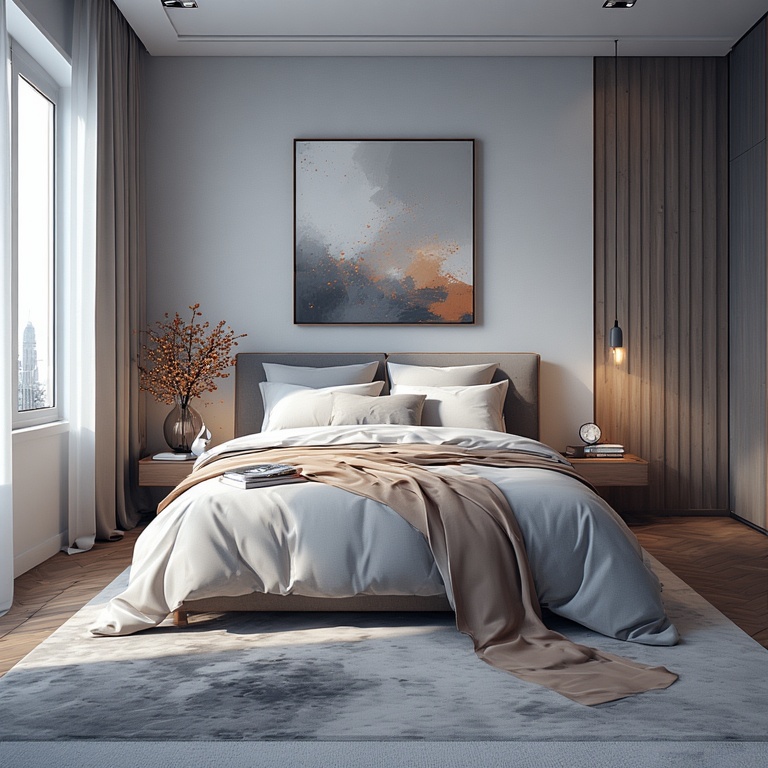
In conclusion, implementing a thoughtful bedroom layout is essential for creating a harmonious and functional space. By fixing the bed position, defining clear walkways, incorporating adequate storage solutions, layering lighting for both ambiance and practicality, and refining the finer details, you can transform your bedroom into a sanctuary that meets your needs and reflects your personal style. A well-planned layout not only enhances the overall aesthetic but also promotes a sense of calm and order, making it a conducive environment for rest and relaxation. Embracing these principles of design can lead to a more enjoyable and efficient use of your bedroom space.