
Introduction
What is the ideal design styles for Caribbean residences?
There is a joy you get when a home harmonizes with the tropical climate and the unique rich cultural heritage of the region. The home feels relaxing and connected to nature. In the Caribbean, the temperature is warm, there is high humidity, and very windy. The architectural features that must ensure thermal comfort and indoor air quality. Thus, open floor plans, large windows, and strategically placed overhangs ensure natural ventilation and maximize natural light. Additionally, local materials such as bamboo, stone, and reclaimed wood are most useful. These natural materials fosters a sense of place but also supports sustainable building practices. in the Caribbean. Also, there are architecture features, such as verandas and elevated structures, that can enhance the home’s resilience to tropical storms and flooding, ensuring the home’s longevity and sustainability. A design that use these elements would definitely be the ideal design style for the Caribbean residences.
Additionally, the design of a Caribbean home should reflect the diverse cultural influences that have shaped the region, from indigenous traditions to colonial histories. This is done by adding vibrant colors, intricate patterns, and artisanal craftsmanship that echo local artistry. Spaces can be designed to encourage interaction and community engagement, by creating communal areas both indoors and outdoors where the family and friends gathering and celebration. Additionally, the home’s landscape is enhanced by the native flora. The outdoor space becomes a tranquil garden that can promote well-being of the homeowners. By thoughtfully blending tradition, sustainability, and style, homeowners can create a Caribbean residence that is both aesthetically pleasing and relevant to the region. If you want to learn more about these styles, read on.
This article focuses on seven (7) ideal design styles that suit the Caribbean region. Here is a summary of each style. Perhaps, the list can help you decide which style would please you the most. You can learn more about each style by clicking the links given for each.
1. Bahamian and Island Vernacular
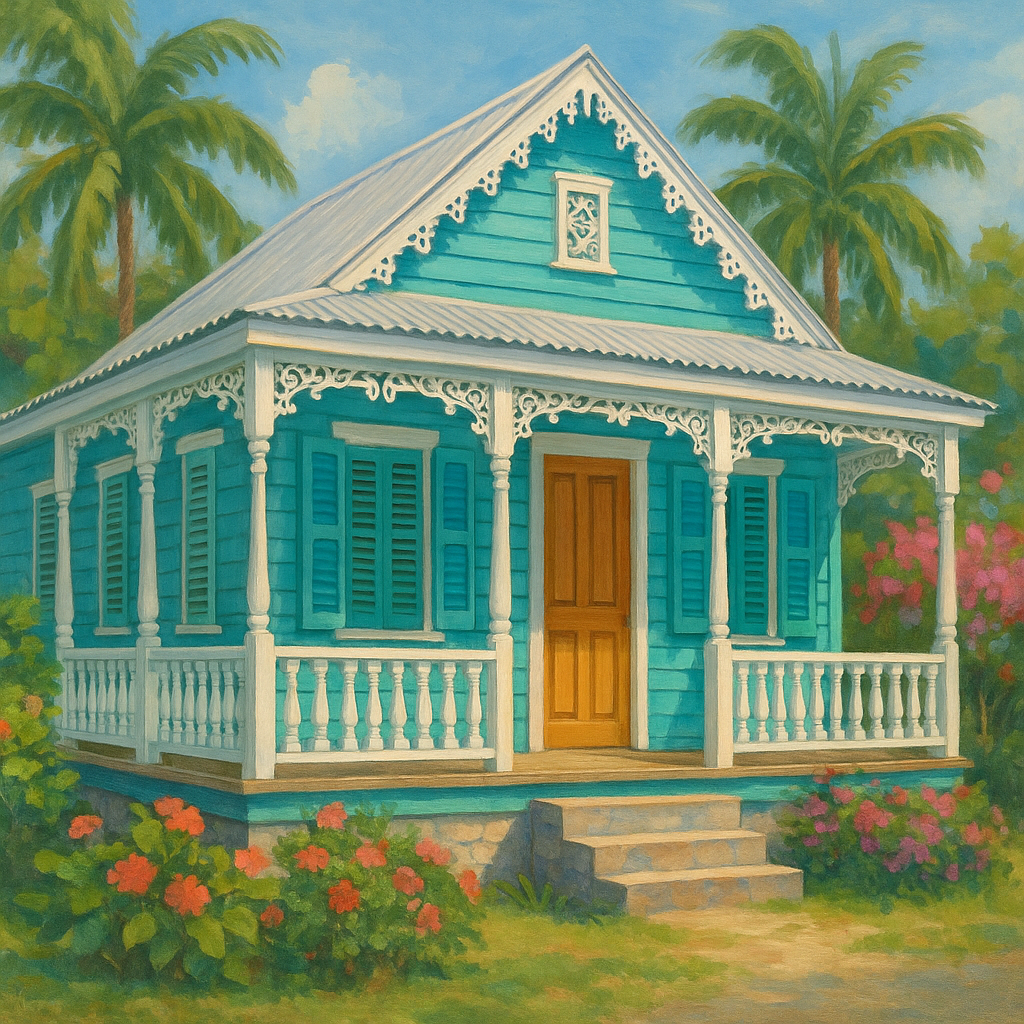
The Bahamian island design style is characterized by its vibrant colors, tropical motifs, and a blend of traditional and modern influences that reflect the rich cultural heritage of the Bahamas. Learn more…
Caribbean vernacular architecture, often characterized by its traditional island style. Some defining features of this architectural style is the prevalence of wooden structures elevated on stilts, wide verandas or wrap-around porches, louvered windows, and high-pitched roofs, typically constructed of galvanized metal or clay tiles. Read more…
2. Modern Tropical / Contemporary Caribbean
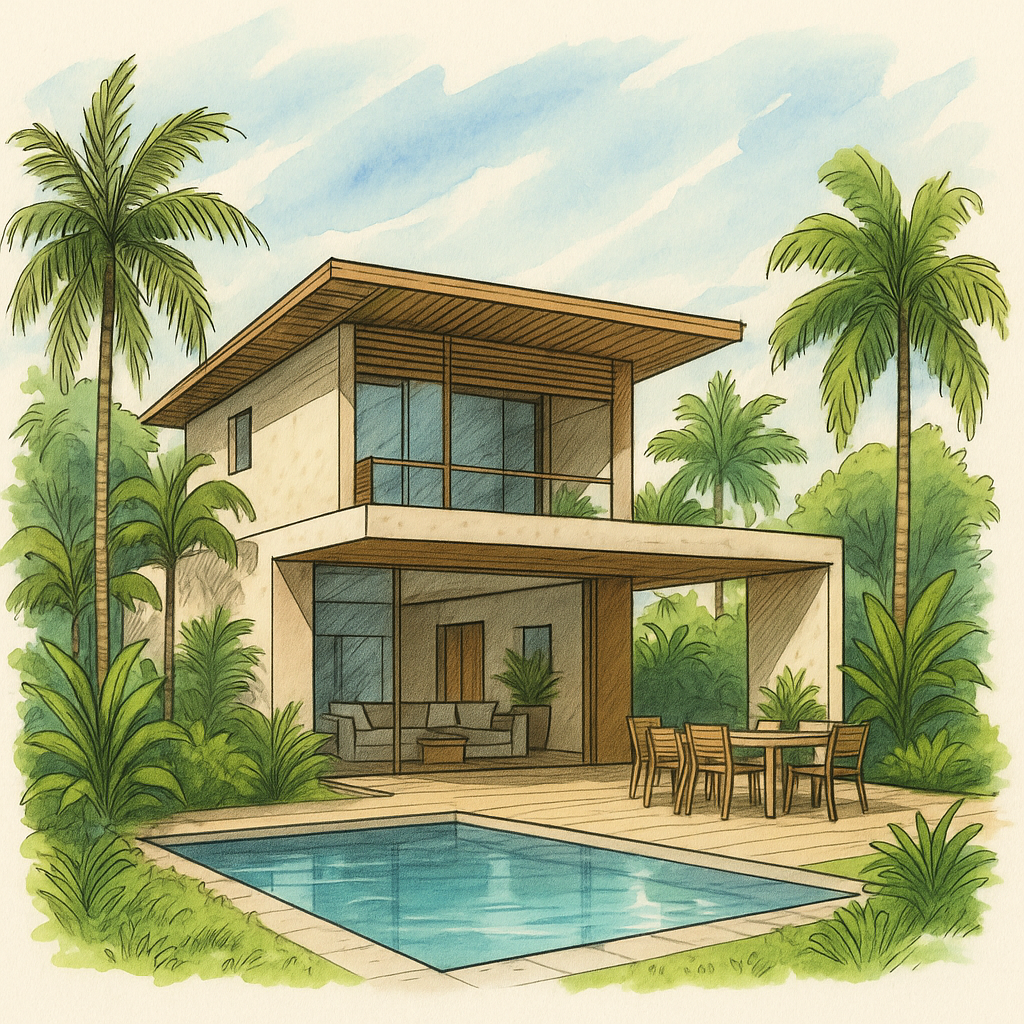
Modern Tropical or Contemporary Caribbean design is characterized by open-concept interiors. Its key features include floor-to-ceiling glass walls or large sliding doors that invite the outdoors in. Material used are: concrete, stone, and sustainable wood materials. Learn more…
3. Rustic Coastal / Beach Shack Style
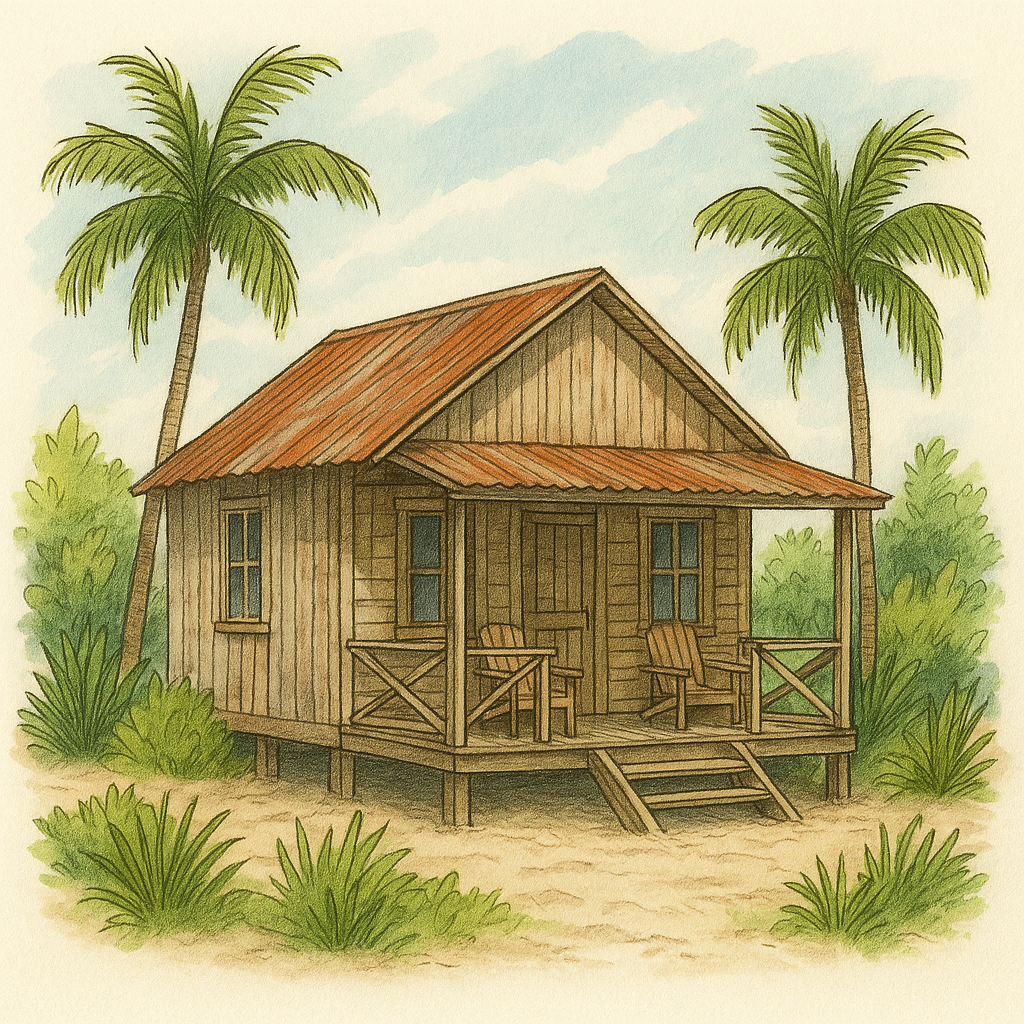
The rustic coastal or beach shack style embodies a charming simplicity that resonates with the serene beauty of seaside living. Characterized by reclaimed wood and raw textures, these designs create a warm, inviting ambiance. Whitewashed or pastel finishes enhance the aesthetic, reflecting the soft hues of sandy beaches and ocean waves. Typically featuring simple and cozy floor plans, these homes are perfect for casual gatherings and relaxation. Outdoor showers, hammocks, and breezy patios allow residents to fully embrace the coastal lifestyle. This approach is not only budget-friendly but also fosters a relaxed, easygoing atmosphere, making it ideal for beachside lots or eco-tourism homes. Learn more…
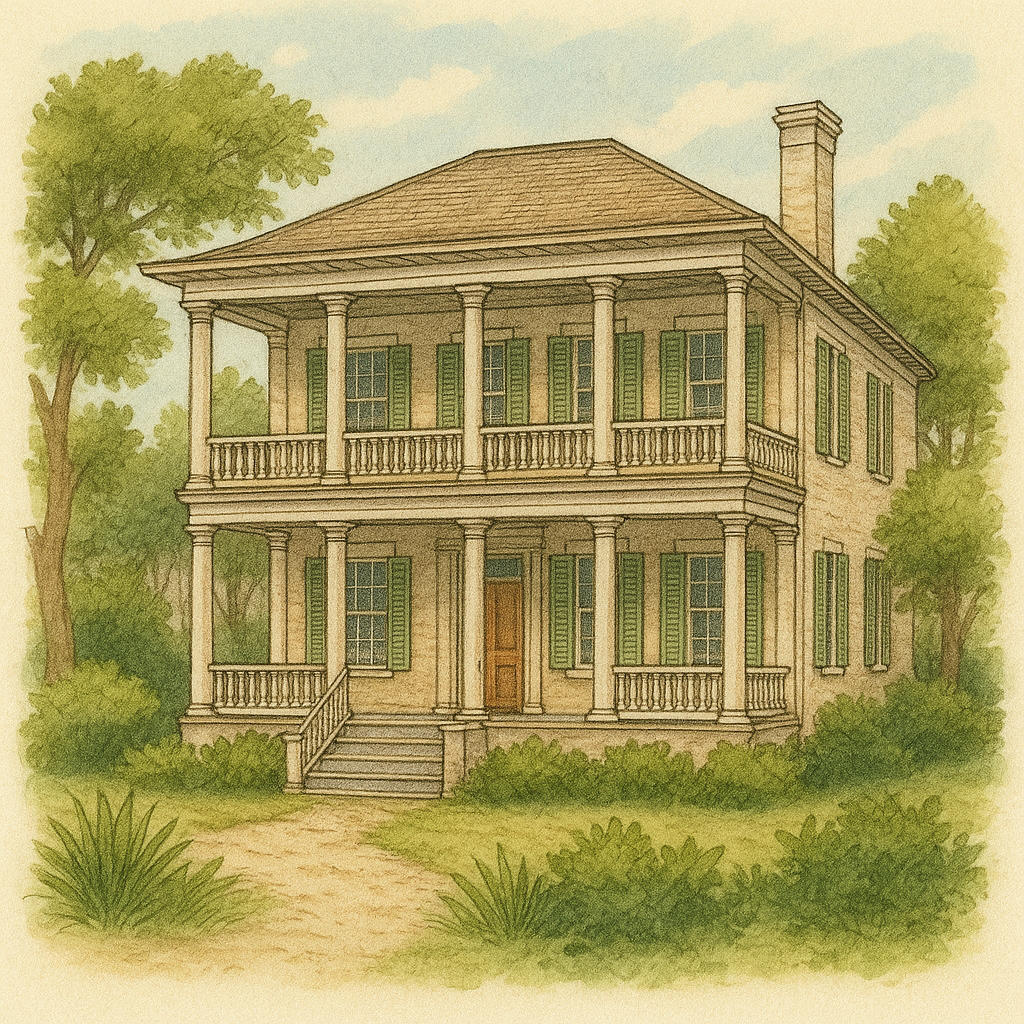
4. Colonial or Plantation Heritage
Colonial or Plantation style architecture is characterized by its symmetrical design, which creates a sense of balance and order. This style typically features large columns and porticos that enhance the grandeur of the structure, complemented by grand staircases and high ceilings that add to the overall elegance. Shaded galleries or terraces are often integrated into the design, allowing for outdoor living spaces that are both functional and inviting, perfect for enjoying the tropical climate. Constructed primarily from durable materials such as brick, coral stone, or limestone, these homes are ideal for larger estates or heritage areas, exuding a stately charm while embracing their natural surroundings. Learn more…
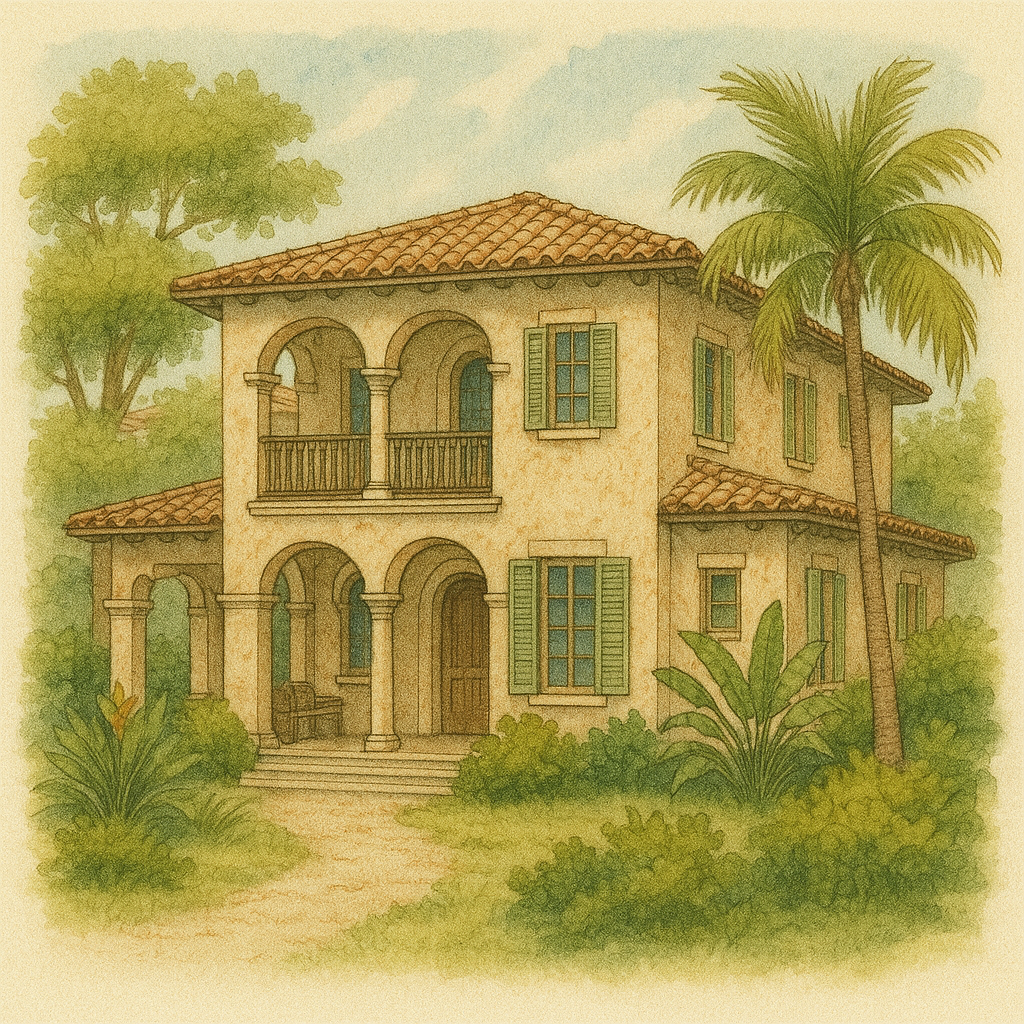
5. Mediterranean-Caribbean Fusion
The Mediterranean-Caribbean fusion style seamlessly combines the charm of European and island aesthetics, creating a unique and inviting atmosphere. Characterized by stucco walls and terracotta roofs, this design evokes a sense of warmth and tranquility. Courtyards adorned with fountains or lush gardens serve as tranquil retreats, while archways and exposed beams add structural interest and a touch of rustic elegance. The use of cool tiles, such as Moroccan and Spanish designs, enhances the vibrant color palette and texture of the spaces. This fusion is particularly suited for hillside or waterfront homes, offering a luxurious yet relaxed environment that beautifully merges island vibes with European refinement. Read more…
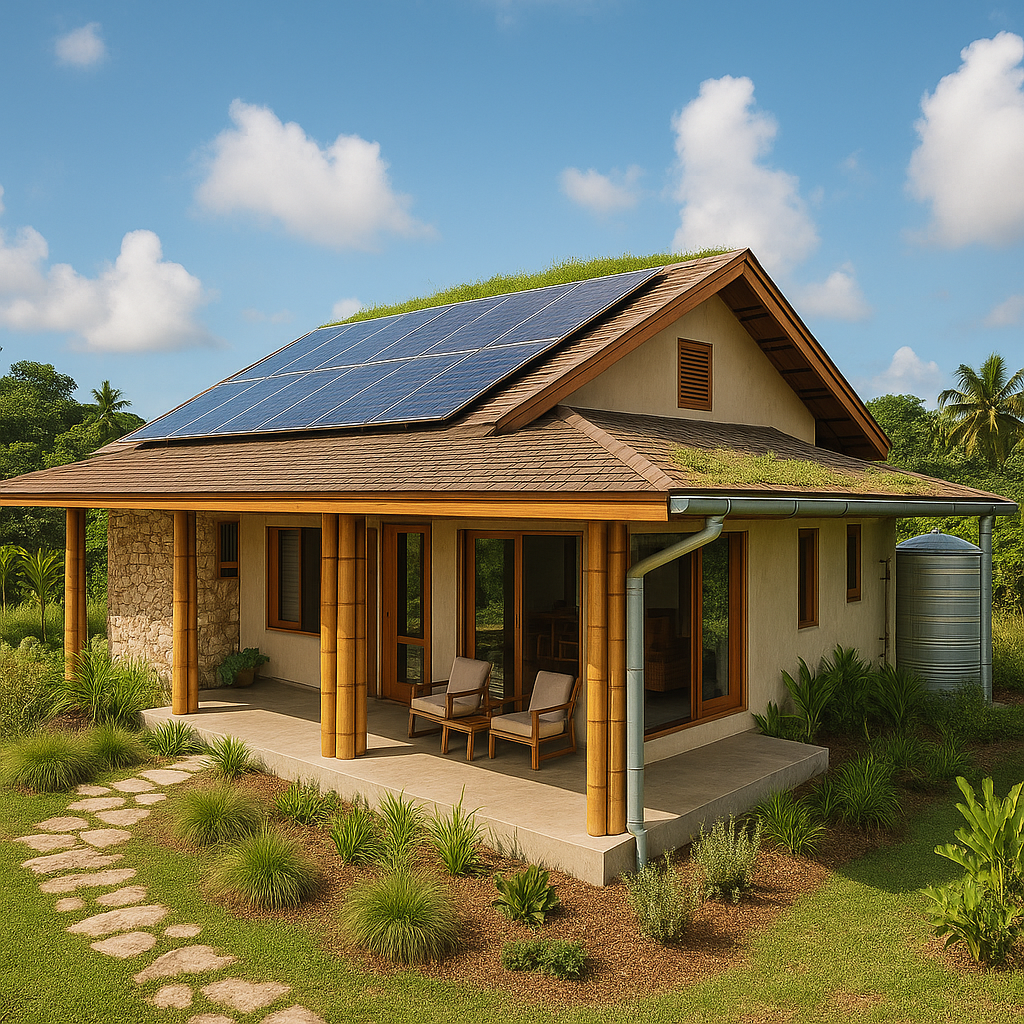
6. Eco-Lodge or Sustainable Green Design
An eco-lodge or sustainable green design embodies a commitment to environmental stewardship, featuring key elements such as rainwater harvesting systems, solar panels, and natural ventilation. These innovations not only reduce reliance on traditional utilities but also promote energy efficiency and sustainability. Constructed with local, recycled materials, these lodges minimize their ecological footprint, often incorporating living roofs or green walls that enhance biodiversity and provide insulation. With an open-air design that allows for ample natural light and airflow, these structures are particularly well-suited for off-grid or remote locations. Their low environmental impact makes them increasingly popular among eco-conscious owners and developers seeking to harmonize luxury with nature. Learn more….
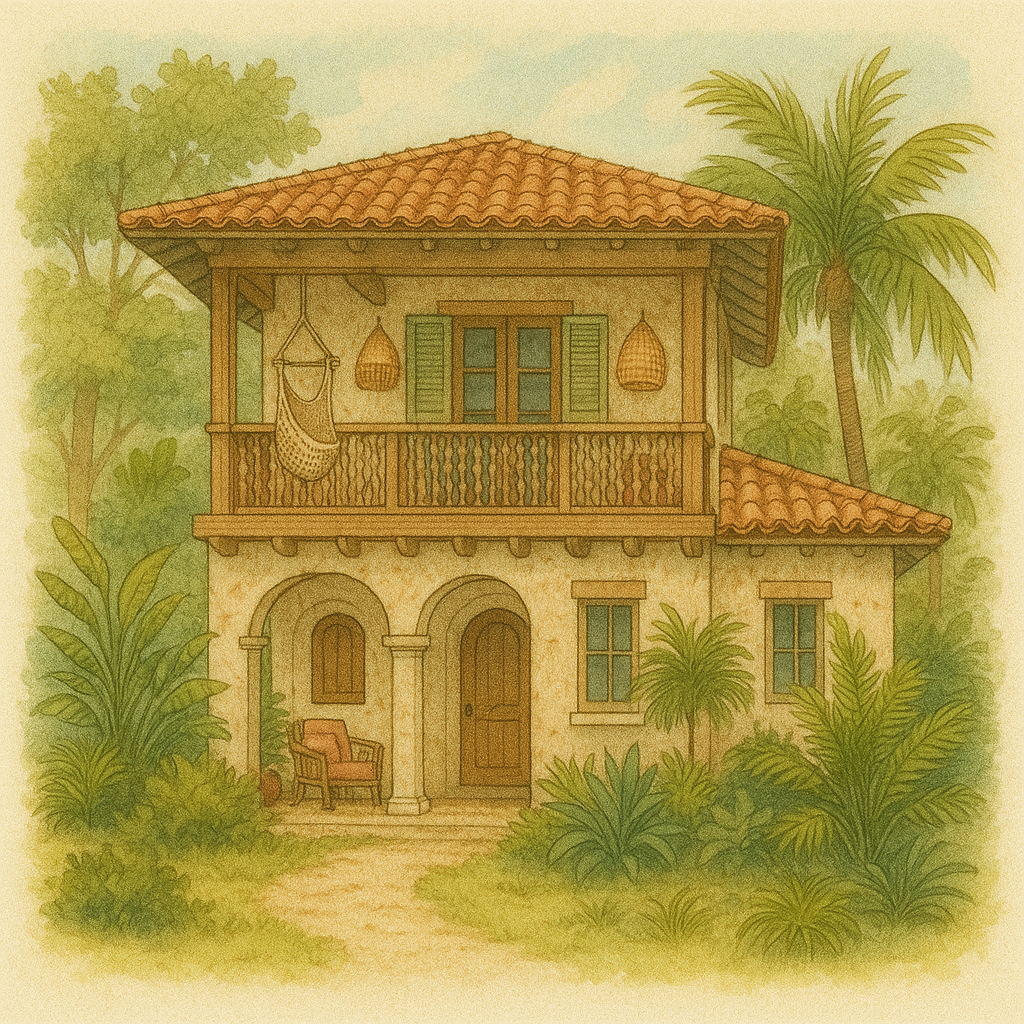
7. Bohemian Tropical Style
The Bohemian Tropical style is a vibrant and artistic approach to interior design that seamlessly blends eclectic furniture with natural textures like rattan, jute, and linen. Characterized by an earthy palette interspersed with vibrant accent colors, this design creates a warm and inviting atmosphere. Indoor plants and hanging swings add a playful touch, enhancing the relaxed, laid-back décor that defines this aesthetic. This style encourages creativity and casual living, making it ideal for small or rented homes. Its inviting charm is perfect for Airbnb or guesthouses, ensuring guests feel at ease while surrounded by a harmonious blend of nature and artistry. Learn more…
Practical Design Elements to Include (Any Style):
When designing a practical and resilient home, several key elements should be incorporated to enhance durability and comfort. First, rain-resistant roofs made from materials such as metal, concrete, or clay tile are essential for protecting the structure from harsh weather conditions. To promote air circulation, large windows and ceiling fans can facilitate effective cross ventilation, ensuring a comfortable indoor environment. Additionally, installing water tanks or cisterns can help in managing water supply, especially in areas prone to drought. For homes in hurricane-prone regions, hurricane straps and storm shutters offer crucial protection. Elevated foundations are necessary for flood-prone zones, while overhangs or pergolas can effectively reduce solar gain, contributing to energy efficiency.
In conclusion, designing a Caribbean home is a multifaceted endeavor that goes beyond mere aesthetics; it requires a deep understanding of the region’s unique environmental conditions and cultural heritage. By embracing architectural strategies that promote thermal comfort and harness the benefits of natural ventilation, homeowners can create spaces that are both beautiful and functional. The thoughtful incorporation of local materials not only enhances the home’s connection to its surroundings but also champions sustainability and environmental consciousness. Furthermore, integrating elements of traditional Caribbean architecture not only pays homage to the rich history of the region but also fortifies homes against the challenges posed by tropical storms and flooding. Ultimately, a well-designed Caribbean home serves as a harmonious sanctuary, inviting relaxation and a profound connection to the breathtaking natural landscape that defines this vibrant region.
Similar posts: