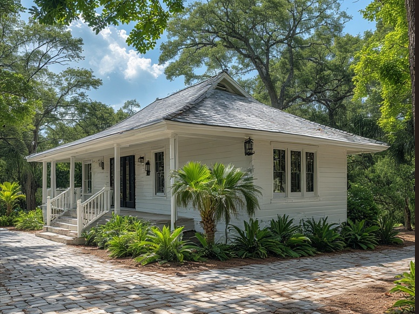

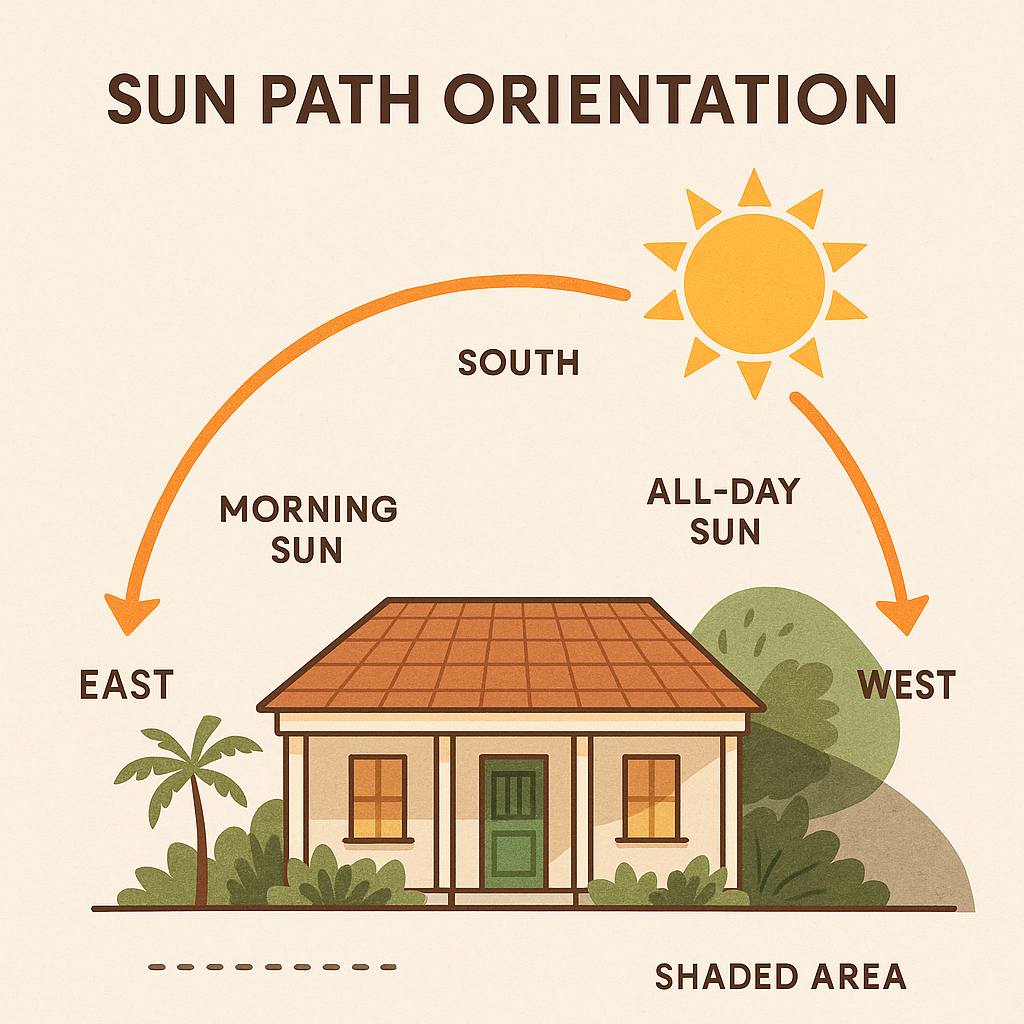
The sun path describes the daily arc the sun travels from east to south and then west, and understanding this trajectory is essential for optimizing indoor environments. By comprehending the sun’s movement, one can strategically position rooms to maximize comfort and cooling while effectively controlling heat gain. This knowledge allows for the efficient use of natural daylight, which can reduce reliance on artificial lighting, leading to lower electricity consumption. Additionally, it enhances ventilation and overall indoor comfort, promoting a harmonious flow of energy, or chi, in alignment with Feng Shui principles. In the Caribbean, where the sun is more direct and intense, careful orientation becomes even more critical for creating inviting and sustainable living spaces.
Eastern Sun (Morning Sun)
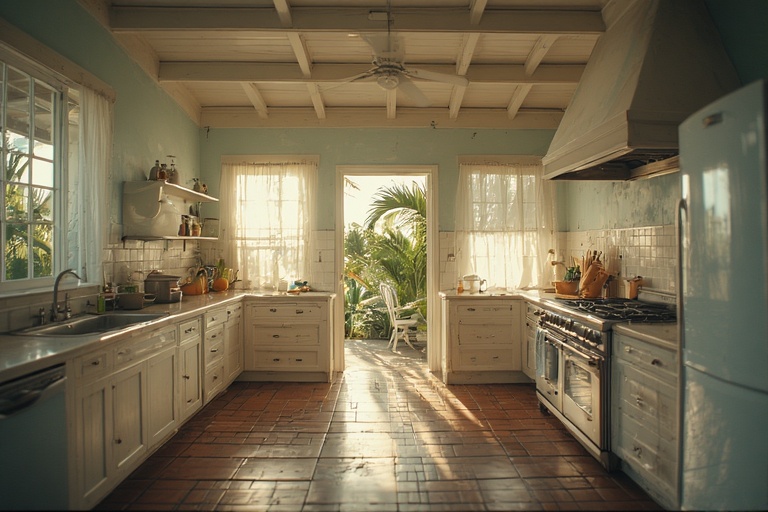
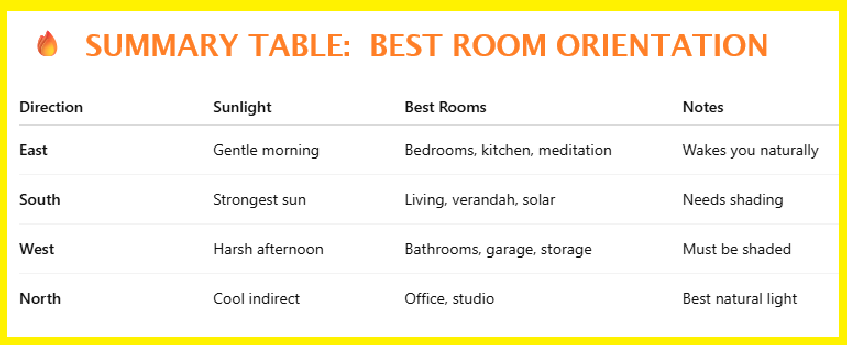
The eastern sun, heralded by the sunrise in the east, brings the gentlest and softest light of the day. This delicate illumination warms rooms gently in the morning, making it ideal for spaces like bedrooms, where waking up naturally with light can enhance one’s mood. Additionally, this soft sunlight is perfect for kitchens and breakfast areas, creating a welcoming atmosphere for morning meals. It also aids in drying out any moisture that may have accumulated overnight, promoting a fresher environment. With less heat load generated, there is minimal need for cooling, making east-facing rooms, such as meditation spaces, home gyms, and studios, particularly beneficial for activities that thrive in soft natural light.
Southern Sun (Strongest All-Day Sun)
In the Northern Hemisphere, including Trinidad and Tobago, the sun predominantly stays on the southern side throughout the day, leading to significant implications for home design. This southern exposure results in the strongest heat gain and the brightest natural light, making it essential to manage these elements effectively. Unshaded spaces may overheat, yet this exposure is ideal for solar panels and can enhance outdoor living areas like verandas and patios if properly shaded. The best rooms for this orientation include living rooms, open-plan areas, and laundry rooms where sunlight aids in drying. Incorporating design features such as deep overhangs, horizontal shading, clerestory windows, and breezeways promotes cross-ventilation while controlling light and heat.
Western Sun (Hot Afternoon Sun)
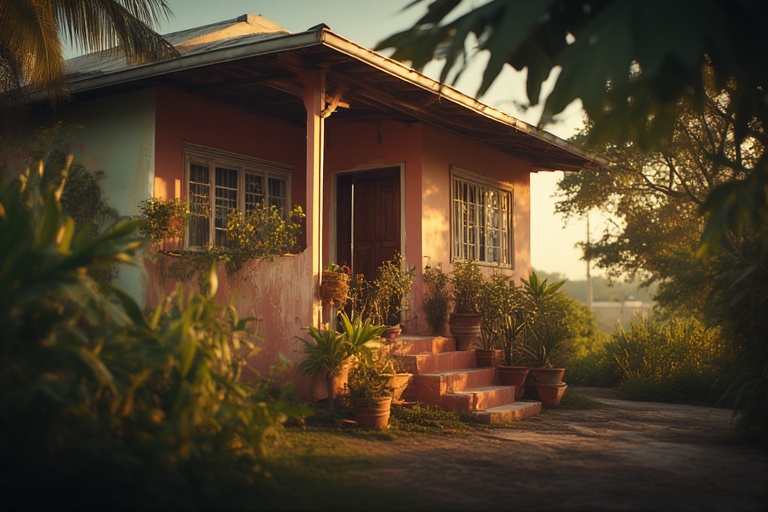
The western sun, particularly during the hot afternoon, delivers the harshest and most intense sunlight of the day. This relentless heat penetrates the walls of a house, causing discomfort in the late afternoon and early evening as it radiates into living spaces, often leading to increased cooling costs. Additionally, prolonged exposure to this intense sunlight can fade furniture and artwork, compromising their longevity and aesthetic appeal. To best utilize the west side of a home, it is advisable to designate areas like storage rooms, stairwells, bathrooms, and garage or utility spaces for such exposure. Employing thick, insulated walls and minimizing windows, or opting for shaded ones, can mitigate the adverse effects of this intense heat, while a large verandah, awning, or deep overhang at the front door becomes essential for effective shading.
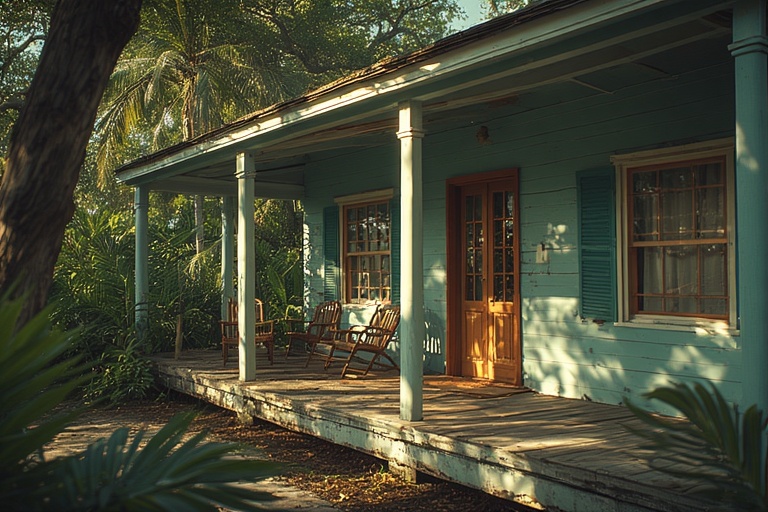
The West gets scorching hot after 2 PM. So, traditional Caribbean houses are best with:
deep verandahs, large overhangs, shutters / jalousie windows, and climbing plants or screens
This prevents the walls from absorbing heat and keeps interiors cool into the night.
Northern Sun (Soft, Cool Light)
The northern sun provides a soft, cool light that bathes spaces in gentle daylight, making it an ideal choice for various rooms within a home. This orientation results in minimal heat gain, creating a comfortable environment perfect for productivity and relaxation. Workspaces such as offices and art studios greatly benefit from this type of lighting, as it fosters creativity and concentration without the distraction of harsh glare. Additionally, children’s bedrooms and reading areas thrive in this serene atmosphere, promoting focus and tranquility. Overall, the north side of a house is the preferred location for activities that require mental engagement and artistic expression.
How sun path and wind work together
In the Caribbean, the interplay between the north-east trade winds and the sun’s path is crucial for optimal building design. Aligning the structure to capture the cooling winds from the northeast allows for refreshing breezes to flow through the bedrooms and living areas. Meanwhile, the intense afternoon sun from the south and west can be effectively mitigated by incorporating shaded verandahs and overhangs. Morning sunlight from the east benefits the kitchen and bedrooms, creating a warm and inviting atmosphere. By minimizing openings on the west side, heat load is further reduced, leading to enhanced passive cooling, lower energy bills, and more comfortable interiors, all while promoting a harmonious balance of energy in line with Feng Shui principles.