

The layout and furniture placement of a bedroom play a pivotal role in shaping both its aesthetic appeal and functional efficiency. As one of the most personal spaces in a home, the bedroom serves as a sanctuary for rest, relaxation, and rejuvenation. An effective layout not only maximizes the available space but also fosters an atmosphere of comfort and tranquility, allowing individuals to unwind after a long day. Furthermore, thoughtful furniture arrangement can enhance the flow of the room, making it easier to navigate and utilize every corner effectively. Strategic placement of furniture elements, such as beds, nightstands, and dressers, can significantly impact how a bedroom feels, influencing everything from light distribution to spatial harmony. In this article, we will explore the essential principles of bedroom layout and furniture placement, highlighting how a well-considered design can elevate the overall experience of the space. By understanding the importance of these elements, homeowners can create a bedroom that is not only visually appealing but also tailored to meet their unique needs and preferences, ultimately transforming their retreat into a harmonious blend of comfort, functionality, and style.
Factors to Consider When Planning Your Bedroom Layout
1. Plan your bedroom layout
When planning your bedroom layout, it is essential to consider the room’s size and shape to maximize functionality and comfort. First, understanding the dimensions of your space allows you to visualize how furniture will fit and flow within the room. Measuring the length and width accurately helps avoid overcrowding and ensures that you can move freely. Additionally, architectural features such as windows, doors, and closets play a crucial role in your layout decisions. These elements can influence where you place your bed, nightstands, and dressers, as well as how natural light enters the room, impacting the overall ambiance. By thoughtfully considering these factors, you can create a harmonious and welcoming bedroom environment tailored to your needs.
2. Furniture Size and Scale.
When planning your bedroom layout, one of the most crucial factors to consider is furniture size and scale. The selection of appropriately sized furniture pieces can significantly impact the functionality and aesthetics of the space. It’s essential to choose items that fit well within the dimensions of the room, ensuring that there is enough space for movement and accessibility. Additionally, balancing larger and smaller items is key to creating visual harmony. A room filled with oversized furniture can feel cramped and overwhelming, while an excess of small pieces may result in a disjointed appearance. Striking the right balance fosters a cohesive and inviting atmosphere, making the bedroom a comfortable retreat. By thoughtfully considering the size and scale of your furnishings, you can enhance both the practicality and beauty of your personal sanctuary for rest and relaxation.
3. Lifestyle and Needs
When planning your bedroom layout, it’s essential to consider your lifestyle and needs to create a space that is both functional and comfortable. Start by assessing your sleeping habits and daily routines, as these factors significantly influence the arrangement of your furniture. For instance, if you’re an early riser who enjoys reading in bed, positioning your nightstand within easy reach of your bed is crucial. Additionally, incorporating effective storage solutions for personal items can greatly enhance the functionality of your bedroom. By integrating shelves, under-bed storage, or multifunctional furniture, you can keep your space organized and clutter-free, ultimately fostering a more peaceful and restful environment.
4. Common Bedroom Layout
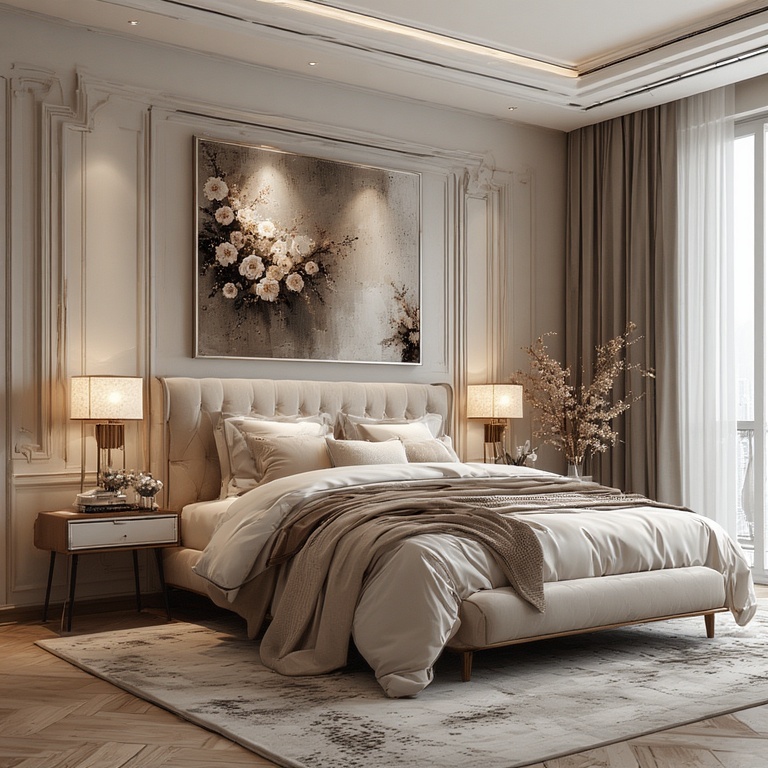
When designing a bedroom, several common layouts can significantly influence the overall ambiance and functionality of the space. The traditional layout typically features the bed positioned either centrally in the room or against a wall, accompanied by strategically placed nightstands and dressers to maximize storage while maintaining accessibility. In contrast, the modern layout emphasizes open space concepts and minimalism, often utilizing multi-functional furniture like storage beds to enhance practicality without cluttering the room. Finally, the chic layout focuses on aesthetic appeal, incorporating accent pieces and statement furniture while also integrating art and decor to create visual interest and personal expression within the bedroom.
5. Tips for Effective Furniture Placement
When designing a bedroom, several common layouts can significantly influence the overall ambiance and functionality of the space. The traditional layout typically features the bed positioned either centrally in the room or against a wall, accompanied by strategically placed nightstands and dressers to maximize storage while maintaining accessibility. In contrast, the modern layout emphasizes open space concepts and minimalism, often utilizing multi-functional furniture like storage beds to enhance practicality without cluttering the room. Finally, the chic layout focuses on aesthetic appeal, incorporating accent pieces and statement furniture while also integrating art and decor to create visual interest and personal expression within the bedroom.
In conclusion, planning your bedroom layout requires careful consideration of various factors to create a harmonious and functional space. From assessing the dimensions and shape of the room to prioritizing your personal needs and style, each element plays a vital role in achieving a balanced environment. Additionally, considering elements such as natural light, furniture placement, and circulation flow can significantly enhance the room’s comfort and usability. By thoughtfully integrating these aspects, you can design a bedroom that not only reflects your aesthetic preferences but also promotes relaxation and well-being. Ultimately, a well-planned layout can transform your bedroom into a sanctuary that meets your needs for rest and rejuvenation.