

Good tropical architecture is more about managing the climate than adding more air conditioning. The Caribbean climate gives us intense sun, high humidity, and heavy rainfall. A house that works with those conditions is more comfortable, cheaper to run, and often more beautiful. Your home’s layout should include principles that naturally emphasize airflow, balance, and a strong connection to nature.
Orient the House Correctly
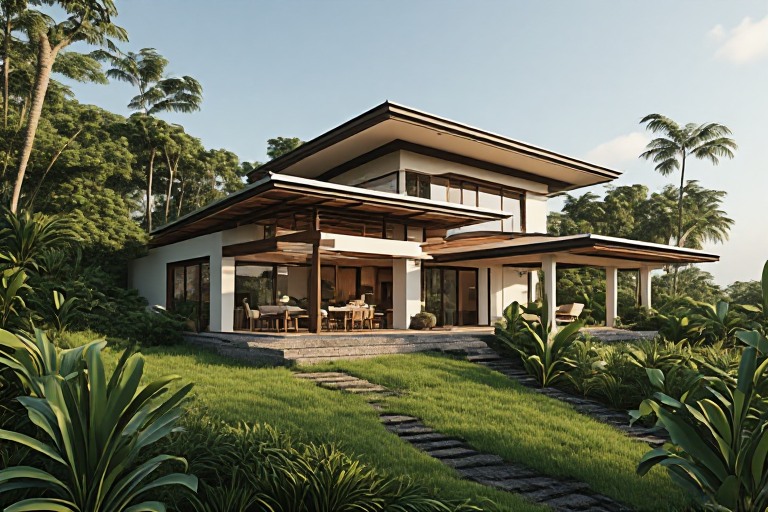
In the Caribbean, the sun serves as the most significant source of heat, influencing the design and orientation of homes. The east sun brings hot mornings, while the west sun creates even hotter afternoons, which are often the most challenging to manage. To mitigate excessive heat, it’s advisable to minimize the size of large windows on the east and west sides of a house. Instead, placing larger windows on the north and south sides can help regulate solar gain more effectively. Also, if your front door faces west, special attention should be paid to incorporating shading solutions for that side of the house to enhance comfort and energy efficiency.
2. Deep Roof Overhangs
One of the most effective passive cooling strategies for homes, particularly in the Caribbean, is the implementation of deep roof overhangs. These generous overhangs serve multiple purposes that enhance comfort and energy efficiency. Firstly, they provide shade to the walls of a home, preventing excessive heat absorption during the day. Additionally, they keep windows out of direct sunlight, which helps maintain a cooler indoor environment. Deep overhangs also offer protection against driving rain, allowing homeowners to keep windows open even during light showers without the risk of water entering the home. While many modern homes may opt for shallow overhangs for aesthetic reasons, in the Caribbean climate, deeper overhangs typically perform much better in promoting passive cooling and creating a more comfortable living space.
3. Cross Ventilation
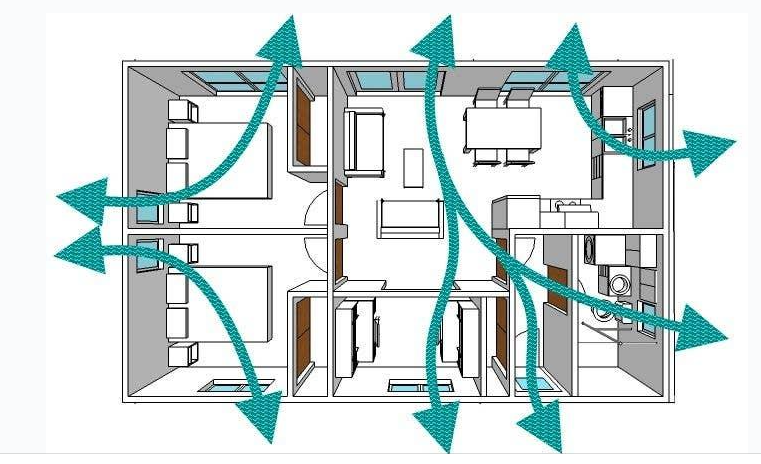
Every room in a home should be designed with an effective airflow system to enhance comfort and reduce indoor temperatures. To achieve this, it is essential to have an opening where air can enter and another where it can exit, allowing for the smooth passage of breezes throughout the space. By thinking of each room as a pathway for air movement, one can create a more pleasant environment. Examples of effective openings include opposing windows that facilitate cross-ventilation, louvered windows that can be adjusted for optimal airflow, and high-level vents that help release warm air. Additionally, internal openings should be designed to avoid blocking airflow, ensuring that air circulates freely throughout the room. Implementing these strategies is one of the most powerful ways to enhance indoor air quality and comfort, particularly in warmer months.
4. High Ceilings
Hot air rises, a fundamental principle of thermodynamics that significantly impacts indoor climate control. In spaces with ceilings measuring around 10 to 12 feet (3 to 3.6 meters), warm air naturally accumulates above the occupied zone, resulting in a cooler environment for those below. This phenomenon can enhance comfort levels, particularly in larger rooms or areas with high ceilings. If your design already features vaulted ceilings, this presents an added advantage, as the increased vertical space allows for even more efficient air circulation. Consequently, incorporating such design elements can lead to improved thermal comfort and energy efficiency within a home or building.
5. Roof Insulation
The roof is one of the most significant contributors to a home’s heat absorption, often capturing more warmth than any other part of the structure. To combat this issue and enhance indoor comfort, several effective strategies can be employed. One option is the installation of reflective roof insulation, which helps to bounce heat away from the living space. Additionally, incorporating radiant barriers can further diminish heat transfer, ensuring that attics and upper levels remain cooler. Well-insulated ceilings also play a crucial role in maintaining a comfortable indoor environment by preventing warm air from seeping into living areas. Furthermore, having ventilated roof spaces allows for improved airflow, reducing heat buildup and creating a more pleasant atmosphere within the home. Together, these measures can make a dramatic difference in the overall comfort and energy efficiency of a house.
6. Shade the Walls
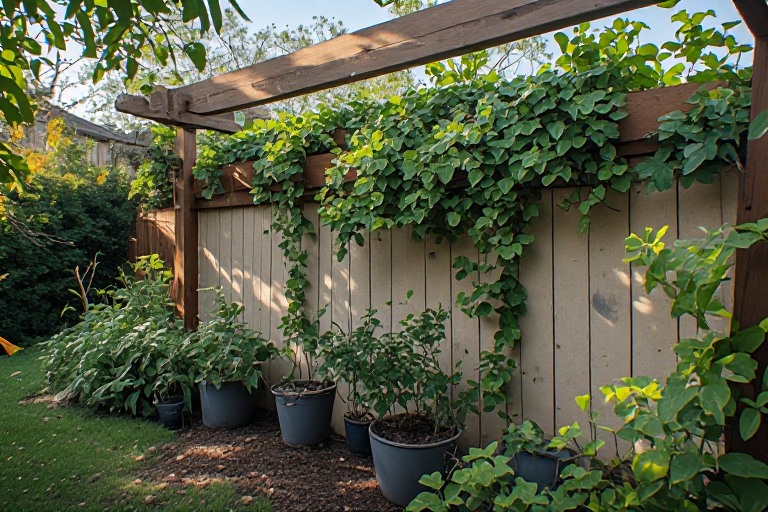
Walls that are exposed to direct afternoon sunlight have the ability to absorb and store heat, releasing it well into the evening hours. This phenomenon can create uncomfortable indoor temperatures, particularly in warmer climates, where the heat retention can extend into the night. However, the impact of this heat retention can be significantly mitigated through the use of natural shading techniques. For instance, strategically planted trees can provide shade that cools walls and prevents excessive heat buildup. Additionally, structures like pergolas and trellises, adorned with climbing plants, can also play a crucial role in reducing direct sunlight exposure. By incorporating these natural elements into outdoor spaces, homeowners can enhance comfort while promoting energy efficiency and sustainability.
7. Window Design
Large windows are wonderful; they enhance the aesthetic appeal and natural light of a space, but they require adequate protection to maintain their effectiveness and longevity. One of the most effective ways to shield these windows from harsh sunlight and weather elements is through the use of roof overhangs. These architectural features not only provide shade but also contribute to the overall design of a building. Additionally, vertical fins can be employed to redirect sunlight away from the glass, while timber or aluminum louvers offer adjustable shading options that enhance both functionality and style. Exterior shutters are another excellent choice, as they provide a robust barrier against the elements while allowing for control over light and privacy. Shading the outside of the glass proves to be far more effective than relying solely on interior curtains, as it minimizes heat gain and glare before the sunlight even reaches the glass. By implementing these protective measures, homeowners and architects can ensure that large windows remain a beautiful and functional component of any design, maximizing their benefits while minimizing potential drawbacks.
8. Covered Outdoor Spaces
Verandas, patios, and covered terraces serve as essential thermal buffers in architectural design, particularly in regions with warm climates like the Caribbean. By providing shaded outdoor spaces, these features prevent the sun from directly striking exterior walls, thereby reducing heat absorption and maintaining a more comfortable indoor environment. This design approach not only enhances energy efficiency but also promotes outdoor living, which is well-suited to the Caribbean lifestyle. Residents and visitors alike can enjoy the beauty of nature while being sheltered from the harsh sun, facilitating a harmonious blend of indoor and outdoor spaces that enhances overall well-being and social interaction.

9. Landscaping
Verandas, patios, and covered terraces serve as essential thermal buffers in architectural design, particularly in regions with warm climates like the Caribbean. By providing shaded outdoor spaces, these features prevent the sun from directly striking exterior walls, thereby reducing heat absorption and maintaining a more comfortable indoor environment. This design approach not only enhances energy efficiency but also promotes outdoor living, which is well-suited to the Caribbean lifestyle. Residents and visitors alike can enjoy the beauty of nature while being sheltered from the harsh sun, facilitating a harmonious blend of indoor and outdoor spaces that enhances overall well-being and social interaction.
10. Choose Exterior Colours Carefully
Light-coloured walls have a distinct advantage in reflecting heat compared to their darker counterparts. This characteristic is particularly evident when using shades of white, creamy hues, and soft earth tones, which typically perform well in maintaining cooler indoor temperatures. The choice of wall colour can significantly impact the overall energy efficiency of a building, as lighter tones minimize heat absorption, creating a more comfortable living environment. Similarly, when it comes to roofing, lighter colours are preferable, as they generally remain cooler than dark finishes. By opting for these lighter shades in both walls and roofs, homeowners can enhance their comfort and reduce energy costs.
11. Reduce Heat from Hard Surfaces
Large areas of concrete or asphalt are known to absorb heat throughout the day, contributing to the urban heat island effect and raising surrounding temperatures. To combat this issue, consider alternative landscaping options that promote cooler environments. Grass-joint driveways, for example, allow for natural vegetation to thrive while still providing a sturdy surface for vehicles. Permeable pavers are another excellent choice, as they facilitate water drainage and reduce heat absorption, creating a more sustainable and eco-friendly space. Additionally, incorporating gravel accents can enhance aesthetics while keeping surfaces cooler. Lastly, including garden beds not only adds beauty but also helps in reducing reflected heat, making your outdoor area more comfortable and environmentally conscious.
12. Ventilate the Roof
Proper ventilation is crucial in maintaining a comfortable and safe attic environment, as it allows hot air to escape and prevents the buildup of excessive heat. Various options are available for effective attic ventilation, including ridge vents, gable vents, soffit vents, and ventilated roof cavities. Each of these systems works to facilitate airflow, ensuring that hot air does not become trapped within the attic space. Without adequate ventilation, attic temperatures can soar to extreme levels, which may lead to various problems such as damage to roofing materials, increased energy costs, and a higher likelihood of mold growth. By implementing an effective ventilation strategy, homeowners can promote a healthier attic environment and enhance the overall efficiency of their home.
13. Ceiling Fans
Even in an air-conditioned home, ceiling fans prove to be a valuable addition. The gentle movement of air created by these fans can significantly enhance comfort levels, making occupants feel cooler even at higher thermostat settings. This allows homeowners to adjust the temperature slightly upwards without sacrificing comfort, which can lead to energy savings and lower utility bills. The efficiency of ceiling fans in circulating air not only provides a refreshing breeze but also complements the work of the air conditioning system, ensuring a more consistent and pleasant environment throughout the home. Therefore, integrating ceiling fans into an air-conditioned space is a wise decision for both comfort and energy efficiency.
14. Rainwater
Design a landscape that can withstand both sun and rain by incorporatinng features that effectively manage heavy tropical downpours while maintaining the aesthetic appeal of the environment. This includes the installation of wide gutters and strategically placed rain chains or downpipes to direct water away from structures and prevent flooding. Additionally, implementing rainwater harvesting systems where practical can enhance water conservation efforts, allowing for the collection and reuse of rainwater. Proper site drainage is also ensure excess water is efficiently channeled away, preserving the integrity of the landscape and preventing erosion. The ultimate goal is to create a harmonious balance that protects the landscape from the challenges posed by intense rainfall while also providing a functional and beautiful outdoor space.
15. Think in Layers
Several architectural features contributes to a house that naturally remains cooler. Rather than relying on just one, consider several features. Roof overhangs provide shade and protect windows from direct sunlight, while strategically placed trees offer additional cooling through their natural canopy. Verandas serve as outdoor extensions of living spaces, allowing for comfortable leisure while shading the interior. Incorporating louvers enhances airflow, promoting cross ventilation that helps to regulate indoor temperatures. High ceilings contribute to a more spacious atmosphere and allow warm air to rise, while proper insulation maintains a stable indoor climate. Together, these elements work harmoniously to ensure a cooler, more comfortable home.
A principle I always like to keep in mind
Instead of asking:
“How can I cool this house?”
Ask:
“How can I stop heat from entering the house in the first place?”
That’s the essence of successful tropical architecture.
A home designed this way feels noticeably cooler even before the air conditioning is switched on. That’s the hallmark of architecture that truly responds to the Caribbean climate rather than fighting against it.
Related Articles
-
Remedies for Slopes, Corners & Sharp Angles
In the realms of architecture and feng shui, a significant overlap exists in their fundamental principles, despite the different terminologies used. Feng shui emphasizes the concept of “chi,” which refers to the vital energy that flows through spaces, affecting the well-being of individuals. Architects, on the other hand, focus on aspects such as circulation, sight…
-
Orientation & Chi Flow
This is one of those subjects where it’s helpful to separate traditional feng shui principles from what we know from architecture, psychology, and environmental design. Whether or not you believe chi is a literal energy, many feng shui recommendations overlap with good building design—they create spaces that feel calmer, brighter, and easier to live in.…
-
Color & Elemental Balance: How Colour Influences the Feel of a Room
Colour is one of the most powerful tools in interior design. It shapes the mood of a room, influences how spacious or intimate it feels, and helps create harmony between the different design elements. In Feng Shui, colours are traditionally associated with the Five Elements—Earth, Water, Wood, Fire and Metal. By thoughtfully combining these colours,…