

Building structures in tropical climates requires careful consideration and ongoing maintenance. If you construct your project with quality materials but neglect regular upkeep, you will quickly learn that the harsh combination of heat, humidity, and organic growth can take a toll. The environment is unforgiving, and failure to maintain your investments can lead to significant deterioration. Therefore, the objective should not be achieving “perfect upkeep,” which can be overwhelming, but rather implementing a simple, repeatable maintenance system that safeguards your investment without dominating your life. I will provide you with a streamlined approach that is easy to follow and effective in preserving your structures.
1. Weekly (5–10 minutes) — Stay Ahead of Decay
Quick Rinse + Visual Check
To maintain a clean and hygienic environment, it is essential to rinse everything with clean water, particularly after heavy use. This practice is crucial for washing away soap residue and body oils that accumulate over time. The reason this step is so important lies in the chemistry of soap and moisture; when these elements combine, they create an ideal breeding ground for slime and mold. This not only compromises cleanliness but can also lead to more extensive cleaning efforts in the future. By catching the issue early through simple rinsing, you can prevent the buildup of unwanted substances, ensuring a healthier space with minimal effort.
2. Monthly — Control Mold, Minerals, and Build-Up
Light Deep Clean
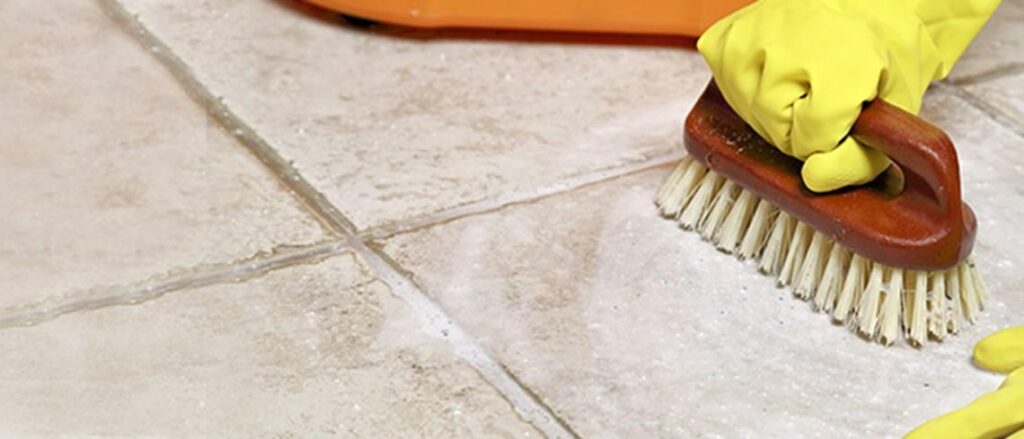
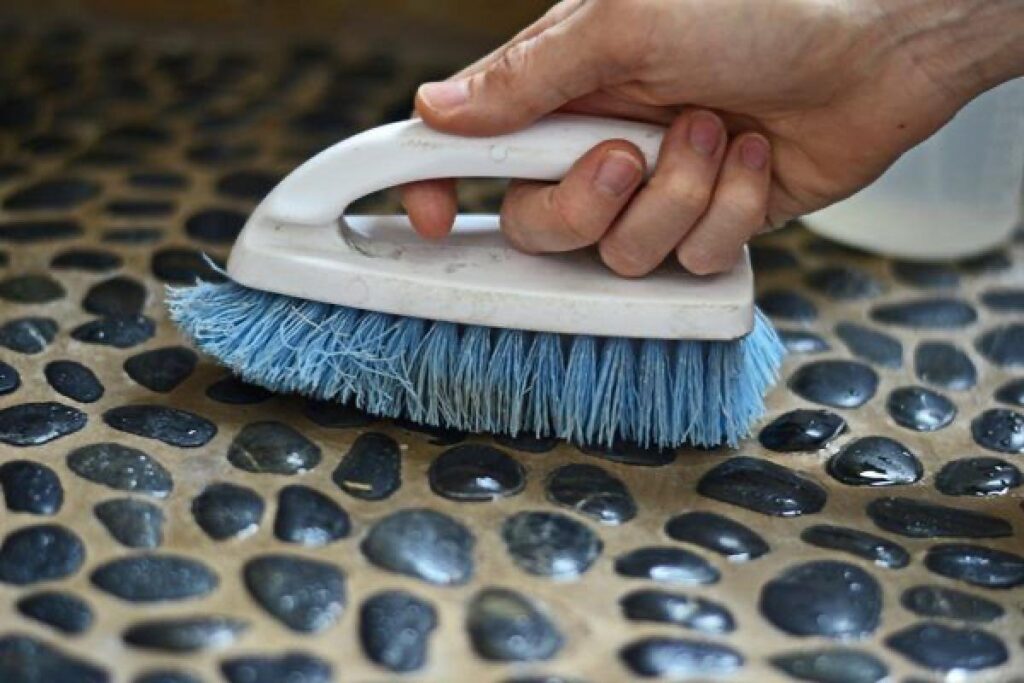
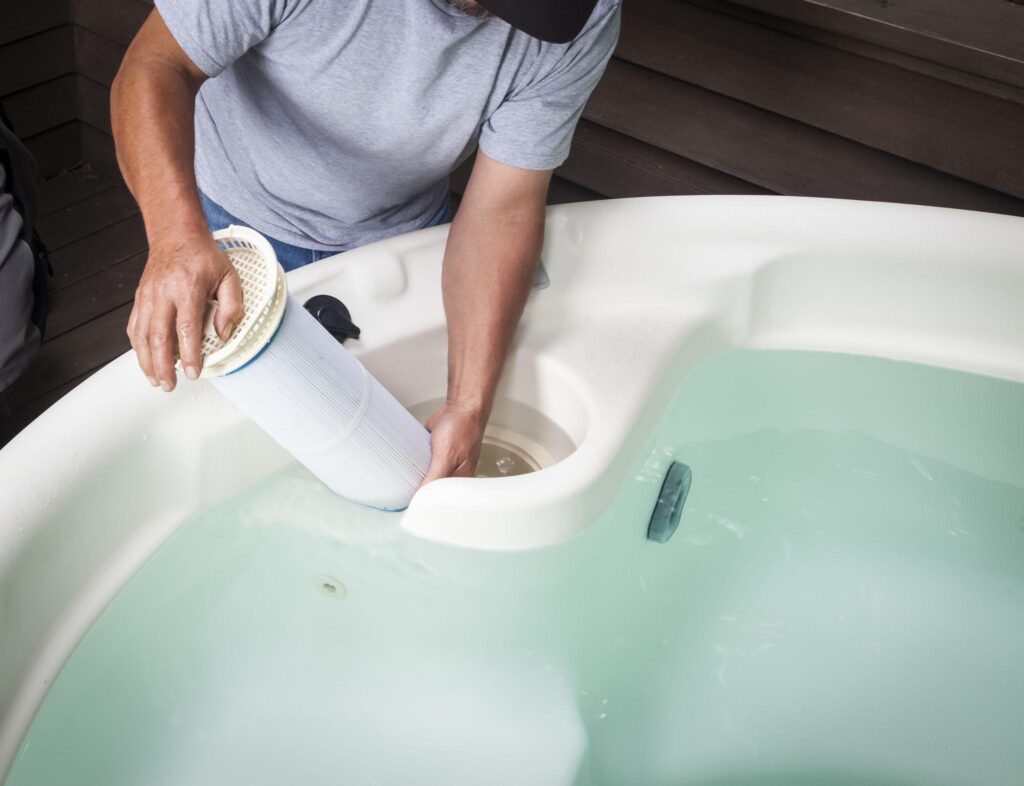
Cleaning outdoor showers and spas is essential for maintaining their aesthetic appeal and prolonging their lifespan. To effectively clean these outdoor features, a mild soap or vinegar solution is recommended, as both options are natural and effective. It’s crucial to use a soft brush during the cleaning process to avoid damaging the finishes.
Focus your attention on corners and joints, the gaps in pebble floors, and the underside of wood slats, as these areas often accumulate dirt and grime. Don’t overlook the fixtures; they are equally important. After cleaning, remember to wipe stainless steel surfaces dry to prevent water spots, and always remove any mineral deposits that may appear as white spots. The truth is that most outdoor showers fail aesthetically rather than structurally, making regular maintenance vital for retaining their beauty.
3. Every 3–6 Months — Protect the Materials
Wood Care (if you used it)
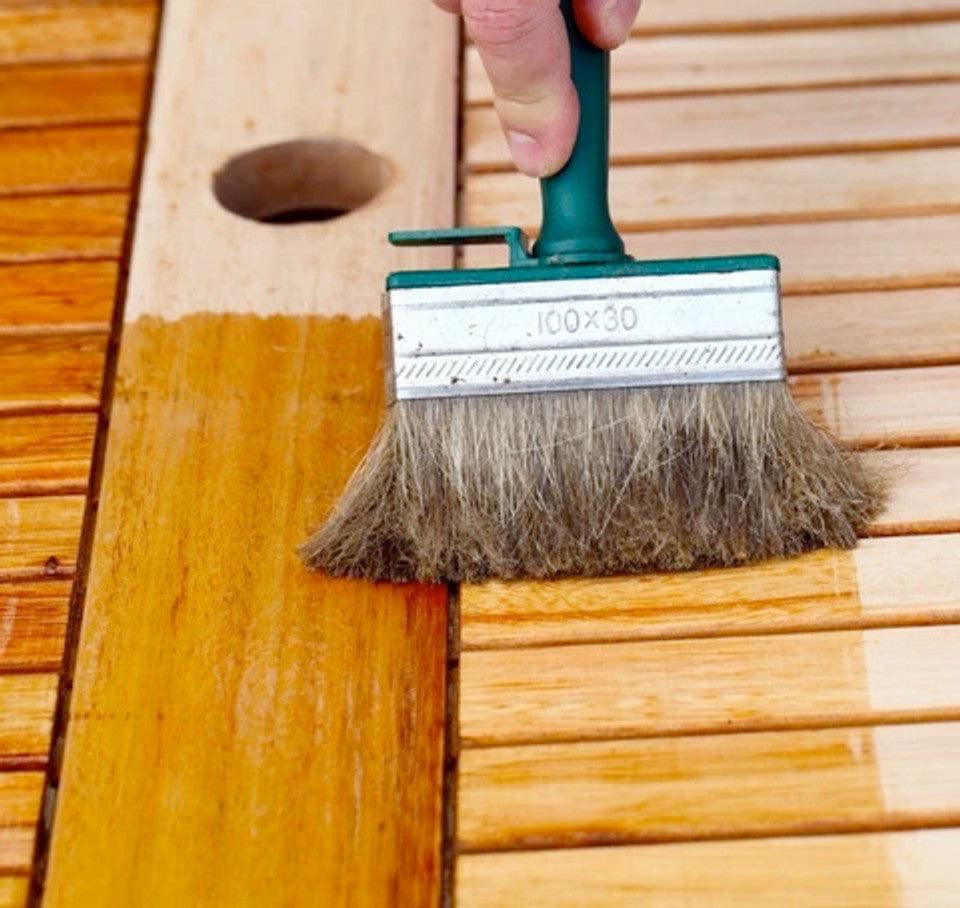
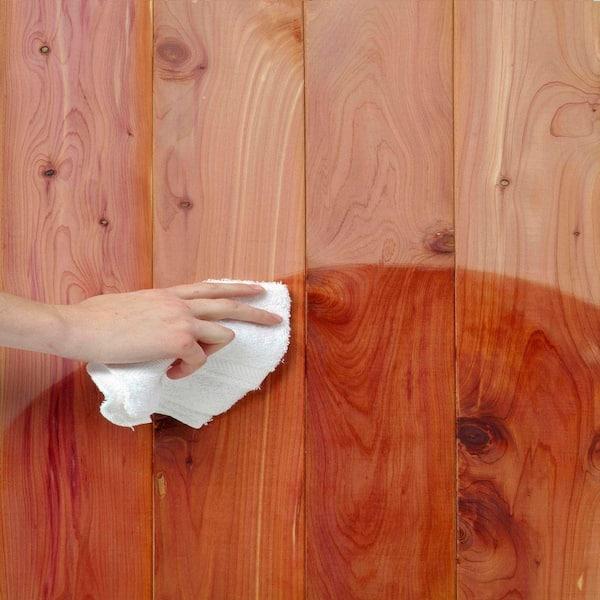
Wood care is essential for maintaining the beauty and longevity of your wooden items. If you choose to skip proper maintenance, you may find that your wood turns grey over time, which can be acceptable if you appreciate the weathered look. However, neglecting wood care can lead to more severe consequences, such as cracking and warping, which can compromise the structural integrity of your furniture or outdoor fixtures. To prevent these issues, it is advisable to apply teak oil or a wood sealer regularly. Additionally, if the surface becomes rough due to wear and tear, light sanding can help restore its smooth finish. Taking these simple steps will ensure your wood remains in excellent condition for years to come.
Stone & Concrete
Wood care is essential for maintaining the beauty and longevity of your wooden items. If you choose to skip proper maintenance, you may find that your wood turns grey over time, which can be acceptable if you appreciate the weathered look. However, neglecting wood care can lead to more severe consequences, such as cracking and warping, which can compromise the structural integrity of your furniture or outdoor fixtures. To prevent these issues, it is advisable to apply teak oil or a wood sealer regularly. Additionally, if the surface becomes rough due to wear and tear, light sanding can help restore its smooth finish. Taking these simple steps will ensure your wood remains in excellent condition for years to come.
Drainage Check (non-negotiable)
Maintaining an outdoor shower is essential for ensuring its functionality and longevity, and one of the most critical aspects of this maintenance is performing a drainage check. This task is non-negotiable, as proper drainage is key to the overall performance of the shower. It’s crucial to ensure that water is flowing freely; any blockages can lead to significant issues. Regularly clearing away leaves, sand, and other debris from the drainage area will prevent build-up that could impede water flow. If drainage fails, it can set off a chain reaction of problems, affecting everything else associated with the outdoor shower. Proper upkeep is vital.
4. Fixtures — Longevity Rules
Stainless Steel Care
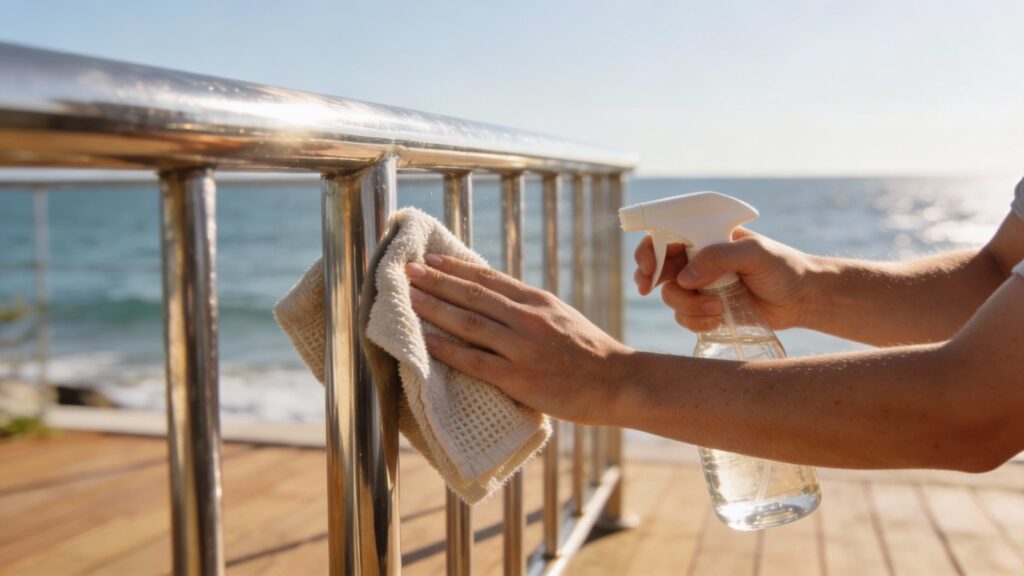
Caring for stainless steel is essential to maintain its appearance and longevity. To keep your stainless steel items looking their best, it is important to wipe them dry whenever possible. This simple step helps prevent water spots and reduces the likelihood of mineral buildup over time. For any stubborn mineral deposits, cleaning with vinegar can be highly effective, as its acidic properties help dissolve buildup without damaging the surface. Additionally, it is crucial to regularly check joints and connections for any signs of wear or corrosion, as these areas can be more susceptible to staining. Even stainless steel can tarnish if neglected, especially in certain climates, so consistent maintenance is key to preserving its shine and preventing unsightly stains.
Shower Head Maintenance
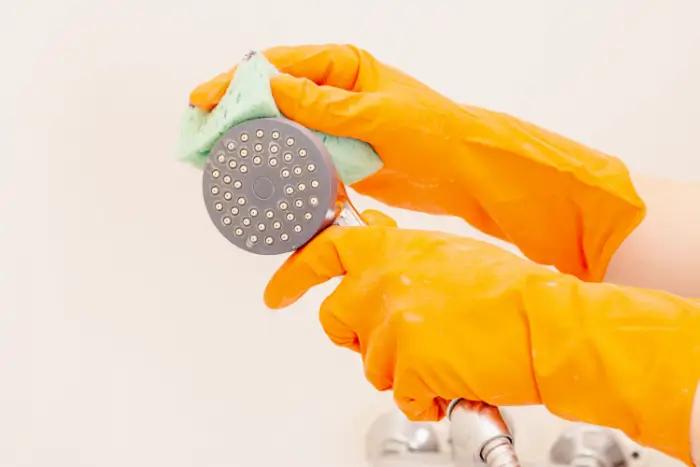
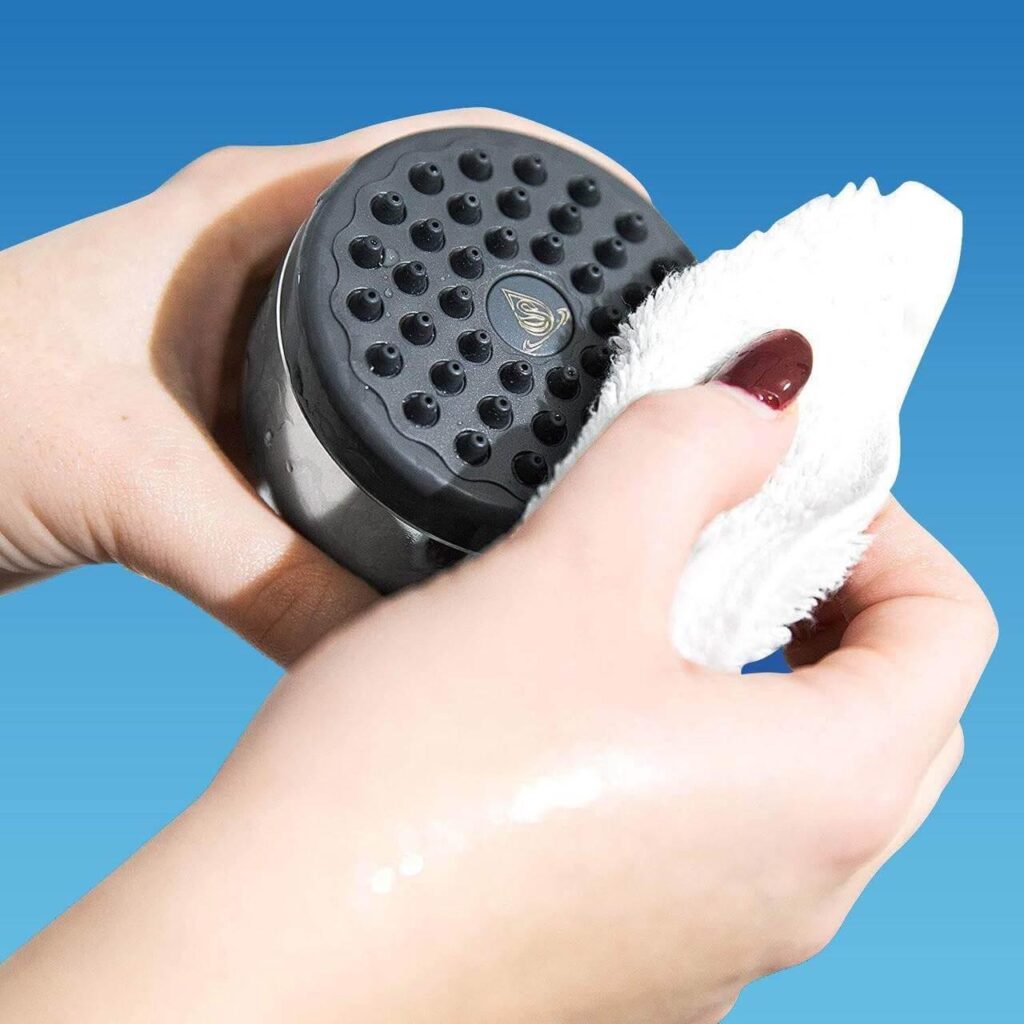
Maintaining your shower head is essential for ensuring a consistent and enjoyable shower experience. One effective way to keep it in optimal condition is to soak the shower head in vinegar occasionally. This simple yet powerful solution helps to dissolve mineral scale buildup, which can accumulate over time and hinder water flow. Additionally, it’s important to regularly check the spray pattern of your shower head. A change in the spray pattern can be an early warning sign of clogs developing within the nozzle. By being proactive and addressing these issues promptly, you can prolong the life of your shower head and maintain its performance.
5. Spa Zone (Where Things Can Go Wrong Fast)
The Spa Zone is an area where things can go wrong quickly if not properly maintained. When incorporating spa elements such as benches, plants, and lighting, it’s essential to prioritize upkeep to ensure a safe and enjoyable environment. Plants should be trimmed regularly to prevent moisture retention, which can lead to mold growth and other issues. Additionally, it’s crucial to ensure that plant roots do not interfere with drainage systems. For lighting, checking the waterproof seals is vital, and any corroding fixtures should be replaced promptly to avoid electrical hazards. Seating areas made of wood or stone must be kept clean and dry whenever possible, and wooden surfaces should be re-sealed periodically to maintain their integrity and appearance. By taking these precautions, you can ensure that your spa zone remains a serene and safe retreat.
6. The Biggest Mistakes (Avoid These)
When it comes to maintaining your home, avoiding certain mistakes is crucial for preserving its integrity and appearance. First and foremost, ignoring drainage can lead to significant water damage, compromising both structural elements and aesthetics. Additionally, allowing soap to build up can create unsightly residue and potentially damage surfaces over time. It’s also essential never to neglect sealing wood, as this protective measure prevents moisture intrusion and prolongs its lifespan. Furthermore, the use of harsh chemicals should be avoided, as they can destroy finishes and result in costly repairs. Lastly, waiting until something “looks bad” before addressing issues means you are already behind in maintenance, making it more challenging to restore your home to its best condition.
7. Simple Maintenance System (Stick This in Your Head)
To ensure the longevity and efficiency of your equipment, adopting a simple maintenance system is essential. Start with a weekly routine that involves a quick rinse and a thorough check to identify any immediate issues. This brief but effective practice helps prevent minor problems from escalating. Moving on to a monthly schedule, dedicate time to clean and scrub your equipment, removing any built-up grime and ensuring optimal performance. Finally, every quarter, focus on protection by applying oil or sealant and conducting a thorough inspection. This comprehensive maintenance approach not only enhances the functionality of your equipment but also extends its lifespan, making it a worthwhile investment.
- Weekly: rinse + quick check
- Monthly: clean + scrub
- Quarterly: protect (oil/seal + inspect)
MORE ARTICLES
-
10 Ideas designed for a Caribbean Tropical Home

These ideas are designed for a Caribbean tropical home, where the emphasis is on natural materials, breezy spaces, vibrant foliage, and seasonal changes that fit the local climate rather than four distinct temperate seasons. 1. Tropical Spring Refresh To create a refreshing ambiance in a Caribbean tropical home, the concept of a “Tropical Spring Refresh”…
-
How to Make Your Own Bubble Diagram

A bubble diagram in architecture is a quick, loose way of planning how spaces relate to each other before you start drawing walls, doors, or exact dimensions. Think of it as the logic underneath the floor plan. Instead of drawing a bedroom as a precise 12′ × 14′ rectangle, you draw a bubble labelled Bedroom.…
-
Remedies for Slopes, Corners & Sharp Angles
In the realms of architecture and feng shui, a significant overlap exists in their fundamental principles, despite the different terminologies used. Feng shui emphasizes the concept of “chi,” which refers to the vital energy that flows through spaces, affecting the well-being of individuals. Architects, on the other hand, focus on aspects such as circulation, sight…