

On a tropical hillside property, the landscaping can either protect the slope for decades or slowly create problems like erosion, cracks in retaining walls, or soil washout during heavy rain. I’ve seen many beautiful houses undermined simply because the wrong plants or layout were used.
Here are 5 common mistakes people make on tropical hillsides — and how to avoid them.
5 Landscaping Mistakes That Cause Hillside Erosion
1. Leaving Too Much Bare Soil
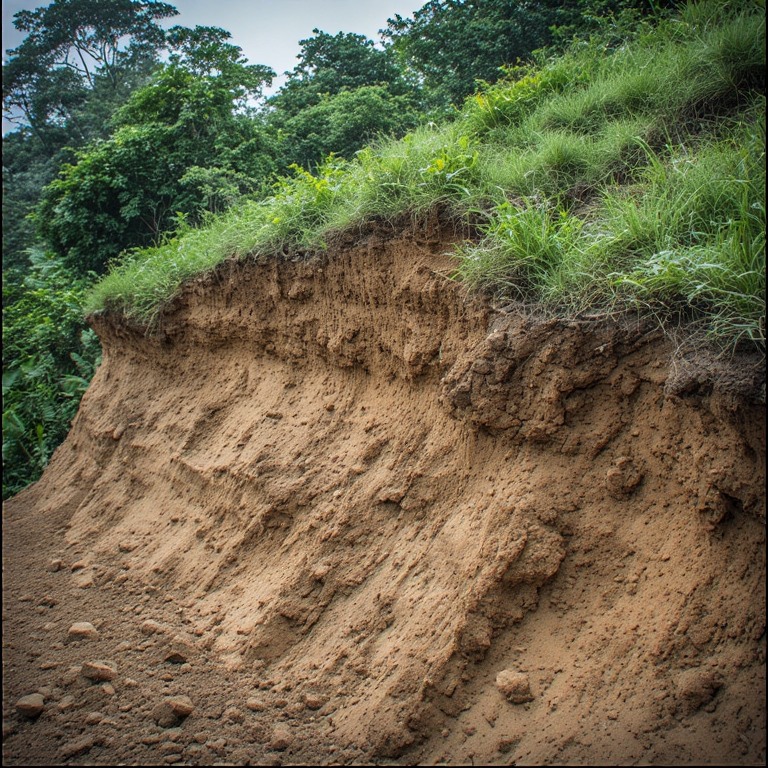
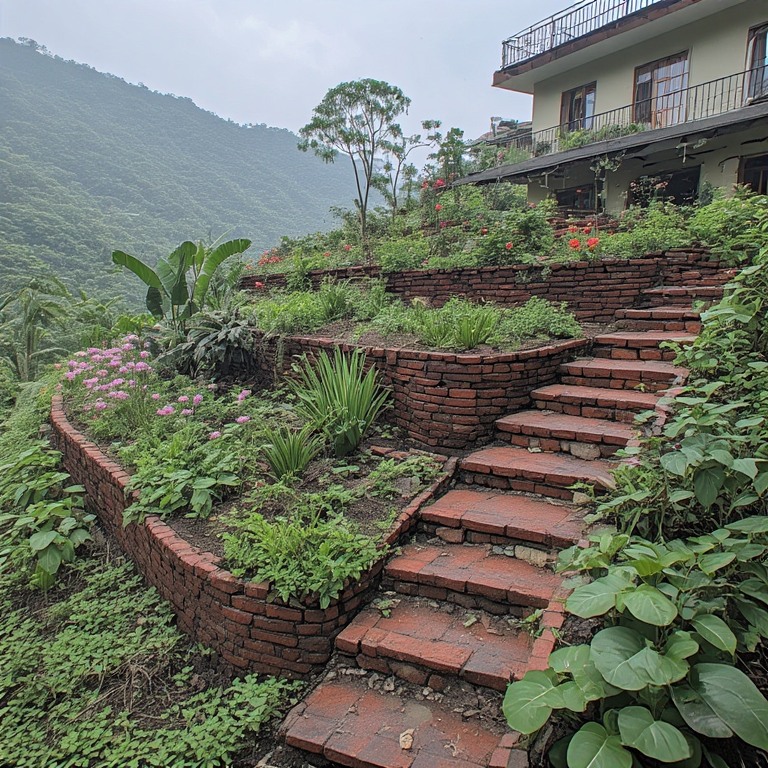
One of the most significant landscaping mistakes that leads to hillside erosion is leaving too much bare soil exposed. When heavy tropical rains occur, water cascades down the slope, causing soil to wash away and creating channels that exacerbate the erosion process. To combat this issue, it is essential to implement effective strategies. Utilizing ground cover plants can significantly reduce bare soil exposure, while adding mulch between the plants can help retain moisture and prevent soil displacement. Planting densely across the slope with species such as Wedelia, creeping peanut, perennial peanut, and low grasses can also provide a protective layer that stabilizes the soil and minimizes erosion.
2. Planting Trees Too Close to the House
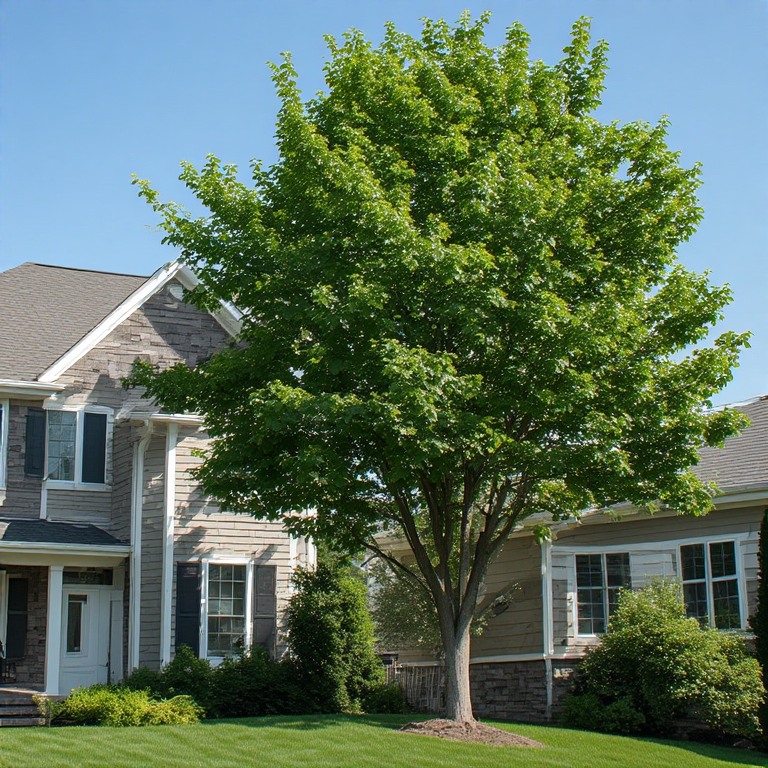
Planting trees too close to the house can lead to significant problems, particularly with large trees that pose risks to the home’s structural integrity. One of the main concerns is that tree roots can exert pressure against foundation walls, potentially causing cracks and structural damage over time. Additionally, the roots can disrupt drainage systems, leading to water accumulation and further complications. Another serious issue arises when roots invade underground pipes, which can result in costly repairs and severe plumbing problems. A safe rule of thumb when planting trees is to ensure that the distance from the house is at least equal to the height the tree will ultimately reach. For instance, a tree expected to grow to 30 feet tall should be planted at least 30 feet away from the house. This practice not only helps protect the foundation and plumbing but also promotes healthier tree growth, allowing it ample space for its roots to develop without encroaching on nearby structures. By adhering to these guidelines, homeowners can enjoy the benefits of landscaping with trees while minimizing the risk of damage to their property.
3. Planting in Vertical Lines Down the Hill
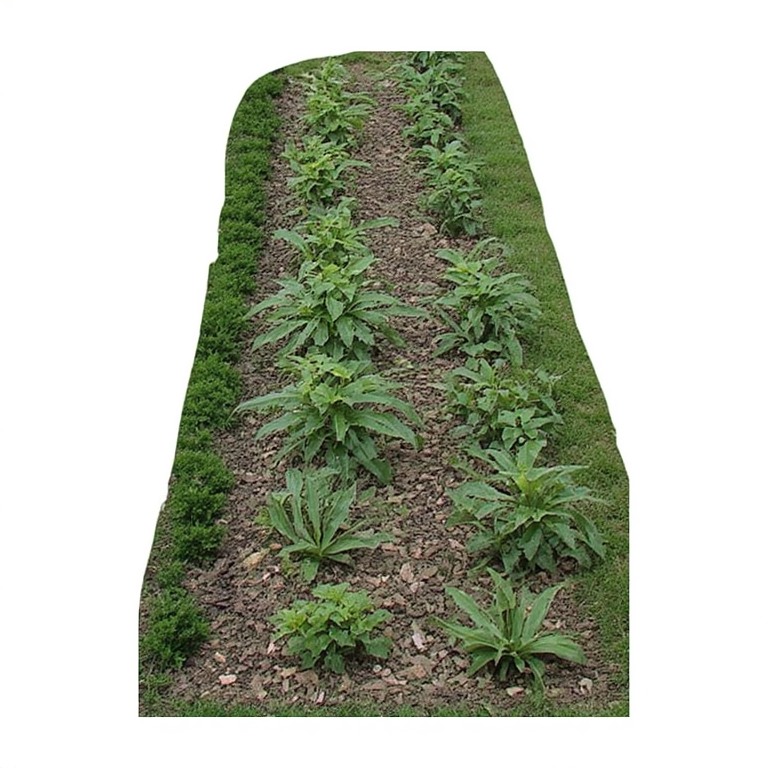
One common mistake in landscaping and gardening is planting in vertical lines down a hill. When plants are arranged in this manner, rainwater flows directly between them, often leading to the formation of channels that can erode the soil and damage the plants. To avoid this issue, it is essential to adopt a more effective planting strategy. The correct method involves arranging rows across the slope, similar to terraces. This approach not only prevents soil erosion but also slows down the flow of water, allowing it to soak into the ground more effectively. By understanding and implementing this technique, gardeners can promote healthier plant growth and maintain the integrity of their landscape.
4. Using Plants With Weak Root Systems
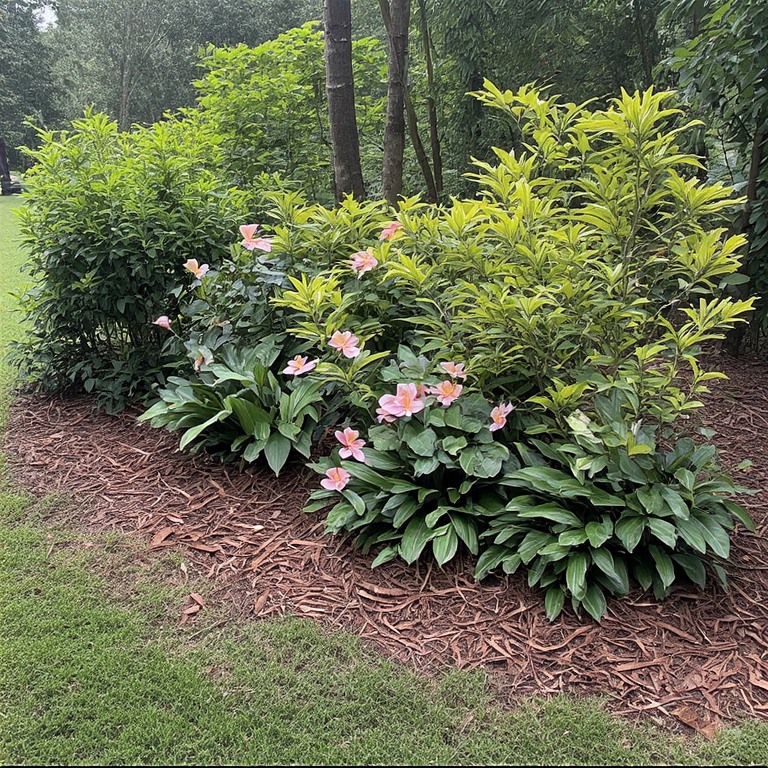
When planning a landscape, it’s essential to consider the stability of the soil, particularly when selecting plants for your garden. While some ornamental plants may be visually appealing, they often possess weak root systems that fail to provide adequate soil stabilization. Small annual flowers and shallow-rooted ornamental plants should not be the sole focus of your planting scheme. Instead, it’s advisable to incorporate stronger-rooted plants that can effectively anchor the soil and prevent erosion. Options such as vetiver grass, clumping bamboo, heliconia, and ginger plants not only enhance the aesthetic appeal of your garden but also contribute significantly to soil health and stability.
5. Ignoring Drainage Paths
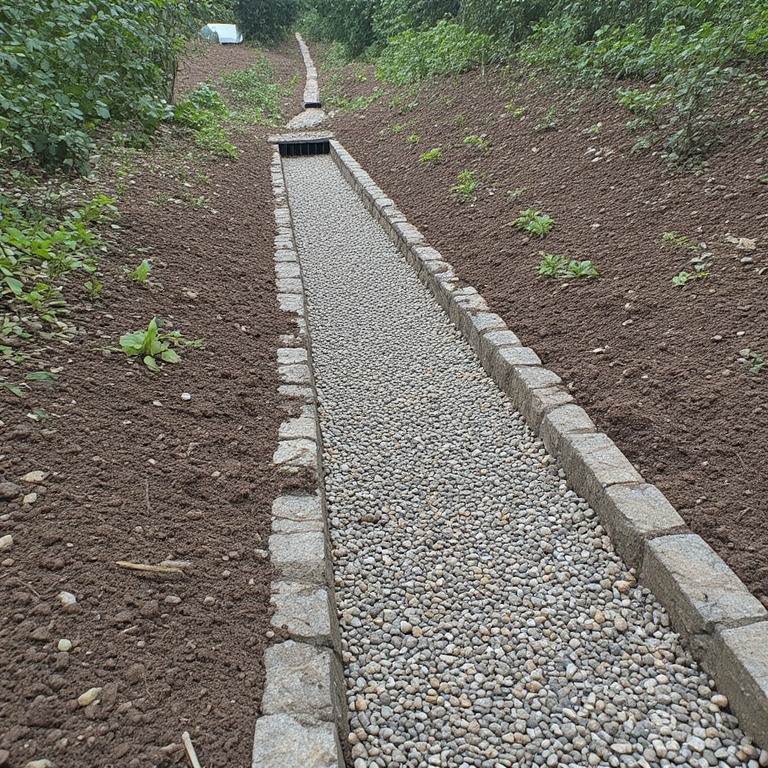
Ignoring drainage paths in landscaping can lead to significant issues, even when plants are incorporated into the design. Proper water management is crucial, as stagnant water can cause pressure to build up in the soil, ultimately destabilizing slopes and increasing the risk of landslides. To prevent these potentially hazardous situations, it is essential to implement effective drainage solutions. Options such as stone drainage channels, gravel swales, small terraces, and French drains can facilitate the movement of water, ensuring that it has a clear path to escape. By prioritizing proper drainage, we can maintain both the integrity of the landscape and the safety of the surrounding area.
Golden Rule for Tropical Hillsides
When landscaping tropical hillsides, it is essential to adhere to the Golden Rule, which emphasizes the harmonious interplay of three critical systems: plants, soil protection, and water drainage. Each element plays a pivotal role in maintaining the stability of the hillside. First, the choice of plants is crucial; selecting native and drought-resistant species can enhance the ecosystem while providing root structures that anchor the soil. Secondly, soil protection is vital to prevent erosion, which can be exacerbated by heavy rainfall common in tropical regions. Finally, effective water drainage systems must be implemented to manage runoff and prevent waterlogging. When these three systems are in balance, the hillside achieves a state of stability that supports both the landscape and the surrounding environment, ultimately promoting a sustainable and thriving ecosystem.
Plants + Soil protection + Water drainage.
One last practical tip
After planting a slope, it is crucial to apply a heavy layer of mulch, ideally 3 to 4 inches thick. This layer of mulch serves multiple important functions that contribute to the health and stability of the newly planted area. First and foremost, it slows the impact of rain on the soil, helping to prevent the soil from being washed away during heavy downpours. By absorbing some of the rain’s energy, the mulch reduces erosion and protects the integrity of the slope. Additionally, mulch plays a vital role in maintaining soil moisture, as it acts as a barrier that minimizes evaporation. This is especially beneficial for newly planted vegetation, which requires consistent moisture to establish strong roots. Overall, a thick layer of mulch not only safeguards the slope from erosion but also creates a more hospitable environment for the plants to thrive.
RELATED ARTICLES
Step-By-Step Plan for a Terraced Tropical Garden
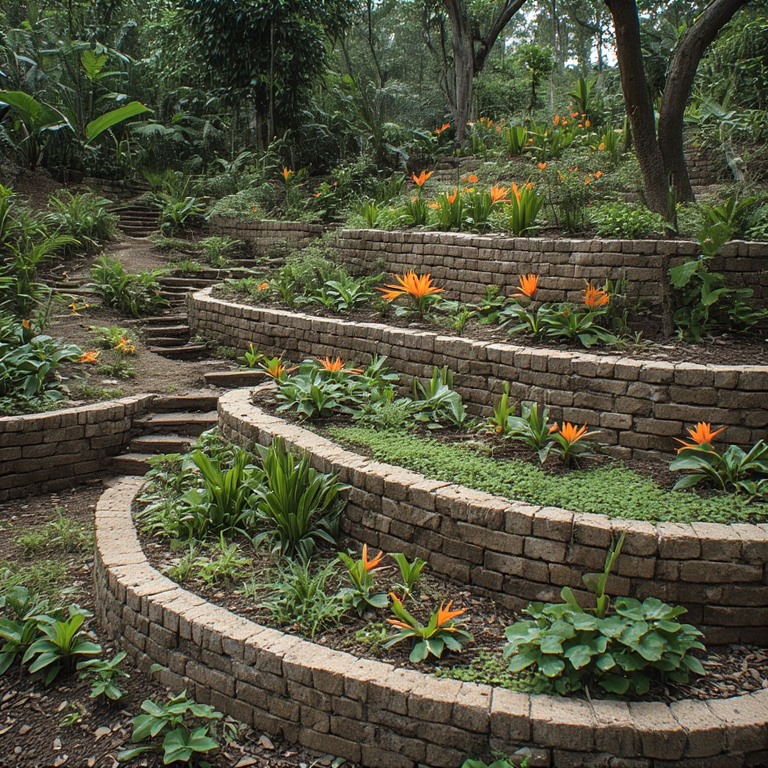
Turning a steep tropical hillside into terraces is one of the smartest things you can do. It slows rainwater, prevents erosion, and creates flat planting areas that are easier to maintain…
Best Plants for a Hillside Tropical Property
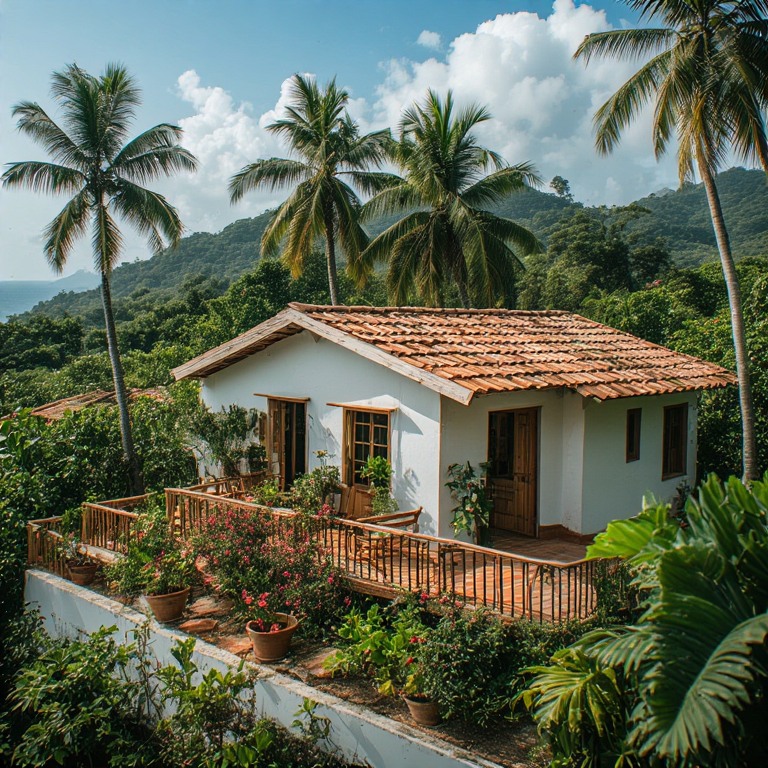
A hillside tropical property needs plants that do three important jobs: Hold the soil (prevent erosion); handle strong sun and win; create structure so the hill looks landscaped, not wild …
10 Of The Most Beautiful Caribbean Plants For A Tropical Yard
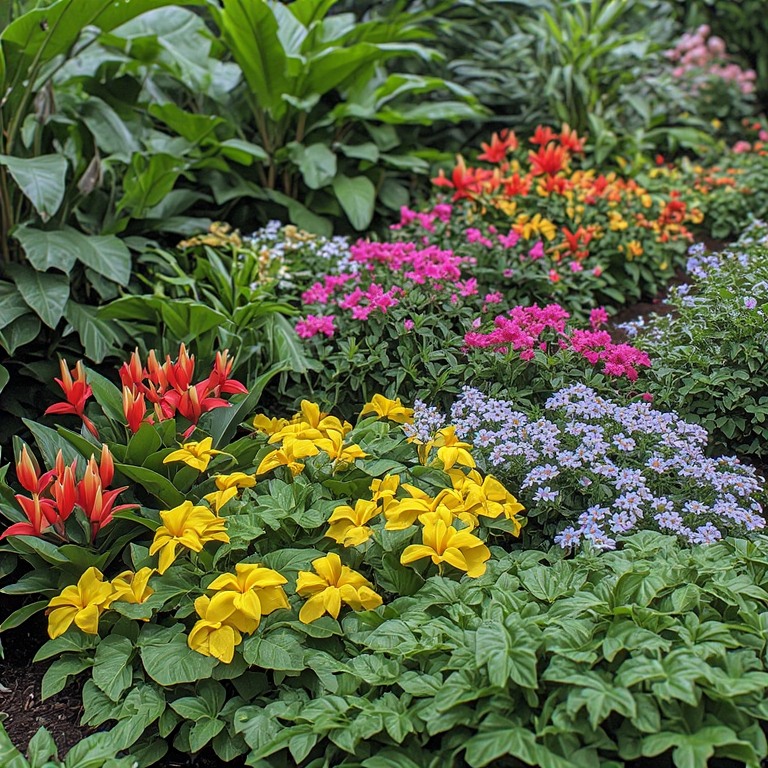
A beautiful Caribbean garden is about colour, texture, and height working together. The plants below are some of the most striking tropical plants that …
MORE ARTICLES
-

10 Ideas designed for a Caribbean Tropical Home
These ideas are designed for a Caribbean tropical home, where the emphasis is on natural materials, breezy spaces, vibrant foliage, and seasonal changes that fit the local climate rather than four distinct temperate seasons. 1. Tropical Spring Refresh To create a refreshing ambiance in a Caribbean tropical home, the concept of a “Tropical Spring Refresh”…
-

How to Make Your Own Bubble Diagram
A bubble diagram in architecture is a quick, loose way of planning how spaces relate to each other before you start drawing walls, doors, or exact dimensions. Think of it as the logic underneath the floor plan. Instead of drawing a bedroom as a precise 12′ × 14′ rectangle, you draw a bubble labelled Bedroom.…
-
Remedies for Slopes, Corners & Sharp Angles
In the realms of architecture and feng shui, a significant overlap exists in their fundamental principles, despite the different terminologies used. Feng shui emphasizes the concept of “chi,” which refers to the vital energy that flows through spaces, affecting the well-being of individuals. Architects, on the other hand, focus on aspects such as circulation, sight…