

A hillside tropical property needs plants that do three important jobs:
- Hold the soil (prevent erosion)
- Handle strong sun and wind
- Create structure so the hill looks landscaped, not wild
The key is to plant deep-rooted trees, spreading shrubs, and ground covers that stabilize the slope while still looking beautiful.
Below are some of the best plants for a hillside tropical garden, especially suitable for places like the Caribbean.
Best Plants for a Hillside Tropical Property
1. Vetiver Grass (Best Soil Stabilizer)
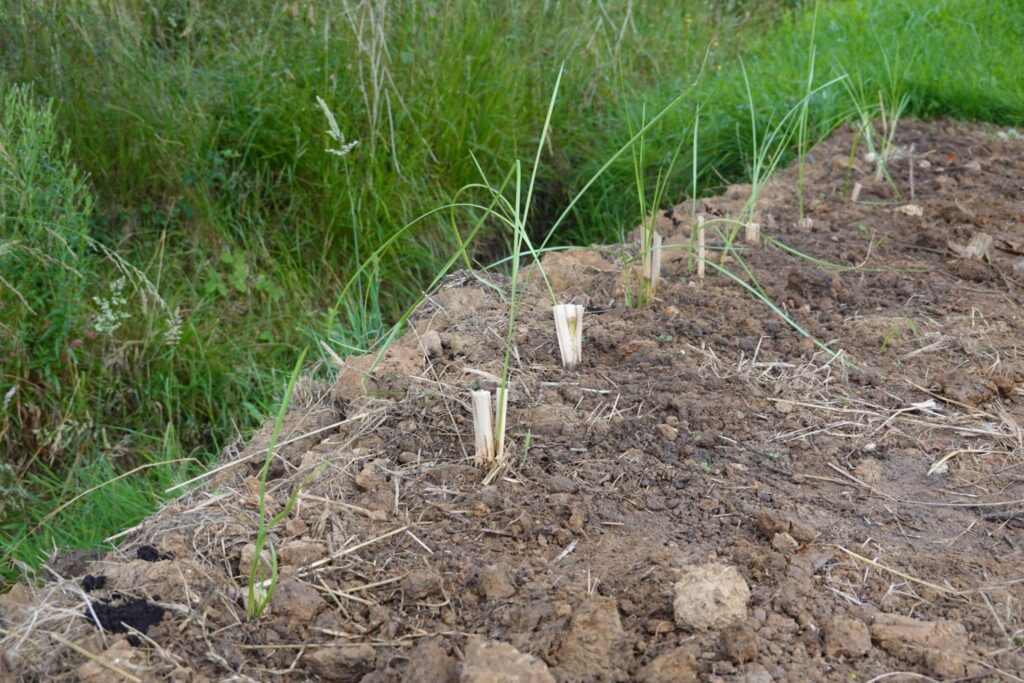
Vetiver grass is renowned as one of the best natural erosion control plants globally, making it an ideal choice for managing soil stability, particularly on hillsides. Its impressive root system, which can extend 3 to 4 meters deep, plays a crucial role in anchoring the soil, effectively preventing it from washing away during heavy rains. This deep-rooted structure not only contributes to soil retention but also enhances drought resistance, allowing the plant to thrive even in arid conditions. The best placement for vetiver grass is along slope lines and at the edges of terraces, where its growth can maximize its protective benefits against erosion.
2. Heliconia
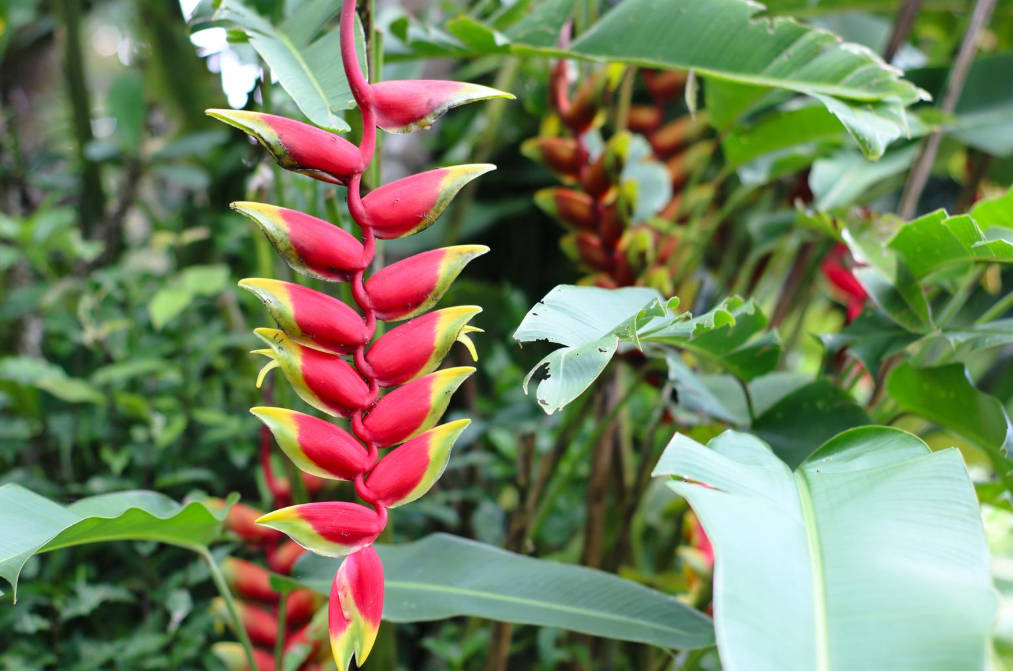
Heliconia is a remarkable plant that not only spreads naturally but also plays a crucial role in soil conservation. Its thick root systems effectively hold soil in place, preventing erosion and promoting a stable environment for other vegetation. This hardy plant is celebrated for its stunning tropical flowers, which add vibrant colors and unique shapes to any landscape, making it a favorite among gardeners and landscapers alike. Heliconia thrives best when planted on middle slopes and in garden beds on terraces, where its lush foliage can create beautiful hillside coverage. The combination of its aesthetic appeal and functional benefits makes Heliconia an excellent choice for enhancing both beauty and biodiversity in outdoor spaces.
3. Bamboo
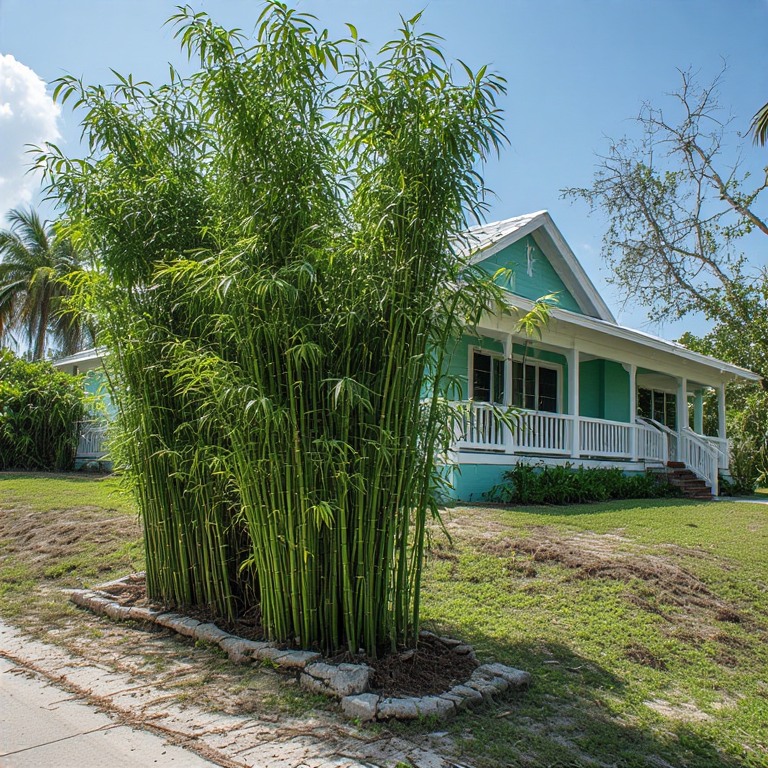
Bamboo is an exceptional choice for enhancing slope stability due to its dense root system, which effectively anchors the soil and reduces erosion. One of the key benefits of bamboo is its ability to protect against wind, making it an ideal plant for areas that experience strong gusts. Additionally, bamboo’s rapid growth rate allows it to establish itself quickly, providing immediate stability and protection for sloped terrains. For optimal results, it is best to plant bamboo on lower slopes and boundary areas where its stabilizing properties can be fully utilized. To avoid potential issues with invasiveness, it is advisable to select clumping bamboo varieties rather than running types, ensuring a controlled and sustainable growth pattern that contributes positively to the landscape while enhancing slope stability.
4. Traveller’s Palm
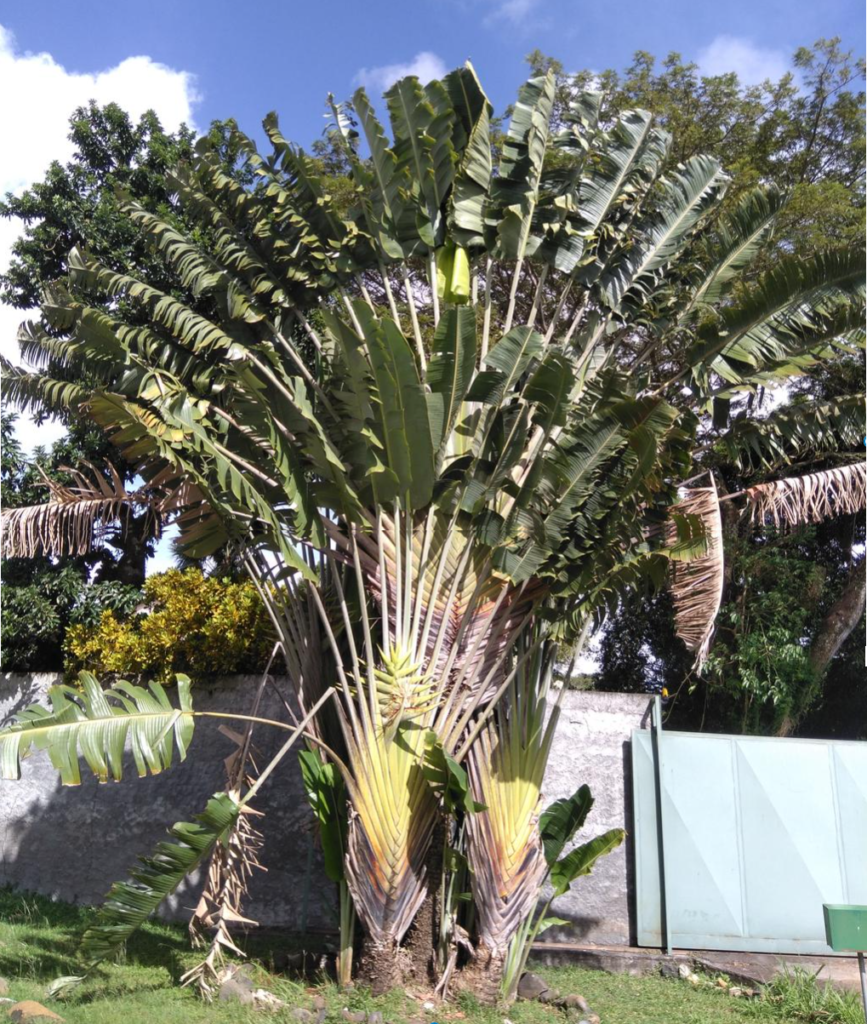
The traveller’s palm is a dramatic and striking plant that adds architectural beauty to any landscape, particularly in hillside settings. With its unique fan-shaped leaves and towering stature, it serves as a stunning focal point, enhancing the visual appeal of upper slopes and areas near the house. Beyond its aesthetic contributions, the traveller’s palm is also remarkably practical; it boasts a strong root structure that helps it withstand the elements and offers stability in various soil types. Furthermore, this resilient plant is highly drought-tolerant, making it an excellent choice for gardens in regions with limited water resources. Its combination of beauty and adaptability makes the traveller’s palm a perfect addition to any hillside view.
5. Frangipani (Plumeria)
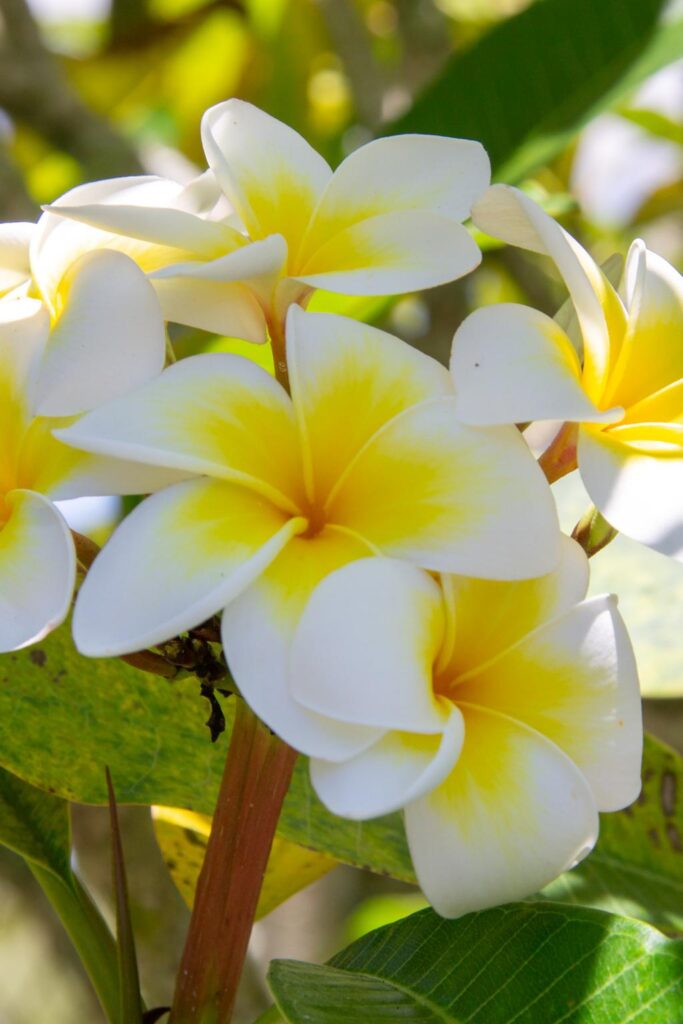
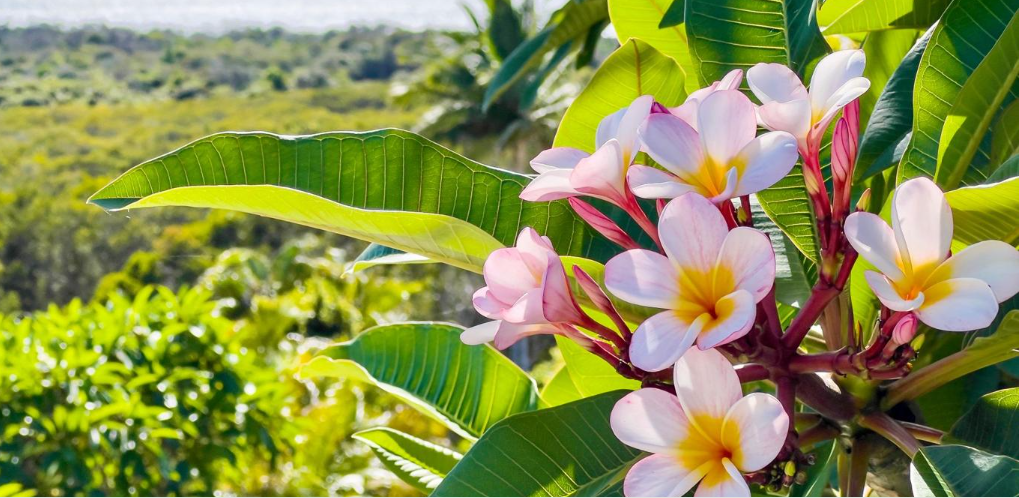
Frangipani is a resilient and beautiful plant that thrives exceptionally well in rocky soils, making it an ideal choice for gardens in challenging environments. One of its most notable benefits is its remarkable drought tolerance, allowing it to flourish in areas with limited water availability. The deep root system of the frangipani further enhances its ability to survive in arid conditions, providing stability and access to moisture deep within the soil. Additionally, this plant is celebrated for its stunning, fragrant flowers, which add a touch of tropical elegance to any landscape. To maximize its beauty, frangipani should be strategically placed in upper hillside areas or around patios and terraces, where its enchanting blooms can be fully appreciated and enjoyed.
6. Crotons
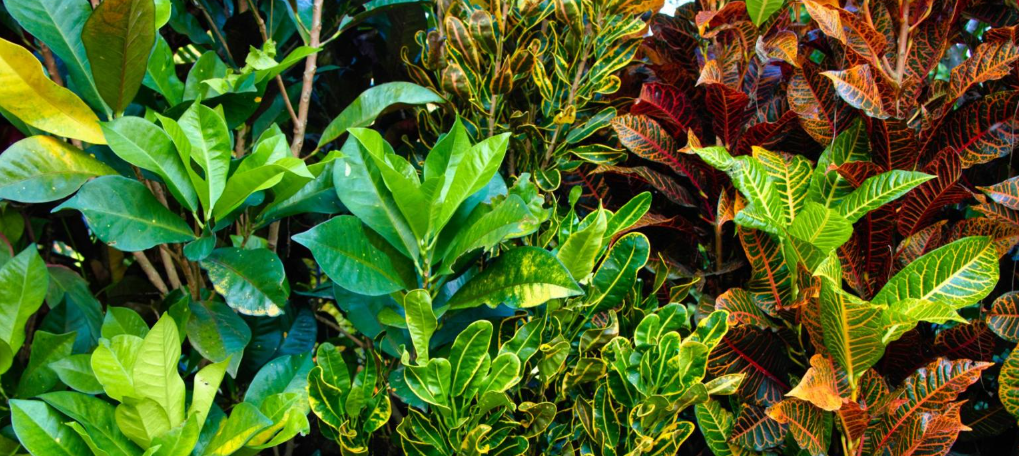
Crotons are an excellent choice for gardeners looking to enhance their landscape with vibrant color while also providing practical benefits. These hardy tropical shrubs are known for their striking, bright foliage, which can transform any garden into a lively and visually appealing space. One of their key advantages is that they are easy to maintain, making them suitable for both novice and experienced gardeners alike. Crotons can be strategically placed at the edges of terraces or along pathways, where their vivid leaves can create a stunning visual contrast and serve as a natural border, helping to cover soil and prevent erosion.
7. Ground Covers (Wedelia or Beach Sunflower)
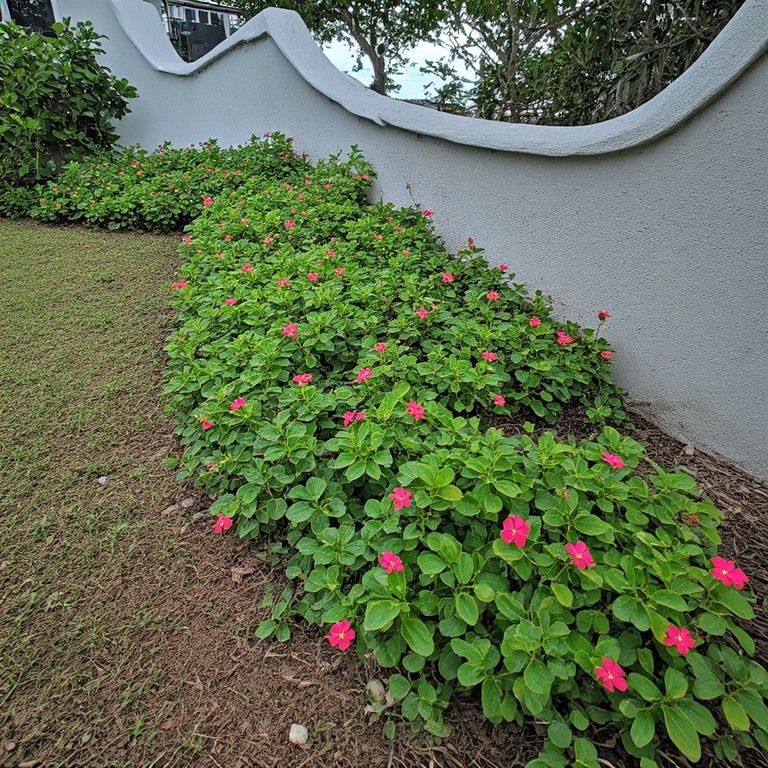
Ground cover plants play a crucial role in maintaining the integrity of slopes by offering numerous benefits. One of the primary advantages is their ability to prevent soil erosion, which can be a significant concern on inclines where loose soil can easily wash away. These plants quickly cover bare ground, establishing a protective barrier that not only holds the soil in place but also enhances the aesthetic appeal of the landscape. Additionally, ground cover plants require little maintenance, making them a practical choice for gardeners and landscapers alike. Ideal placement for these plants is between shrubs and across open slope areas, where they can thrive and effectively contribute to slope stabilization.
Example Hillside Garden Layout
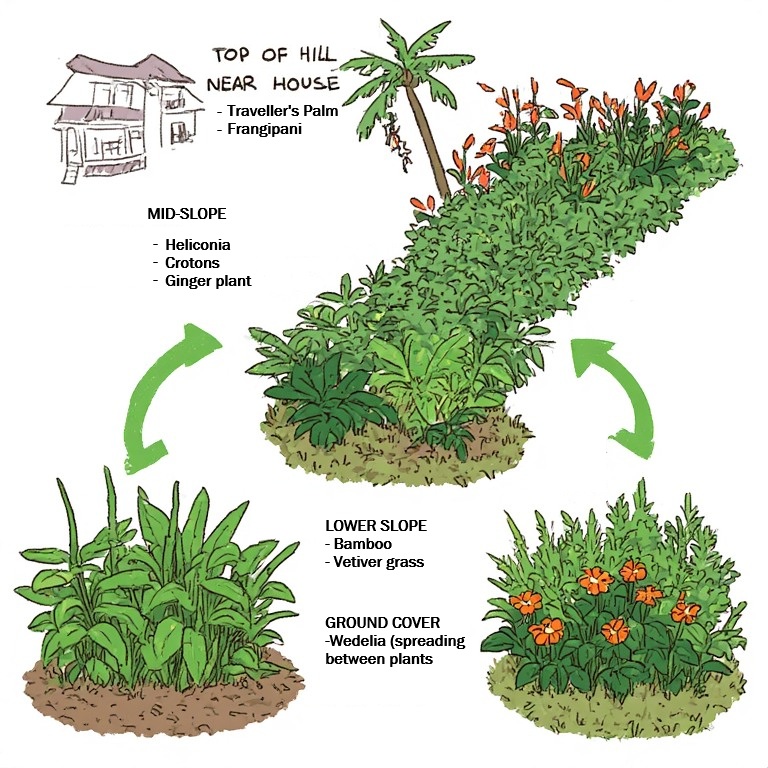
Here is a simple layout that works very well:
Important Hillside Landscaping Tip
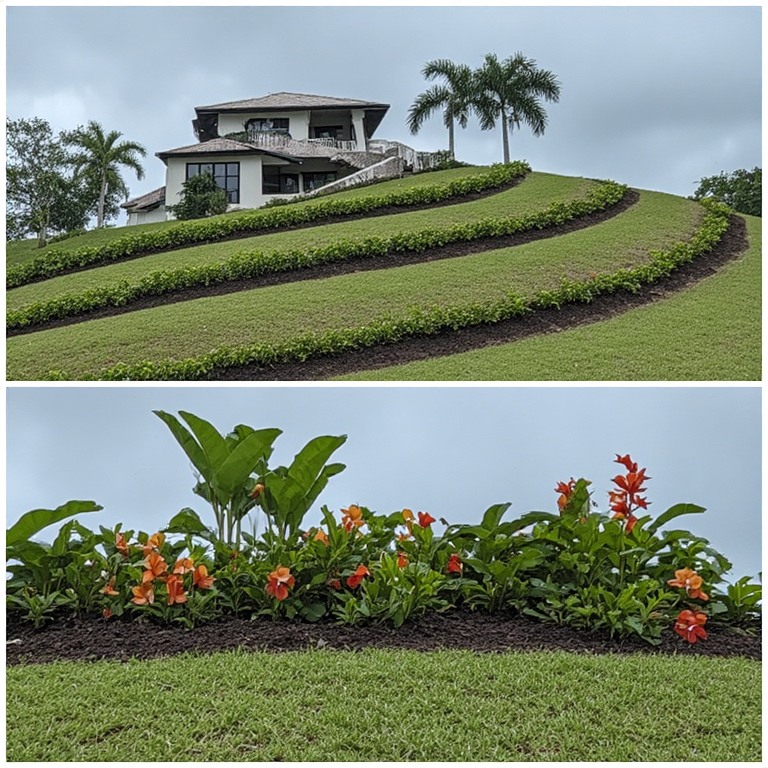
When landscaping on a hillside, one crucial tip to keep in mind is to plant in horizontal rows across the slope rather than straight down. This technique significantly slows water runoff, allowing for better absorption into the soil, which is essential for the health of the plants. By arranging your plants horizontally, you create natural barriers that help hold the soil in place, effectively preventing erosion. Erosion can be a significant issue on hillsides, where the natural incline makes the soil more susceptible to being washed away during heavy rains. Utilizing horizontal rows not only enhances the aesthetic appeal of your landscape but also promotes a healthier ecosystem, as it encourages deeper root growth and supports the overall stability of the hillside. Therefore, adopting this planting strategy is essential for anyone looking to maintain a beautiful and sustainable hillside garden.
Hillside Landscaping Strategy (Erosion-Safe Design)
Hillside landscaping requires a strategic approach to effectively manage the unique challenges posed by sloped terrain. One effective strategy is to divide the hill into three distinct zones: the Top Zone, Mid Slope, and Lower Slope. The Top Zone, located nearest to the house, should focus on plants that thrive in well-drained soil and can withstand potential exposure to wind and sun. Ideal choices might include ornamental grasses or low shrubs that enhance the view from the home. The Mid Slope acts as a transitional area, where a mix of drought-resistant plants and ground covers can help prevent erosion while maintaining aesthetic appeal. Lastly, the Lower Slope should feature plants that can tolerate more moisture and are capable of stabilizing the soil, such as native perennials or deep-rooted shrubs. By selecting the right plants for each zone, homeowners can create a visually appealing and functional landscape that complements the natural contours of the hill while promoting healthy growth and minimizing erosion. This zoning approach not only enhances the overall beauty of the property but also ensures that each plant has the optimal conditions to thrive, resulting in a sustainable and low-maintenance landscape design.
Zone 1 — Top of Hill (Near the House)
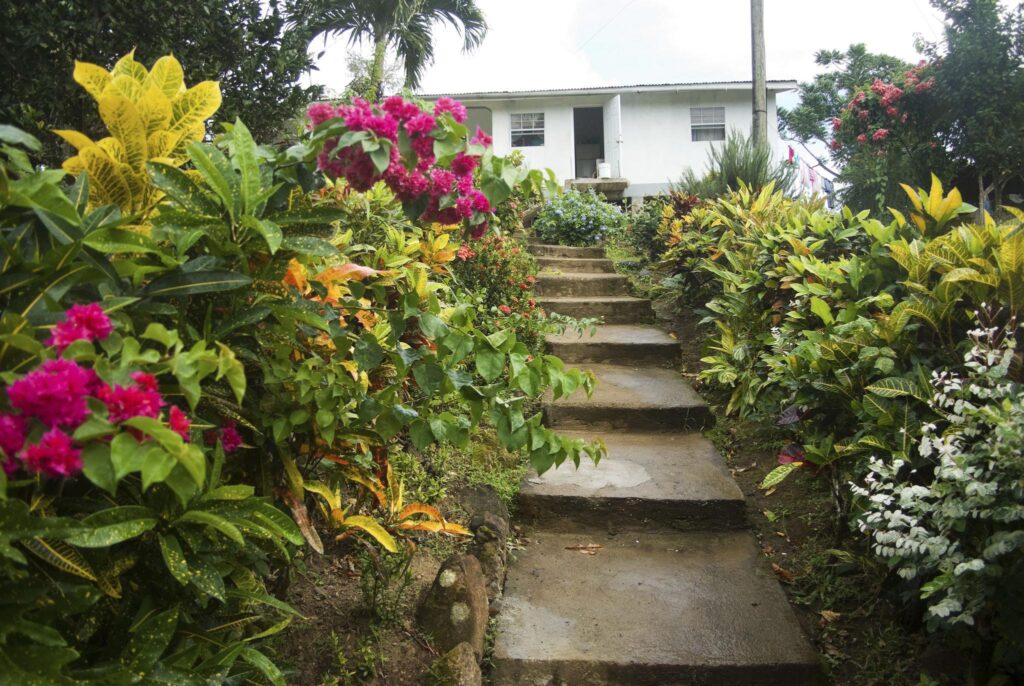
When landscaping around a home, it is essential to choose plants with controlled root systems to prevent any disturbances to the foundation. Selecting the right plants can enhance the beauty of the property while effectively framing the house. Ideal choices for this purpose include the Traveller’s Palm, Giant Bird of Paradise, Crotons, and Frangipani, all of which offer aesthetic appeal without the risk of invasive roots. Conversely, it is crucial to avoid plants with large, aggressive root systems that could encroach upon the proximity of the house. The primary goal in this landscaping zone is to create a visually pleasing environment that complements and highlights the architectural features of the home while ensuring structural integrity.
Zone 2 — Middle Slope (Soil Holding Zone)
The middle slope zone plays a crucial role in stabilizing the majority of the slope, preventing erosion and promoting healthy growth. To effectively enhance this area, specific plants such as Heliconia, Ginger lilies, Crotons, and Bird of Paradise are ideal choices. These plants thrive due to their thick root systems, which penetrate deeply into the soil, providing excellent anchorage and stability. Additionally, their expansive growth habits allow them to spread across the soil, ensuring good ground coverage that further protects against erosion. For optimal results, it is recommended to plant these species in horizontal rows across the slope, maximizing their effectiveness in maintaining the integrity of the landscape.
Zone 3 — Lower Slope (Erosion Control)
The lower zone of a landscape plays a crucial role in preventing soil erosion, particularly during heavy rain events. By incorporating specific vegetation, this area effectively stabilizes the soil and protects it from being washed away. Among the best plants for this purpose are vetiver grass, wedelia ground cover, and clumping bamboo. These plants are not only aesthetically pleasing but also possess deep root systems that anchor them firmly in the ground. During storms, their roots hold the soil in place, significantly reducing the risk of erosion and maintaining the integrity of the landscape. Thus, these plants serve as natural barriers against soil loss.