

Designing Caribbean interiors involves creating spaces that reflect the vibrant culture, climate, and natural beauty of the region. When selecting textiles and furnishings, it’s essential to consider factors like durability, comfort, and aesthetic appeal. Here are some of the best textiles and furnishings suited for Caribbean interior design:
TEXTILES
1. Natural Fibers
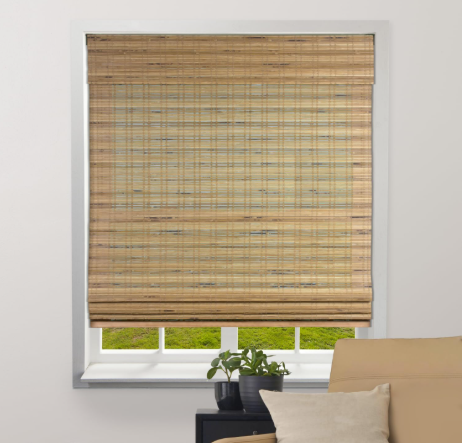
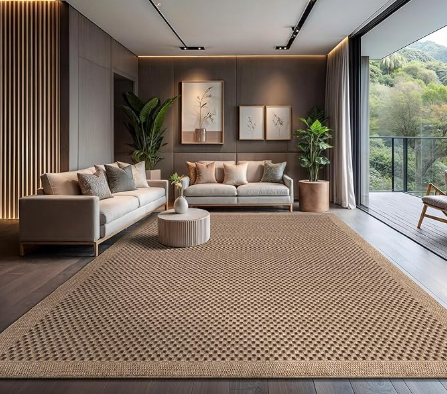
– Bamboo: Excellent for blinds, shades, and flooring, bamboo adds a tropical touch and is eco-friendly.
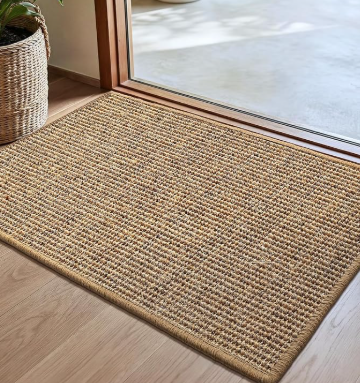
– Jute and Sisal: These are durable, natural fibers ideal for rugs and floor coverings, providing a natural, earthy feel.
2. Cotton and Linen:
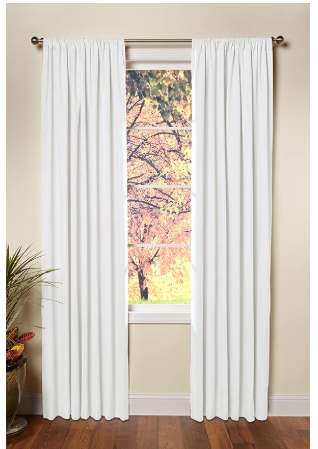
– Lightweight Cotton: Perfect for curtains, cushions, and upholstery, cotton is breathable and ideal for hot climates. Vibrant patterns or tropical prints can enhance the Caribbean vibe.
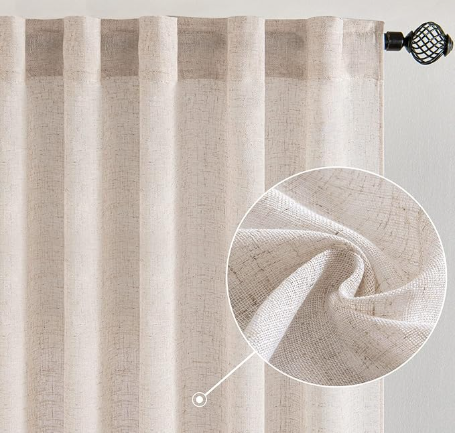
– Linen: Offers a more luxurious feel; it’s also breathable and has a relaxed, casual look.
3. Canvas:

– Canvas is robust and suitable for outdoor furniture and accessories. It can be used for cushion covers, bags, and even awnings.
4. Tropical Prints:
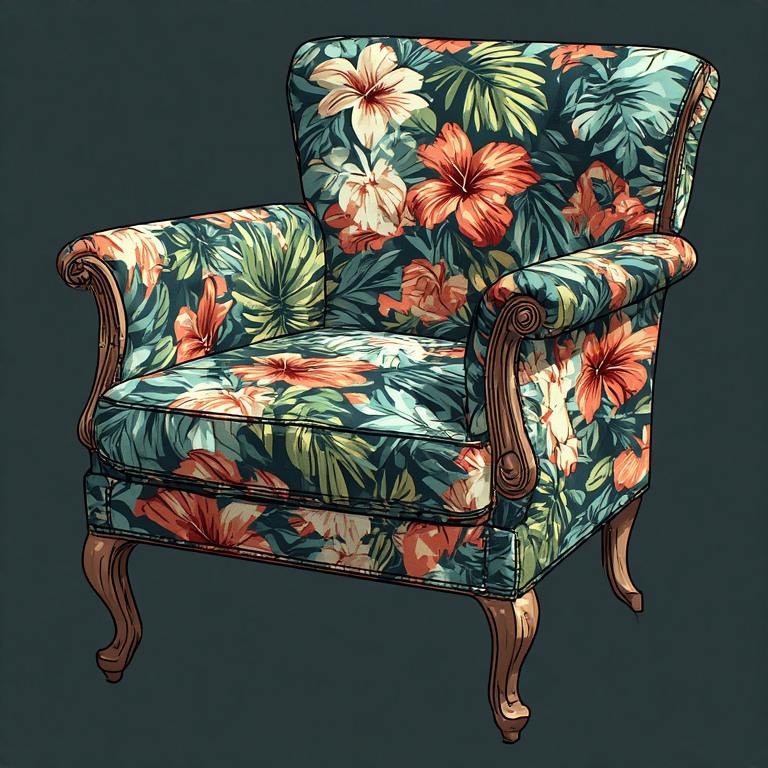
Fabrics featuring floral, botanical, or palm-leaf prints can bring the lushness of the Caribbean indoors. These prints work well for throw pillows, drapes, and upholstery.
5. Synthetic Fabrics:
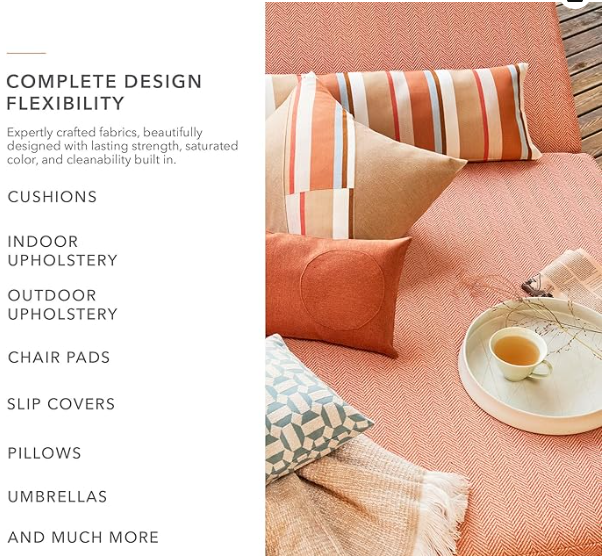
– Sunbrella or Olefin: These outdoor fabrics are UV resistant and water-repellent, making them ideal for patio and poolside upholstery while still being stylish.
Furnishings:
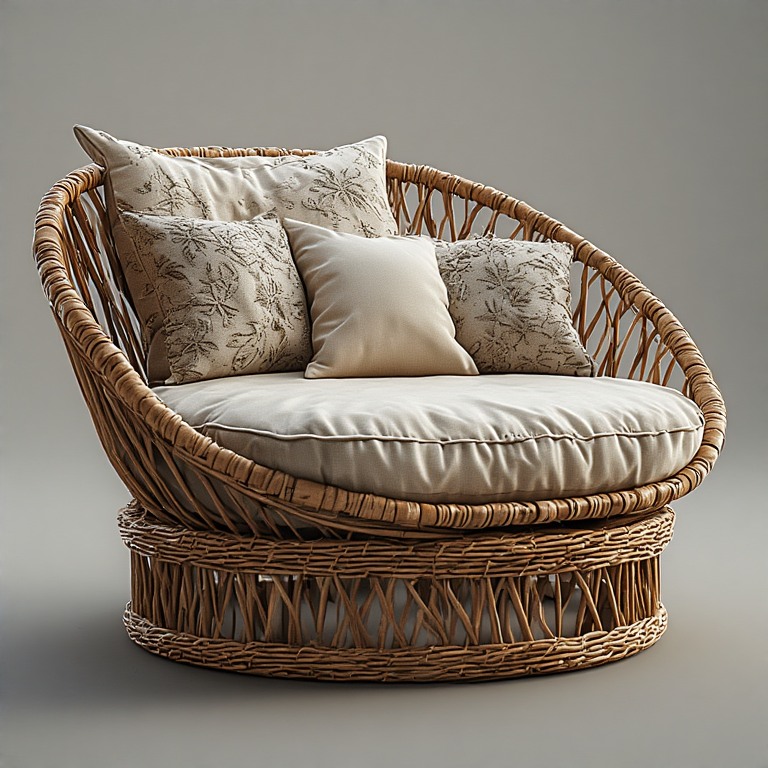
1.Rattan and Wicker:
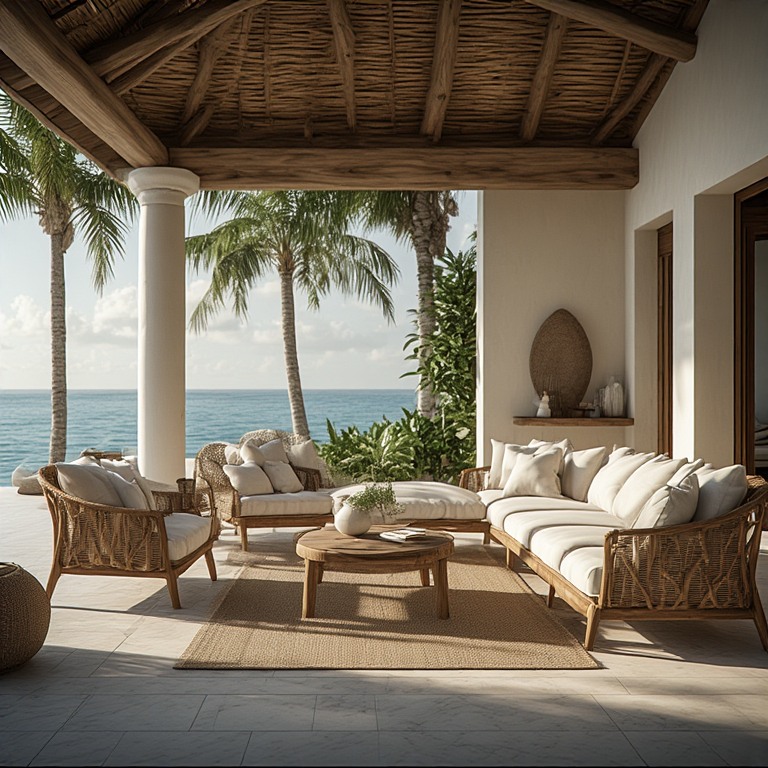
Furniture made from rattan or wicker adds a light and airy feel, perfect for both indoor and outdoor settings. They can be used for chairs, tables, and decorative pieces.
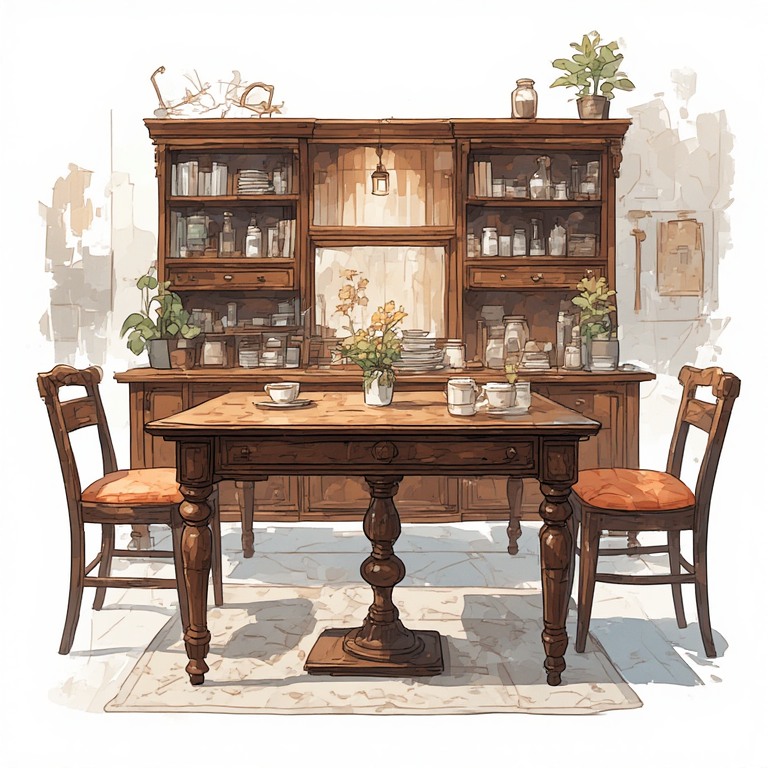
2. Wooden Furnishings:
Use local hardwoods like mahogany or teak for furniture pieces. These materials are durable and add a rich, warm touch to any space.
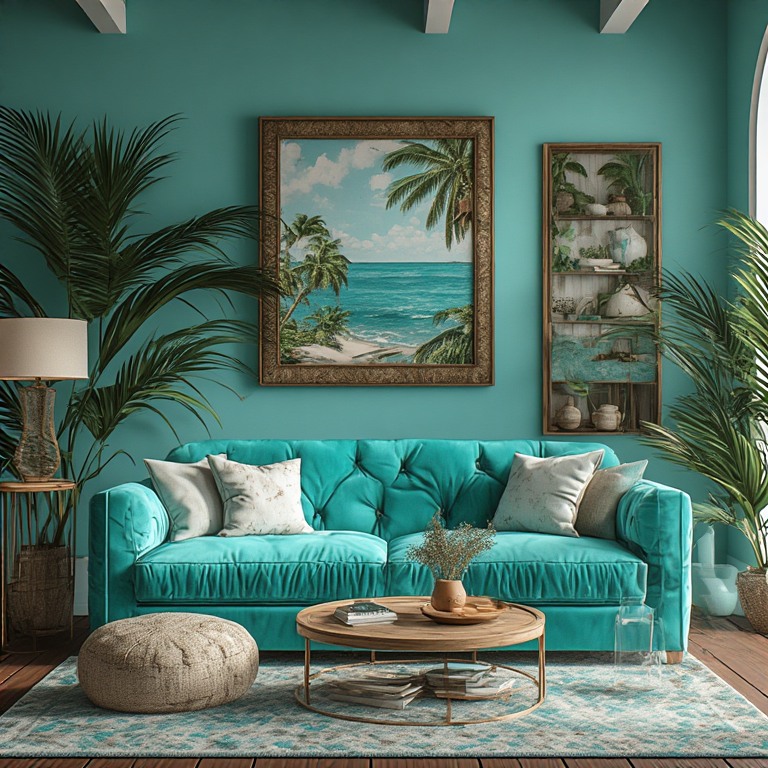
3.Brightly Colored Furniture: Bold hues such as turquoise, coral, sunny yellow, and lush green can transform any room into a lively retreat that is warm and inviting in outdoor patios, beachfront homes, or indoor living areas. Brightly colored furniture adds a cheerful touch that complements the tropical surroundings.
4. Coastal-inspired Decor:
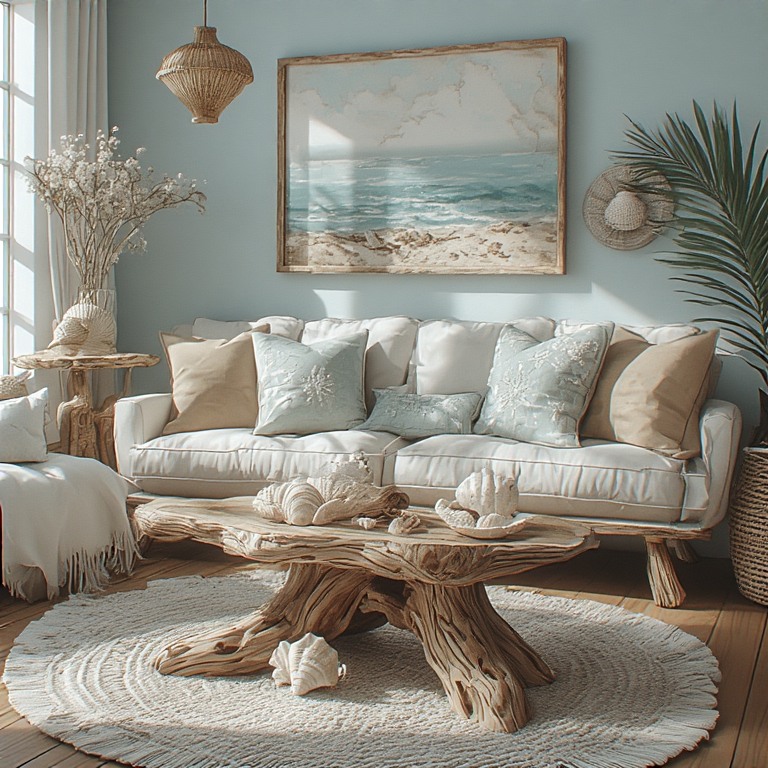
Incorporate furnishings that reflect coastal living, such as driftwood tables, seashell decor, and marine-themed accessories.

5. Outdoor Furniture:
– Since many Caribbean homes emphasize outdoor living, consider comfortable and stylish outdoor furniture that withstands humidity and salt exposure.
6. Textured Rugs:
– Use rugs made of natural fibers (jute, sisal) or vibrant outdoor rugs that can withstand moisture and add comfort to spaces.
Key Elements to Consider
– Color Palette: Emphasize bright, sun-soaked colors and tones found in nature. The palette can include vibrant blues, greens, corals, and yellows.
– Airflow and Light: Utilize light fabrics and furnishings to allow for airflow and natural light, enhancing the open, breezy feel typical of Caribbean spaces.
– Cultural Influences: Incorporate traditional Caribbean craftsmanship through artisanal decor, pottery, or woven fabrics that reflect local culture.
Conclusion:
When designing Caribbean interiors, it’s important to strike a balance between aesthetics and functionality. Choosing textiles and furnishings that reflect the region’s natural beauty and cultural richness will create inviting, warm spaces that celebrate the Caribbean lifestyle.
LATEST ARTICLES
-

10 Ideas designed for a Caribbean Tropical Home
These ideas are designed for a Caribbean tropical home, where the emphasis is on natural materials, breezy spaces, vibrant foliage, and seasonal changes that fit the local climate rather than four distinct temperate seasons. 1. Tropical Spring Refresh To create a refreshing ambiance in a Caribbean tropical home, the concept of a “Tropical Spring Refresh”…
-

How to Make Your Own Bubble Diagram
A bubble diagram in architecture is a quick, loose way of planning how spaces relate to each other before you start drawing walls, doors, or exact dimensions. Think of it as the logic underneath the floor plan. Instead of drawing a bedroom as a precise 12′ × 14′ rectangle, you draw a bubble labelled Bedroom.…
-
Remedies for Slopes, Corners & Sharp Angles
In the realms of architecture and feng shui, a significant overlap exists in their fundamental principles, despite the different terminologies used. Feng shui emphasizes the concept of “chi,” which refers to the vital energy that flows through spaces, affecting the well-being of individuals. Architects, on the other hand, focus on aspects such as circulation, sight…