

Plumbing and drainage systems are as important as structure—they quietly decide whether a house stays healthy, durable, odor-free, mold-free, and repairable, or becomes a constant source of leaks, smells, dampness, and expensive fixes. In humid, high-rain regions (like the Caribbean), they are not “services” added later. They are part of the building’s survival system.

The Core Truth (Understand This First)
Water is the most destructive force a house deals with—daily.
Plumbing controls water inside. Drainage controls water outside.
If either fails, the building suffers—slowly or suddenly.
1. WHAT PLUMBING & DRAINAGE ACTUALLY DO FOR A HOUSE
The Plumbing and Drainage system in a house plays an essential role in managing four critical flows that ensure the home remains functional and comfortable. Firstly, it facilitates the clean water supply, bringing fresh water into the house for drinking, cooking, and sanitation. Secondly, it efficiently handles wastewater, directing it away from the living spaces to prevent contamination and unpleasant odors. Additionally, the system is responsible for stormwater management, channeling excess rainwater away from the foundation to protect the structure from water damage. Moreover, moisture vapor control, while indirect, is crucial; without effective drainage, a house is vulnerable to issues akin to a boat with a weak hull, potentially leading to significant structural challenges over time.
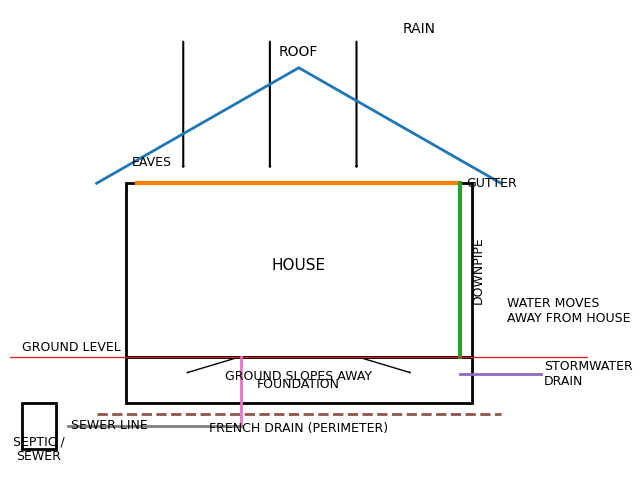
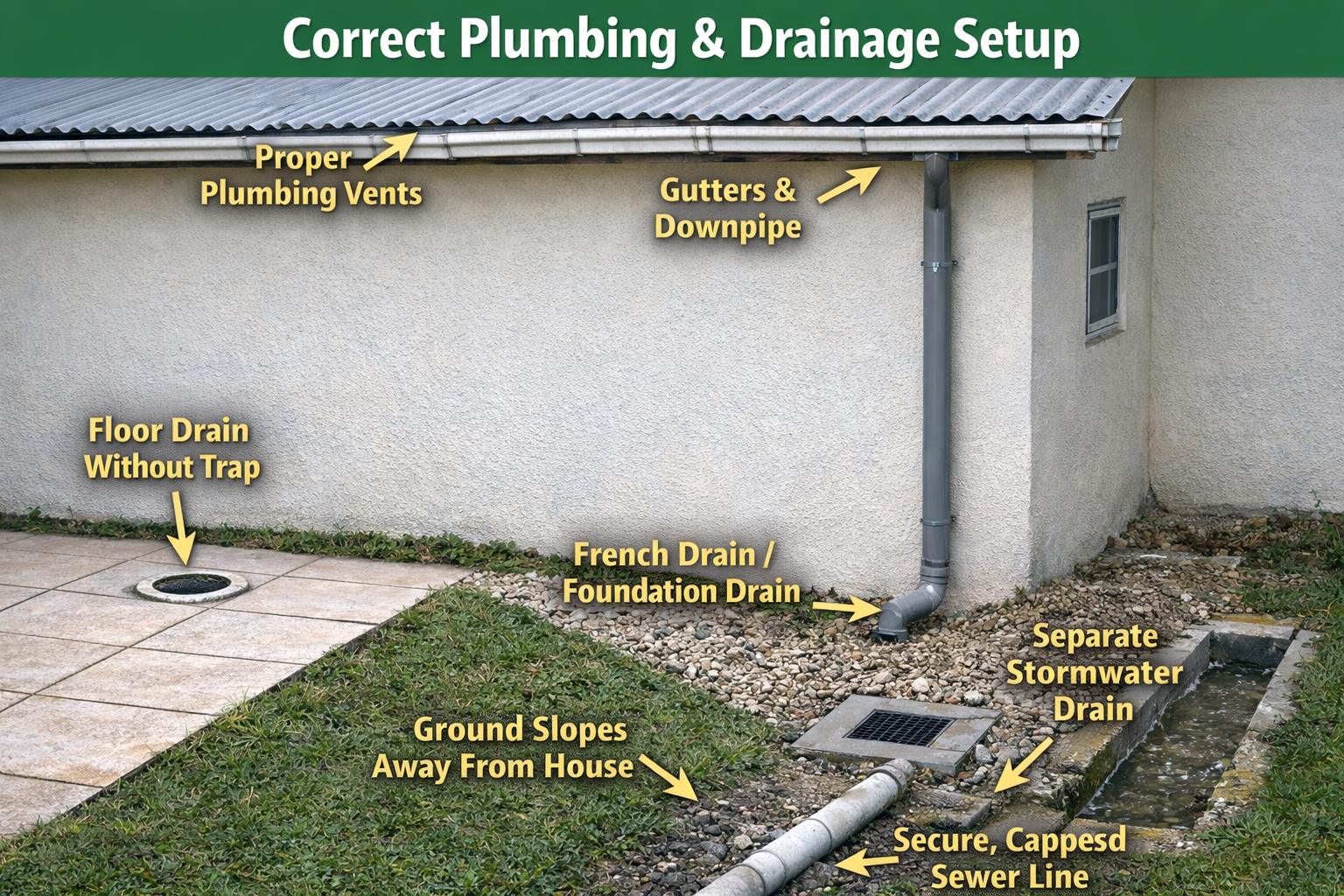
I’ll walk you through system illustrated above, the same way water actually moves.
The plumbing and drainage systems in a house play a crucial role in managing water flow and protecting the structure from damage. Starting with the roof, it acts as the first line of water control by collecting rainfall and directing it toward controlled edges, such as eaves and gutters. This design is essential because water should never fall freely next to walls or foundations; improper drainage can lead to splash-back that wets walls and allows moisture to infiltrate the foundation, causing deterioration of paint, plaster, and masonry. Eaves push water away from the walls, reducing saturation and enabling windows to remain open during rain, while gutters catch roof runoff and prevent ground erosion. In tropical climates, it is advisable to use oversized gutters and ensure secure fixings, as gutters are often the first component to fail during storms. Ultimately, a well-designed plumbing and drainage system protects a home from water-related issues, ensuring its longevity and structural integrity.
Downpipes play a crucial role in managing roof water by efficiently directing it from the roof to ground drainage systems. Their primary function is to carry rainwater quickly and directly away from the building, preventing potential water damage and erosion at the base of the walls. One critical guideline to bear in mind is that downpipes must never discharge water at the foundation of the structure, as this could lead to serious issues such as dampness or structural weakness. In effective drainage systems, downpipes connect directly to stormwater drainage rather than allowing water to flow into open soil, ensuring proper water management and safeguarding the integrity of the building.
Proper drainage around a home is crucial for maintaining its structural integrity and preventing water-related issues. One key aspect of this is ensuring that the ground level and surface sloping are managed effectively. Notice the arrows indicating that the “ground slopes away”; this is essential because surface water must flow away from the building. If the ground slopes towards the house, it can lead to pooling of water and soil saturation, which may compromise the foundation and lead to costly repairs. Therefore, a minimum rule to follow is that the ground should slope away from the house on all sides, ensuring that water is directed away from the foundation and reducing the risk of moisture-related problems. By adhering to this guideline, homeowners can protect their property from potential damage and maintain a safe and dry living environment.
The foundation zone, a crucial protected area, is designed to ensure that the foundation sits above the surrounding ground, remains clear of standing water, and is shielded by effective drainage systems. Keeping this zone dry is vital for maintaining the stability of the foundation, as it minimizes wall cracking and reduces the risk of termite infestations and mold growth.
An essential component of this system is the French drain, illustrated by a dashed line below ground. This drainage solution collects groundwater, alleviates pressure against foundation walls, and prevents soil from becoming waterlogged. It is particularly critical in the Caribbean, where heavy rains combined with clay soil can trap water without a proper French drain in place. Together, these elements work to protect the integrity of structures, ensuring their longevity and resilience against the challenges posed by the environment.
The stormwater drain, an essential component of the rainwater system, efficiently receives water from downpipes and directs it away from the house, discharging it into a soakaway, drain, or natural flow path. It is crucial to understand that stormwater is distinct from sewage; these two systems must remain separate to function properly. On the other hand, the sewer line serves the wastewater system by carrying wastewater from toilets, sinks, and showers to either a septic tank or a municipal sewer. Maintaining this separation is vital; if stormwater contaminates sewer lines during heavy rainfall, it can lead to toilet backups, health hazards, and system overloads.
When it comes to managing wastewater, proper septic or sewer connections are crucial for any property. At the far end of the system, wastewater is directed either to a septic tank or a public sewer line, depending on the local infrastructure and regulations. This connection is strategically located away from the house and any drainage paths to ensure optimal functioning and to prevent contamination of nearby water sources. By being distanced from the main living areas and drainage systems, these connections facilitate effective waste management while minimizing the risk of unpleasant odors and health hazards. Properly designed and maintained, septic and sewer systems play a vital role in safeguarding the environment and ensuring the health and safety of residents.
The Big Picture (This Is the Lesson)
A well-designed house never fights water—it guides it.
A well-designed house should never contend with water; instead, it should guide it effectively. Proper drainage design is crucial for protecting the structure, as it prevents issues such as mold and unpleasant odors that can arise from water accumulation. By implementing a thoughtful drainage strategy, homeowners can significantly extend the life of their buildings and reduce maintenance costs, ultimately improving overall comfort within the living space. Conversely, inadequate drainage design can lead to a range of problems, including cracks that are often misattributed to “bad concrete.” This oversight can create damp rooms and unpleasant smells, resulting in costly repairs d
2. STRUCTURAL PROTECTION (This Is the Big One)
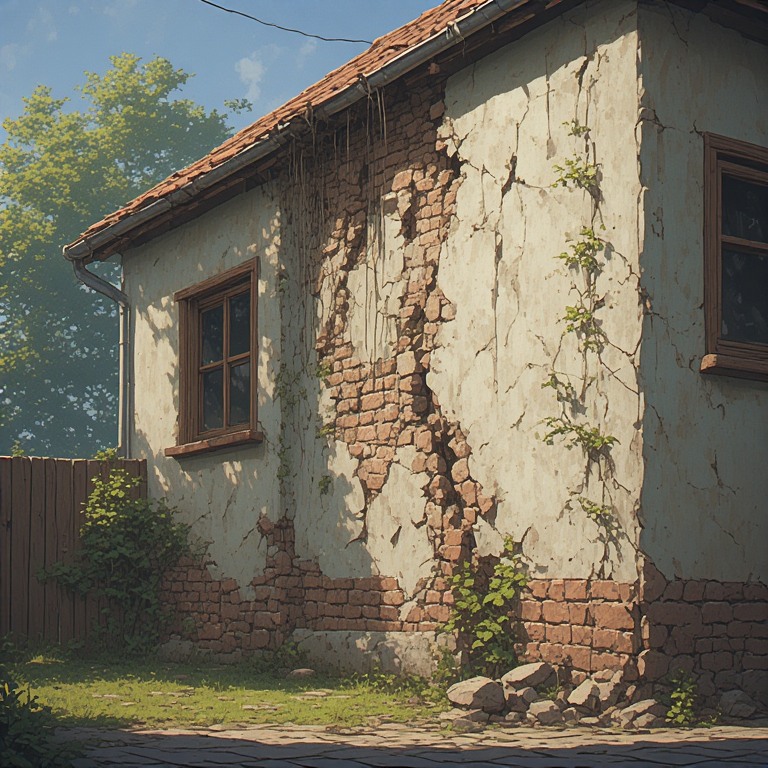
Effective drainage is crucial for protecting the integrity of structures, as it prevents soil from becoming waterlogged, which in turn maintains the bearing strength of foundations. Proper drainage systems are essential in stopping erosion and undermining, thereby reducing the risk of cracking and settlement in building materials. When drainage is poor, however, the consequences can be severe. Foundations may shift, leading to the development of cracks in walls and the heaving of slabs. Additionally, columns can become undermined, compromising the overall stability of the structure. In fact, many structural failures that are attributed to design flaws are often the result of inadequate drainage.
3. HEALTH & HYGIENE (Often Underestimated)

Health and hygiene are often underestimated aspects of a home, yet effective plumbing plays a crucial role in maintaining a healthy living environment. By safely removing waste, plumbing systems prevent the entry of harmful sewer gases and control sources of humidity that can contribute to mold growth. When plumbing is poorly maintained, it can lead to unpleasant odors from sewer gas, promote mold growth, attract insects, and contaminate indoor air. Issues such as dried-out traps, missing vents, or leaking pipes can exacerbate these problems, making bad smells noticeable and compromising the air quality we breathe. Therefore, proper plumbing is essential for a healthy home.
4. DURABILITY & LONGEVITY OF THE BUILDING
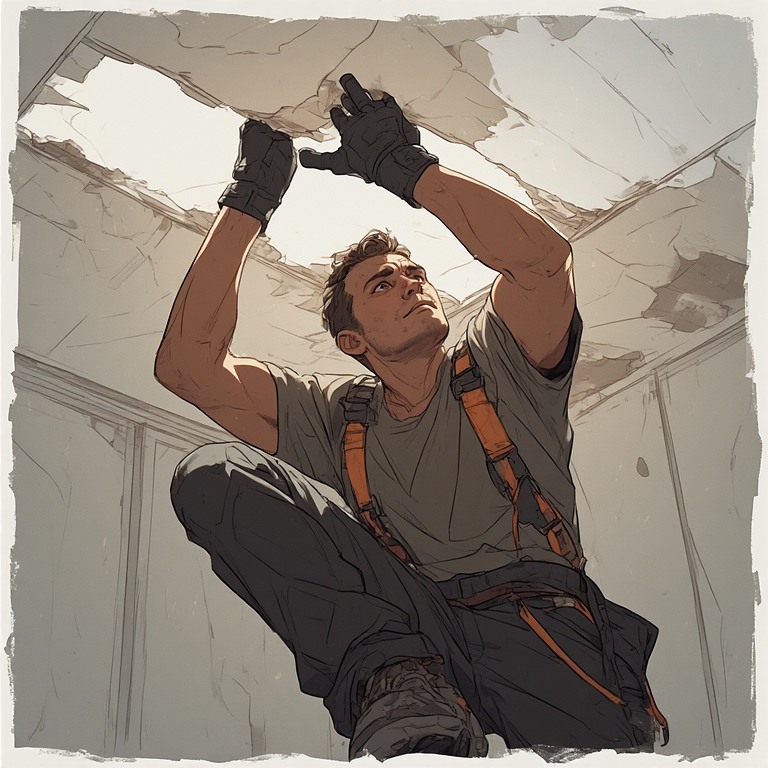
The durability and longevity of a building are crucial factors that significantly impact its overall integrity and maintenance. One of the most insidious threats to a structure is slow leaks, which can inflict extensive damage without immediate detection. These hidden plumbing failures quietly decay the house, leading to severe consequences over time. For instance, they can cause timber framing to rot, compromising the very foundation of the building. Additionally, rust can develop on steel reinforcements, further weakening the structure. As leaks persist, they can damage ceilings and finishes, creating unsightly and costly repairs. Ultimately, slow leaks can destroy cabinets and floors, leading to a cascade of deterioration that threatens the entire home. Regular inspections and proactive maintenance are vital in preventing these silent issues from becoming catastrophic failures, ensuring that the building remains safe and structurally sound for years to come.
5. COMFORT & DAILY LIVABILITY
Comfort and daily livability are significantly influenced by the quality of plumbing systems in our homes. Good plumbing systems ensure a seamless experience, providing essential features like the absence of gurgling sounds, which often indicate underlying issues. Additionally, they prevent slow drains that can disrupt daily activities and eliminate the frustrating occurrence of wet bathrooms, keeping spaces clean and hygienic. A reliable system also guards against backflow during heavy rain, protecting your home from potential water damage. Moreover, consistent water pressure enhances the overall convenience of daily tasks, from showering to washing dishes. In contrast, bad systems can make everyday life irritating and stressful, leading to constant worry about plumbing problems.
6. FLOOD & HEAVY-RAIN RESILIENCE (Critical in the Tropics)
In tropical regions, flood and heavy-rain resilience is crucial due to the frequency of intense rainfall and the potential for overflow events. Effective drainage systems must be designed to accommodate short, but intense downpours and to mitigate issues caused by blocked drains. To achieve this, several design strategies are essential. Oversized storm drains can effectively channel large volumes of water, while ensuring that the ground slopes away from the house helps direct water away from foundations. Additionally, piping roof water far from the home and establishing clear overflow paths are vital components in preventing water intrusion. Without these measures, water will inevitably find its way inside, leading to damage and costly repairs.
7. PEST AND TERMITE CONTROL (Yes—Really)

In tropical regions, flood and heavy-rain resilience is crucial due to the frequency of intense rainfall and the potential for overflow events. Effective drainage systems must be designed to accommodate short, but intense downpours and to mitigate issues caused by blocked drains. To achieve this, several design strategies are essential. Oversized storm drains can effectively channel large volumes of water, while ensuring that the ground slopes away from the house helps direct water away from foundations. Additionally, piping roof water far from the home and establishing clear overflow paths are vital components in preventing water intrusion. Without these measures, water will inevitably find its way inside, leading to damage and costly repairs.
8. COST CONTROL (NOW VS LATER)

Effective cost control in home construction or renovation is a critical aspect that should not be overlooked. The comparison between addressing drainage issues proactively versus waiting for problems to arise reveals a stark financial reality. Investing in proper drainage systems at the outset may seem like a small upfront cost, but the consequences of neglect can be severe. When drainage is inadequate, the resulting water damage can lead to extensive repairs that involve breaking slabs, walls, and floors, not to mention the potential loss of landscaping. Ultimately, water damage repairs rank among the most expensive home fixes, underscoring the importance of prioritizing cost-effective solutions now to avoid exorbitant expenses later.
9. KEY SYSTEMS EVERY HOUSE MUST HAVE
Every house must be equipped with essential systems to ensure safety, comfort, and efficiency. Inside, a well-designed plumbing system is crucial; it requires correctly sized pipes to facilitate proper water flow, alongside adequate venting, including stack vents, to prevent pressure buildup. Each fixture should have traps to block sewer gases, and accessible shutoff valves are necessary for emergencies. Additionally, utilizing leak-resistant joints can significantly reduce the risk of water damage.
Outside, effective drainage systems are equally important. Homeowners should install foundation drains or French drains to manage groundwater, ensure surface grading directs water away from the house, and implement roof water control. Proper stormwater routing and inspection access points are vital for maintaining these systems and safeguarding the home from water-related issues.
10. MOST COMMON (AND COSTLY) MISTAKES
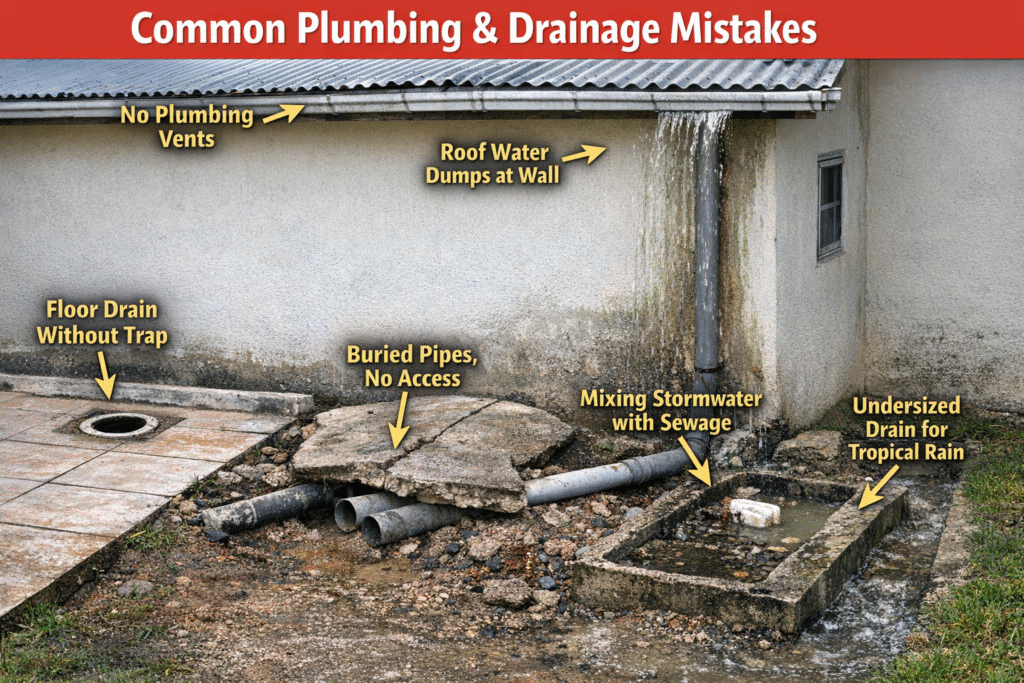
Many common plumbing mistakes can lead to significant and often costly issues over time, as they tend to fail gradually rather than presenting immediate problems. One of the most critical oversights in plumbing design is the absence of proper plumbing vents. These vents play a crucial role in maintaining the balance of air pressure within the plumbing system, ensuring that wastewater drains effectively. Without adequate ventilation, drainage can become compromised, potentially causing sewer gases to infiltrate living spaces, which poses health risks and creates unpleasant odors. Furthermore, floor drains that lack traps can exacerbate this issue by allowing foul smells to permeate the home, making for a less than inviting environment.
Another prevalent error involves the improper management of roof water, particularly when it is directed straight at exterior walls. This misstep can lead to serious foundation problems, as water accumulation around the base of a structure can weaken its integrity over time. Additionally, burying pipes without creating access points poses significant challenges for future maintenance and repairs, complicating what could otherwise be straightforward tasks. The mixing of stormwater with sewage also represents a grave concern, as it can lead to severe environmental repercussions, including contamination of local water sources. Lastly, the use of undersized drains in regions prone to heavy rainfall can result in frequent clogs and backups, creating further inconvenience and potential damage to the property. Addressing these common plumbing mistakes proactively can save homeowners both time and money in the long run.
In conclusion, the significance of effective plumbing and drainage systems cannot be overstated when it comes to safeguarding a home’s integrity and value. While structures can endure various environmental stresses such as heat, wind, and seismic activity, unmanaged water poses a far greater threat, leading to potential structural damage, health hazards, and diminished comfort for occupants. By investing in quality plumbing and drainage solutions, homeowners not only protect their investment but also enhance their living environment and ensure long-term resale value. Ultimately, prioritizing these essential systems is a proactive step towards maintaining a safe, healthy, and comfortable home for years to come.
Other Links:
LATEST ARTICLES
-

10 Ideas designed for a Caribbean Tropical Home
These ideas are designed for a Caribbean tropical home, where the emphasis is on natural materials, breezy spaces, vibrant foliage, and seasonal changes that fit the local climate rather than four distinct temperate seasons. 1. Tropical Spring Refresh To create a refreshing ambiance in a Caribbean tropical home, the concept of a “Tropical Spring Refresh”…
-

How to Make Your Own Bubble Diagram
A bubble diagram in architecture is a quick, loose way of planning how spaces relate to each other before you start drawing walls, doors, or exact dimensions. Think of it as the logic underneath the floor plan. Instead of drawing a bedroom as a precise 12′ × 14′ rectangle, you draw a bubble labelled Bedroom.…
-
Remedies for Slopes, Corners & Sharp Angles
In the realms of architecture and feng shui, a significant overlap exists in their fundamental principles, despite the different terminologies used. Feng shui emphasizes the concept of “chi,” which refers to the vital energy that flows through spaces, affecting the well-being of individuals. Architects, on the other hand, focus on aspects such as circulation, sight…
MORE ARTICLES:
-
10 Ideas designed for a Caribbean Tropical Home
These ideas are designed for a Caribbean tropical home, where the emphasis is on natural materials, breezy spaces, vibrant foliage, and seasonal changes that fit the local climate rather than four distinct temperate seasons. 1. Tropical Spring Refresh To create a refreshing ambiance in a Caribbean tropical home, the concept of a “Tropical Spring Refresh”…
-
How to Make Your Own Bubble Diagram
A bubble diagram in architecture is a quick, loose way of planning how spaces relate to each other before you start drawing walls, doors, or exact dimensions. Think of it as the logic underneath the floor plan. Instead of drawing a bedroom as a precise 12′ × 14′ rectangle, you draw a bubble labelled Bedroom.…
-
Remedies for Slopes, Corners & Sharp Angles
In the realms of architecture and feng shui, a significant overlap exists in their fundamental principles, despite the different terminologies used. Feng shui emphasizes the concept of “chi,” which refers to the vital energy that flows through spaces, affecting the well-being of individuals. Architects, on the other hand, focus on aspects such as circulation, sight…