

Feng Shui, an ancient Chinese practice, emphasizes the importance of architectural and landscape features in creating a harmonious living environment. By focusing on the arrangement of spaces, both indoors and outdoors, Feng Shui seeks to foster balance and tranquility. This philosophy advocates for thoughtful design elements that promote the flow of positive energy, or “chi,” ensuring that homes and gardens are not only aesthetically pleasing but also conducive to well-being. Elements such as the placement of furniture, the use of natural light, and the integration of nature through landscaping play crucial roles in shaping a serene atmosphere. Ultimately, Feng Shui aims to enhance the quality of life by encouraging a sense of peace and connection with one’s surroundings.
Here are 10 popular Feng Shui features you can use to enhance your living space.
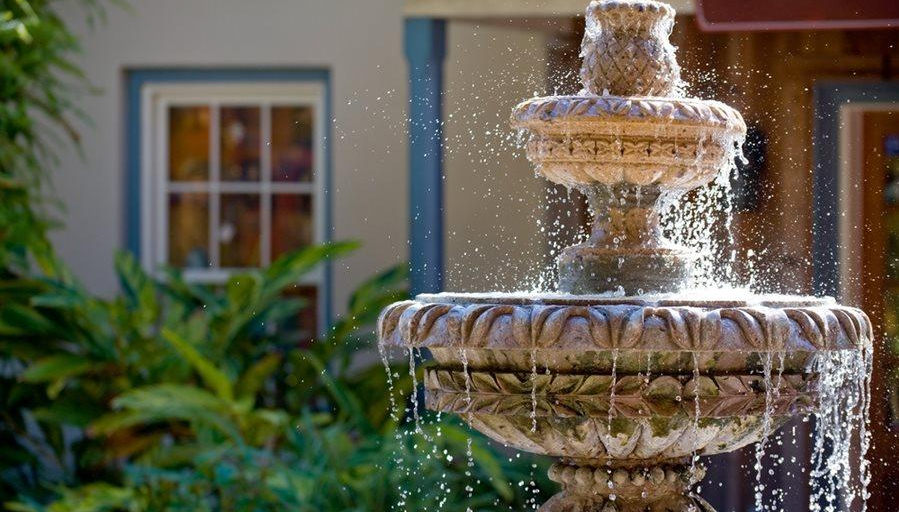
1. Water Fountain
Represents:
- Wealth
- Opportunity
- Flow of life
Flowing water symbolizes movement, abundance and renewal.
Works best when:
The water is clean, gently flowing and well maintained.
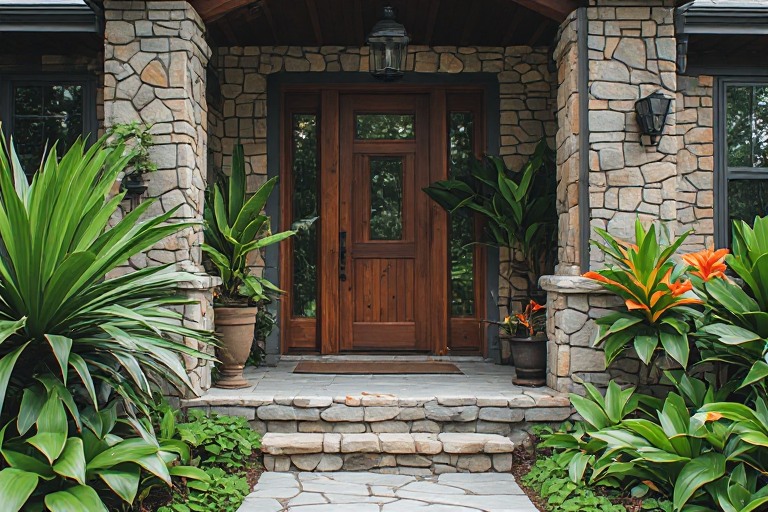
2. Welcoming Front Door
Represents:
- Opportunity
- New beginnings
- Positive energy entering the home
In Feng Shui, the front door is often called the “mouth of Chi” because it is viewed as the primary entry point for energy.
Works best when:
The entrance is uncluttered, well-lit and easy to access.
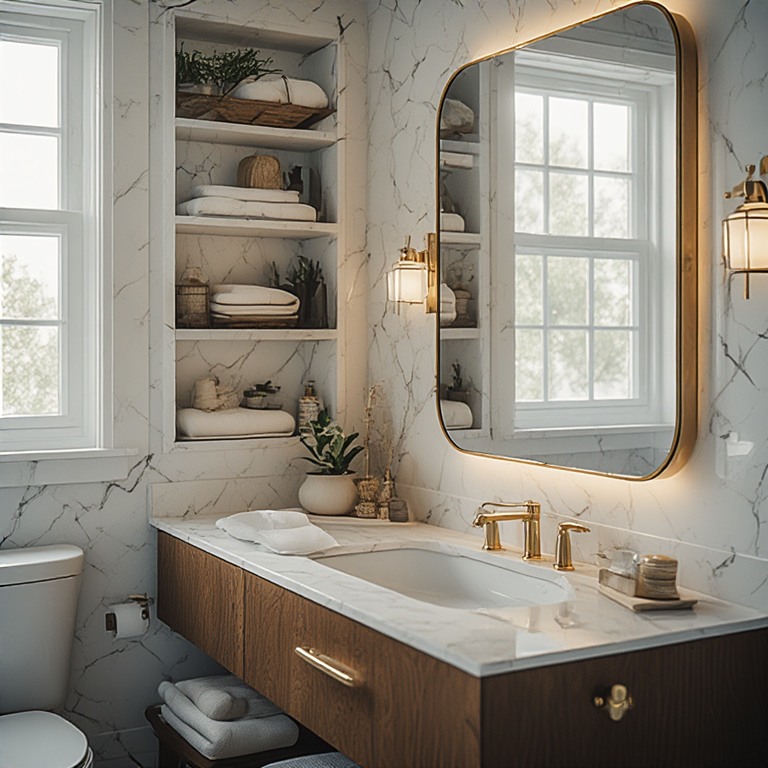
3. Mirrors
Represents:
- Expansion
- Reflection
- Increased light
Mirrors are used to visually enlarge spaces and reflect light into darker areas.
Works best when:
Reflecting gardens, attractive views or natural light rather than clutter.
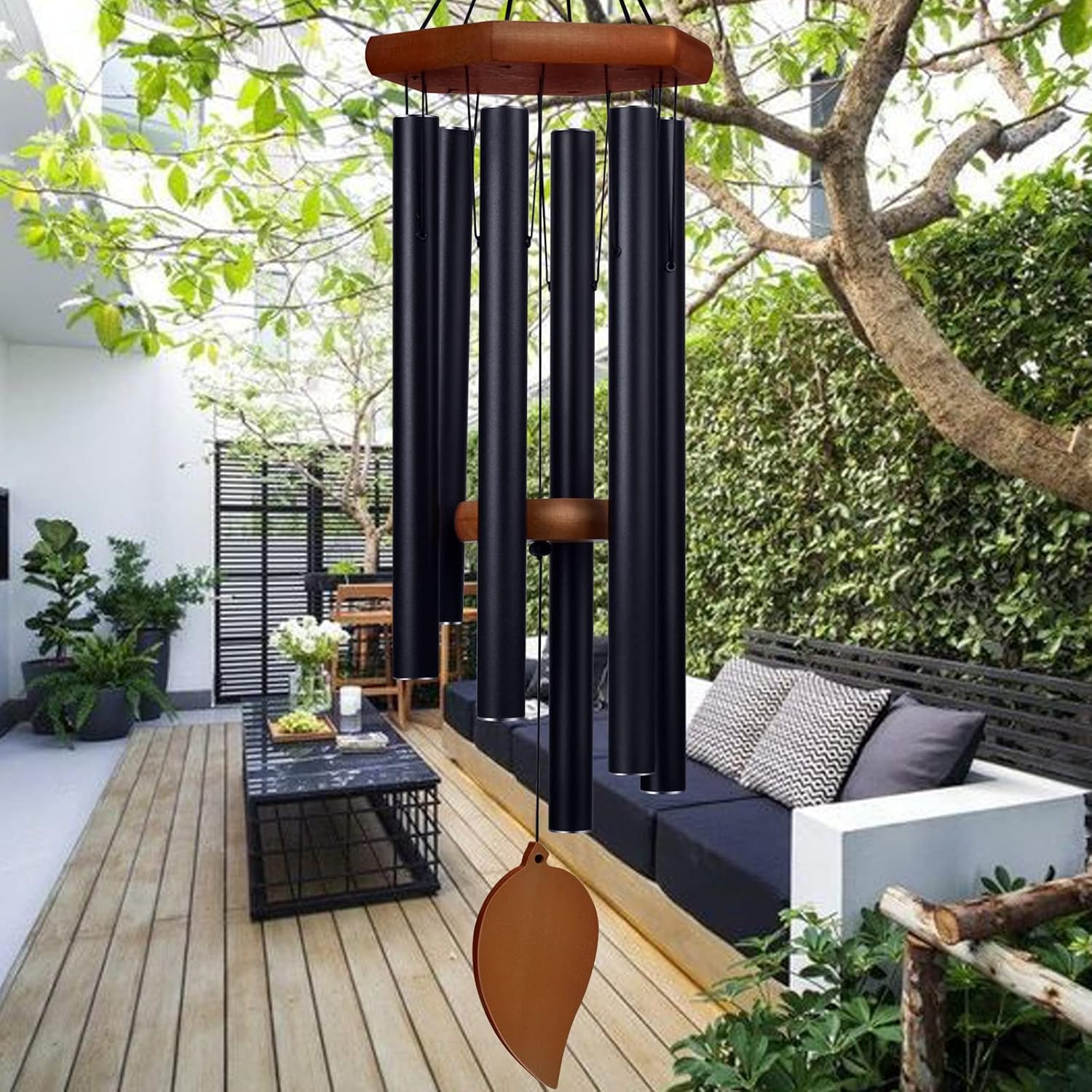
4. Wind Chimes
Represents:
- Positive movement
- Harmony
- Gentle energy
Their sound is traditionally believed to encourage a calm and uplifting atmosphere.
Works best when:
Placed where they can move naturally in the breeze without becoming intrusive.
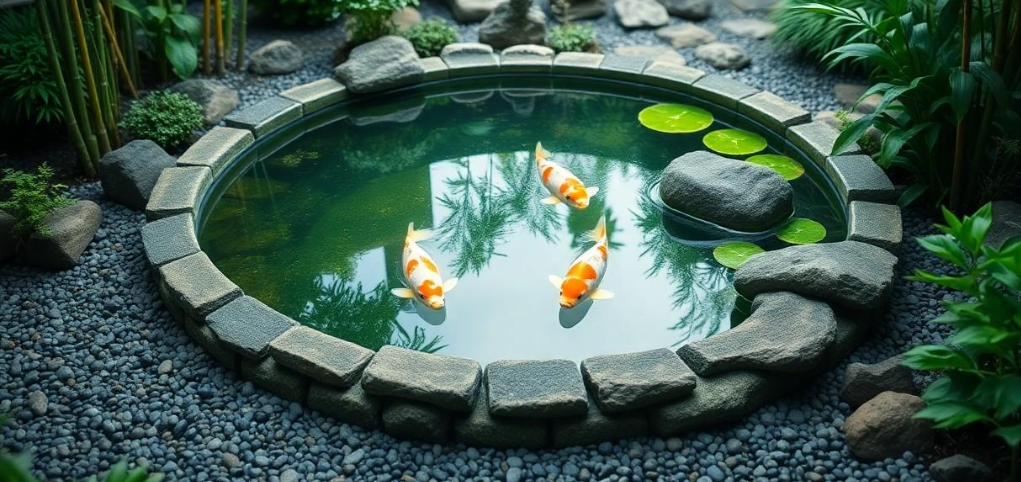
5. Koi Pond
Represents:
- Perseverance
- Prosperity
- Good fortune
Koi fish are admired for their strength and determination.
Works best when:
The pond is clean, balanced and thoughtfully integrated into the landscape.
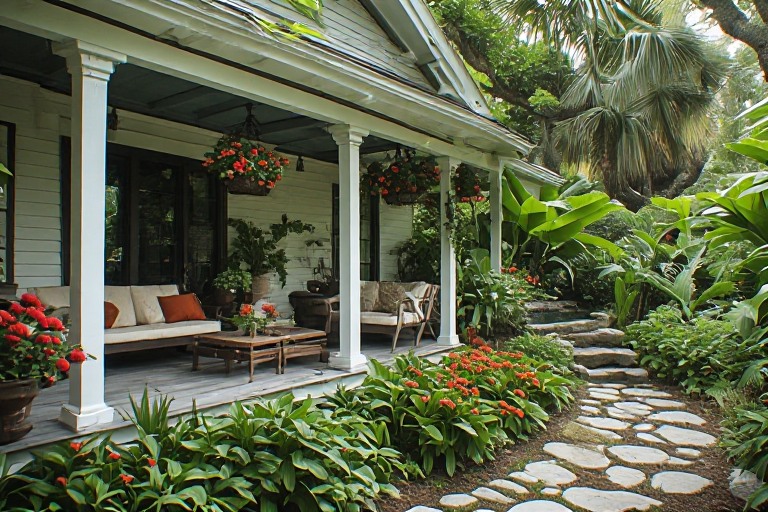
6. Natural Stone Pathways
Represents:
- Life’s journey
- Stability
- Guidance
Curved pathways are often favored because they encourage a slower, more relaxed approach through the garden.
Works best when:
The path is clear, inviting and gently winding.\
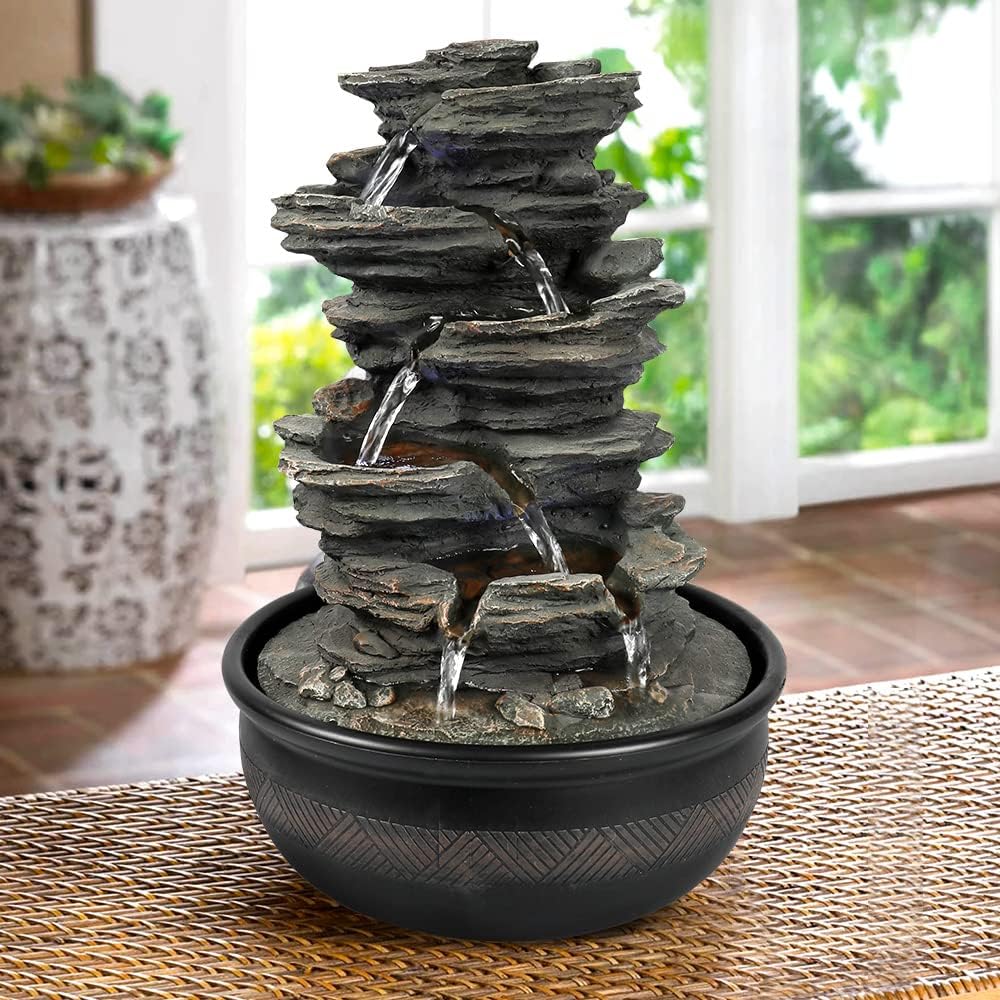
7. Indoor Water Features
Represents:
- Calmness
- Renewal
- Prosperity
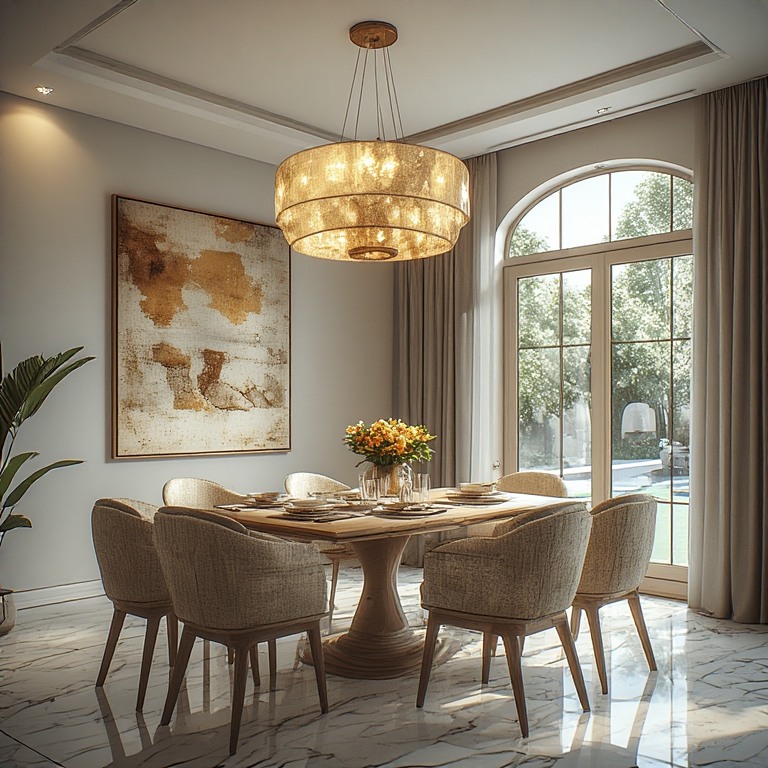
Small indoor fountains can add soothing sound and visual interest.
Works best when:
Kept clean and in good working condition.
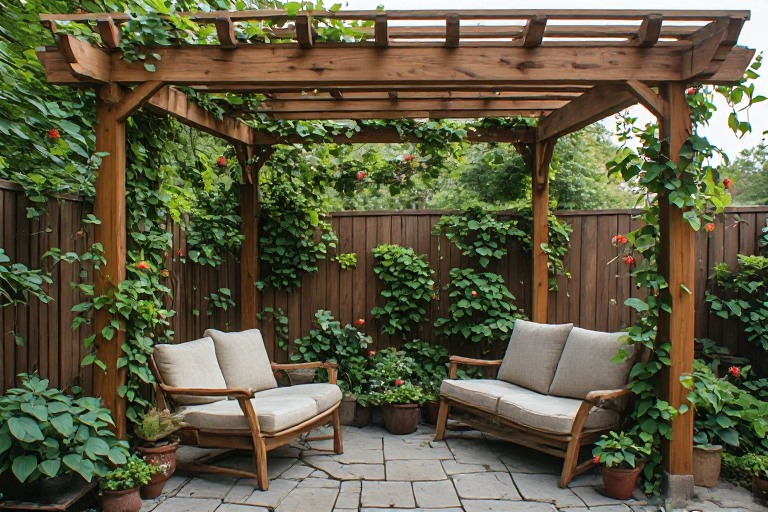
8. Pergolas and Garden Arbours
Represents:
- Shelter
- Transition
- Connection with nature
Pergolas create inviting outdoor rooms while supporting climbing plants that soften the landscape.
Works best when:
Integrated with seating areas and lush planting.
9. Warm Lighting
Represents:
- Safety
- Vitality
- Welcome
Good lighting enhances comfort and helps highlight attractive architectural features.
Works best when:
Using layered lighting rather than overly harsh illumination.
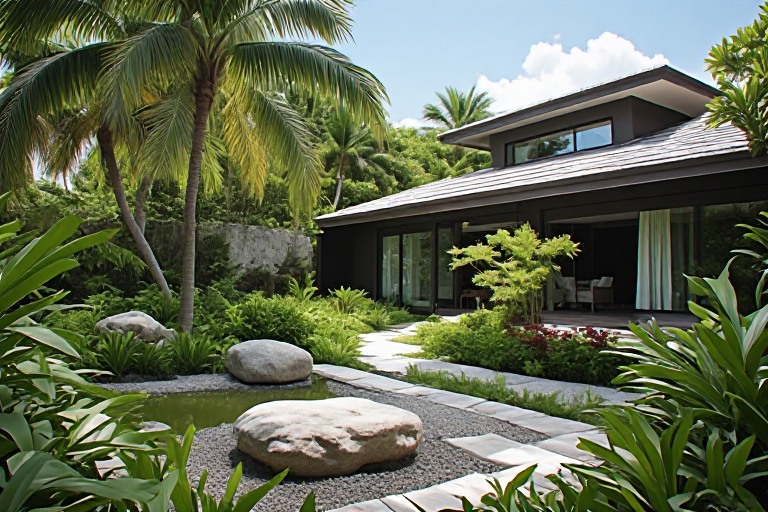
10. Zen Garden
Represents:
- Peace
- Reflection
- Simplicity
Rock gardens and carefully arranged gravel encourage mindfulness and contemplation.
Works best when:
Designed with uncluttered lines and minimal ornamentation.
How Feng Shui Is Believed to Work
Feng Shui is based on the idea that the arrangement of spaces, objects and natural elements can influence how energy (“Chi”) moves through an environment. Rather than changing luck through magic, many of its recommendations overlap with practical design principles:
- Bright, uncluttered spaces feel more welcoming.
- Natural light and ventilation improve comfort.
- Plants introduce life and softness.
- Water features add calming sounds and visual movement.
- Well-organized layouts reduce stress and improve usability.
- Thoughtful landscaping creates a stronger connection with nature.
Whether you embrace Feng Shui for its symbolism, cultural traditions or simply as a design philosophy, its principles can inspire homes that feel balanced, peaceful and enjoyable to live in.
Related Articles
-

10 Ideas designed for a Caribbean Tropical Home
-

How to Make Your Own Bubble Diagram
-
Remedies for Slopes, Corners & Sharp Angles
-
Orientation & Chi Flow