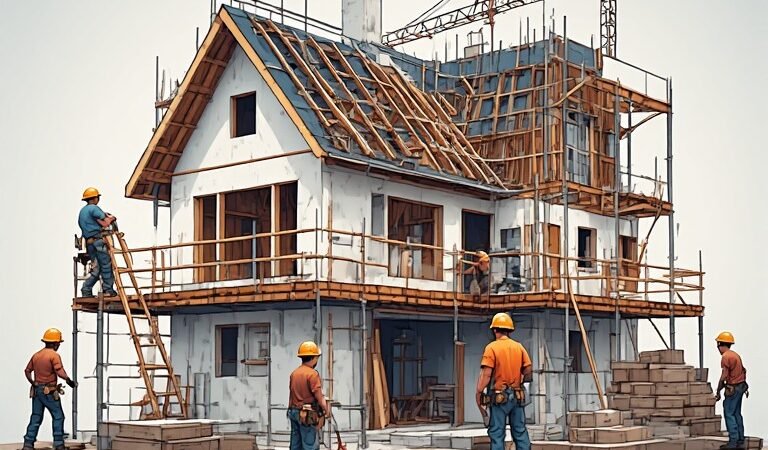
You’re building in the Caribbean. That alone means one thing: If you don’t control the money, the build will control you. Construction costs don’t explode because of one big mistake. They bleed out slowly through poor planning, emotional decisions, and “small changes.”
To ensure a successful construction outcome, it is essential to adopt a proactive approach to financial management. In this article, we will explore strategies to effectively control budgets, prioritize planning, and mitigate the risks associated with emotional spending. By implementing these practices, you can safeguard your project against unforeseen expenses and ensure that your Caribbean dream becomes a reality without financial strife. Let’s lock this down properly.
Define the Real Scope Before You Break Ground
Most overruns happen because people start building while still designing. You need:
- Final floor plan
- Structural drawings
- Plumbing layout
- Electrical layout
- Roof design
- Window schedule
- Finish schedule
If you’re still “figuring it out” while casting foundation, you will pay twice. This is the principle: No ambiguity before concrete.
Separate Your Budget Into 3 Buckets
Never run construction from one lump sum. This approach can lead to significant financial risks and challenges that may jeopardize the project’s success. Instead, it is advisable to adopt a more nuanced financial strategy that breaks down costs into smaller, manageable segments, we call this” 3 Buckets”. By doing so, project managers can monitor expenses more effectively, accommodate unforeseen changes, and adjust budgets as necessary. Emphasizing detailed financial planning and continuous assessment ensures that the construction project remains on track and within budget, ultimately leading to a smoother execution and successful completion. Here is what the Buckets look like:
Bucket 1 – Hard Construction (60–70%)
- Foundation
- Structure
- Roof
- Plumbing
- Electrical
- Windows/doors
Bucket 2 – Finishes (20–25%)
- Tiles
- Cabinets
- Paint
- Fixtures
- Lighting
Bucket 3 – Contingency (10–15%)
Non-negotiable.
Steel price jumps.
Rain delays.
Unexpected soil issues.
Supplier disappears.
If you don’t budget contingency, you’ll steal from finishes and regret it later.
Price Materials Yourself (Don’t Blindly Trust Quotes)
When undertaking construction projects in Trinidad, it’s essential to take charge of your material costs instead of relying blindly on quotes. Prices for crucial materials like blocks, steel, and cement can fluctuate significantly, impacting your overall budget. To ensure you get the best deal, contact at least three suppliers to compare prices and availability. If possible, lock in price windows to safeguard against future increases. Additionally, don’t overlook the potential savings from bulk purchase discounts that can reduce costs further. Even if you hire a contractor, it’s vital to understand your numbers; having control over your expenses translates into leverage in negotiations and project management.
Avoid Mid-Project Design Changes
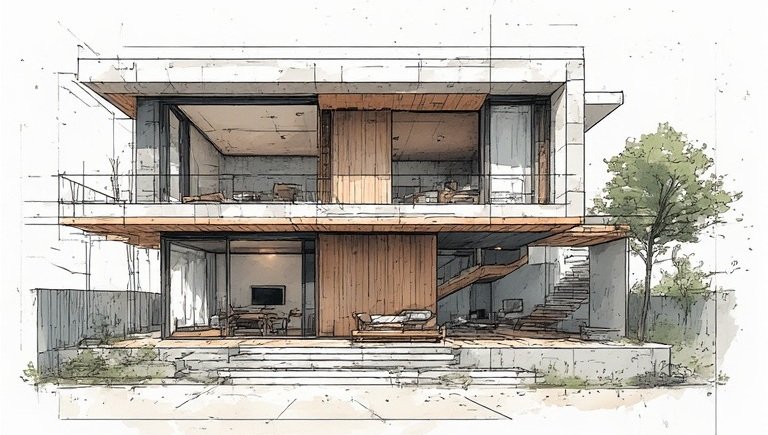
In the realm of project management, particularly in design and construction, avoiding mid-project design changes is crucial to maintaining discipline and ensuring a smooth workflow. Often, emotional impulses can disrupt this discipline, leading individuals to make decisions based on aesthetics rather than practicality. For instance, spotting a more appealing tile or deciding to alter window sizes may seem like minor adjustments, but each seemingly small change can trigger a cascade of consequences. These include the need for redesign, rework, additional labor, and inevitable delays that can derail project timelines. Therefore, a steadfast rule should be established: changes should only be implemented if they contribute to increasing structural value or enhancing long-term efficiency, rather than simply improving the visual appeal of the project. This approach not only preserves project integrity but also ensures that resources are utilized effectively, ultimately leading to a successful outcome.
Phase Strategically
If cash flow is tight:
Phase in this order:
- Foundation + Structure
- Roof + Windows (seal the building)
- Plumbing + Electrical rough-ins
- Finishes last
A sealed shell protects your investment and buys you time.
Track Every Dollar Weekly
Tracking your finances is essential for effective budgeting, and doing so on a weekly basis is far more beneficial than waiting until the end of the month. Create a straightforward spreadsheet that includes key components such as the budgeted amount, actual spending, variance, and notes. This structure allows you to monitor your spending habits closely and make timely adjustments. By evaluating your financial situation weekly, you gain a clearer understanding of where your money is going and can identify any discrepancies before they become larger issues. Waiting until the month’s end means you’re already behind, making it harder to stay on track.
👉 Link to our cost tracking Template here.
Don’t Underestimate Infrastructure
When planning any construction or renovation project, it’s crucial not to underestimate the importance of infrastructure. Many individuals often overlook essential elements such as drainage systems, septic or sewer installations, electrical service upgrades, water tanks and pumps, site grading, and retaining walls. While these components may not seem glamorous or exciting, they play a vital role in the overall functionality and longevity of a property. Ignoring these critical infrastructure aspects during the initial phases can lead to significant expenses down the line, often costing double or more to rectify. Prioritizing these foundational elements ensures a smoother, more efficient project in the long run.
Pay for Quality in Structural Items
When it comes to construction and renovation, prioritizing quality in structural items is essential. Investing in high-quality materials like steel, concrete mix, waterproofing, roofing structures, plumbing lines, and electrical wiring will ensure the integrity and longevity of your project. These elements form the backbone of any building, and skimping on them can lead to significant issues down the line, including structural failure and costly repairs. While it may be tempting to save money on cosmetic features, such as tiles and paint, these can be upgraded later without compromising the overall safety and functionality of your home. Remember, you cannot easily fix bad foundation work or subpar plumbing. Therefore, always pay for quality where it truly matters.
Plan for Climate Reality
In planning for climate reality in a tropical environment like Trinidad, several critical factors must be considered to ensure long-lasting and resilient structures. The region is characterized by heavy rain, high humidity, and, particularly for coastal areas, salt air that can significantly impact the integrity of buildings. To mitigate these challenges, it is essential to budget for features such as a proper roof pitch to facilitate effective water runoff and oversized drainage systems to handle the intense rainfall. Additionally, using treated lumber and corrosion-resistant fasteners will enhance durability against termites and environmental wear. While opting for cheaper materials might seem economical initially, it often leads to costly repairs within three to five years, making a well-informed, proactive investment crucial for long-term sustainability.
Emotional Discipline
Emotional discipline stands as the most crucial aspect of building a house. This journey often evokes feelings tied to ego, comparison, pressure, and impatience. As you navigate through the various stages of construction, it’s vital to recognize that budgeting transcends mere mathematics; it embodies the essence of restraint. The temptation to impress neighbors or friends can be strong, but the true goal lies in maintaining focus on finishing the house with integrity and strength. By honing emotional discipline, you can effectively manage these challenges, ensuring that the final result reflects not just a physical structure, but a true home built on thoughtful choices.
When we engage in discussions about building and budgeting, I want to speak directly to you, the visionary who thinks long-term. You are not merely constructing something for show; you are creating a legacy that will endure. With this in mind, it’s essential to treat the budget as a fundamental structural element of your project, much like the very foundation of a house. If the financial foundation is weak, the entire structure will feel unstable and stressful, leading to anxiety and uncertainty. Conversely, a solid financial foundation fosters a sense of calm and security, allowing your vision to flourish.