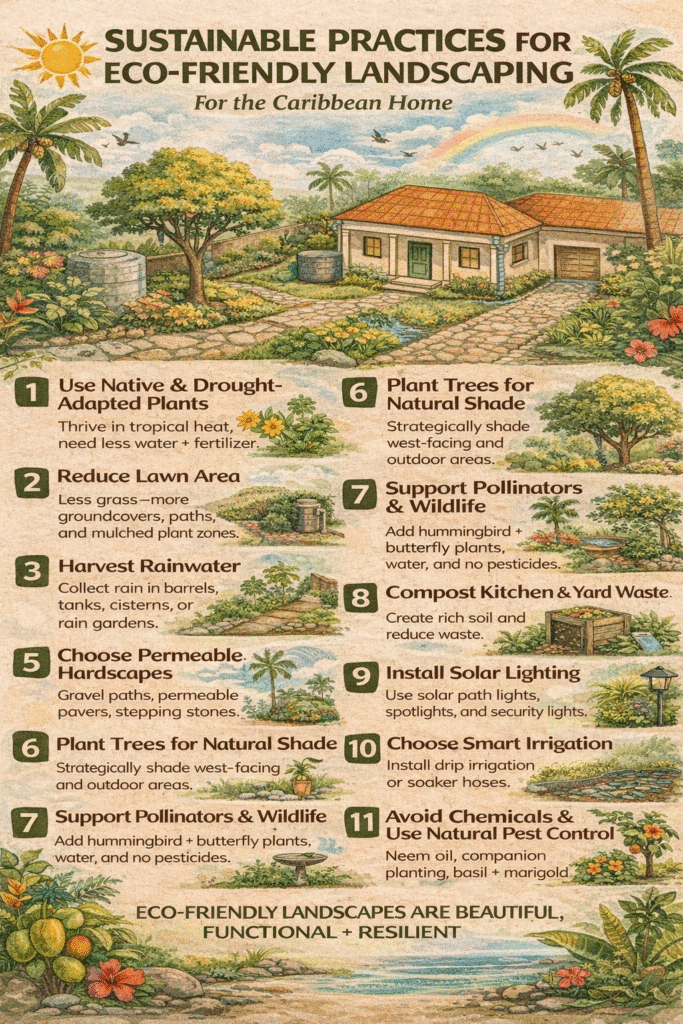

As the impacts of climate change become increasingly evident, the need for sustainable practices in outdoor spaces has never been more crucial, particularly in tropical regions like Trinidad and Tobago. This article explores practical and eco-friendly strategies tailored specifically for the unique environmental challenges of the Caribbean, such as intense rainfall, high temperatures, and the diverse ecosystems that characterize the Caribbean islands.
By implementing low-maintenance and climate-resilient solutions, homeowners and landscape designers can create outdoor environments that not only enhance aesthetic appeal but also contribute positively to the surrounding biodiversity. From selecting native plant species that thrive in the local climate to employing innovative water management techniques that mitigate erosion on hillside lots, sustainable practices can be both functional and beautiful. The following guidelines aim to inspire and empower residents of the Caribbean and tropical regions to cultivate outdoor spaces that reflect the region’s rich natural heritage while promoting ecological balance and resilience against the changing climate. By embracing these sustainable approaches, individuals can play a vital role in conserving the environment and ensuring that their outdoor spaces remain vibrant and sustainable for generations to come.
ENVIRONMENTALLY CONSCIOUS STRATEGIES FOR OUTDOOR SPACES
Tailored for the Caribbean, these actionable and straightforward approaches promote sustainability.
1. Use Native and Climate-Adapted Tropical Plants
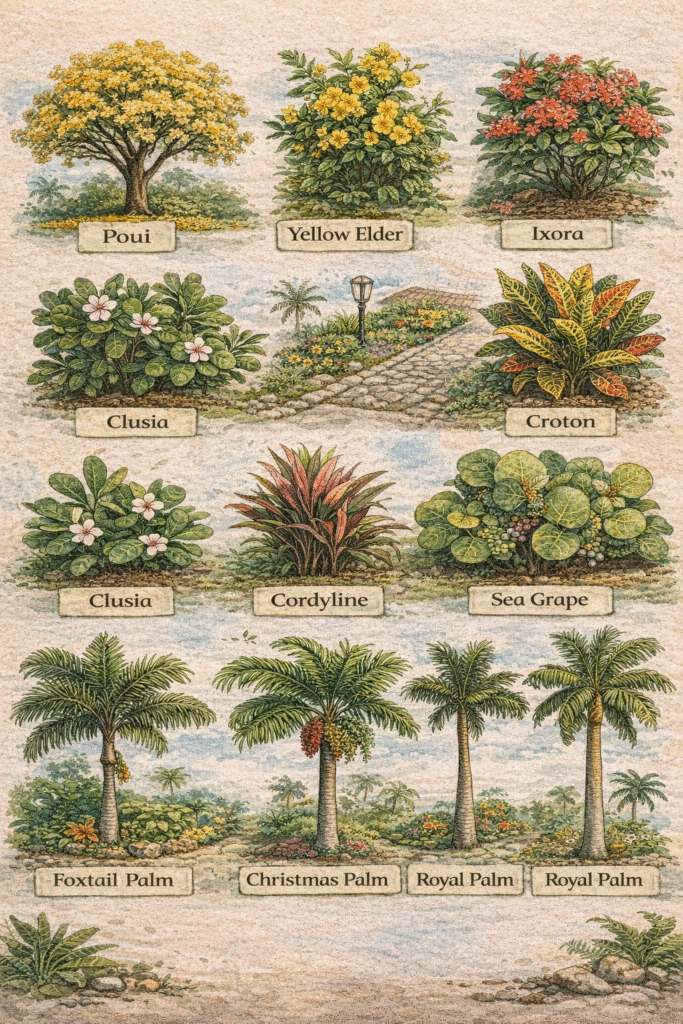
Utilizing native and climate-adapted tropical plants in landscaping and gardening offers a sustainable approach that not only enhances the beauty of outdoor spaces but also contributes to environmental conservation. Native species are inherently suited to their local ecosystems, requiring significantly less water, minimal fertilizers, and reduced maintenance efforts. By selecting hardy options such as Poui, Yellow Elder, Ixora, Croton, Clusia, Cordyline, Sea Grape, and various palm varieties like Foxtail, Christmas, and Royal palms, gardeners can cultivate vibrant landscapes that flourish with minimal intervention. These species have developed resilience against the specific climatic conditions of their regions, making them ideal choices for those looking to create low-maintenance yet stunning gardens.
The importance of incorporating these native and climate-adapted plants cannot be overstated, especially in the context of increasing environmental challenges such as climate change and resource scarcity. As these plants have evolved to thrive in conditions characterized by heat, drought, and heavy tropical rainfall, they are better equipped to withstand the fluctuations and extremes of weather patterns. By prioritizing native flora in landscaping practices, we not only support biodiversity but also promote the health of local ecosystems. This approach fosters a more sustainable relationship between our gardens and the natural environment, helping to preserve the unique beauty of tropical landscapes while reducing the ecological footprint associated with traditional gardening methods.
2. Reduce Lawn Area (Grass = High Maintenance + High Water Use)
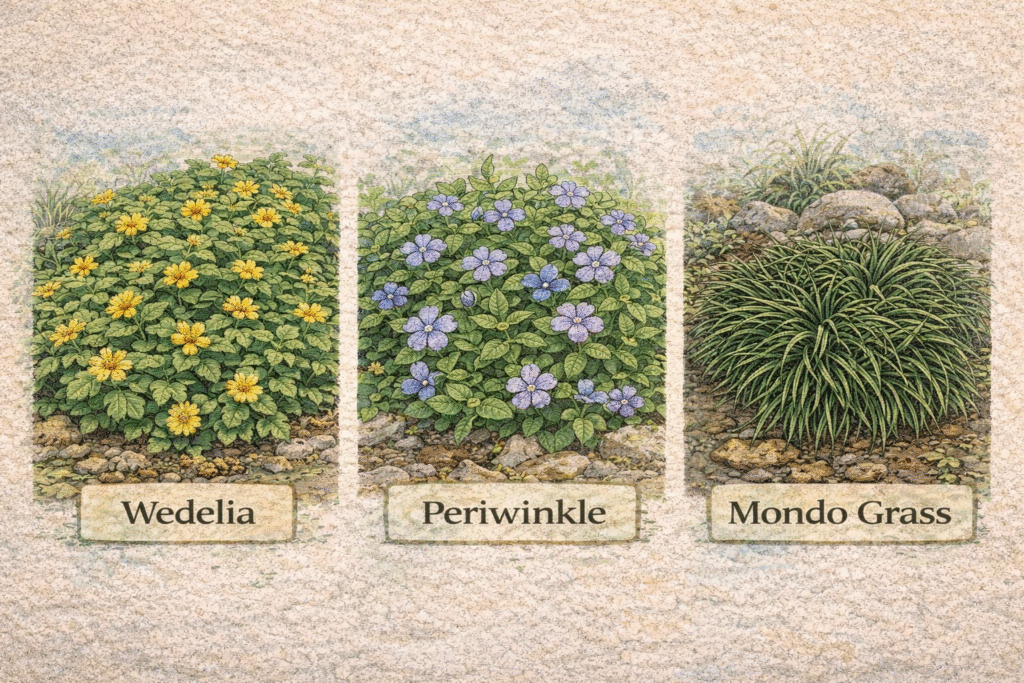
Reducing the lawn area in your landscape design can significantly alleviate the burden of maintenance while promoting environmental sustainability. Traditional grass lawns are often high maintenance, requiring extensive water, fertilizers, and regular mowing with gas-powered equipment, which can contribute to both environmental degradation and increased utility costs. By transitioning away from conventional grass lawns, homeowners can embrace a variety of alternatives that are not only aesthetically pleasing but also more sustainable. For instance, incorporating groundcovers such as Wedelia, Periwinkle, or Mondo grass can create a lush, green landscape with minimal upkeep. These plants are well-suited to thrive in various climates and require far less water and care than traditional grass, offering a practical solution for those looking to simplify their gardening routines.
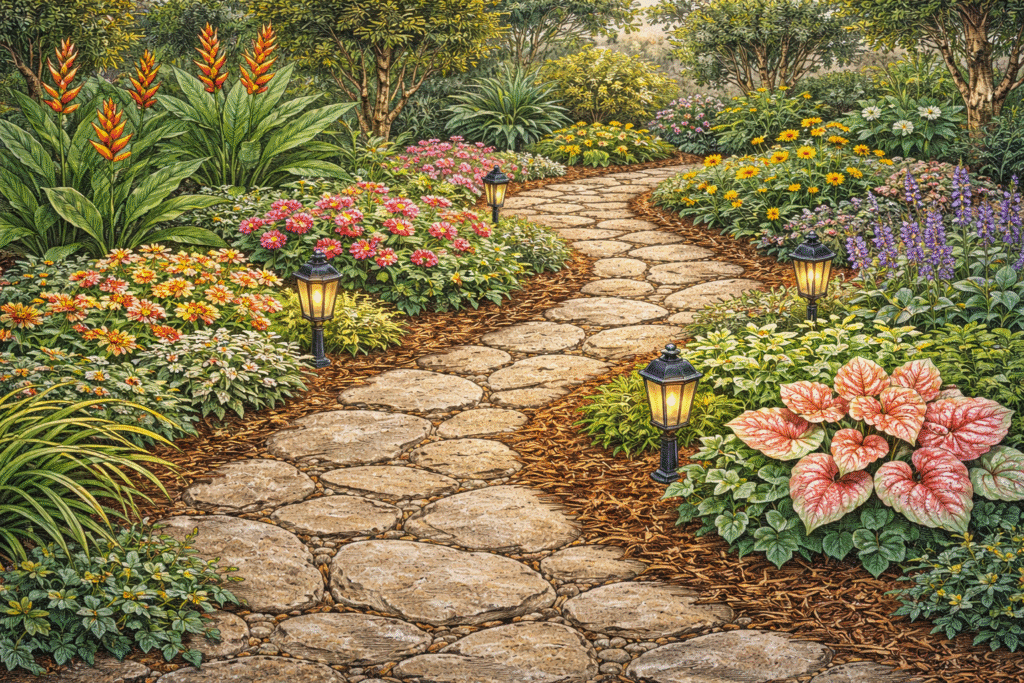
In addition to groundcovers, integrating stone pathways, mulched beds, and ornamental planting clusters can further enhance the visual appeal of your outdoor space while promoting water conservation. Stone pathways provide a durable and attractive way to navigate your garden, reducing the need for lawn areas entirely. Mulched beds not only suppress weeds but also retain moisture, which reduces the frequency of watering. Moreover, carefully selected ornamental planting clusters can add color and interest to your landscape without the relentless demands associated with grass maintenance. By adopting these eco-friendly landscaping practices, homeowners can ultimately save time, money, and precious water resources, leading to a more sustainable and enjoyable outdoor environment.
3. Harvest Rainwater
Trinidad and Tobago experiences intense rainfall throughout the year, making it an opportune location for implementing rainwater harvesting systems. By capturing and utilizing this abundant natural resource, residents can significantly reduce their reliance on municipal water supplies. Various methods can be employed to optimize rainwater harvesting, such as installing rain barrels to collect runoff from rooftops, constructing underground cisterns for long-term storage, and utilizing integrated tank and pump systems to facilitate easy access to the water. Additionally, implementing swales—landform modifications designed to slow down and redirect water flow—can effectively manage excess rainfall while minimizing erosion and runoff.
Moreover, the establishment of rain gardens can serve as an effective strategy to capture overflow and enhance local biodiversity. These strategically designed gardens not only absorb excess rainwater but also filter pollutants and provide habitats for various plant and animal species. The benefits of rainwater harvesting extend beyond mere conservation; by reducing the demand placed on the Water and Sewerage Authority (WASA), communities can contribute to the mitigation of flooding risks during heavy downpours. Overall, embracing rainwater harvesting not only fosters sustainable water management practices but also promotes resilience in the face of climate variability and urban development challenges.
4. Use Mulch to Retain Moisture & Regulate Soil Temperature
Using mulch is an effective strategy for retaining moisture and regulating soil temperature, particularly in regions that experience intense sunlight, such as the Caribbean. The scorching rays of the sun can quickly dry out exposed soil, leading to detrimental effects on plant health and growth. To mitigate this issue, selecting the right type of mulch is crucial. Some of the best options for mulching in such environments include coconut husk chips, which offer excellent moisture retention properties and a natural aesthetic. Shredded bark is another effective choice, providing not only moisture conservation but also a slow-release source of organic matter as it decomposes. Cocoa husk is favored for its pleasant aroma and ability to suppress weeds, while a light layer of grass clippings can serve as a quick, easily accessible option. Compost, rich in nutrients, not only retains moisture but also enriches the soil as it breaks down, making it an excellent choice for promoting healthy plant growth.
In addition to their moisture-retention benefits, mulches play a significant role in weed suppression and soil enrichment over time. By creating a barrier between the soil and the sun, mulch inhibits the germination of weed seeds, thereby reducing competition for nutrients and water among your plants. As the mulch decomposes, it gradually improves soil structure and fertility, contributing beneficial organic matter that enhances the soil ecosystem. This dual-purpose functionality makes mulch an invaluable component of sustainable gardening practices in the Caribbean and similar climates. Implementing a thoughtful mulching strategy not only supports the immediate needs of your garden but also fosters long-term soil health, ultimately leading to a more resilient and productive landscape.
Discover comprehensive information on the process of creating your own mulch by following this link.
5. Incorporate Permeable Hardscape Surfaces
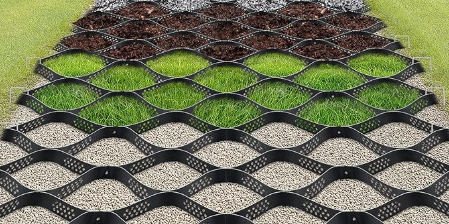
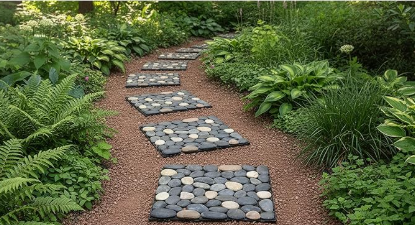
Incorporating permeable hardscape surfaces into landscape designs is an effective strategy for addressing the challenges associated with stormwater runoff. Traditional solid concrete surfaces can exacerbate runoff issues, leading to soil erosion, flooding, and the degradation of local waterways. By opting for permeable alternatives such as gravel paths, permeable pavers, stone stepping paths, and sand-set brick walkways, landscape architects and homeowners can significantly mitigate these environmental concerns. These materials are specifically designed to allow rainwater to infiltrate the ground, facilitating natural drainage processes that replenish groundwater supplies and reduce the burden on stormwater management systems.
The advantages of using permeable hardscape surfaces extend beyond mere water management. They contribute to the aesthetic appeal of outdoor spaces by providing a variety of textures and designs that can complement the surrounding landscape. Additionally, these surfaces can enhance biodiversity by fostering a healthier ecosystem. Plants and microorganisms in the soil benefit from increased moisture levels, promoting lush vegetation and preventing erosion. By integrating permeable hardscaping into landscape projects, we can create sustainable environments that not only serve functional purposes but also harmonize with the natural world, ultimately leading to more resilient and eco-friendly communities.
Affiliate links:

6. Plant for Shade to Reduce Heat Gain on the Home
One effective and aesthetically pleasing method to mitigate indoor heat gain is through strategic landscaping. By planting large canopy trees, particularly on the west side of a home, homeowners can significantly lower indoor temperatures by as much as 5 to 10 degrees Celsius. These trees act as natural barriers, absorbing sunlight and providing shade during the hottest parts of the day. In addition to large trees, incorporating shrubs around the perimeter of the house can further enhance this cooling effect. These shrubs not only provide additional shade but also create a buffer that can help to insulate the home from the heat. Moreover, the visual appeal of a well-planned landscape can contribute to the overall value and beauty of a property.
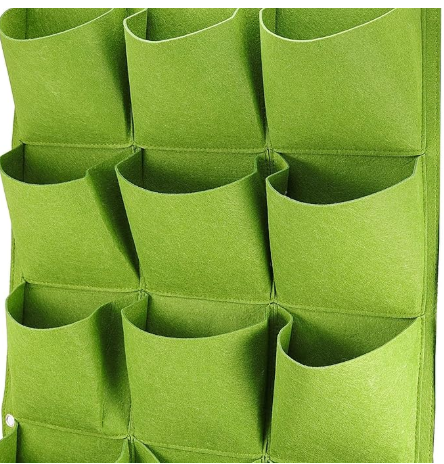
Incorporating vines on trellises and implementing living green walls are also excellent strategies for reducing heat gain. Vines can be trained to grow on structures, creating a natural shade that cools the surrounding air and surfaces. Living green walls, which consist of vegetation planted vertically, not only provide insulation but also improve air quality and contribute to the aesthetic charm of a building. Together, these landscaping techniques can lead to significant energy savings by reducing reliance on air conditioning systems, ultimately enhancing the comfort of indoor spaces. In an era where energy efficiency and sustainability are increasingly prioritized, such green initiatives not only promote environmental responsibility but also improve the overall quality of life for residents.
Affiliate Links:
7. Support Pollinators and Wildlife
Supporting pollinators and wildlife is crucial for maintaining the rich biodiversity that Trinidad and Tobago (T&T) and the Caribbean are known for. To design spaces that harmonize with this vibrant ecosystem, it is essential to incorporate a variety of plants that attract and sustain pollinators. For example, hummingbird plants such as Hamelia, Jatropha, and Hibiscus not only add aesthetic appeal to gardens but also provide essential nectar sources for these remarkable birds. Similarly, the inclusion of butterfly plants like Milkweed and Lantana can create inviting environments that foster the growth and survival of butterfly populations. By integrating these species into landscaping designs, we can contribute to a flourishing ecosystem that benefits both wildlife and our communities.
In addition to planting strategically, it is vital to create features that support wildlife, such as bird baths and small ponds with circulating water. These elements not only serve as essential hydration sources for birds and other animals but also enhance the ecological balance of the area. Furthermore, adopting a no-pesticide approach is imperative to safeguard the health of pollinators and the broader ecosystem. By cultivating eco-friendly spaces that prioritize biodiversity, we can establish healthy micro-ecosystems that thrive naturally. This commitment to supporting pollinators and wildlife not only enriches our landscapes but also promotes sustainable practices that benefit future generations.
8. Composting and Soil Regeneration
Composting is an environmentally friendly practice that transforms kitchen scraps, garden waste, and other organic materials into nutrient-rich soil. By engaging in composting, individuals contribute significantly to reducing the amount of organic waste that ends up in landfills. This not only helps mitigate the environmental impact of waste disposal but also addresses the pressing issue of landfill overcapacity. Additionally, composting fosters a circular economy by recycling nutrients back into the soil, thereby promoting sustainable gardening and agriculture. Even a small rotating composter can yield impressive results, allowing urban dwellers and those with limited space to participate in soil regeneration efforts.
The benefits of composting extend beyond waste reduction; it also plays a crucial role in enhancing soil health. The rich organic matter produced through composting improves soil structure, promotes water retention, and provides essential nutrients that support plant growth. This natural approach reduces the reliance on synthetic fertilizers, which can have detrimental effects on both the environment and human health. By enriching the soil with compost, gardeners can cultivate more resilient plants that are better equipped to withstand pests and diseases. In essence, composting is not only a practical solution for waste management but also a vital practice for fostering sustainable ecosystems and promoting ecological balance in our communities. (Discover comprehensive information on the process of creating your own compost at home by following this link).
9. Use Solar Lighting Outdoors
Using solar lighting outdoors is an excellent choice for homeowners in the Caribbean, where ample sunlight can be harnessed to enhance both safety and aesthetics in outdoor spaces. Solar pathway lights, spotlights, and security lights are particularly effective in this region due to their ability to operate independently of traditional electrical systems. This means that homeowners can enjoy beautifully illuminated pathways and gardens without the need for complex wiring or the associated installation costs. The simplicity of solar lighting not only adds to the convenience of outdoor lighting solutions but also makes it an attractive option for those looking to minimize disruptions during installation.
Moreover, the energy efficiency of solar lighting contributes significantly to reduced energy costs. Once installed, solar lights rely on sunlight to recharge their batteries, effectively eliminating ongoing electricity expenses. Many solar lighting systems come equipped with automatic operation features, such as dusk-to-dawn sensors, ensuring that they activate at night and turn off during the day without any manual intervention. This automatic functionality not only enhances user convenience but also provides an added layer of security, as well-lit outdoor areas deter potential intruders. Overall, investing in solar lighting is a sustainable and cost-effective solution that aligns perfectly with the environmental ethos of the Caribbean, making it an ideal choice for both residential and commercial properties.
10. Irrigate Smarter (Not More)
When it comes to optimizing water usage in irrigation, adopting a smarter approach rather than simply increasing water application is essential for both sustainability and efficiency. Traditional sprinklers can often lead to significant water waste, as they may oversaturate certain areas while leaving others parched. By selecting alternative irrigation methods such as drip irrigation and soaker hoses, gardeners and agricultural producers can deliver water directly to the plant roots where it is needed most. Drip irrigation systems operate by using a network of tubing and emitters, allowing for precise control over water delivery, which not only conserves water but also promotes healthier plant growth. Similarly, soaker hoses, which release water slowly along their length, can effectively irrigate garden beds without the risk of runoff, ensuring that every drop counts.
In addition to choosing efficient irrigation methods, implementing advanced technologies such as rain-based watering schedules and moisture sensors can further enhance water conservation efforts. Rain-based watering schedules take into account local weather conditions, automatically adjusting irrigation frequency based on recent rainfall, thereby preventing unnecessary watering during wet periods. On the other hand, moisture sensors provide real-time data on soil moisture levels, enabling users to water only when plants truly need it. By integrating these smart irrigation technologies, individuals can not only reduce their overall water usage but also contribute to more sustainable water management practices, ensuring that precious resources are preserved for future generations. Making informed choices in irrigation techniques is not only beneficial for the environment but also cultivates a healthier landscape and promotes responsible stewardship of our natural resources.
11. Preserve Existing Trees & Slopes During Construction
In the realm of construction and land development, it is all too common for builders to clear large swathes of land, often without a thorough assessment of the ecological and economic ramifications. However, preserving existing trees and natural slopes during construction is not only a responsible practice but also a highly beneficial one. Mature trees offer a multitude of advantages, including significant cost savings in landscaping. The investment in mature trees can translate into thousands of dollars saved, as they eliminate the need for extensive planting and immediate irrigation systems. Additionally, these trees provide instant shade, which not only enhances the aesthetic appeal of the property but also contributes to energy efficiency by lowering cooling costs in nearby structures.
Moreover, the preservation of existing trees and slopes plays a crucial role in maintaining soil structure and health. Trees act as natural stabilizers for the soil, reducing the risk of erosion, which can be exacerbated by construction activities. When land is cleared indiscriminately, it can lead to detrimental impacts on the surrounding ecosystem, including loss of biodiversity and disruption of natural water drainage patterns. By keeping the land working in harmony with the existing landscape, builders can promote sustainable development practices that benefit both the environment and the community at large. Therefore, it is imperative for construction teams to incorporate tree and slope preservation strategies into their planning and execution phases, ensuring that the integrity of the land is maintained while still achieving the project’s goals.
12. Use Local, Sustainable Materials
When undertaking construction or renovation projects, the choice of materials plays a crucial role in both environmental sustainability and community support. Utilizing local, sustainable materials such as Trinidad blue limestone and ethically sourced river stones not only minimizes the carbon footprint associated with transportation but also enhances the aesthetic appeal of your project by incorporating unique, region-specific elements. Furthermore, materials like bamboo and coconut timber present an excellent alternative to traditional lumber, as they are renewable resources that grow rapidly and require less energy to harvest and process. By opting for reclaimed bricks and local hardwoods that have been ethically harvested, you can ensure that your building practices align with principles of sustainability while also preserving the rich history and character of the local area.
Moreover, selecting local materials fosters economic growth within the community by supporting local artisans and craftsmen who are dedicated to sustainable practices. This approach not only strengthens the local economy but also helps create a sense of pride and ownership among residents, as they see their community’s resources and talent being valued and utilized. By choosing to invest in local, sustainable materials, you contribute to a more environmentally friendly construction process and reinforce the significance of community ties. In doing so, you not only create a beautiful and functional space but also become part of a larger movement toward sustainability and responsible consumption within the building industry.
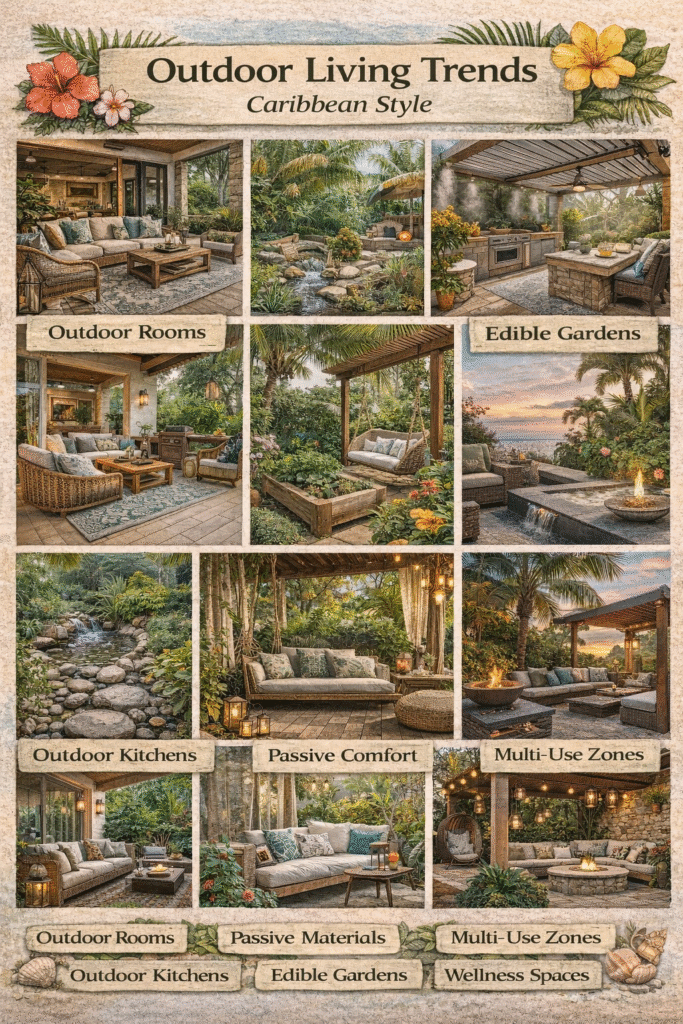
13. Create Multi-Use Outdoor Spaces
Creating multi-use outdoor spaces is an essential approach to modern landscape design, where every element serves a dual purpose to maximize utility and aesthetic appeal. By integrating food and ornamental gardens, for instance, we not only enhance the visual charm of the environment but also promote sustainability through the cultivation of edible plants. Incorporating rain gardens alongside seating areas further exemplifies this concept; these features not only manage stormwater runoff effectively but also provide inviting spots for relaxation and social interaction. The strategic placement of play areas nestled among shade trees offers children a safe environment to explore and engage in physical activity, while simultaneously creating a peaceful retreat for adults seeking refuge from the sun.
In addition, incorporating herbs along walkways not only enhances the sensory experience of the space—inviting visitors to enjoy fragrant aromas and vibrant colors—but also serves practical culinary purposes, making fresh ingredients readily accessible for cooking. By focusing on functional spaces that consolidate multiple uses, we can eliminate unnecessary construction and reduce environmental impact, positioning these outdoor areas as integral components of community life. This thoughtful design philosophy encourages a harmonious relationship between nature and human activity, fostering a vibrant, inclusive atmosphere where people can gather, relax, and engage with their surroundings.
14. Avoid Chemicals & Use Natural Pest Control
When it comes to managing pest issues in agricultural and gardening practices, the reliance on heavy chemical pesticides has raised significant concerns regarding environmental sustainability and health safety. To mitigate these risks, it is advisable to explore alternative methods that harness the power of nature. One effective approach is the use of neem oil, a natural pesticide derived from the seeds of the neem tree. Neem oil not only targets a wide range of pests but also poses minimal harm to beneficial insects, thereby maintaining the ecological balance. Additionally, soap sprays can be utilized to suffocate soft-bodied insects, offering a non-toxic solution that is both effective and easy to apply. These alternatives present a safer choice for gardeners and farmers alike, ensuring that the soil remains healthy and free from harmful chemical residues.
Incorporating companion planting into pest management strategies can also yield significant benefits. By strategically pairing certain plants, such as basil and marigold, gardeners can create a natural deterrent for pests. For example, marigolds are known to repel nematodes and other harmful insects, while basil can deter flies and mosquitoes. This method not only enhances pest control but also encourages biodiversity by fostering a more balanced ecosystem. By embracing natural pest control techniques, we protect not only our crops but also the surrounding wildlife and the well-being of our pets. Ultimately, these practices contribute to sustainable agriculture and a healthier environment, aligning with the growing movement toward eco-friendly gardening and farming solutions.
15. Build with Future Climate Resilience in Mind
Building with future climate resilience in mind is imperative for the Caribbean, a region increasingly vulnerable to the impacts of climate change. The Caribbean faces a multitude of climate-related challenges, including heavier rainfall events, prolonged dry spells, and intensified solar radiation. These environmental shifts not only threaten the local ecosystems but also jeopardize the region’s agricultural productivity, water resources, and overall economic stability. As such, it is crucial for urban planners, architects, and policymakers to adopt a forward-thinking approach that prioritizes sustainability and resilience in their designs and infrastructure improvements.
To effectively address these challenges, a multifaceted strategy should be implemented that incorporates drought-tolerant plant species in landscaping projects to conserve water resources while enhancing biodiversity. Additionally, the construction of larger storm drains and overflow zones will be essential to mitigate flooding during heavy rainfall, ensuring that urban areas can manage excess water efficiently. Furthermore, incorporating wind-resistant trees into urban green spaces not only provides natural windbreaks but also contributes to the overall aesthetic and environmental quality of the region. By proactively planning for these climate-related scenarios, stakeholders can help safeguard the Caribbean’s future, promoting a sustainable environment that withstands the increasingly volatile weather patterns.
Conclusion
In conclusion, adopting practical and sustainable practices tailored for the unique environmental conditions of Trinidad and Tobago can significantly enhance the resilience and ecological integrity of our outdoor spaces. By focusing on native plant species, efficient water management techniques, and sustainable materials, we create low-maintenance landscapes that not only thrive in the tropical climate but also support local biodiversity. These strategies contribute to a more sustainable future, ensuring that our outdoor environments remain vibrant and functional amidst the challenges posed by climate change. Embracing these eco-friendly approaches will not only benefit our immediate surroundings but also foster a deeper connection to the rich natural heritage of the Caribbean.