

In the realm of interior design, particularly within the context of a Caribbean home, the selection of artwork and cultural accents serves as a vital component that transcends mere decoration. Rather than approaching the adornment of your living space with a haphazard mindset, it is essential to adopt a deliberate and thoughtful strategy. A well-curated selection of art and cultural elements not only enhances the aesthetic appeal of a home but also reinforces a sense of identity and connection to the surrounding environment. This is particularly pertinent in Caribbean homes, where the vibrant heritage, rich traditions, and natural beauty of the region can be celebrated through intentional design choices. By integrating meaningful artwork and cultural accents, homeowners can create spaces that evoke feelings of restoration and tranquility, fostering a deep-rooted sense of belonging.
This article presents guidelines for selecting artwork and accents that resonate with cultural significance, promoting an atmosphere that is both inviting and reflective of the Caribbean ethos. Whether you are seeking pieces that tell a story or accents that evoke the region’s lively spirit, understanding the importance of intentionality in your choices will lead to a harmonious and culturally grounded home.
Here’s how to approach it properly.
1️⃣ Start With Emotional Function — Not Just Decoration
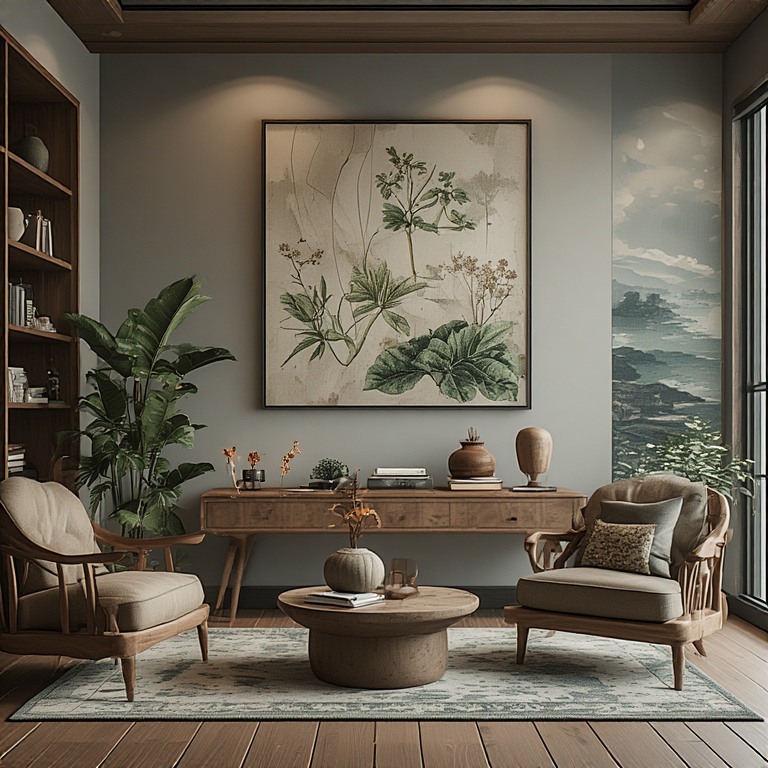
When selecting artwork and cultural accents for a space, it is essential to prioritize the emotional function over mere decoration. Consider what feeling you want to evoke in the room—whether it’s calm, power, heritage, celebration, or stillness. Artwork plays a crucial role in establishing this emotional tone more swiftly than furniture can. For example, if the desired ambiance leans towards a “retreat-like” serenity, it’s best to avoid loud, chaotic visuals. Instead, opt for soft Caribbean landscapes, abstract works with natural tones, or minimal cultural motifs that provide breathing space. Ultimately, choose art that resonates with the emotional architecture of the room rather than simply its geographic origin.
2️⃣ Respect Cultural Authenticity
In a Caribbean home, cultural accents should feel rooted — not touristy. Examples of Authentic Cultural Anchors: Vintage cricket imagery (subtle, not kitsch), Botanical studies of poui, hibiscus, breadfruit, Old market scenes, Folk instruments (steelpan silhouettes, tassa drum art), Architectural sketches of gingerbread homes . Avoid: Over-commercial beach clichés, Mass-produced generic “tropical” art, Oversaturated palm tree prints everywhere. Authenticity feels quiet and confident.
3️⃣ Match Scale to Space
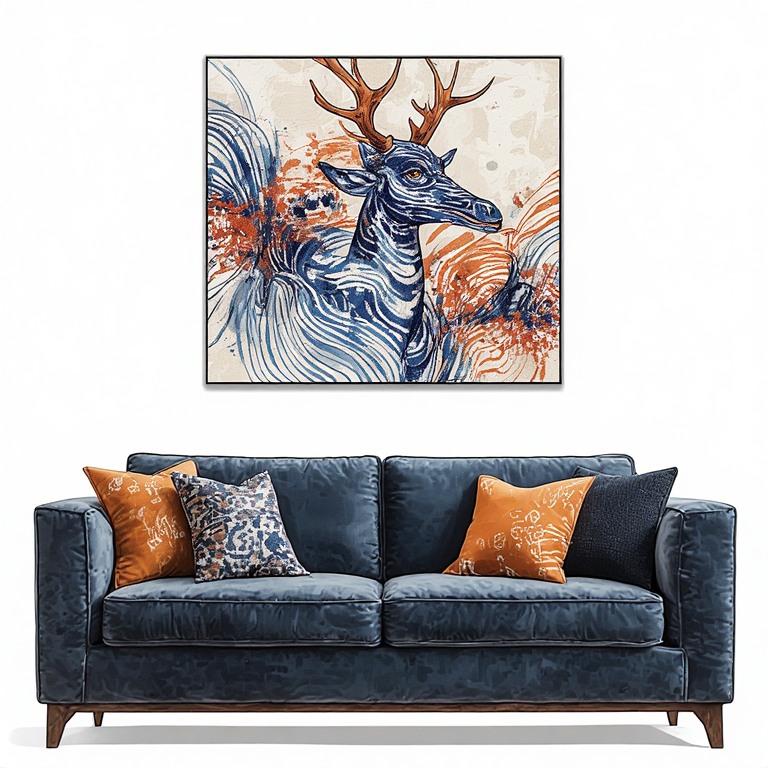
When selecting artwork and cultural accents for your space, matching the scale of the art to the dimensions of the room is crucial, and this is where many people often go wrong. For a large wall, consider using a bold statement piece that can command attention and create a focal point. In contrast, a small wall benefits from a carefully curated trio of smaller pieces that can create visual interest without overwhelming the space. For narrow hallways, vertical artwork can enhance the sense of height, while art above a sofa should ideally be 60–75% of the sofa’s width to maintain proportion. Tiny art on a big wall can appear insecure, while oversized pieces in a small room may feel oppressive, so achieving the right proportion is key to conveying authority and harmony in your decor.
4️⃣ Coordinate With Natural Materials
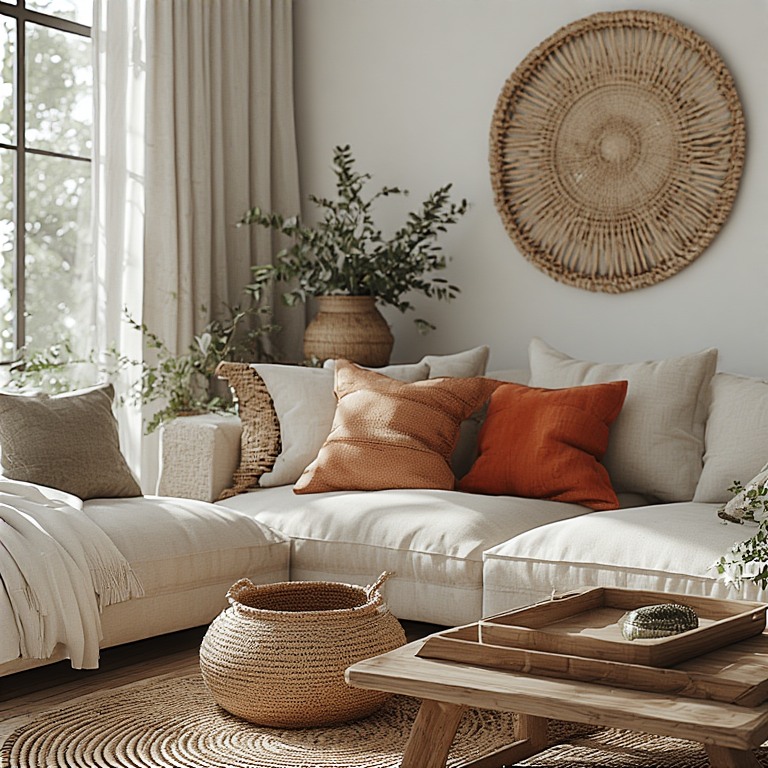
When selecting artwork and cultural accents for Caribbean interiors, it is essential to coordinate with the natural materials present in the space, such as bamboo, rattan, wood, matte quartz, and light porcelain. The chosen art should harmonize with these elements rather than compete with them. If the environment is primarily green and filled with natural textures, opt for warm earth tones, muted blues, soft ochres, and deep charcoal to enhance the overall ambiance. It is crucial to avoid neon brights, glossy metallics, and visual clutter, allowing the architecture to breathe and creating a serene and cohesive aesthetic that reflects the beauty of the Caribbean.
5️⃣ Think in Layers, Not Random Objects
When selecting artwork and cultural accents for your space, it’s essential to think in layers rather than simply accumulating random objects. A thoughtfully curated arrangement can profoundly enhance the aesthetic of a room. Aim for a balanced composition that includes one sculptural piece, such as a carved wooden bowl, complemented by a single textile, like a woven runner or a mudcloth-inspired cushion. Incorporate one framed artwork and add a touch of nature with a plant. This intentional layering fosters a sense of sophistication, steering clear of clutter. In contrast to the chaos of multiple masks, vases, or loud prints, restraint elevates the overall ambiance.
6️⃣ Consider Light & Orientation
When selecting artwork and cultural accents for your space in the Caribbean, it’s essential to consider the impact of light and orientation. The region is known for its strong sunlight, which can be both a blessing and a challenge. To prevent damage, it’s wise to avoid highly reflective glass art placed in the direct afternoon sun, as this can create glare and detract from the piece’s beauty. Additionally, UV rays can cause inexpensive prints to fade over time, making it worthwhile to invest in archival-quality prints that will withstand the test of time. Textured art, on the other hand, can thrive under angled light, particularly during the morning or afternoon hours when natural light enhances its depth and detail without overwhelming it. Ultimately, the goal is to allow natural light to complement your chosen art rather than diminish its vibrancy. By thoughtfully considering these factors, you can create a harmonious and visually appealing environment that celebrates the richness of your Caribbean setting.
7️⃣ Create Narrative Zones
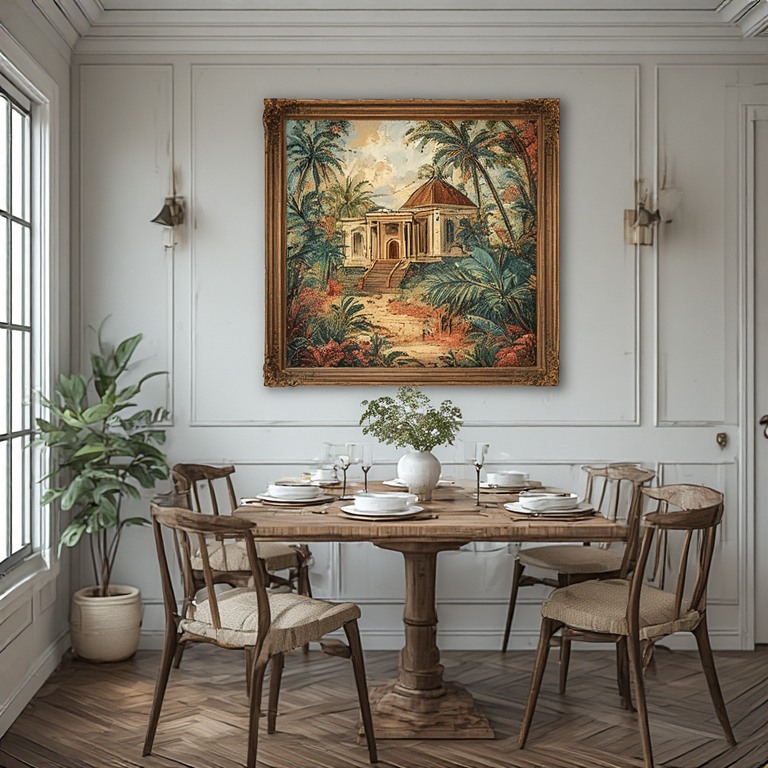
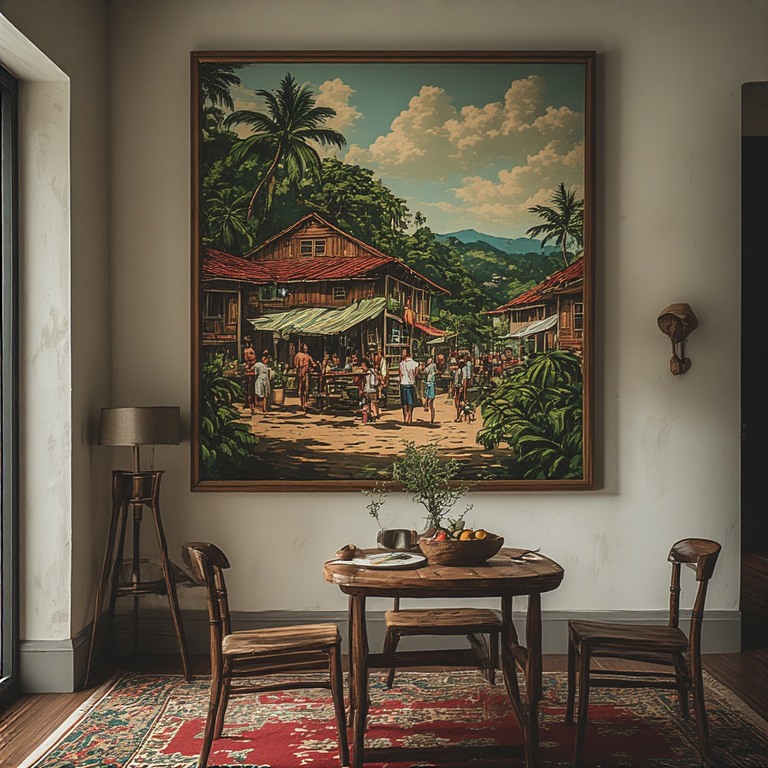
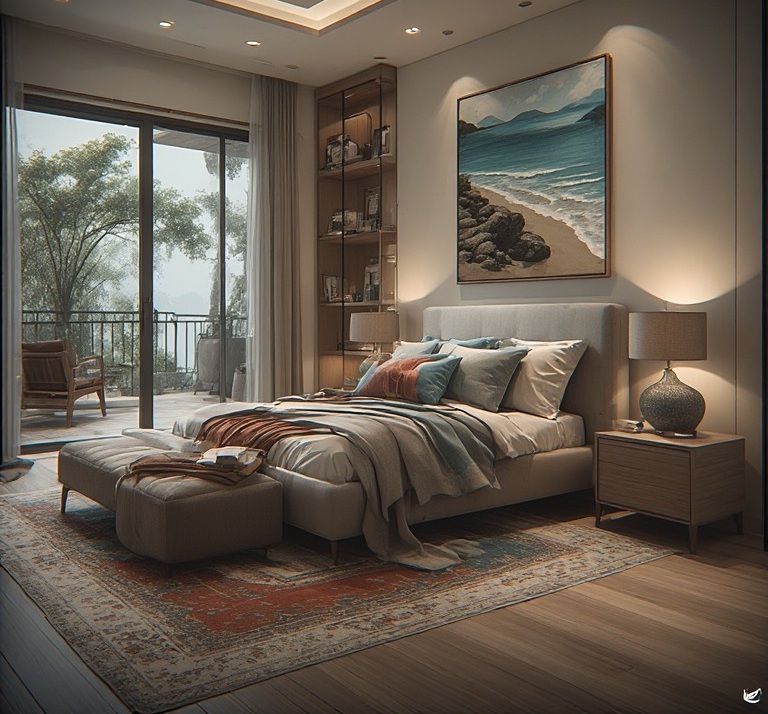
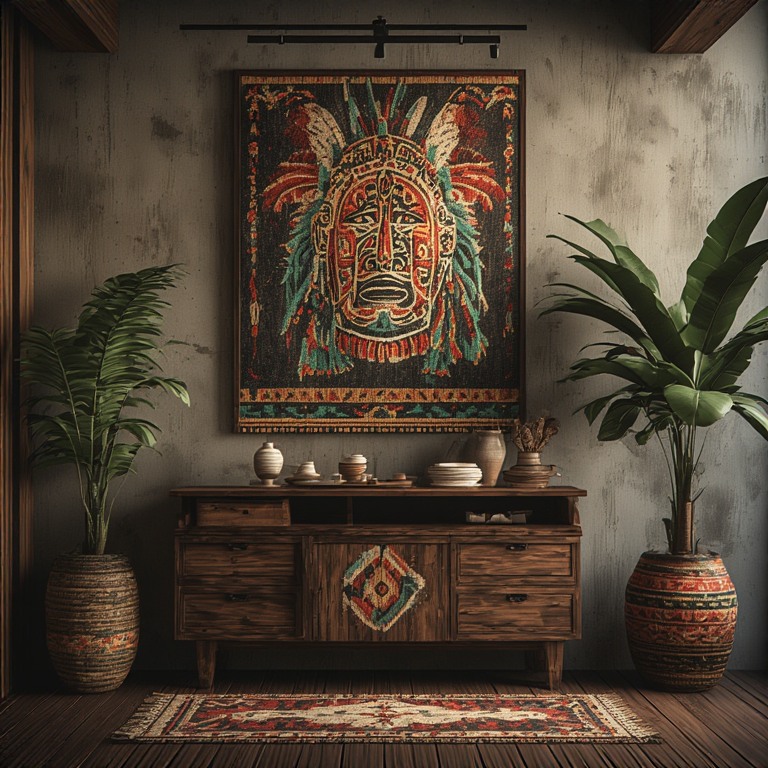
When selecting artwork and cultural accents for a space, it is essential to create narrative zones that enhance the overall ambiance. Instead of scattering cultural references haphazardly throughout the home, consider designating specific areas for subtle “story moments.” For instance, in the dining area, a vintage Trinidad market scene can evoke a sense of warmth and community, while the study might showcase botanical illustrations that reflect a love for nature and learning. The entryway can feature one powerful heritage symbol, making a strong first impression, while the bedroom can be adorned with an abstract calm coastal painting that promotes relaxation. By carefully curating these artistic elements, each space receives a controlled narrative that enriches the home’s character and fosters a deeper connection to cultural identity.
8️⃣ Quality Over Quantity
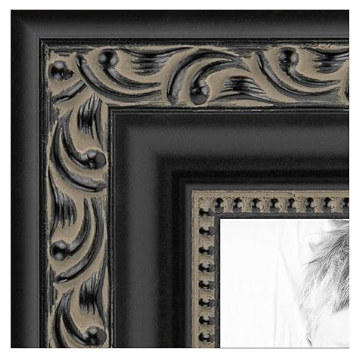
When selecting artwork and cultural accents for your space, prioritizing quality over quantity is essential. A single, powerful piece of art, skillfully framed, can create a significant impact that ten mediocre pieces simply cannot match. If your budget is limited, consider investing in fewer, but more meaningful artworks. Opt for high-quality frames that enhance the artwork, avoiding plastic-looking finishes that detract from its elegance. Remember, understated elegance tends to age better, providing a timeless appeal that transcends trends. By focusing on quality rather than quantity, you can cultivate a sophisticated atmosphere that reflects your personal style and enhances your living environment.
9️⃣ Personal Meaning > Trend
When selecting artwork and cultural accents for your home, it’s important to consider how these pieces connect to your personal journey and heritage. A personal meeting with yourself, reflecting on current trends, can help guide your choices. As you curate your space, ask yourself key questions: Does this piece resonate with my family history? Does it reflect my roots and upbringing? More importantly, does it symbolize where I envision my future? A framed photograph of the La Basse hills, for instance, may hold deeper meaning and emotional significance than a generic designer print. Ultimately, your home should eloquently whisper your unique story.
🔟 Leave Negative Space
When selecting artwork and cultural accents for a Caribbean home, it’s essential to embrace the concept of negative space. Many Caribbean homes already incorporate natural textures, outdoor views, plants, and the beautiful movement of light, creating a vibrant atmosphere that doesn’t require overwhelming decoration. To maintain this balance, it’s crucial to avoid filling every wall with art; instead, allow for areas of silence, which can be just as powerful as the pieces that adorn your space. By strategically placing artwork and allowing for open spaces, you can enhance the beauty of your surroundings while creating a harmonious and inviting environment.
Quick Decision Filter
When selecting artwork and cultural accents for a Caribbean home, it’s essential to embrace the concept of negative space. Many Caribbean homes already incorporate natural textures, outdoor views, plants, and the beautiful movement of light, creating a vibrant atmosphere that doesn’t require overwhelming decoration. To maintain this balance, it’s crucial to avoid filling every wall with art; instead, allow for areas of silence, which can be just as powerful as the pieces that adorn your space. By strategically placing artwork and allowing for open spaces, you can enhance the beauty of your surroundings while creating a harmonious and inviting environment.
So, start by asing yourself these questions first.:
- Does it support the emotional tone of the room?
- Is it culturally authentic?
- Is the scale correct?
- Does it harmonize with materials?
- Will I still like this in 10 years?
If you can’t say yes to at least four — don’t buy it.
In conclusion, selecting the right artwork and cultural accents is a nuanced process that requires thoughtful consideration of both aesthetic appeal and the underlying cultural significance. By following the outlined guidelines—such as understanding the context of the artwork, considering the emotional impact, and ensuring a harmonious integration with your space—you can create an environment that resonates with authenticity and sophistication. Remember, the goal is not only to beautify a space but also to foster a deeper appreciation for the diverse narratives that art and culture convey. With these principles in mind, you can confidently curate a collection that reflects your personal style while honoring the rich tapestry of cultural expression.
LATEST ARTICLES
-

10 Ideas designed for a Caribbean Tropical Home
These ideas are designed for a Caribbean tropical home, where the emphasis is on natural materials, breezy spaces, vibrant foliage, and seasonal changes that fit the local climate rather than four distinct temperate seasons. 1. Tropical Spring Refresh To create a refreshing ambiance in a Caribbean tropical home, the concept of a “Tropical Spring Refresh”…
-

How to Make Your Own Bubble Diagram
A bubble diagram in architecture is a quick, loose way of planning how spaces relate to each other before you start drawing walls, doors, or exact dimensions. Think of it as the logic underneath the floor plan. Instead of drawing a bedroom as a precise 12′ × 14′ rectangle, you draw a bubble labelled Bedroom.…
-
Remedies for Slopes, Corners & Sharp Angles
In the realms of architecture and feng shui, a significant overlap exists in their fundamental principles, despite the different terminologies used. Feng shui emphasizes the concept of “chi,” which refers to the vital energy that flows through spaces, affecting the well-being of individuals. Architects, on the other hand, focus on aspects such as circulation, sight…